How Long Should You Wait to Water an Overwatered Succulent?
There is no fixed number of days. A small unglazed pot in a dry room can read dry to the bottom in five or six days. A big glazed pot in humid indoor air can still be wet at root depth three weeks after the last watering. Stopping all watering is only the first move; the actual answer is a condition, not a date. You water again when the soil at the bottom of the pot is dry and the leaves have firmed back up, and if the root zone is still soggy a week in, the soil is the problem and it has to come out no matter how long you have already waited.
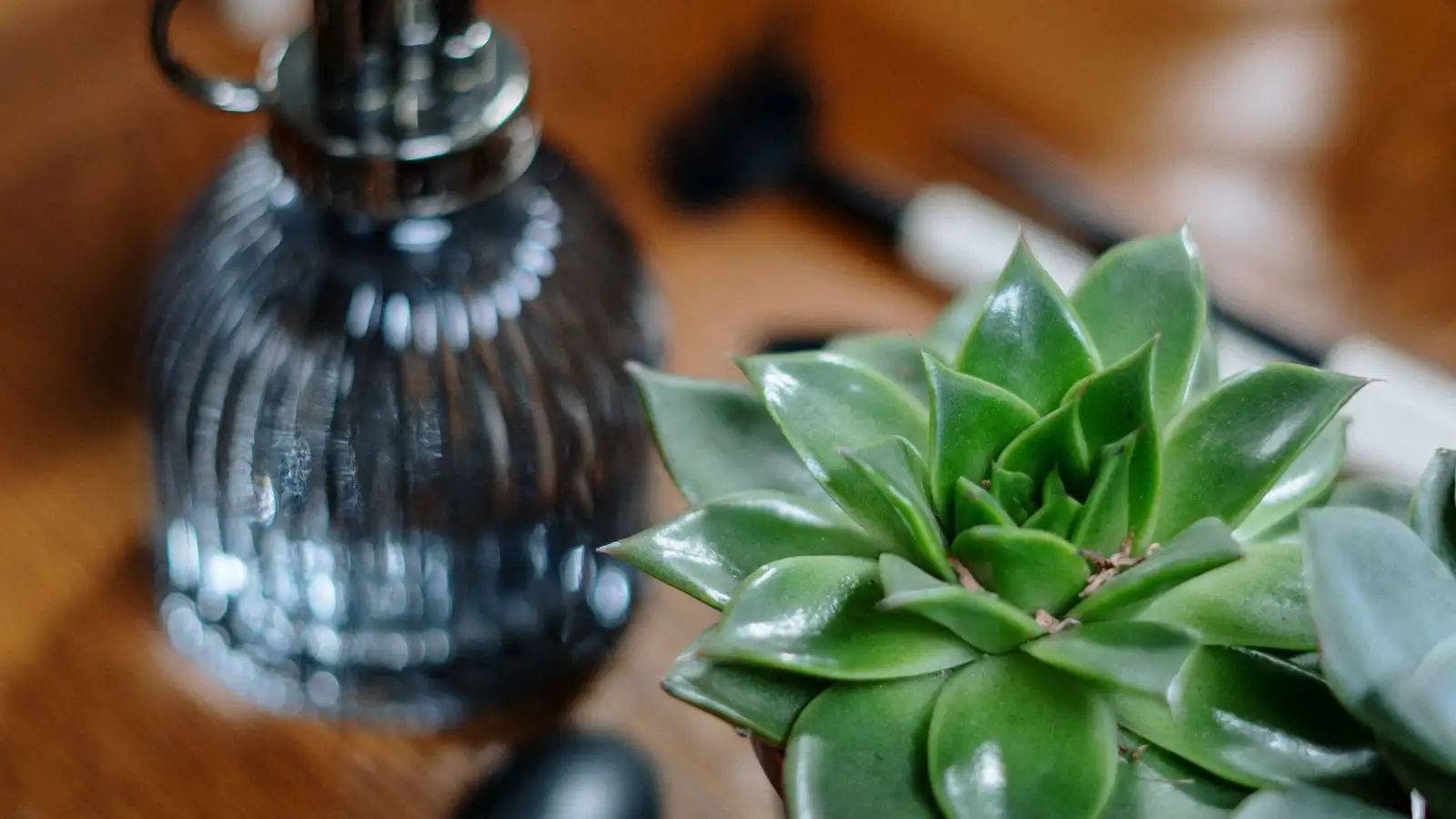
I have a wire rack set next to a window that gets bright light but no direct sun, and that is where every overwatered plant in my house goes. Not because the rack is special, but because of what sits under it: a small clip fan I keep aimed at the level of the pot, not at the plant. When I slide a soaked pot onto that rack and turn the fan on low, I can smell the difference in about two days. Wet soil that is going sour smells flat and mineral, a little rotten at the edges, and that smell fades as the top inch dries. It is the first thing I check, before I even touch the pot.
Stop watering, and stop checking the surface
The top of the soil is a liar. It crusts over and goes pale in a day or two in a heated house, and if you water on that signal you are stacking a second soaking on top of a root zone that never dried from the first one. That is how most of the rot I have dealt with got started, not from one big mistake, but from a surface that looked thirsty while an inch below it was still dark and cold.
So the reset starts with the pot itself. Lift it. Compare it to what the same pot feels like when it is bone dry. You can weigh it in your hands, or on a kitchen scale if it is small, and the difference is usually obvious once you have felt both ends of that range. A saturated four inch terracotta pot feels like a paperweight. Dry, it feels like almost nothing.
Then go deeper than your finger can reach. I use a plain wooden skewer, the kind for kebabs, pushed in at an angle until it stops near the bottom of the pot. Leave it for a minute, pull it out, run it between your fingers. Dry skewer, the soil is dry. Damp with a little grit stuck to it, not dry yet, keep waiting. Cold, dark, slick with mud, the root zone is still wet and you are not close. A moisture meter does the same job if you have one, but the probe has to go down to root depth instead of hovering in the top inch, and the inexpensive ones read wet in almost anything, so the skewer is what I trust.
I push it into the same spot on the pot every time, and I do it before I do anything else, because that habit keeps me honest. The days I skip the skewer are the days I water something I should not have.
Air is the part people skip
Water leaves a pot two ways. It drains out the hole as liquid, and after that everything else is evaporation up through the surface. In a closed house with the heat running, evaporation off a wet root zone is slow, and a wet root zone that is not breathing is exactly the situation you are trying to end.
That is the whole reason for the fan. Not to dry the plant out, but to keep moving the pocket of humid air that sits against the soil surface and in the gap under the pot. A small clip fan on its lowest setting, angled so the breeze skims across the top of the pot and underneath it, does more in two days than a week of waiting in dead air.
Two things to get right. Keep it low. If the leaves are visibly moving, the airflow is too strong and you are drying foliage faster than roots. And move the pot out of direct sun while it is this wet. A saturated root zone in hot sun is how roots get cooked; wet soil holds heat, and the plant cannot pull enough water to cool itself. Bright indirect light plus moving air is the combination you want.
Indoor humidity is the variable nobody controls. A pot in a steamy bathroom behaves nothing like the same pot in a dry living room in January. That is why the honest answer is a range and not a number, and why anyone who hands you an exact day count is guessing about your house instead of reading your plant.
What the leaves are telling you while you wait
Overwatered leaves go soft, dull, and slightly translucent. Hold one up to the window and light passes through it; it feels cool and heavy, like a grape that has been in the refrigerator. That translucency is water sitting where it should not be, and it overrides everything else. If leaves are still glassy, you keep waiting, no matter how pale and dry the surface looks.
Healthy leaves resist a gentle bend and spring back. A genuinely thirsty succulent goes thin, slightly wrinkled, and dull from the inside out. The whole leaf deflates instead of turning glassy. Learn those two feelings in your fingers and you stop needing to guess.
A plant can be both at once during a reset, a few leaves firming up while a couple of lower ones stay translucent and start to yellow. That part is normal. The firm ones are the ones you are reading. If the translucent ones keep moving up the stem, though, waiting longer is not the answer.
When waiting stops working
This is where I stop being patient. If the skewer is still coming out dark and slick a week in, and air has been moving across the pot the whole time, the soil is holding water it cannot release fast enough for a succulent root system. More waiting just extends the hours those fine roots spend in an oxygen poor zone. That is the point where replacing the soil is safer than waiting, and it is the only reason in this whole process that I would lift a plant out of its pot.
When I do, I knock off whatever old wet soil comes away easily, look at the roots, and cut anything dark, mushy, and hollow back to clean tissue with clean scissors. Then it goes into a gritty, fast draining mix, the kind where a handful crumbles instead of clumping, in a pot that drains freely. If the root ball is still plump and pale, the plant usually settles fast and the drying clock starts over from zero in the new soil. If the roots are mostly gone, that is a propagation problem, not a watering one, and it needs a different plan.
The first watering back
The first watering after a reset is a test, not a reward. Two things have to be true at the same time. The skewer comes out completely dry at root depth, bottom inch included, and the leaves have firmed back to normal. Not drier than before. Dry, and firm.
If the leaves are still translucent, wait. Water poured onto a root zone that has not finished recovering resets the whole clock, and the second round is usually worse than the first because the roots have less left to work with.
When you do water, water all the way. Soak it until it runs freely out the drainage hole, then stop. A cautious splash is the worst option, because it wets the top inch, leaves the bottom dry, and teaches you nothing about how your pot actually behaves. Then start the skewer routine over and let the plant tell you when the next one is due. After two or three of these cycles you will know what your pot, your mix, and your room can do, and the number of days stops being a question you have to ask anyone.
Educational content only: check with a qualified horticulturist, licensed pesticide applicator, or your local extension office before acting on anything specific.

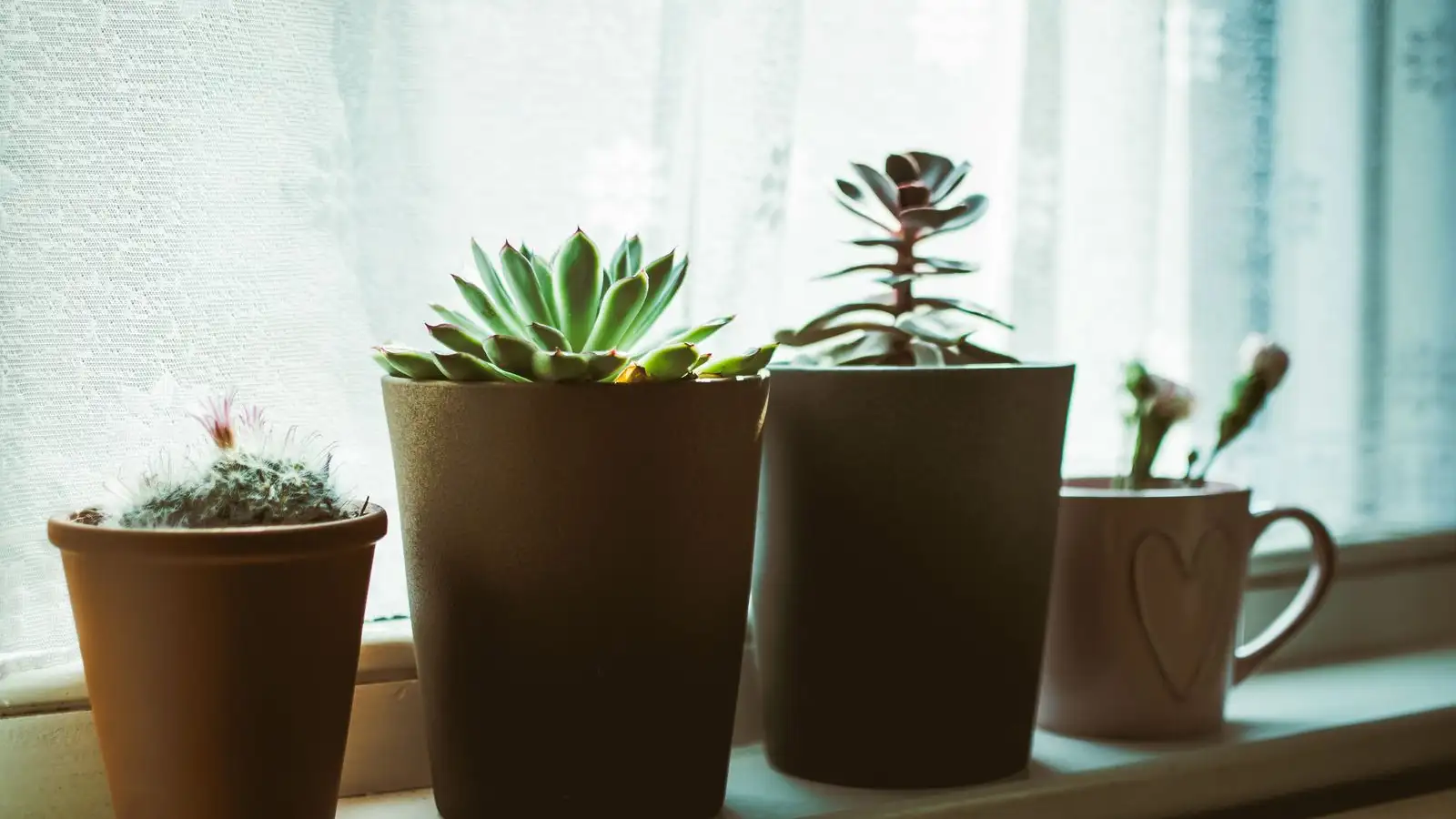
Overwatered Succulent? How to Tell If It Can Still Be Saved
Squeeze the stem and check the lower root zone. Firm stem plus dry soil means a drying-out reset. A mushy brown stem or foul smell means rot surgery now.
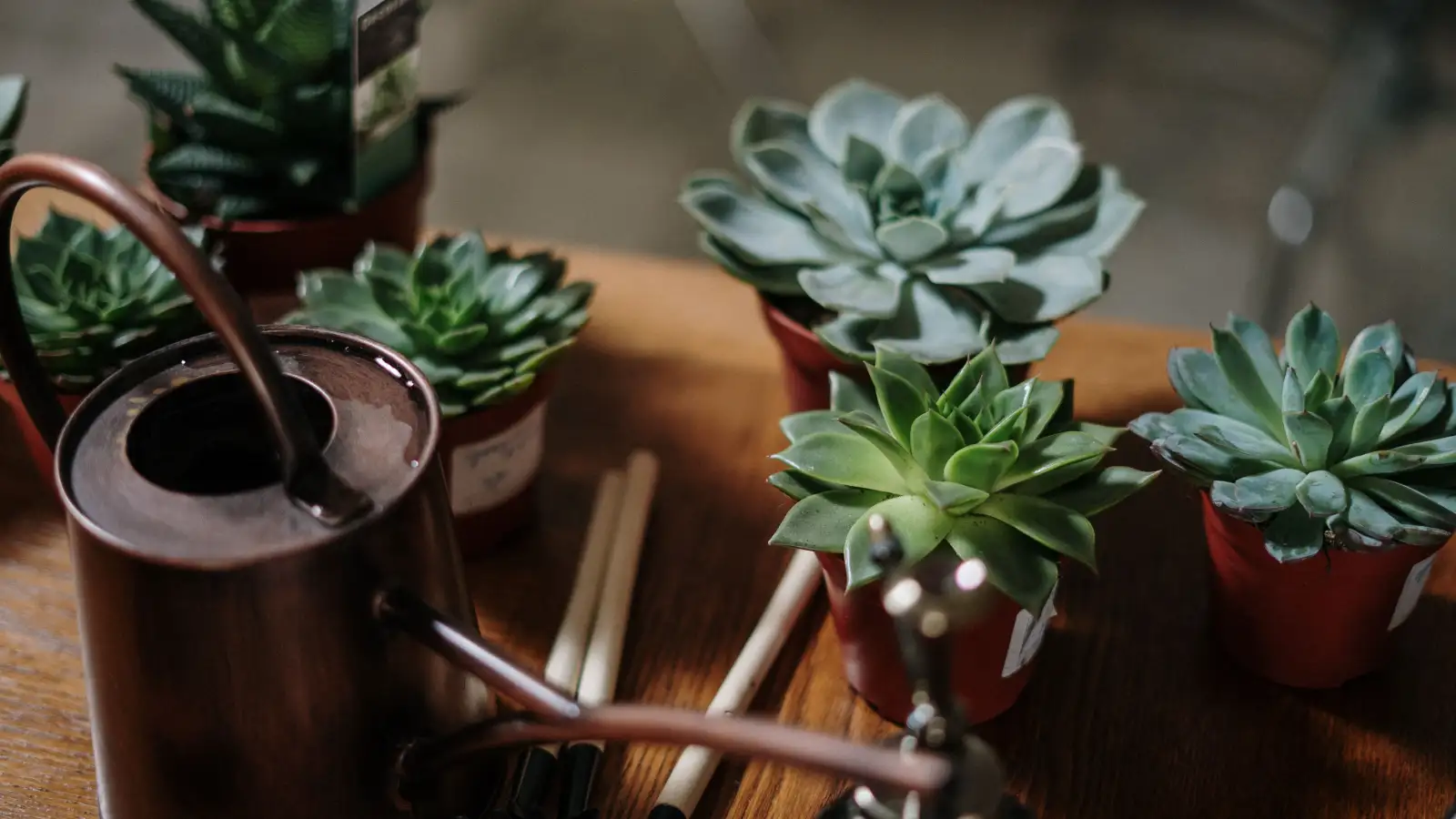
Your Overwatered Succulent Can Still Be Saved by Cutting
When roots and lower stem have rotted, the healthy top can be saved. Cut into clean tissue, callus in dry air, then root in dry gritty mix and wait.