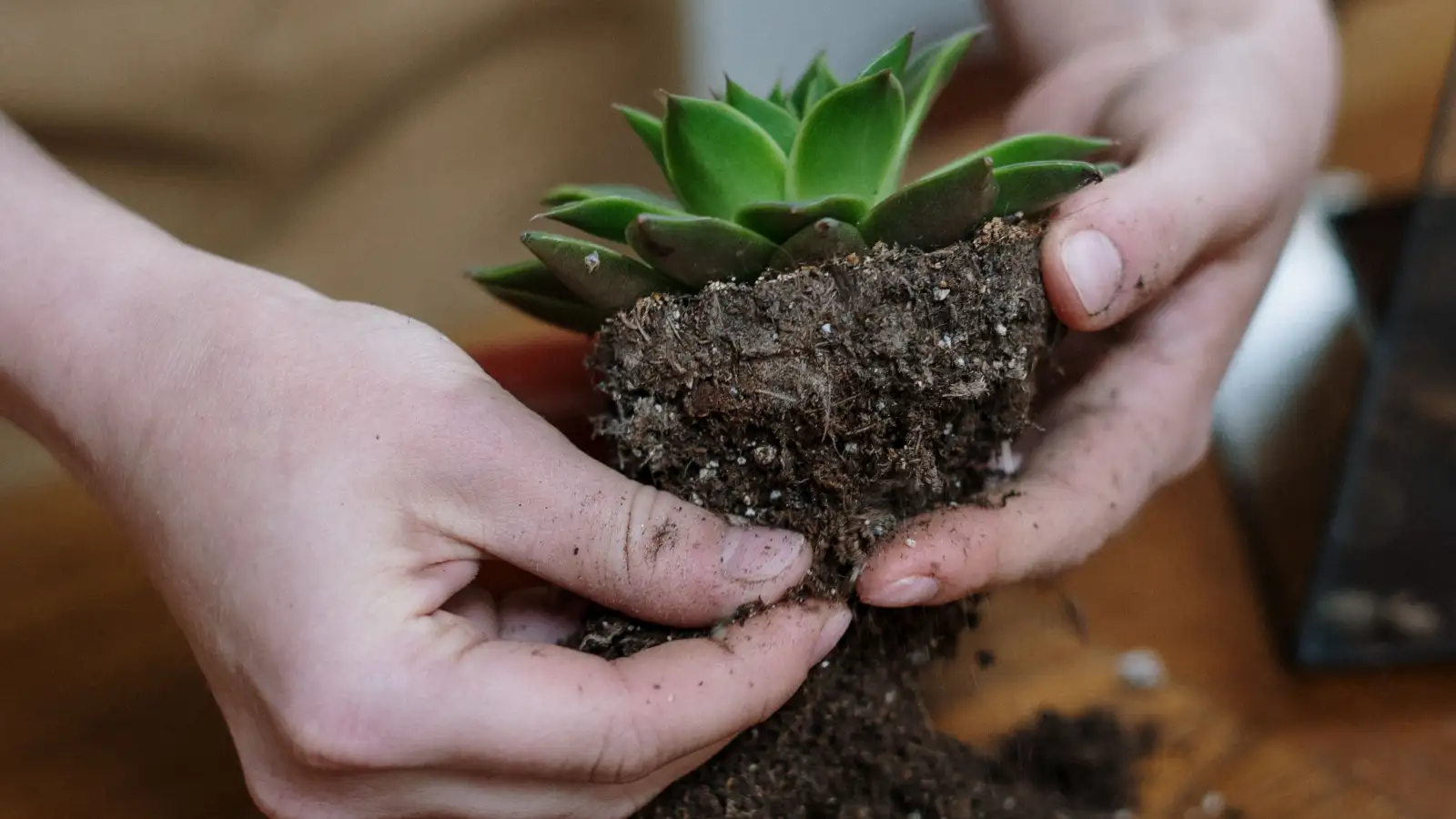
Repotting Isn't Always the Rescue a Stressed Succulent Needs
Repotting a stressed succulent helps only when the problem is in the root zone. Learn how to read roots, stems, and soil before deciding to repot.
Post-diagnosis recovery steps including quarantine, repotting, watering resets, and damage-triggered propagation rescue.
Repotting a stressed succulent helps only when the problem is in the root zone. Learn how to read roots, stems, and soil before deciding to repot.
Yellow soft leaves never recover, but cutting too early can kill the plant. Confirm the cause first, then cut only firm green tissue to propagate.
Repot a saturated succulent right away into dry grit and a clean pot with drainage. See root inspection, edema signs, and the correct first-watering wait.
A day-by-day quarantine routine for one new succulent: what to check, where aphids hide, and why tools and hands decide whether they reach your shelf.
Removing powdery mildew leaves from succulents often spreads spores and opens wounds. Here's when to cut, when to leave it, and how to propagate clean leaves.
Stop watering a soaked succulent, push a skewer to the pot bottom, add airflow, and know the exact moment the root zone is dry enough to water again.
Powdery mildew spreads on air, hands, and tools. A practical quarantine and 70% alcohol hygiene protocol to keep it off the rest of your succulent shelf.
When roots and lower stem have rotted, the healthy top can be saved. Cut into clean tissue, callus in dry air, then root in dry gritty mix and wait.
When roots and stem base rot during repotting, cut above firm tissue, callus the healthy top two to five days, and set it on dry succulent mix. Save fallen leaves the same way.