Repotting Isn't Always the Rescue a Stressed Succulent Needs
Repotting a stressed succulent is not a universal rescue step. It is a controlled injury that helps only when the problem is in the root zone: rotted roots, a soggy or fertilizer-burned medium, a pot with no drainage, or roots so compacted they are strangling the plant. If the stress is on the leaves or stems from sunburn, frost, heat, pests, or physical damage, repotting usually adds transplant shock and delays recovery. Decide by sliding the plant out and reading the roots, stem base, and soil before changing anything.
I have learned this the hard way, and I still remember the exact feeling of pulling a sunburned echeveria out of its pot because I thought a fresh start would fix everything. It didn't. The plant lost more leaves after repotting than it had from the burn, and it took an entire growing season to recover. That mistake taught me the order I use now: leaves first, stem second, roots third. The location of the damage tells you where the fix belongs.
Leaf and stem stress is not root stress
Sunburn is the clearest example. If a plant has pale, white, or brown patches on the upper leaves after a move into brighter light, that's damage from too much sun too fast. The roots are not involved. Repotting means breaking the root-to-soil connection, damaging fine root hairs, and forcing the plant to heal two injuries at once. I have watched a scorched plant stall for months simply because I disturbed its roots while it was already trying to repair leaf tissue.
Frost and heat damage work the same way. Cold damage often shows up as translucent, wet-looking leaves or soft spots that later turn brown. Heat damage can look like crisp, sunken patches or a plant that suddenly deflates. In both cases, the plant is in shock from temperature, not from its root environment. I move it to a stable spot with moderate light and leave the pot alone. The roots are the only part still functioning, and they need to stay in place.
Physical damage from hail, a dropped pot, a broken stem, or a snapped leaf is another case where repotting adds nothing. I treat those like cuts. Keep the wound dry, reduce direct sun for a few days, and let the plant seal itself. Roots are not the problem, and digging them up only risks a clean break becoming a root infection.
The signs that point below the soil
Some stress is root-zone stress, and those are the cases where repotting becomes necessary quickly. If the lower stem is black, soft, or mushy where it meets the soil, the rot is likely already inside the root crown. If the soil smells sour, like a wet basement or old compost, something anaerobic is happening. If the pot has stayed wet for days after the last watering, or if the plant wobbles in the soil like it has lost its anchor, I don't wait for more symptoms.
These warning signs demand a root inspection before any other care. Not fertilizing, not watering less, not moving the plant to a different window. The pot itself is part of the disease, and the plant needs to come out.
I also check the drain hole. If the hole is clogged or the pot has no drainage at all, water sits in the bottom and the lowest roots drown first. A plant can look fine on top while the roots below are already dead. The only way to know is to look.
Slide it out without adding damage
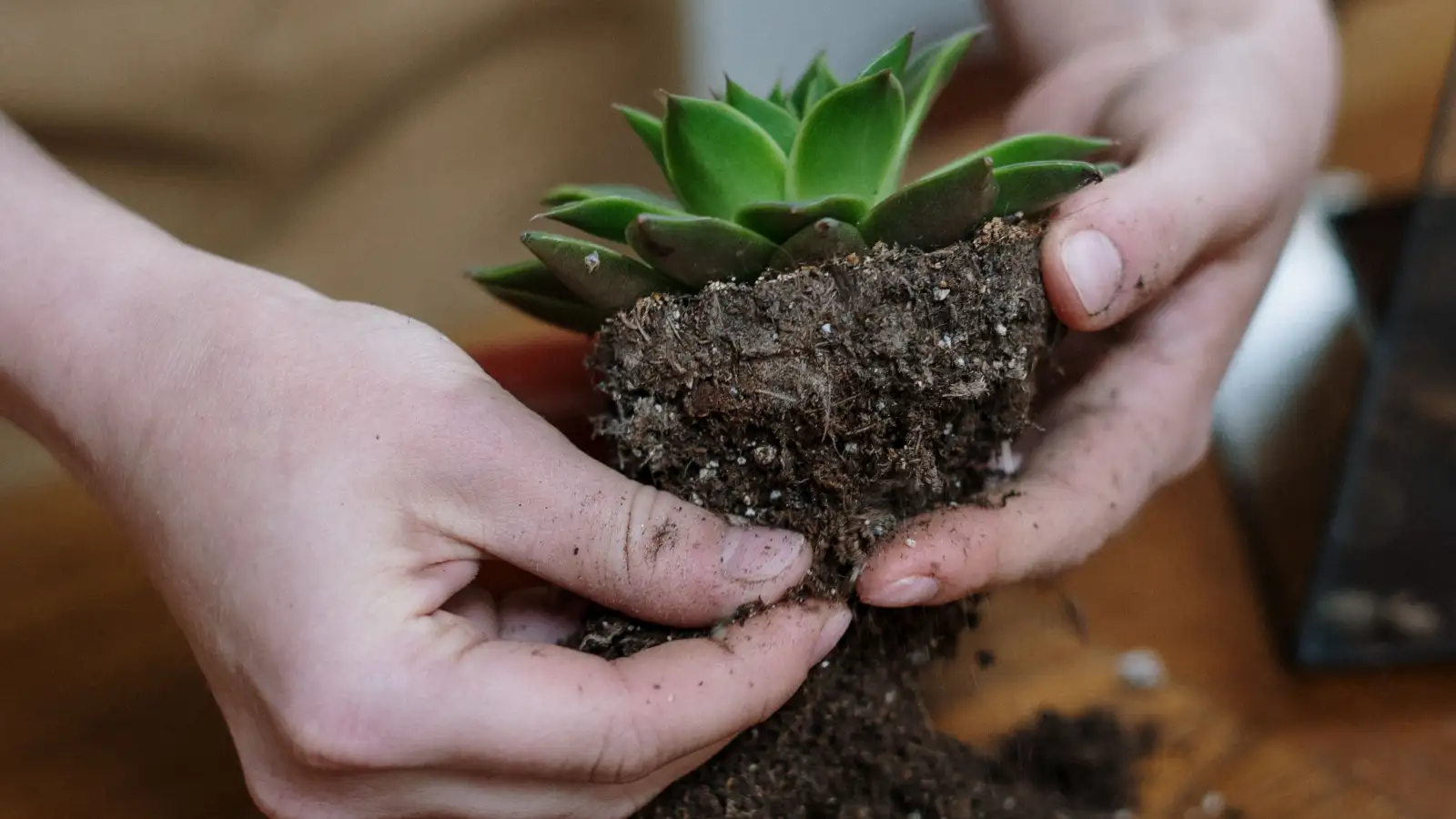
When I need to inspect the roots, I turn the pot on its side and support the base of the plant with one hand. I tap the sides, squeeze the pot gently if it is plastic, or run a chopstick around the inside edge if the soil is packed tight. Then I tip the whole root ball out into my other hand or onto a tray. I never pull on the stem. A stressed plant is already weak, and pulling can snap roots or tear the lower stem.
Once the root ball is out, I look at three things: color, firmness, and smell. Healthy succulent roots are usually whitish, tan, or light brown and feel firm. Rotted roots are dark brown to black, mushy, and they may collapse between my fingers or slide off the core. Waterlogged medium clumps and drips. Dry or slightly damp gritty mix falls apart in crumbles.
This is the go/no-go point. If the roots are firm and the medium is dry or just lightly damp, I put the plant right back into its pot and go back to treating the actual leaf or stem issue. If the roots are black, slimy, or the soil is sopping wet, I move to an emergency repot.
The emergency repot is rescue surgery, not a regular pot-up
I clear a work area first because rotted roots are messy. I gently shake off as much old medium as possible and, if the rot is extensive, rinse the roots under a soft stream of room-temperature water to see what is alive. Then I use sharp, clean snips, wiped with rubbing alcohol between cuts, to remove every black, mushy, hollow, or stringy root. I cut slightly into firm tissue to be sure no rot is left behind. If the lower stem is black, I cut above the black line into clean tissue. Sometimes the only way to save the plant is to take a cutting from the healthy top.
After cutting, I leave the plant bare-root on a paper towel or mesh rack in a warm, dry spot out of direct sun. I wait until every cut end and root stub feels dry and has started to callus. That can take a day or two, sometimes three. This drying step is non-negotiable. Putting fresh cuts straight into damp medium invites the same rot back through the wound.
While the plant dries, I clean the pot or choose a clean one with a drain hole. I fill it with a gritty, fast-draining succulent mix, something with coarse sand, perlite, pumice, or fine gravel, not heavy potting soil. I do not water the medium before planting. The plant goes into dry mix, and I don't pack it down hard. Air around the root zone matters.
Aftercare lets the roots heal
After the emergency repot, I put the plant in bright but indirect light for at least a week. No direct sun on stressed roots or open stem cuts. I keep it away from heater vents, cold windowsills, and drafty doors. The goal is stable conditions so the plant can use its energy to heal roots instead of fighting the environment.
I do not water right away. The plant has few or no roots to absorb water, and wet medium around callused cuts can re-open the rot. I wait several days, sometimes up to a week, then water lightly around the pot's edge, not a deep soak. After that, I wait until the medium is bone dry and the leaves show slight thirst before watering again.
For the first few weeks, I check daily for new softness, shriveling, or a returning sour smell. Some lower leaves may be sacrificed while the plant reroutes energy to new roots. That's normal. But if the stem keeps blackening or the rot smell comes back, I know I didn't cut far enough and I need to go back in.
If the plant had any sign of fungal infection, I keep it quarantined away from my other succulents until it stabilizes and starts showing new growth. That separation is part of the rescue, not an afterthought.
Educational content only: check with a qualified horticulturist, licensed pesticide applicator, or your local extension office before acting on anything specific.

When Roots Have Rotted, Cut and Reroot the Healthy Top
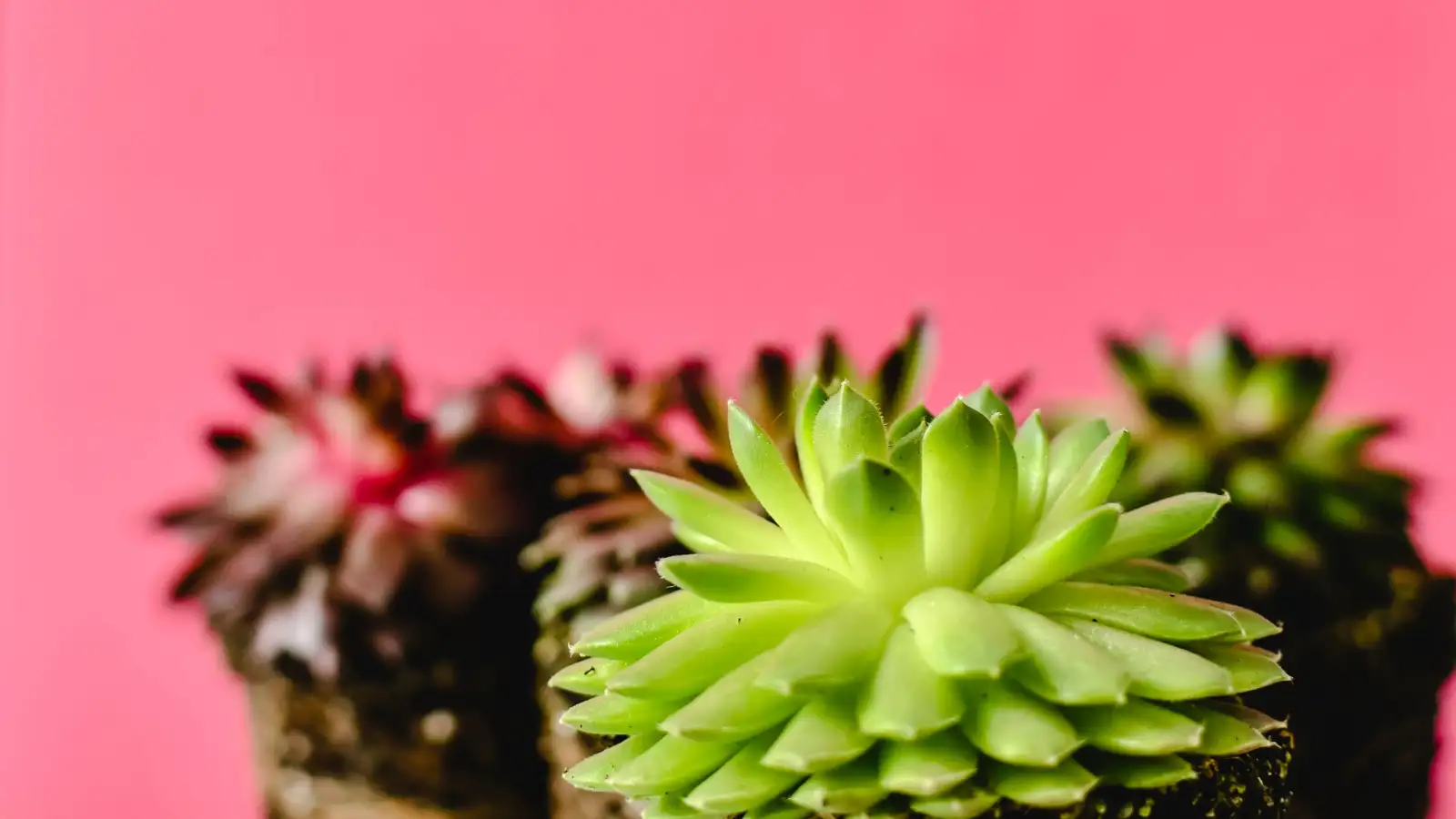
When roots and stem base rot during repotting, cut above firm tissue, callus the healthy top two to five days, and set it on dry succulent mix. Save fallen leaves the same way.
Root Rot Emergency Repot Before You Lose the Plant
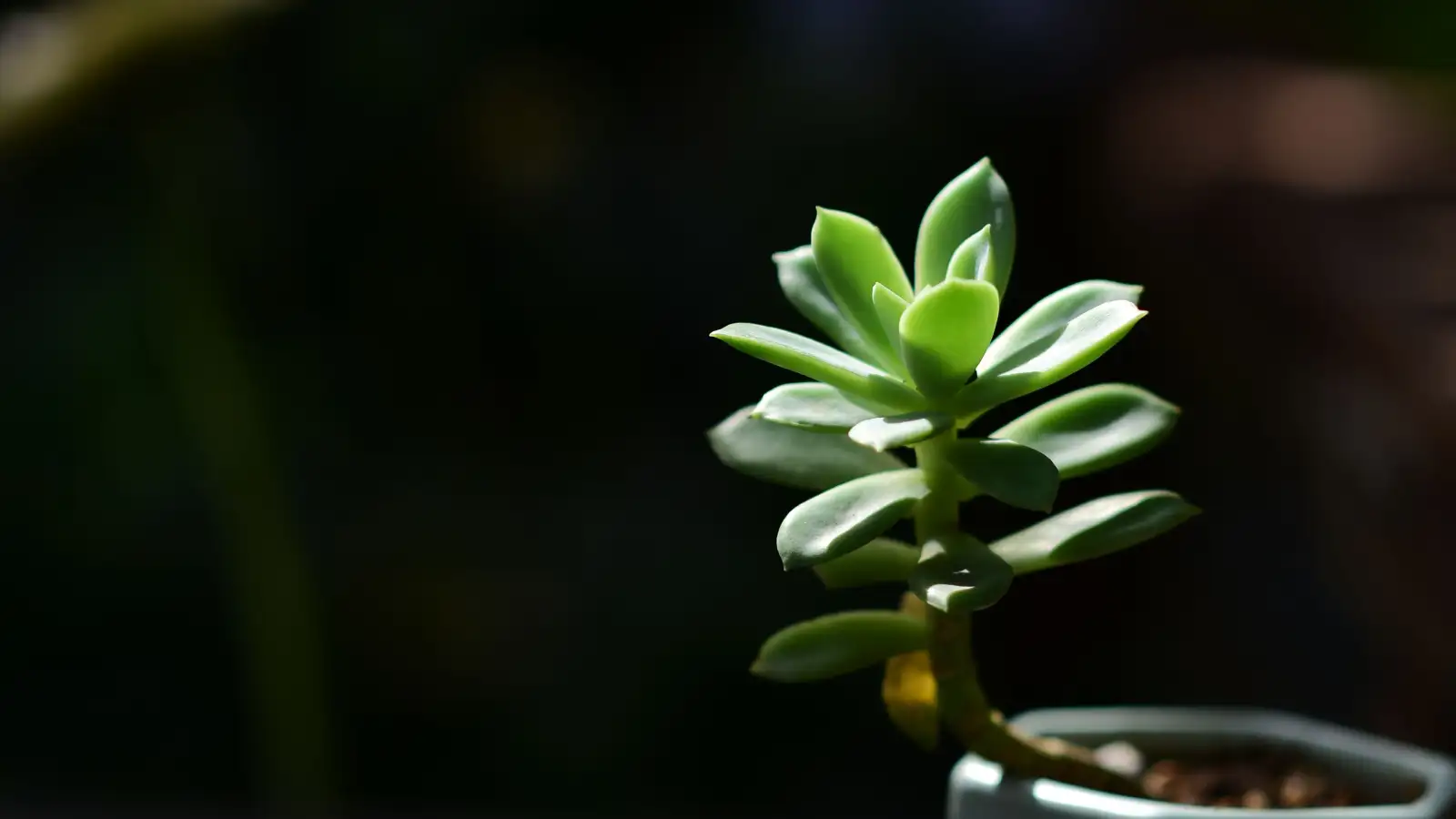
Dark soft roots, sour soil, or a mushy stem base mean root rot. Remove all old soil, cut rotted tissue, dry bare-root, and repot in fresh dry mix. No water yet.
Overwatered Succulent? Repot Now Before Rot Starts
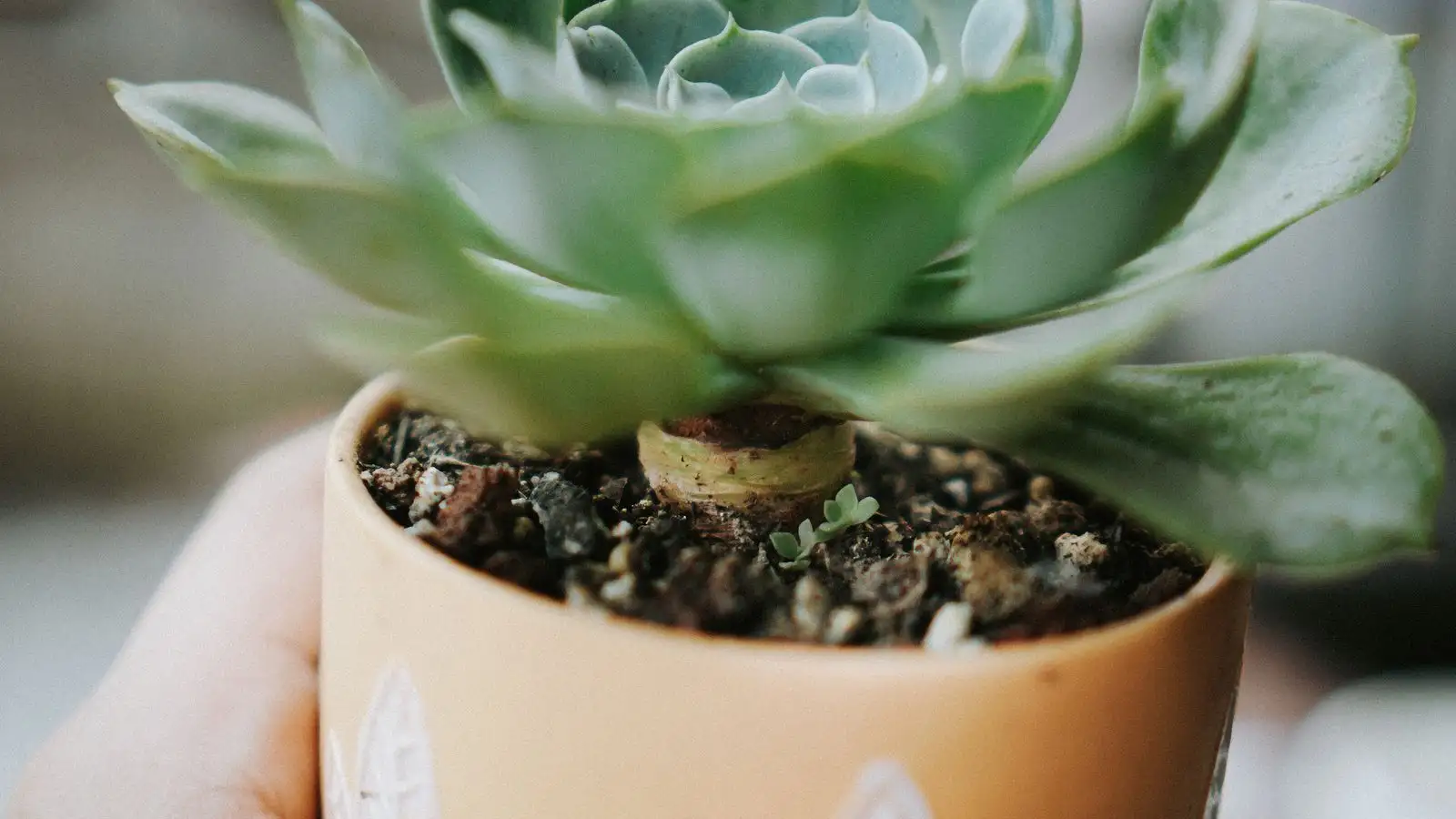
Repot a saturated succulent right away into dry grit and a clean pot with drainage. See root inspection, edema signs, and the correct first-watering wait.
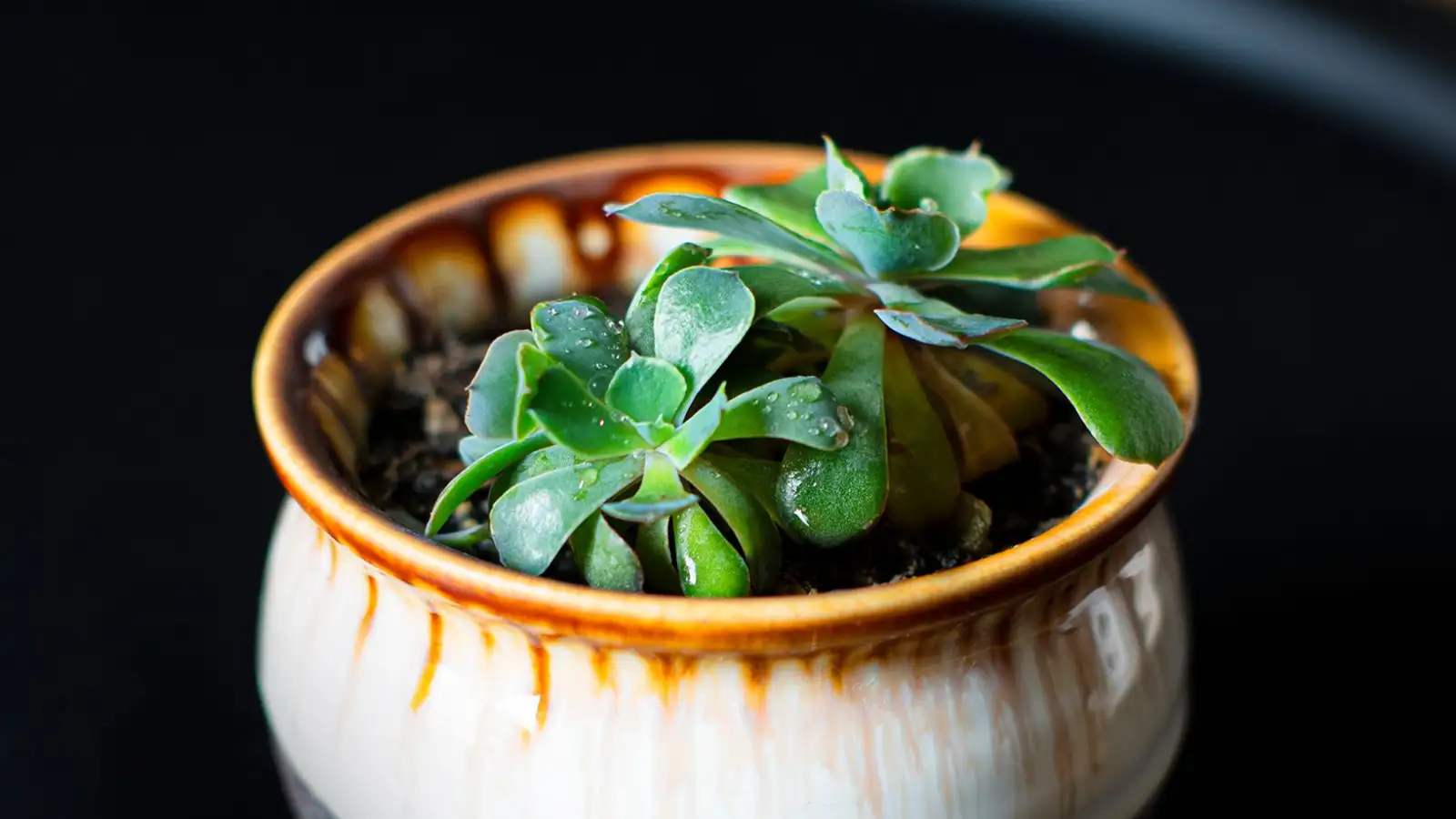
Sunburned Succulent? Repotting Now Can Set It Back
Sunburned or frost-scarred succulent leaves are surface damage, not root disease. Repotting now adds transplant shock. Here’s how to help it recover.