Sunburned Succulent? Repotting Now Can Set It Back
No, do not repot a sunburned, heat-stressed, or frost-scarred succulent right away. Those dry, bleached, or blackened patches are surface damage on the leaves and stems, not a root-zone problem, and pulling the plant out of its pot now adds transplant shock at the worst possible time. The best response is to move the plant to stable bright indirect light, improve airflow, and leave the roots alone until new growth shows it has recovered.
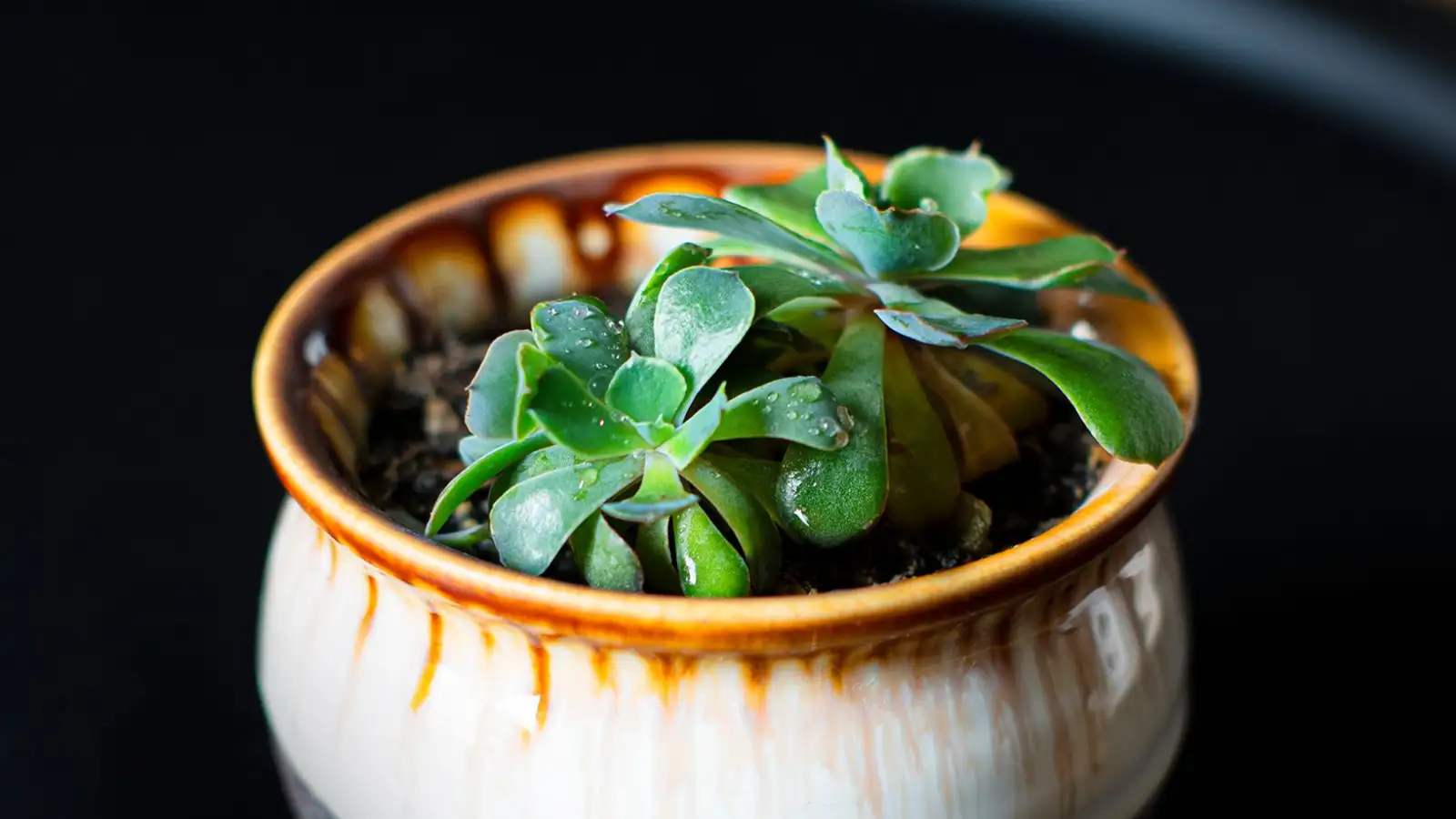
I’ve watched a bad sunburn turn into a stalled, leaf-dropping plant because I reached for a new pot instead of a shade cloth. That mistake taught me what I’m going to lay out here: the injury on top rarely means the roots need to be disturbed.
The damage is on the leaves, not in the pot
Sunburn shows up as tan, white, or bleached patches on the upper leaf surfaces that were suddenly exposed to stronger light. Heat stress often makes leaves wrinkle at the edges, cup inward, or take on a dull, cooked look. Frost damage first looks water-soaked and translucent, then dries into brown or black scars. Hail leaves pockmarks or tears on the side of the plant that faced the storm. What all four have in common is that the injury sits in the leaf tissue and sometimes the outer stem. The rootball, sitting in its normal soil, is usually not part of the disease.
I’ve unpotted succulents after a bad sunburn expecting to find something wrong underground, and almost every time the roots were white, firm, and doing exactly what they should. The damaged top growth made the plant look sicker than it actually was. When I repotted anyway, I turned a surface burn into a multi-week stall.
That’s the core risk: transplant shock. Repotting means breaking fine root hairs, shifting the rootball, and making a plant rebuild its water uptake system. A sunburned or frost-scarred succulent is already losing water through damaged tissue and trying to seal those wounds. If you disturb the roots at the same time, the plant has to repair leaves and roots at once. Many succulents survive, but they drop extra leaves, stall for a month or more, and become more vulnerable to rot if the soil was disturbed or watered too soon.
Move it, then leave the roots alone
When I find a plant with fresh sunburn, heat damage, or frost scars, my first move is not the potting bench. It’s a change of location. I move the plant into bright indirect light — a shaded porch, an east-facing spot, or a spot under a shade cloth if it was outdoors. I do not put it back in the same direct sun, and I do not swing it from a hot spot into a cold, dark room either. The goal is stable temperature and gentle light.
Then I improve airflow. A low fan nearby can help dry the leaf surfaces, but I don’t point it straight at the plant hard enough to desiccate it further. If the plant is indoors, I open a window or move it to a room with better air movement. Good airflow reduces the chance that damaged tissue stays damp and becomes a fungal or bacterial entry point.
I also back off on water. Sunburned and heat-stressed plants are not asking for more water just because they look dry. I wait until the soil is dry and the plant has had a few days of stable conditions before considering a small drink. For frost-damaged succulents, I keep them on the dry side until the damaged areas have clearly dried and firmed up. I do not fertilize during this period, and I do not peel or cut damaged leaves unless they are completely dry and loose. Removing tissue too early can open a wound that was sealing on its own.
The hardest part is waiting. A sunburned leaf may never turn green again in the burned spot. That does not mean the plant needs a new pot. The true sign of recovery is new growth from the center or the stem tips, not the old leaves fixing themselves. I wait for that.
When a root check actually makes sense
There are cases where the roots are the real problem, and I don’t want to dismiss that. If a plant has leaf damage but also a mushy lower stem, a foul, swampy smell coming from the soil, or soil that has stayed wet for days after a rain or overwatering, that’s a root-zone issue. Blackened tissue spreading up from the soil line is another red flag. Those signs can follow frost or heat if the plant was also sitting in excess moisture, but they are not caused by the burn itself.
In those cases, I do unpot and inspect roots, because the plant is facing rot or suffocation, not just surface scarring. That is a root emergency, not a cosmetic repot. The goal there is to remove rotten tissue, dry the rootball, and move the plant into dry, gritty soil. But I still don’t treat a clean, dry rootball as something to fix. If the roots are firm and the soil smells earthy, I put it back and leave it.
Wait for new growth before an optional repot
If the succulent actually needs repotting for a real reason — it’s rootbound, the soil has broken down, or the pot has no drainage — I wait. The time to do that is after the plant has pushed out healthy new leaves and has been stable for several weeks. For most of my plants in the United States, that means waiting until active growth in spring or early summer, not the week after a sunburn or the morning after a frost.
I look for a few things before I repot: the center of the rosette or the growing tips are producing new leaves; the older damaged leaves are dry and stable rather than wet or spreading; and the plant has held firm through a normal dry-down cycle. If those are true, the plant can handle root disturbance. If they aren’t, I leave it in its current pot and keep providing stable conditions.
The instinct to “do something” is strong when a succulent looks burned or scarred. I get it. But doing something to the roots is often the worst version of helpful. The plant’s best chance is a cooler, shaded, well-ventilated spot and time to grow past the damage.
Educational content only: check with a qualified horticulturist, licensed pesticide applicator, or your local extension office before acting on anything specific.

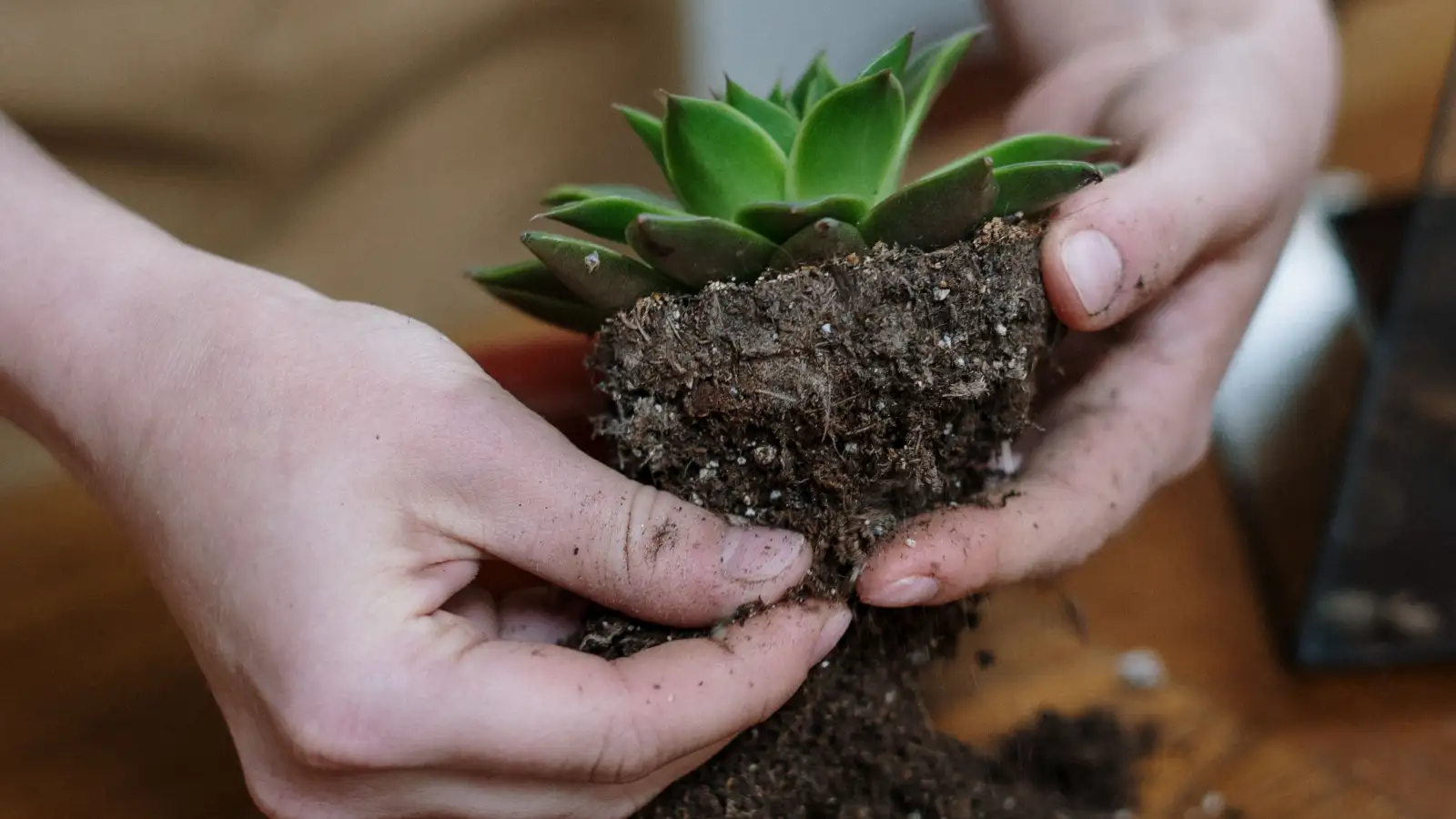
Repotting Isn't Always the Rescue a Stressed Succulent Needs
Repotting a stressed succulent helps only when the problem is in the root zone. Learn how to read roots, stems, and soil before deciding to repot.
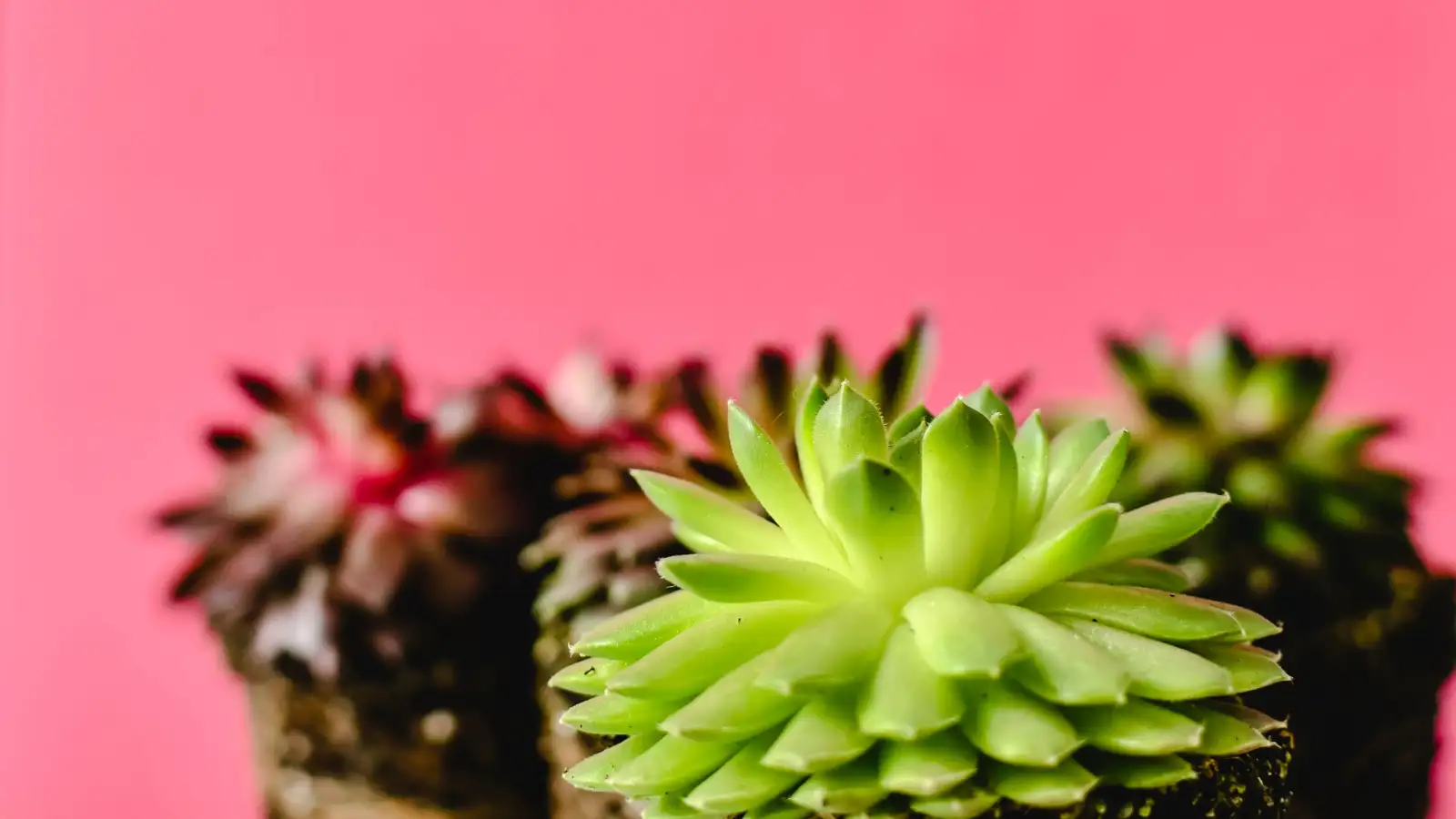
When Roots Have Rotted, Cut and Reroot the Healthy Top
When roots and stem base rot during repotting, cut above firm tissue, callus the healthy top two to five days, and set it on dry succulent mix. Save fallen leaves the same way.
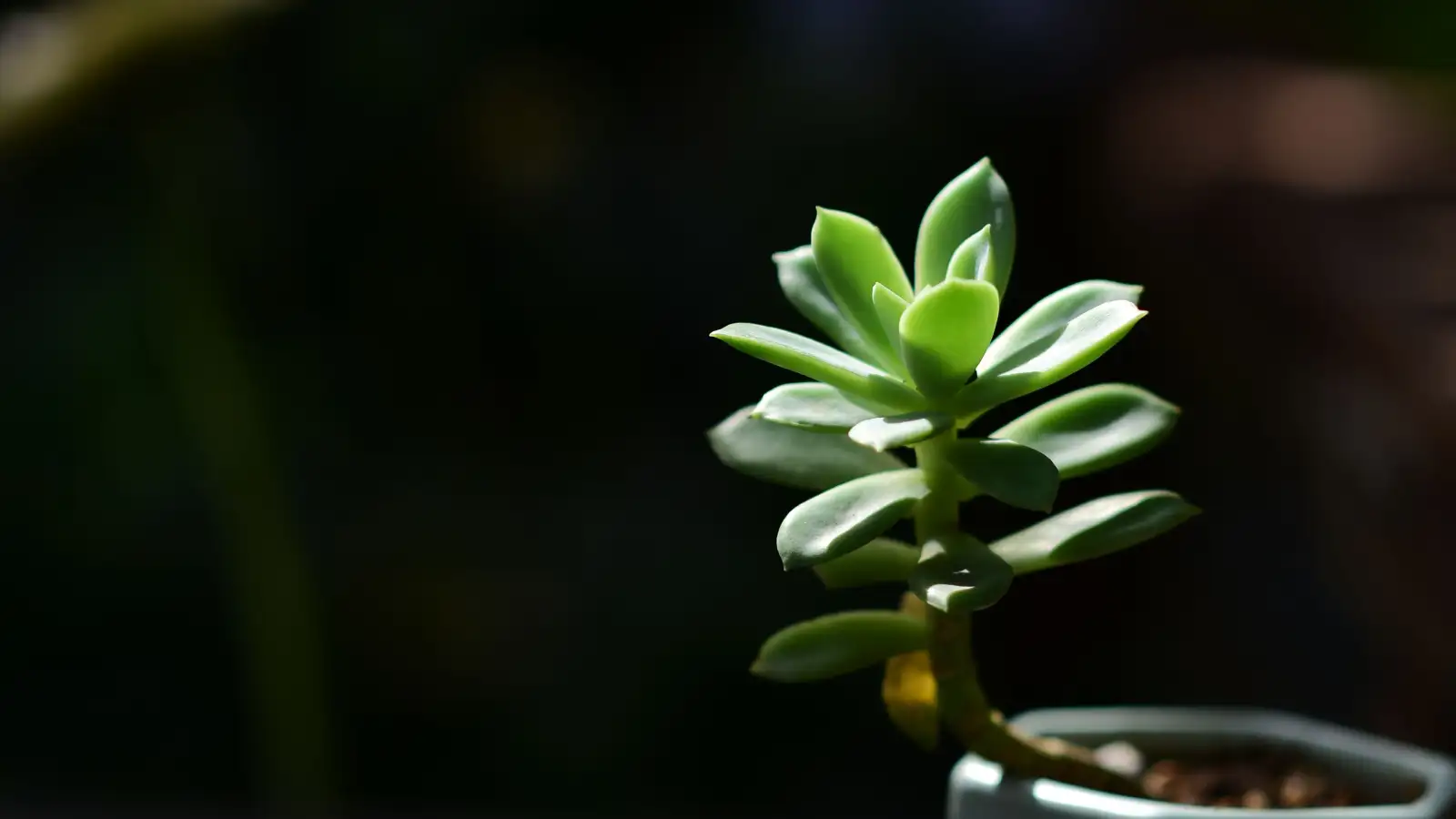
Root Rot Emergency Repot Before You Lose the Plant
Dark soft roots, sour soil, or a mushy stem base mean root rot. Remove all old soil, cut rotted tissue, dry bare-root, and repot in fresh dry mix. No water yet.
Overwatered Succulent? Repot Now Before Rot Starts
Repot a saturated succulent right away into dry grit and a clean pot with drainage. See root inspection, edema signs, and the correct first-watering wait.