Root Rot Emergency Repot Before You Lose the Plant
Root rot emergency repot is not a routine transplant. When roots are brown or black, soft, and smell sour, and lower leaves are turning translucent or the stem base is mushy, you need to remove all old soil, cut away every dark and soft root and stem section, dry the plant bare-root, and repot only firm healthy tissue into fresh dry medium in a clean pot with drainage. Do not water immediately.
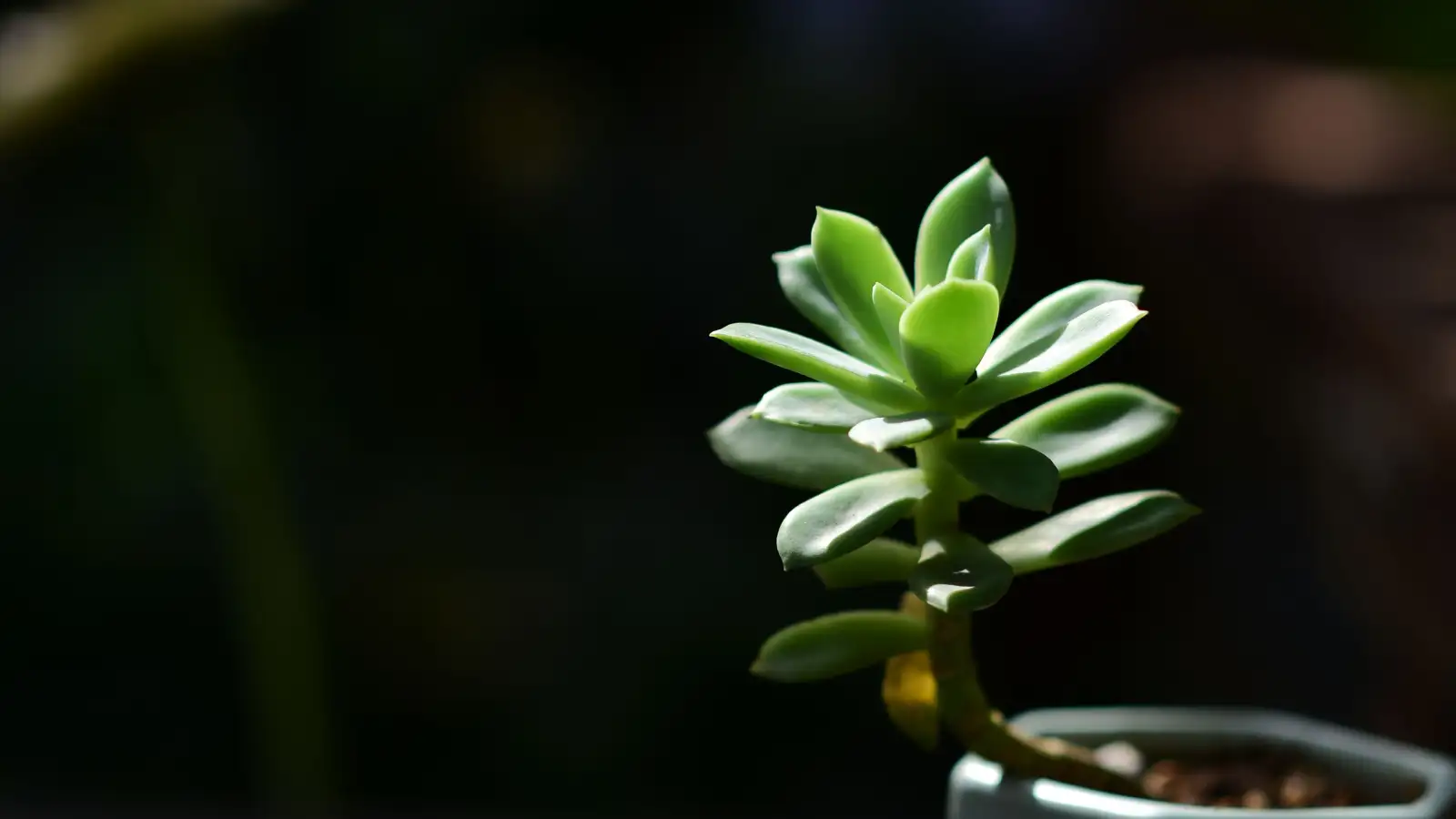
I want to be clear at the start: this is not a repotting job you schedule. It is a rescue procedure. I have lost plants because I treated root rot as if it were a watering correction and left the plant in the old soil for another week. The rot keeps moving while you wait.
Know it is rot before you unpot
The signs I trust are simple. Lower leaves go translucent, yellow, and droopy. The stem near the soil may look darker than normal, or it may feel soft when I press it with a finger. The soil often smells sour or musty, not like clean earth. If I pull the plant up slightly and the base moves too easily, that usually means the roots have already collapsed. A mushy crown is the worst sign because the rot has reached the growing point. The smell is the strongest clue. Healthy succulent roots do not smell like that.
But I do not unpot based only on one soft lower leaf. A succulent can reabsorb an old lower leaf and look bad without having root rot. I look for a pattern: multiple lower leaves dropping at once, transparency in the leaf, softness at the crown, and that odor. If the stem base is firm and only one leaf is failing, I wait and reduce water first.
Emergency repot means all old soil goes
A standard repot lets you keep much of the root ball intact. That is the wrong move here. Rot pathogens live in the old soil and in the decaying root tissue. If you move the plant into a new pot with any of that old soil attached, you are carrying the problem with it. I remove every bit of old mix I can.
The way I do this is to take the plant out of the pot and gently break apart the root ball over a tray or newspaper. I do not yank hard; I want to see which roots are already mushy. I work the old soil out with my fingers or a soft brush. Then I rinse the remaining roots under room-temperature water so I can see the actual root color. You cannot tell what is rotten when the roots are covered in wet soil.
One note: do not assume every dark root is rotted. Soil can stain roots brown. What matters is texture and smell. If a dark root is still firm and plump, I leave it. If it is soft, slimy, hollow, or it slides off the inner thread when I pinch it, it is rotted and it goes.
Cut until you see clean tissue
I use a clean, sharp knife or pruning shears. I sterilize the blade with rubbing alcohol and let it dry before the first cut, and I re-clean it if I cut through obviously rotten tissue and need to keep cutting. A dull or dirty blade crushes the tissue and moves bacteria around.
I cut every root that is brown-black and soft. I also cut the soft part of the stem if the rot has climbed above the soil line. The rule I follow is to keep cutting until the cross-section shows firm, white or cream-colored tissue with no dark streaks running through it. If I still see a brown ring or a gray soft center, I cut higher. A small amount of healthy plant is worth sacrificing to stop the rot; leaving one dark streak will bring it back.
If I find a root that is dark on the outside but still firm when I press it, I do not cut it. I only remove what is soft or smelly. The goal is to leave as much healthy root mass as possible while removing every piece of decaying tissue.
Once the cutting is done, I set the plant on a clean paper towel or a mesh rack. I do not put it in soil yet.
Let the cut surfaces dry before you pot
This is the step people want to skip. They cut away rot and immediately plant into fresh mix. The cut surfaces are open wounds. If they go straight into even slightly moist medium, the rot organisms left on the plant get the wet opening they need. A dry callus is the barrier.
The drying time is not a fixed number. For a small plant with thin cuts, one full day may be enough. For a thick stem or a humid house, I wait two to three days, sometimes longer. I check the cut surfaces with the back of my finger. They should feel dry and slightly firm, not tacky or wet. If the weather is humid, I put the plant somewhere with good air movement but not direct sun.
While the plant is drying, I deal with the pot and soil.
Set up the pot so rot cannot return
The new pot needs a drainage hole. I do not use a pot without one for a plant that just had root rot. I also do not reuse the old soil or the old pot without washing it. The old soil is contaminated. The old pot can be scrubbed with hot water and soap, but I usually set it aside and use a clean one for the first repot.
The medium should be dry and gritty. For a sick succulent, I want drainage that is even sharper than my normal mix. Extra perlite or pumice helps. I do not add worm castings or anything that holds moisture heavily at this stage. The plant is not fertilizing; it is healing. I fill the pot with dry mix and make a small hole for the roots.
I place the callused plant gently into the dry medium and cover the roots. I do not pack the soil down hard. I do not water. Not on day one, not on day three, not as a 'welcome home' drink.
The first two weeks after surgery
I put the plant in bright indirect light. Direct sun on a freshly cut and root-damaged succulent can stress it and dry the live tissue too fast. Once I see new growth or the lowest leaves firm up a little, I may gradually move it into stronger light, but the first week or two are about keeping the environment dry, not about pushing growth.
I check the stem base every few days by touch. If it stays firm, that is a good sign. If the lower leaves continue to collapse and the stem base turns soft again, the rot was likely not all removed. At that point I unpot again and cut higher. Waiting only makes it worse.
I do not water until the plant has had time to establish and the cut roots have healed, often two weeks or more. Some growers wait until the plant shows slight leaf wrinkling. That is the signal I trust most: a thirsty succulent with healed roots will show you when it needs water. Until then, the dry medium is not neglect. It is the treatment.
When this procedure cannot save the plant
If the rot has moved through the center of the stem and every cut you make still shows brown or gray tissue, the plant may already be too far gone. This procedure is not a guarantee. It works when there is still enough healthy root and stem tissue to carry the plant. Once the crown is fully mushy, no amount of cutting will bring it back. I have had to accept that a few times. The same technique of cutting back to clean tissue can be used, but if there is no clean tissue left, there is nothing left to repot.
The mistake I see most often is not cutting enough. People feel bad removing roots, so they leave one soft brown root or a dark speck at the stem base. Then they repot and wait, and the rot spreads through the fresh mix anyway. When I have a plant with root rot, my goal is not to preserve every root. My goal is to preserve only the tissue that is actually alive and firm. That is the only way the new pot stays clean.
Educational content only: check with a qualified horticulturist, licensed pesticide applicator, or your local extension office before acting on anything specific.

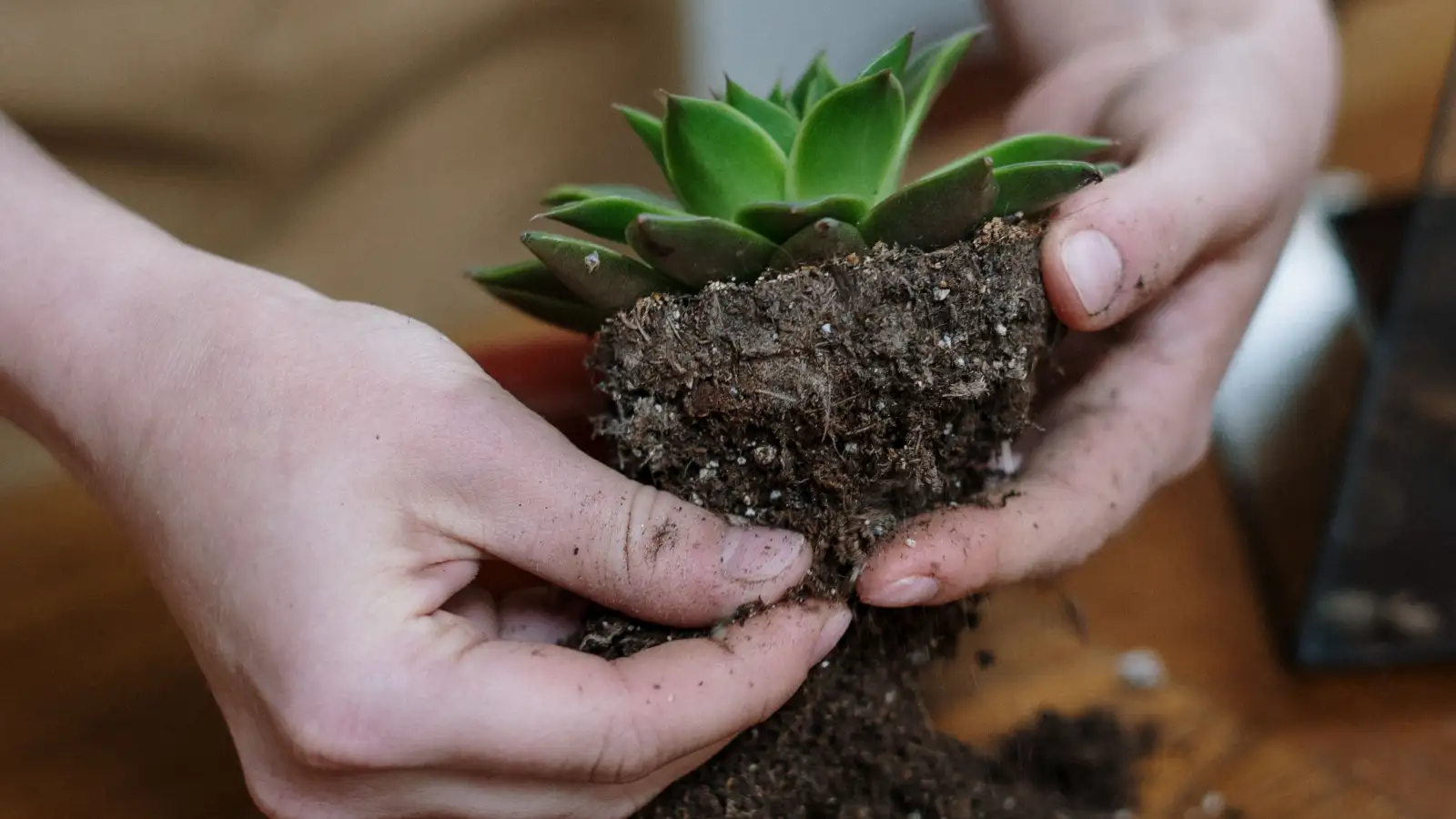
Repotting Isn't Always the Rescue a Stressed Succulent Needs
Repotting a stressed succulent helps only when the problem is in the root zone. Learn how to read roots, stems, and soil before deciding to repot.
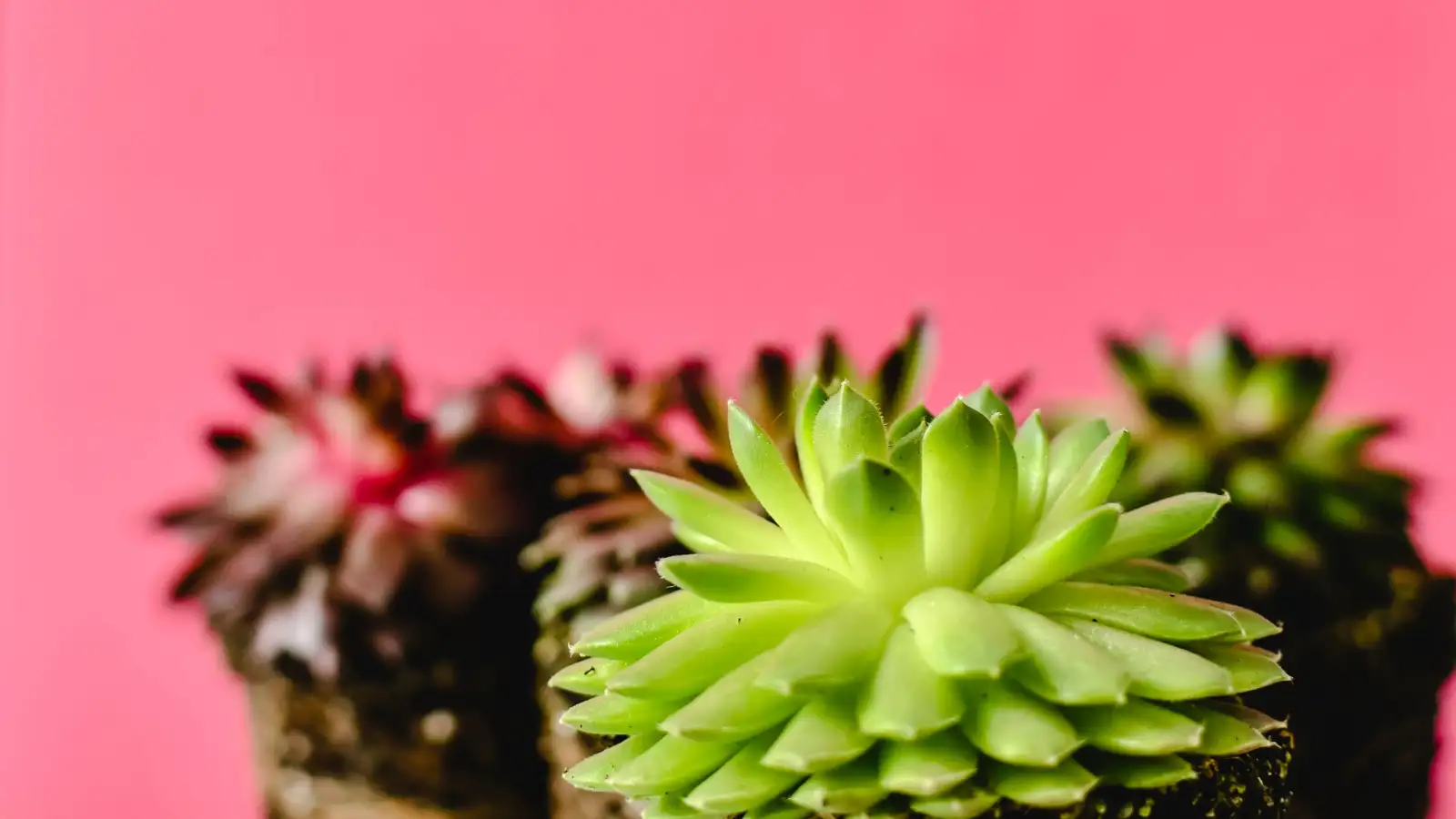
When Roots Have Rotted, Cut and Reroot the Healthy Top
When roots and stem base rot during repotting, cut above firm tissue, callus the healthy top two to five days, and set it on dry succulent mix. Save fallen leaves the same way.
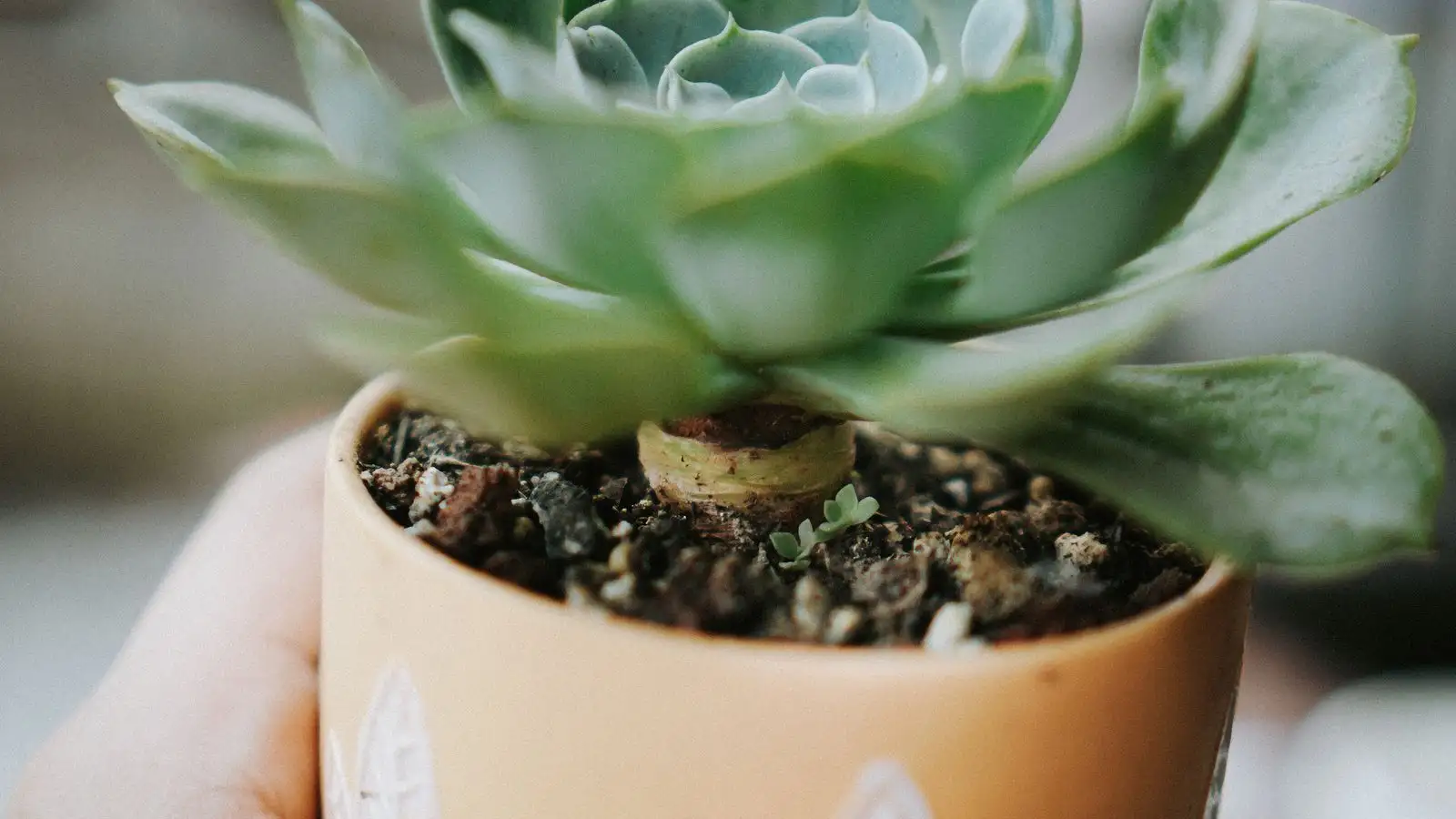
Overwatered Succulent? Repot Now Before Rot Starts
Repot a saturated succulent right away into dry grit and a clean pot with drainage. See root inspection, edema signs, and the correct first-watering wait.
Sunburned Succulent? Repotting Now Can Set It Back
Sunburned or frost-scarred succulent leaves are surface damage, not root disease. Repotting now adds transplant shock. Here’s how to help it recover.