When Roots Have Rotted, Cut and Reroot the Healthy Top
When roots have rotted during repotting, the only safe move is to cut the healthy top off above the rot, let the cut callus in dry air for two to five days, and set it on dry succulent mix until roots form. Whole-plant repotting is no longer possible once the roots or stem base have turned black, mushy, or hollow.
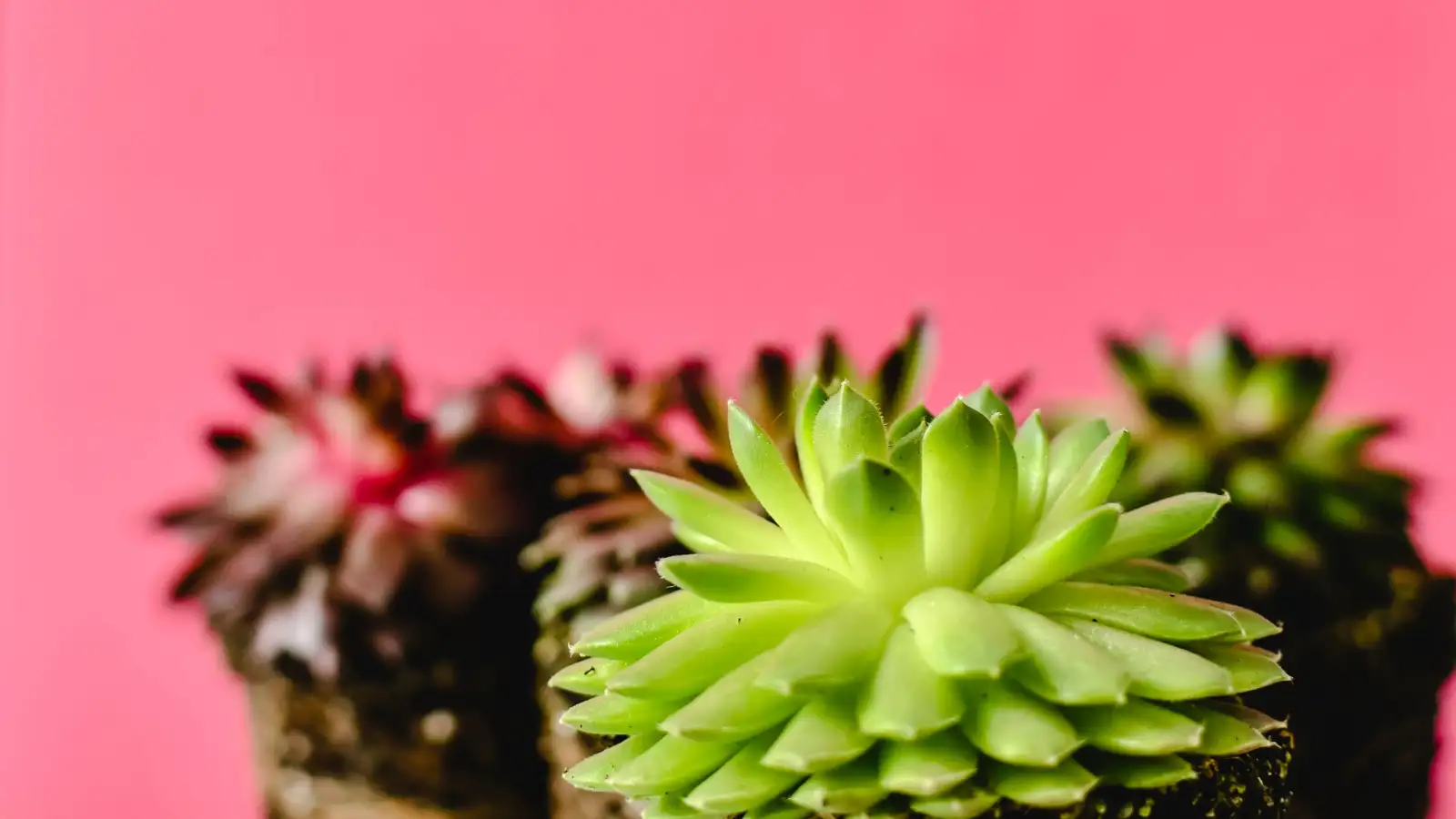
I treat this as salvage, not propagation. The plant has already lost its roots. If I try to nurse the rotten root ball, the rot moves up into the stem, and by the time I notice, the top is gone too. This is the one situation where cutting is not optional.
When I pull a succulent out of the pot and the roots slough off in my fingers, or the stem at soil level sinks under my thumb, I stop repotting. That's the point of no return. A few dead roots can be trimmed if the rest of the root mass is firm and white or tan. But if the entire root system is dark, waterlogged, or smells sour, or if the base of the stem is soft, the roots are beyond safe salvage. I don't try to dry them out or repot them deeper. I cut above the damage.
The cut itself is where most people lose the plant. I use a clean knife or a fresh razor blade, and I wipe it with 70% isopropyl alcohol between cuts. Scissors can crush the stem, which turns into a bruised, rotting edge. I cut straight across the stem, not at a steep angle, because the goal is a clean cross-section I can inspect.
Then I look at the cut surface. Healthy succulent tissue is firm and pale green or white, sometimes with clear sap. Rot is brown, gray, or black, and it yields to pressure. If I see any brown streak, dot, or a hollow dark center, I cut higher. I keep cutting until the cross-section is perfectly clean, even if that means I'm left with only a small terminal rosette. One speck of brown vascular tissue left in the stem will kill the cutting later. I learned that by losing cuttings that looked fine on the outside but were brown inside.
How long to callus depends on the thickness of the cut. For most fleshy succulents, I let the cutting sit in open air out of direct sun for three days. A thin stem may seal in two days; a thick Echeveria or cactus stem may need five to seven days. The test is touch: the cut end should feel dry and leathery, not wet or tacky. If it still feels damp, I wait. Callus is the barrier that keeps soil fungi and bacteria out of the open wound. Without it, a dry-looking cutting placed on mix can still rot from the cut end.
Once the cut is sealed, I set the cutting on dry succulent mix. I don't bury the stem in wet soil. A shallow depression keeps it from rolling. I don't water. A rootless succulent has stored water in its leaves and stem; it does not need moisture from the soil to root. In fact, watering before roots exist is the second most common way these cuttings die. The first is leaving rot in the cut.
The medium should be dry and gritty, the kind I'd use for a healthy succulent. I keep the cutting in bright indirect light for the first week or two. Direct sun on a rootless plant is a stress it can't handle yet, because it loses water through its leaves faster than it can replace. An east-facing windowsill or a spot under a sheer curtain works. If the leaves start to shrivel a little after a few weeks, that's the cutting using its reserves, not a signal to soak it. I don't water until I see roots, and even then I water lightly around the roots only.
Which part of the plant I save depends on where the rot stopped. If the roots are gone but the stem is still firm, I take a stem cutting with the rosette attached, cutting an inch above the rot line. If the rot is working up the stem and the lower stem is soft, I cut higher and keep only the terminal rosette, removing a few lower leaves to expose a short clean stem. If the stem is brown all the way into the center of the rosette, the top won't survive, but individual healthy leaves might. Leaves that snap cleanly from the stem with no brown at the attachment point can root. I throw out any leaf with black at the base; it will rot before it roots.
Fallen leaves from a rotted plant follow the same dry rule. I air-dry healthy leaves in bright indirect light for two to three days until the torn end seals. Then I lay them on dry succulent mix, not buried. I don't mist them. Misting before roots appear turns leaves into mush. Once a leaf pushes out a root or a tiny pup, I move it into brighter light and water the mix lightly around the roots. Until then, dry air and dry medium are safer than any moisture.
The rerooting period is not a time for fertilizer, deep watering, or direct afternoon sun. The saved cutting is running on stored energy, and the worst thing I can do is force growth before the roots can support it. I check for roots by gently tugging after a few weeks, but I don't lift the cutting repeatedly; that breaks new roots. When roots are a half inch to an inch long, I start treating the cutting like a rooted plant, gradually increasing light and giving small, deep waterings only when the mix is dry.
There is a limit to this. If the rot has reached the center of the rosette and every leaf base is black, there is nothing left to save. I don't keep cutting into mush. I discard the plant and clean the pot with hot water and a brush before reusing it. The same goes for a cutting that continues to soften after callusing; that means rot was still inside, and no amount of dry mix will stop it.
This is not the same as taking cuttings from a healthy plant during repotting. I don't cut a stressed but otherwise sound succulent just because it's out of its pot. I cut only when the roots are dead and the rot is moving upward. If the roots are firm and the plant is just dehydrated or sunburned, I repot it whole and let it recover. The distinction matters because cutting a stressed plant that still has a working root system slows it down for no reason. But when the roots are gone, cutting is the only route left, and doing it cleanly and dry is the difference between a saved rosette and a pot of mush.
Educational content only: check with a qualified horticulturist, licensed pesticide applicator, or your local extension office before acting on anything specific.

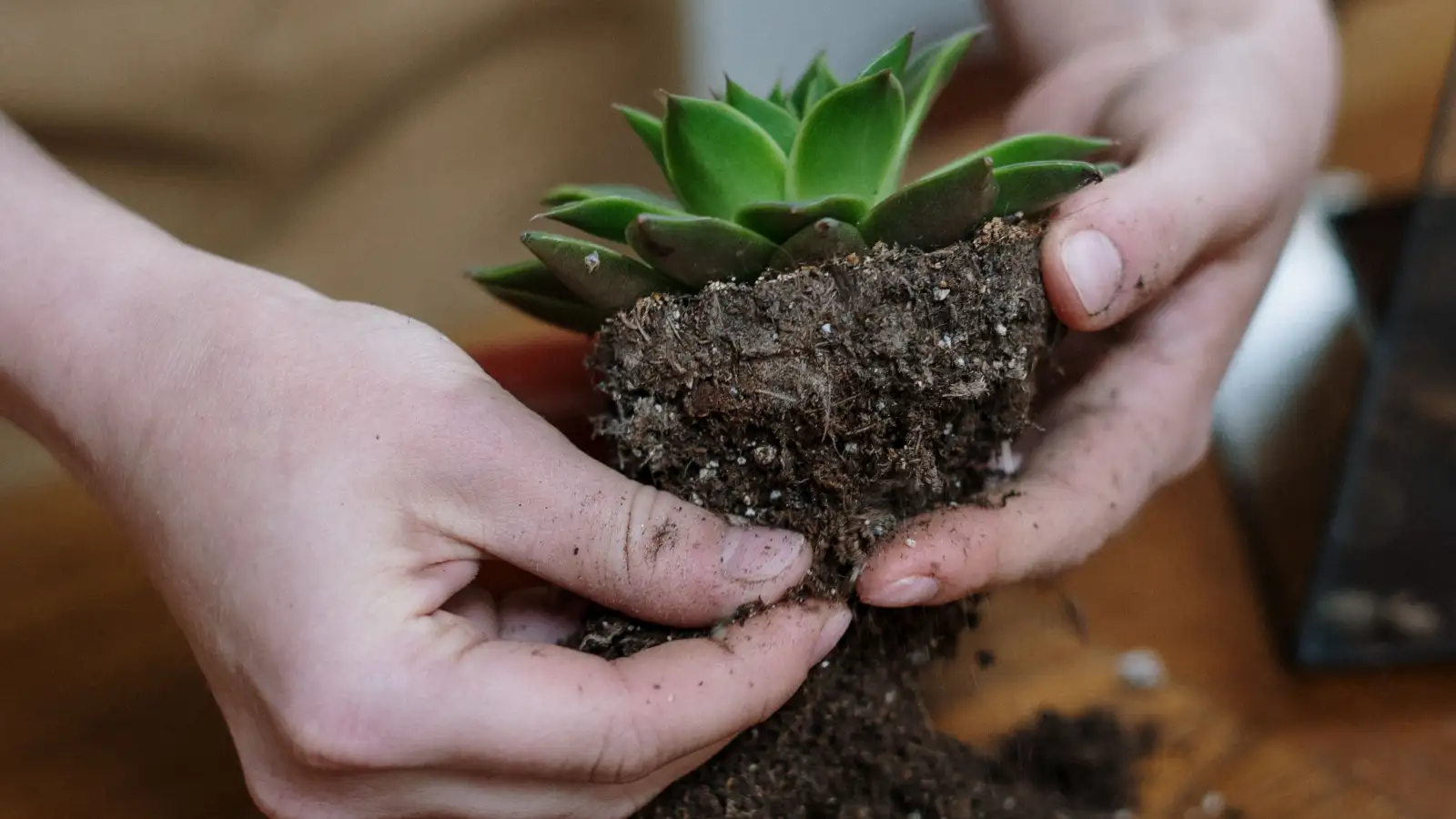
Repotting Isn't Always the Rescue a Stressed Succulent Needs
Repotting a stressed succulent helps only when the problem is in the root zone. Learn how to read roots, stems, and soil before deciding to repot.
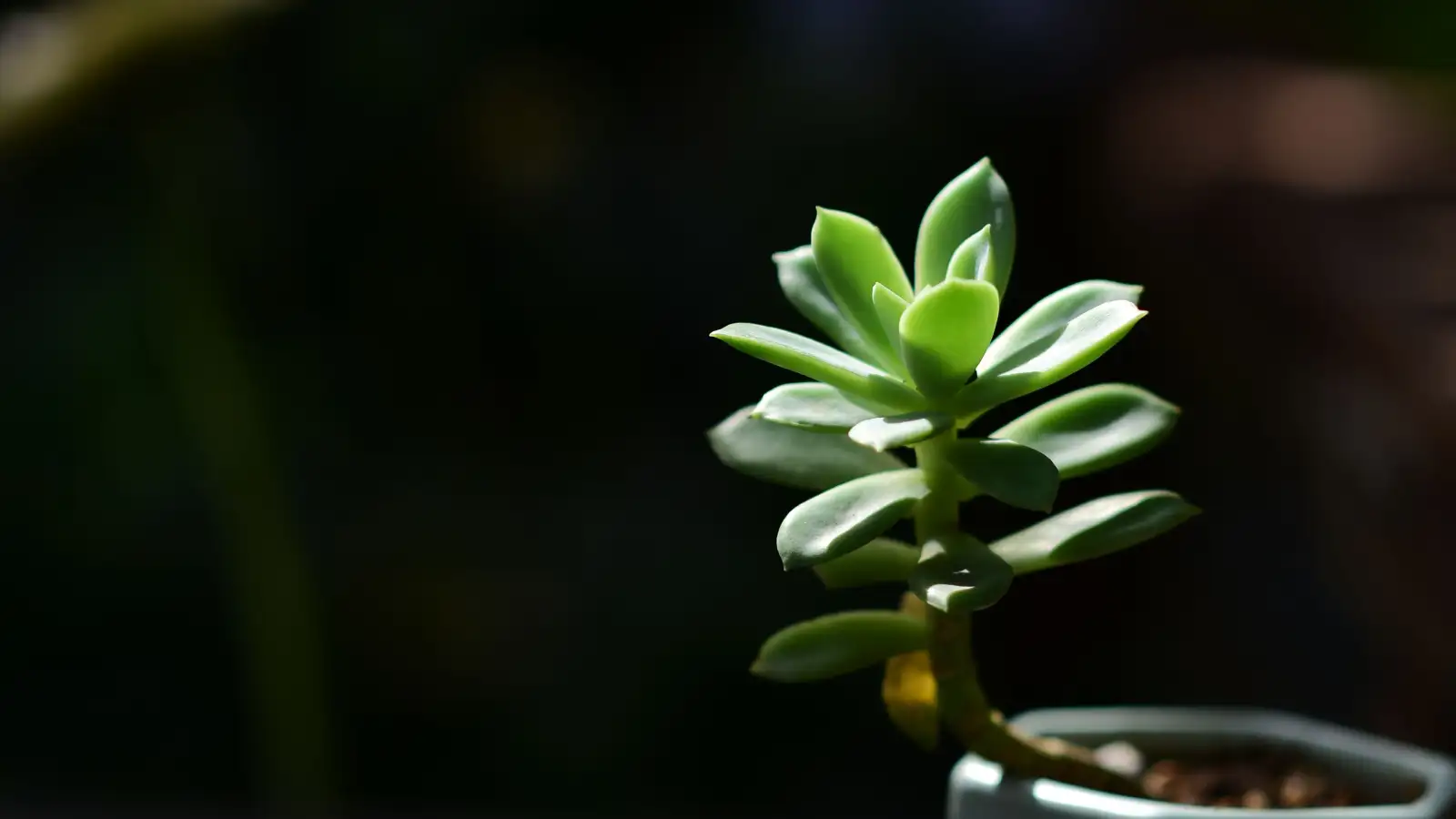
Root Rot Emergency Repot Before You Lose the Plant
Dark soft roots, sour soil, or a mushy stem base mean root rot. Remove all old soil, cut rotted tissue, dry bare-root, and repot in fresh dry mix. No water yet.
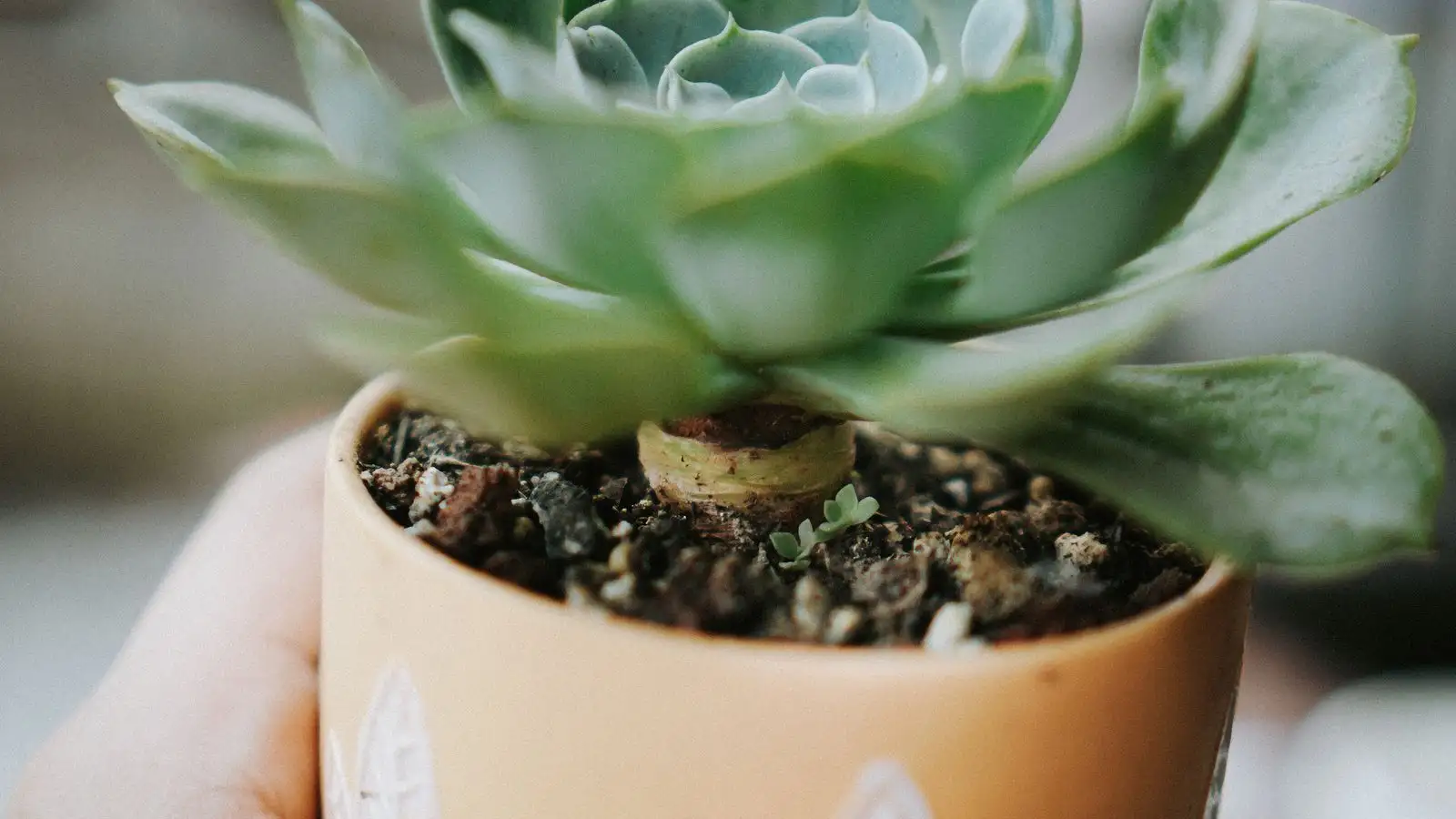
Overwatered Succulent? Repot Now Before Rot Starts
Repot a saturated succulent right away into dry grit and a clean pot with drainage. See root inspection, edema signs, and the correct first-watering wait.
Sunburned Succulent? Repotting Now Can Set It Back
Sunburned or frost-scarred succulent leaves are surface damage, not root disease. Repotting now adds transplant shock. Here’s how to help it recover.