Overwatered Succulent? Repot Now Before Rot Starts
When a succulent is saturated or blistered but not yet rotting, repot it now into dry, fast-draining grit and a clean pot with drainage, then hold off watering until the roots heal and the top few inches of mix are dry. This repot is the reset, not a follow-up watering.
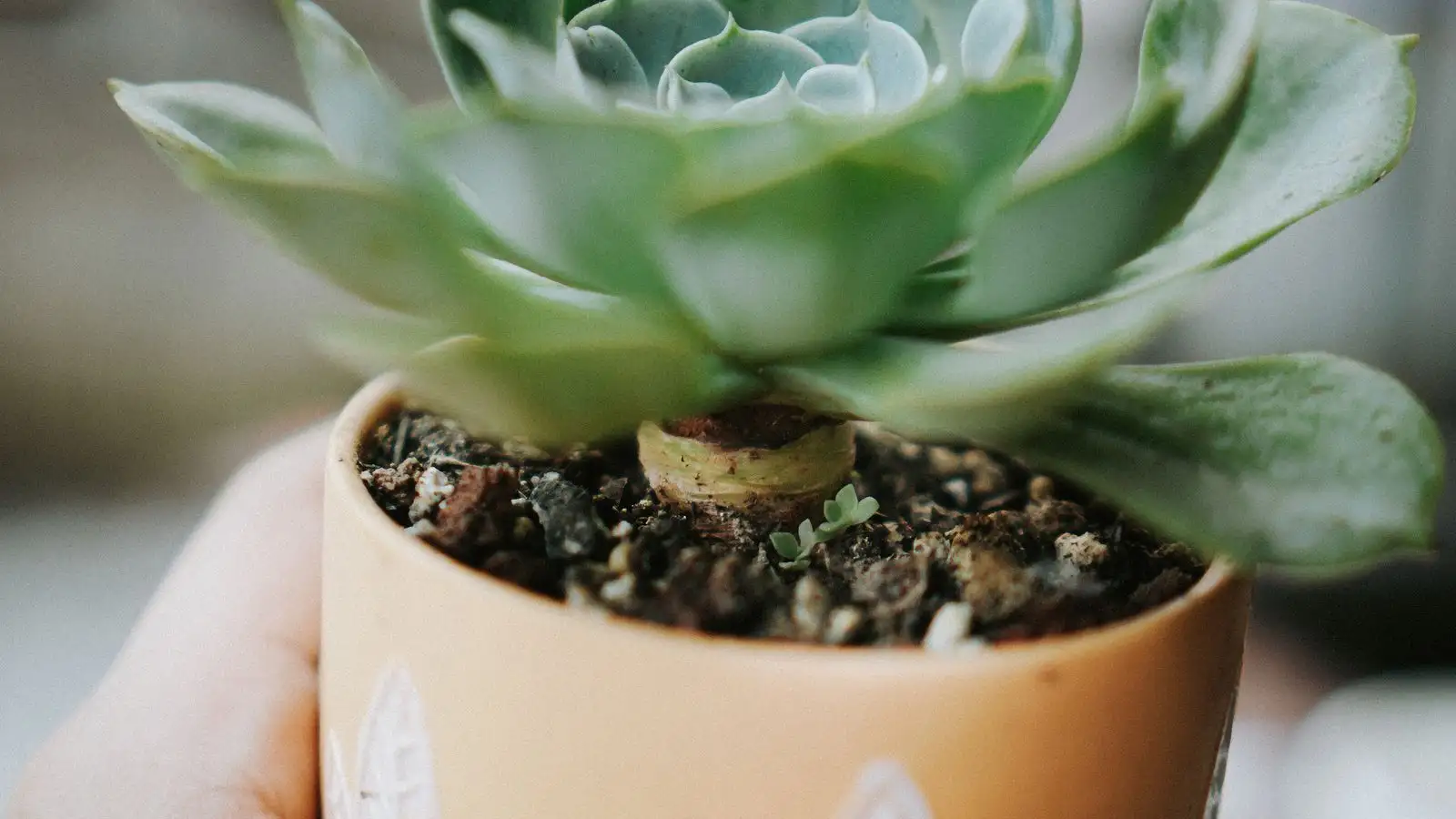
I’ve pulled enough of these plants out of soggy nursery pots to know that the window between water stress and root rot is small. I used to think I could fix overwatering by waiting longer between drinks. In practice, the wet soil keeps doing damage while the plant sits in it. So now I move the plant out of that soil before I do anything else.
What water stress looks like before rot
I separate water stress from rot by what I can see and feel. On the leaves, edema shows up as small corky or scab-like blisters, often on the undersides, and some lower leaves may turn translucent and soft without turning black. The pot feels heavy, and the soil stays wet for days after what I thought was a normal watering. When I tip the plant out, I might see roots that are brown or yellow, but they still have some firmness. That is the window. If they are dark, mushy, and smell sour, that is rot, and this repot will not be enough. But if the roots are waterlogged and still structured, this is the right move.
Why I repot instead of just waiting it out
I do not start by changing my watering schedule alone. I start by changing the environment around the roots. A plant sitting in peat-heavy mix that holds water cannot dry out no matter how long I wait. Repotting into dry, gritty mix removes the constant moisture source and gives the water-swollen roots a chance to recover. A clean pot with drainage is not optional. If the pot has no hole, the new mix fails the same way. I reuse a pot only after scrubbing it with hot water and letting it dry completely.
The repot: dry grit and a clean pot
I work on a folded towel over the kitchen table. I squeeze the nursery pot to loosen the root ball, turn it sideways, and support the stem instead of pulling. If the old soil is dense and muddy, I set the root ball on paper towels for 15 to 30 minutes so some excess water wicks out. Then I use my fingers or a wooden chopstick to gently crumble wet soil away from the outer edges. I do not wash the roots under water, because adding more water to already-swollen roots can split them and open a path for rot. For stubborn pockets, a dry soft paintbrush or toothpick works from the outside inward. Some root hairs will tear; that is fine. The goal is to remove the soaked old soil, not to make the roots spotless. If I see one or two roots that are already soft and gray, I pinch them off with clean fingers, but I do not do a major root prune when the overall root system is still viable.
For the new medium, I use a fast-draining mix that is at least half inorganic grit: pumice, perlite, coarse sand, or chicken grit. I do not chase a brand. I care how it behaves in my hand. A squeezed handful should fall apart when I open my hand, not hold a clump. I fill the clean pot and set the root ball so it sits slightly proud of the rim at first. I do not pack the mix down. I tap the pot on the table a few times to settle the particles, then top off. I do not water. This is where a lot of people lose the plant: they repot and then drench the mix to settle it. For a water-stressed succulent, the dry mix is the treatment. A wet reset is not a reset.
The first water after repotting and the next few weeks
I wait. The roots have micro-tears from the repot, and wet soil can rot them at those breaks. I set the plant in bright, indirect light, not direct sun, for the first week. I check the pot weight. After five to seven days, I poke a wooden skewer down the side of the pot; if it comes out clean and dry and the pot feels light, I still wait for a real drought signal on the plant itself: lower leaves slightly wrinkled or less plump, not translucent. In cool or humid conditions, or if my mix was a little damp from the bag, that first wait can be ten to fourteen days. The right moment is when the roots have callused and the mix is dry, not when a calendar says to water.
Once I do water, I do not go back to a heavy pour. For the next few weeks, I use smaller measured amounts: enough to wet the lower root zone, not enough to run heavily out the bottom and soak the whole pot. Sometimes I set the pot in a shallow dish and let the mix wick up water from below for ten to twenty minutes, then remove it and let it drain completely. Bottom watering lets the lower roots get moisture while the upper stem and leaves stay dry. I do not water again until the pot dries. The sign I am watching for is new growth at the center that is firm and green, not translucent or blistered. Once that shows up, I know the roots are working again and I can gradually return to infrequent, deep soaks, but only if the pot dries between.
When water stress has already become rot
If after repotting the plant gets worse, I stop waiting. Lower leaves turning black or mushy, a soft stem, sour-smelling soil, or edema spots that weep and spread mean the problem has moved past water stress into rot. I unpot again, cut away any black or mushy roots and stem with a sterilized blade, and cut upward until I see clean, firm tissue. I let the cut callus in open air for a day or two, then repot into dry grit and wait longer before the first water. If the stem base is brown and hollow when I cut, I keep cutting until the tissue is clean. This is emergency surgery, not patience.
Educational content only: check with a qualified horticulturist, licensed pesticide applicator, or your local extension office before acting on anything specific.

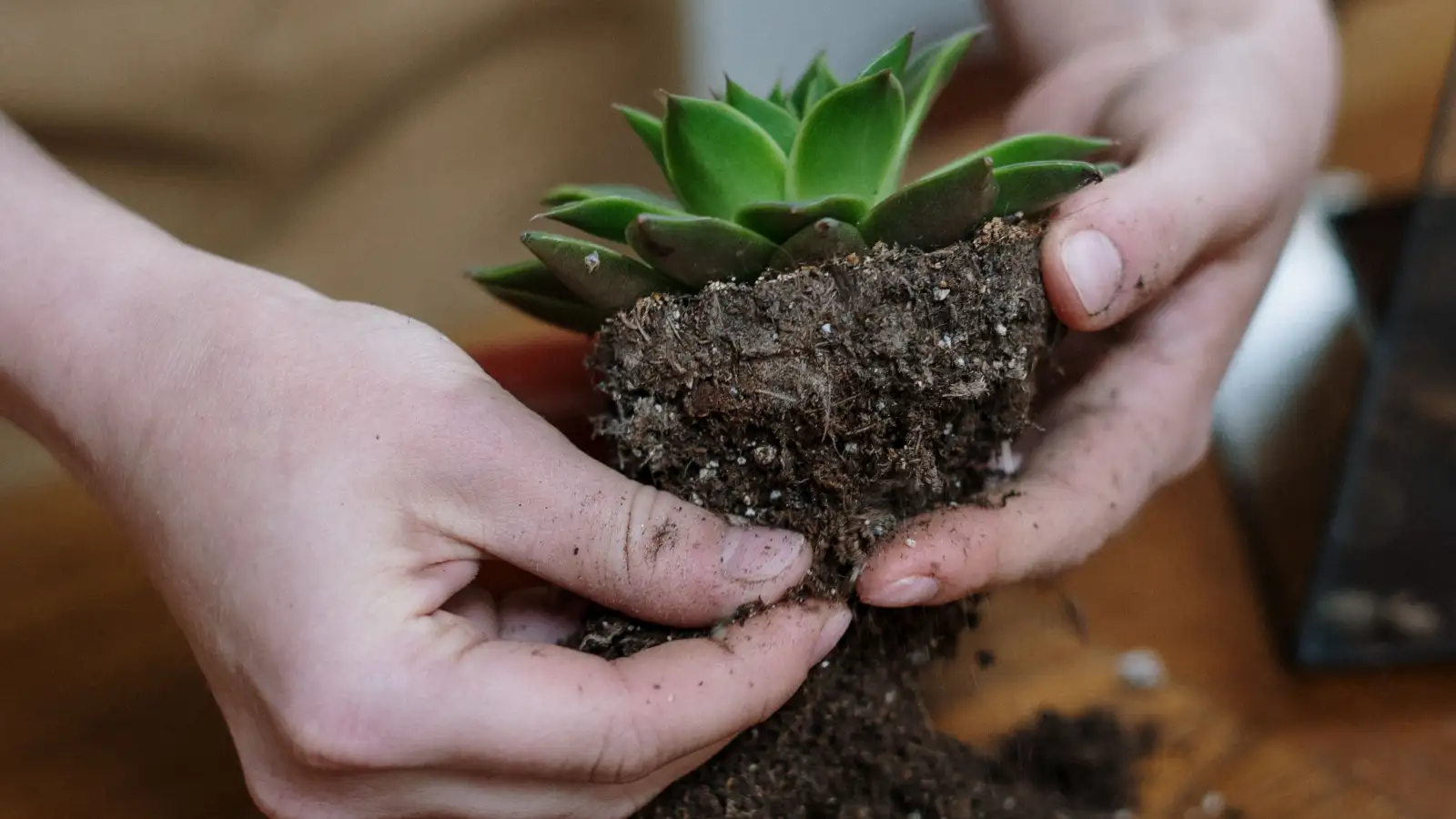
Repotting Isn't Always the Rescue a Stressed Succulent Needs
Repotting a stressed succulent helps only when the problem is in the root zone. Learn how to read roots, stems, and soil before deciding to repot.
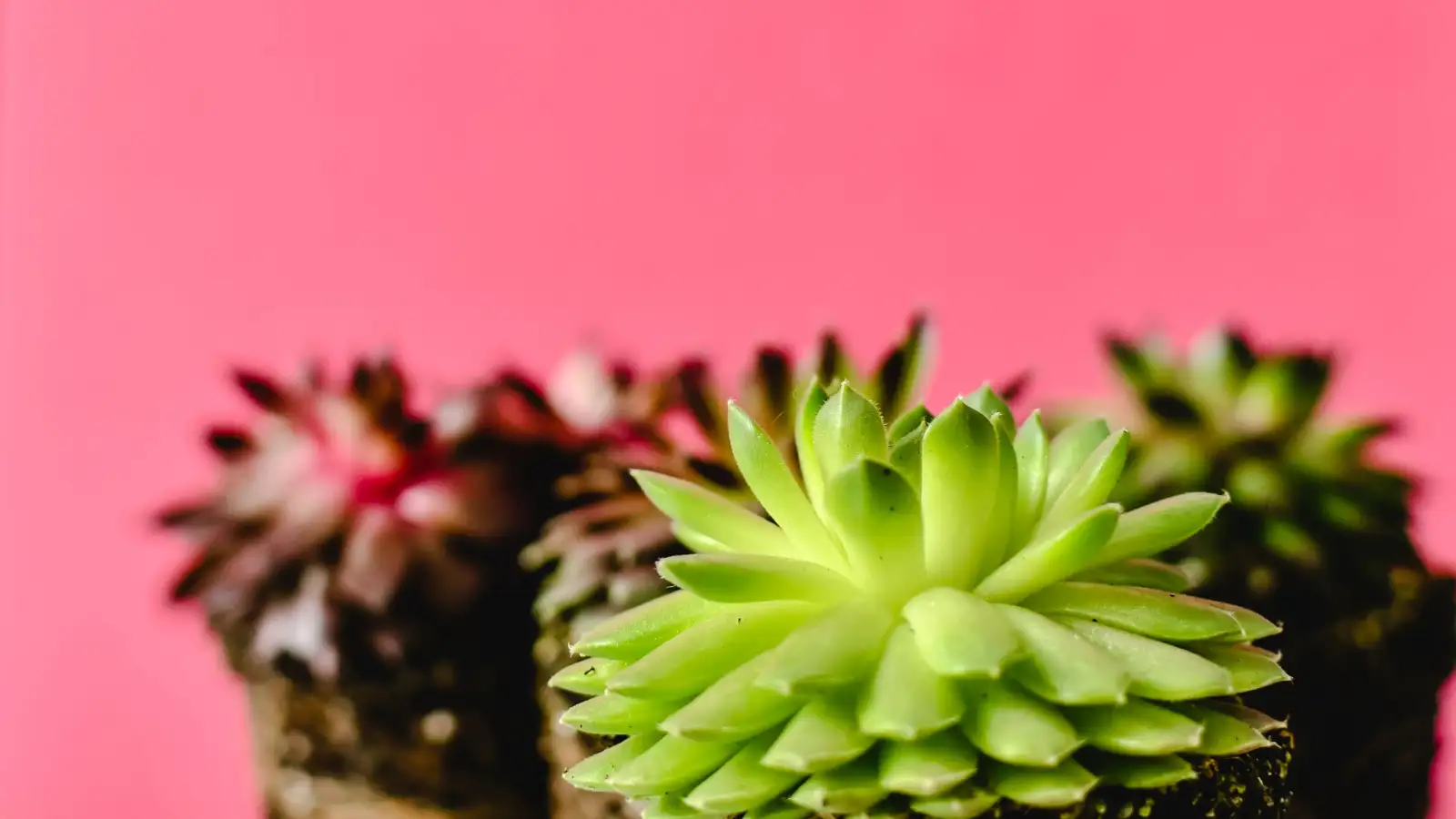
When Roots Have Rotted, Cut and Reroot the Healthy Top
When roots and stem base rot during repotting, cut above firm tissue, callus the healthy top two to five days, and set it on dry succulent mix. Save fallen leaves the same way.
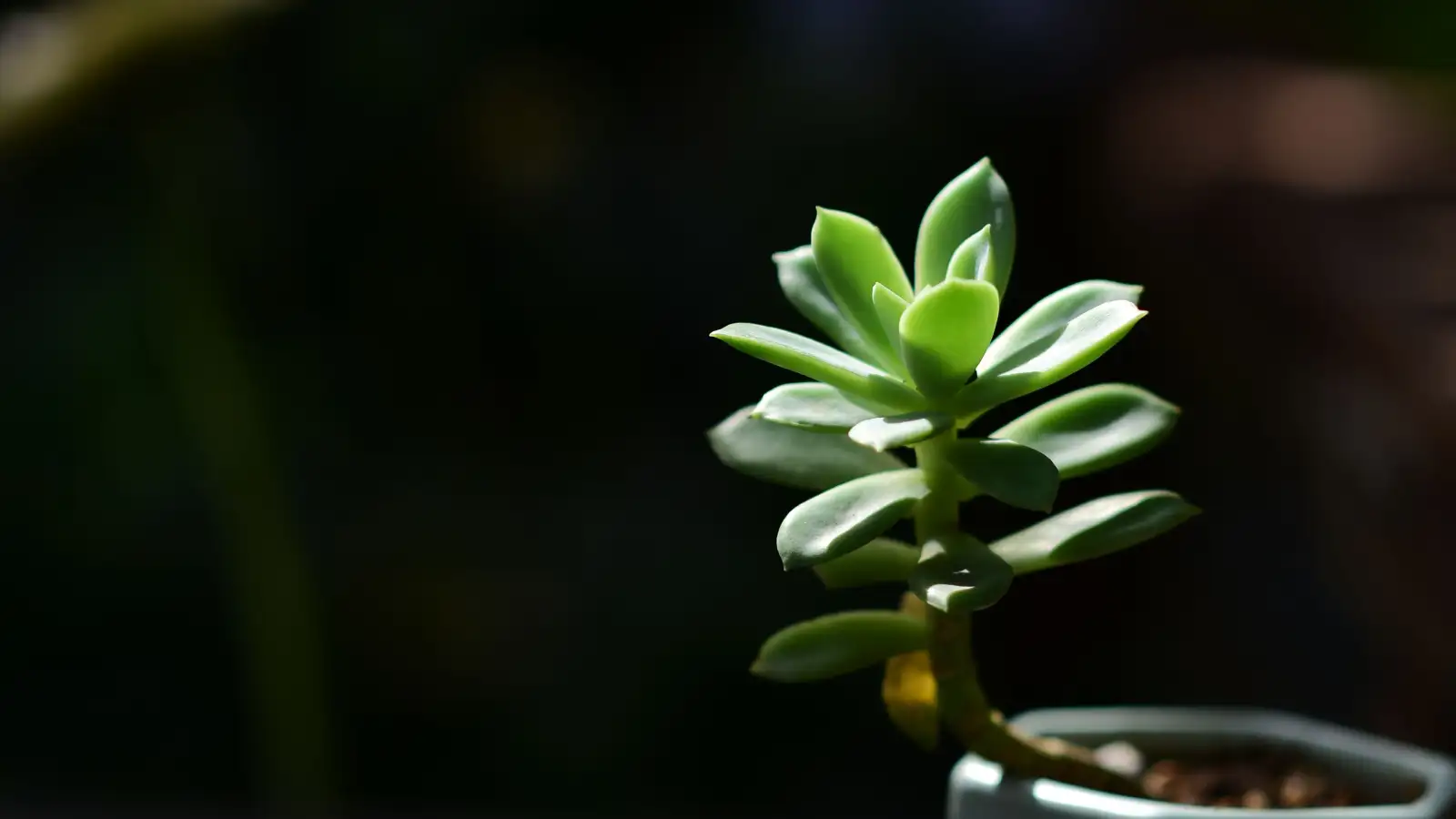
Root Rot Emergency Repot Before You Lose the Plant
Dark soft roots, sour soil, or a mushy stem base mean root rot. Remove all old soil, cut rotted tissue, dry bare-root, and repot in fresh dry mix. No water yet.
Sunburned Succulent? Repotting Now Can Set It Back
Sunburned or frost-scarred succulent leaves are surface damage, not root disease. Repotting now adds transplant shock. Here’s how to help it recover.