White Specks on Your Succulent Aren't Always Aphids
White specks on succulents aren't always aphids. Use position, movement, and residue to tell aphids from mealybugs, scale, thrips, and spider mites.
Pest-specific identification, damage-pattern cues, and treatment options for common succulent pests.
White specks on succulents aren't always aphids. Use position, movement, and residue to tell aphids from mealybugs, scale, thrips, and spider mites.
Yellowing with no watering change usually means root mealybugs or scale feeding below the soil. How to check the root ball, read the wax, and treat.
Eggs hatch in 3 to 6 days, larvae feed for 10 to 14, pupae rest for 4 to 6. Here's the repeat schedule that ends fungus gnats in succulent pots for good.
Aphids on a succulent aren't solved by a product. Confirm the colony, match removal to the leaf surface and light, then verify clean growth before it returns.
White cottony spots on a succulent are usually mealybugs or scale, not mold. Isolate the plant, remove the insects by hand, and treat at label rates.
Learn to tell fungus gnats from fruit flies, whiteflies, and shore flies on succulents by where they stand, how they fly, and the shape of the adult.
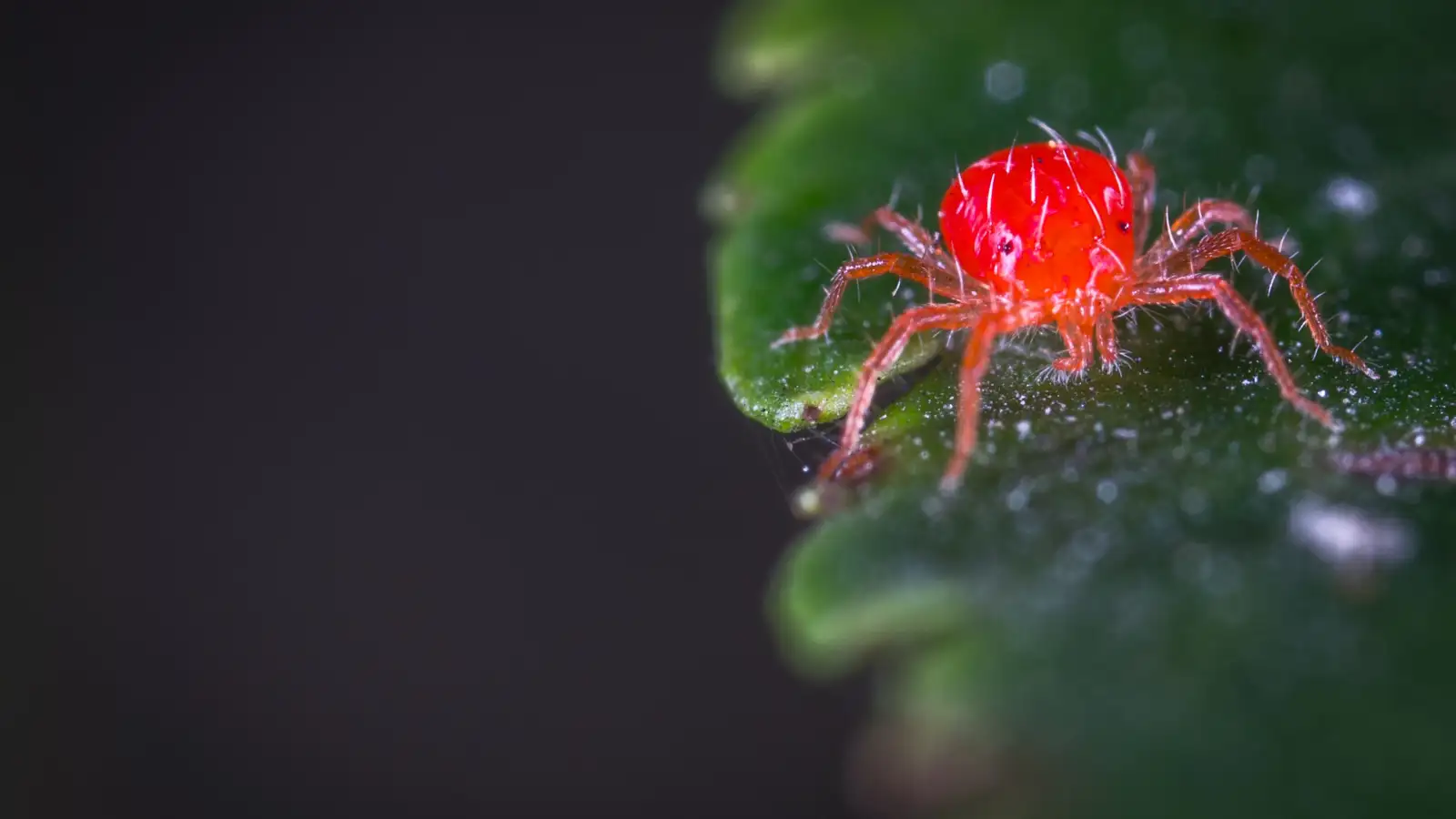
One spray kills the adults and leaves the eggs. Here's the repeat interval, why temperature sets it, and how many rounds to keep going after the last mite.
Scale treatment fails when you spray adults. Hit the crawler window instead: how to find it with tape, time the second application, and know when to stop.
Dry the top inch, trap the adults, drench with Bti, and repeat on the gnat life cycle. A four-week schedule that treats every succulent pot at once.