Aphids on Your Succulent? The Order That Saves the Plant
Aphids on a succulent are solved by sequence, not by product choice: confirm the colony is actually aphids, pick a removal method that the leaf surface and the light can both survive, then keep the plant off the shelf until a full push of new growth comes in clean. Get the order wrong and you will be back at the same pot in two weeks, usually with a plant that picked up a permanent scar where the spray hit it.
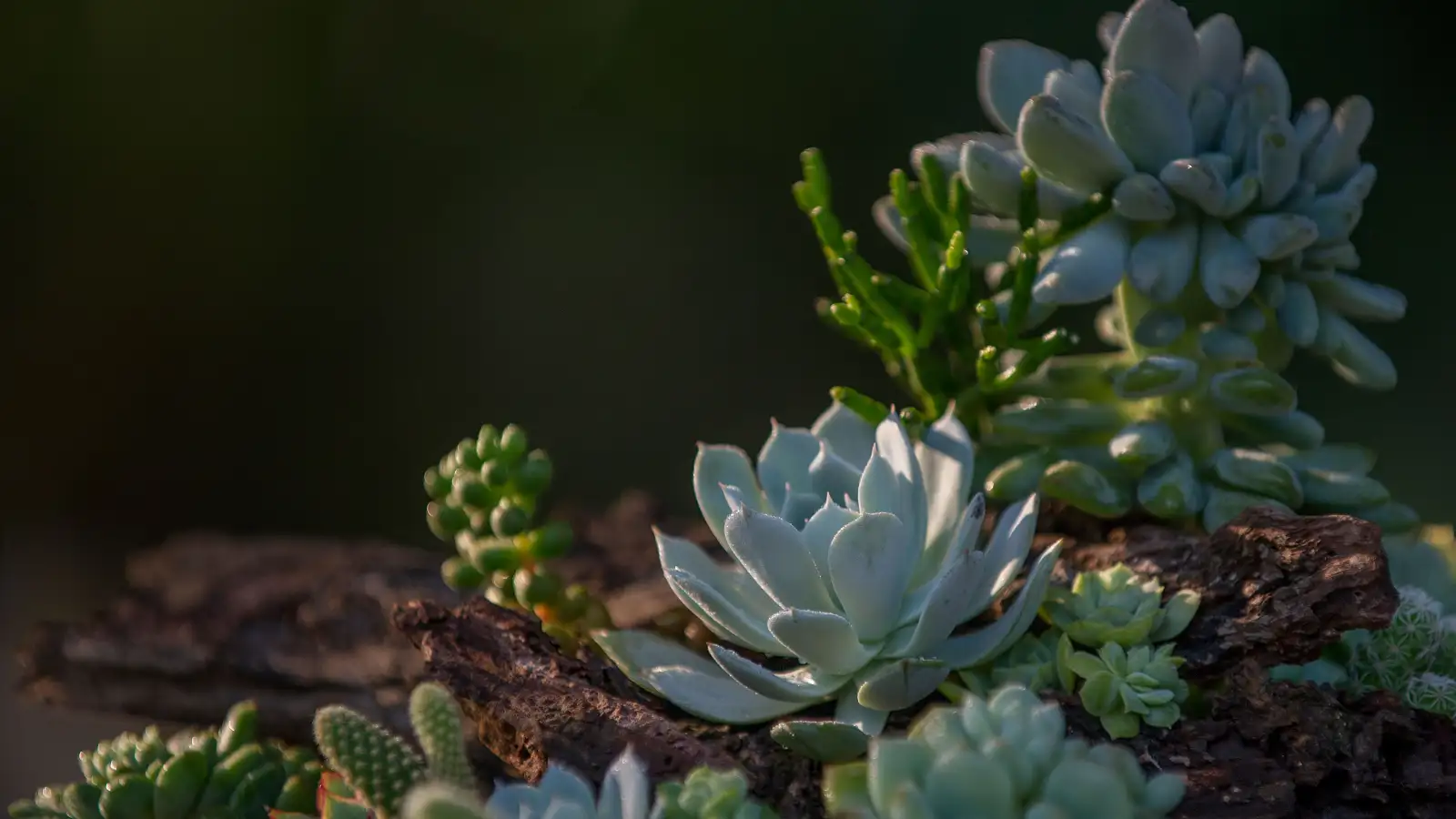
I do my first check after dark, with the room lights off and a small flashlight held almost parallel to the leaf. Honeydew is what gives it away before I find a single insect. That thin, tacky film catches the beam and turns a matte leaf greasy-looking. I run a fingertip along a leaf edge and it comes back slightly sticky. That is sugar water, and on a succulent it means aphids, scale, or mealybugs, and the next two minutes tell me which.
First, confirm it is aphids and not the three things that mimic them
Then I tilt the pot toward me and look at the places I would rather not: the tight crown where the new leaves are still packed together, the little V where a leaf meets the stem, and the flower stalk if there is one. New growth, buds, and axils are where colonies live. Lower, older leaves are usually clean, which is exactly why people miss the infestation for a week.
What is there is small, maybe a sixteenth of an inch, soft-bodied, clustered in what is often several generations at once. Some are pale green, some grayish; on my plants the ones tucked into the crown read almost translucent against the farina. If the whole cluster is stuck to the leaf and does not move when I touch it, that is likely aphid mummies, already killed by something else, and worth knowing before I spray a plant that is partly handling the problem on its own.
Then I confirm with the shape of the damage. Aphids do not chew. They poke and suck, so the new leaves come in curled, puckered, twisted, or simply smaller than the ones before them. Holes with chewed edges mean a different pest and a different plan. Mealybugs sit in the same axils but leave white cottony fuzz. Scale sits still and scrapes off under a fingernail.
And then I follow the ants. If there is a trail going up the pot leg, or in and out of the drainage hole, that is not a coincidence and it is not a second problem. Ants farm aphids, carry them, protect them from lacewings and lady beetles, and they will restock a pot I just cleaned. I find where the trail starts and deal with both ends of it.
Second, match the removal method to the leaf, not to the pest
This is where people lose the plant's good looks while saving its life. Two leaf surfaces, two methods.
If the plant carries farina, that powdery silvery bloom I can rub off with a thumb, the layer does not come back on those leaves. Soap and oil sprays strip it. I learned that the expensive way on a plant I had owned for years. It is still alive; it just looks like it is wearing a smear. So on farina plants I go physical: a lukewarm jet of water, holding the pot at an angle so water clears the crown instead of pooling in it, or a cotton swab dipped in 70% isopropyl alcohol touched to each insect.
Two rules with alcohol. Never let it pool, not in the crown, not in an axil, not on a leaf tip, because standing alcohol is a solvent and it damages the tissue under it. And never in direct sun. Wet leaves plus direct sun is a burn, and a burn two days later looks like rot or fungal spotting and sends you down the wrong diagnosis entirely. I do the whole pass in the evening, in shade, with the grow lights off.
If the plant is smooth-leaved, insecticidal soap or a neem-based product is fair game, within the label. Two things to understand about how they work. They act by contact and smothering, so anything the spray does not touch is still alive, which means the undersides of the leaves and the growing point have to be wet, not just the top of the rosette. And they break down in light, so a single application is a knock-down rather than a cure, and the label will tell you how often to repeat.
Either way I test one leaf first. One leaf, then 24 to 48 hours, then look for pitting, burn, or a dulled surface. If that leaf is fine, I do the whole plant. And I use only what the label lists for that plant and that setting, mixed exactly as it says, with the re-entry timing respected even when it is just me and a houseplant on a windowsill. That timing exists because the residue is still active.
Third, stop judging the plant by leaves that are already damaged
This is the part I wish someone had told me years ago. The curled, puckered leaves are not going to flatten out. They are done. I have watched someone stare at a stunted leaf for three weeks waiting for it to open, conclude the treatment failed, spray it again, and that second spray is what actually hurt the plant.
Recovery is judged by the next push of growth. I give it a week to two, and I keep it away from the other pots the whole time, not on the same shelf, not sharing a saucer, and lower down if it was sitting above anything. Aphids give live birth for much of the season and do not need a mate, so one insect I missed can rebuild a colony in a week or two. That is not pessimism, it is the reason the waiting period is long.
Before each re-check I do the same flashlight pass in the same spots: crown, axils, undersides of the newest leaves, buds. If there is a flower stalk, cutting it is worth considering. Buds are prime aphid real estate and a stalk is a lot of surface area to inspect, so if I am not trying to save seed, removing it removes a hiding place. The pot rim and the saucer matter too, because honeydew collects there, and if it has been sitting a while, black sooty mold shows up on it. That mold feeds on the honeydew, not on the plant. It wipes off with a damp cloth, it stops spreading once the honeydew stops, but the spots already there do not vanish on their own.
Only when new growth comes in clean and at full size, with no curl, does the plant go back.
One honest tradeoff. On a badly infested plant where I do not care much about cosmetics, the aggressive route is fine and faster. On a farina plant, sometimes I accept losing the bloom on the sprayed leaves, because new leaves will come in with their coating intact and the plant will grow out of it. That is a judgment about what the plant is for, and nobody else can make it for you.
The order is the whole trick. Confirm, match the method to the leaf and the light, clear the colony, break the ant line, then wait out a full round of growth before it goes back on the shelf. When people tell me aphids keep coming back, it is almost always that last step they skipped.
Educational content only: check with a qualified horticulturist, licensed pesticide applicator, or your local extension office before acting on anything specific.

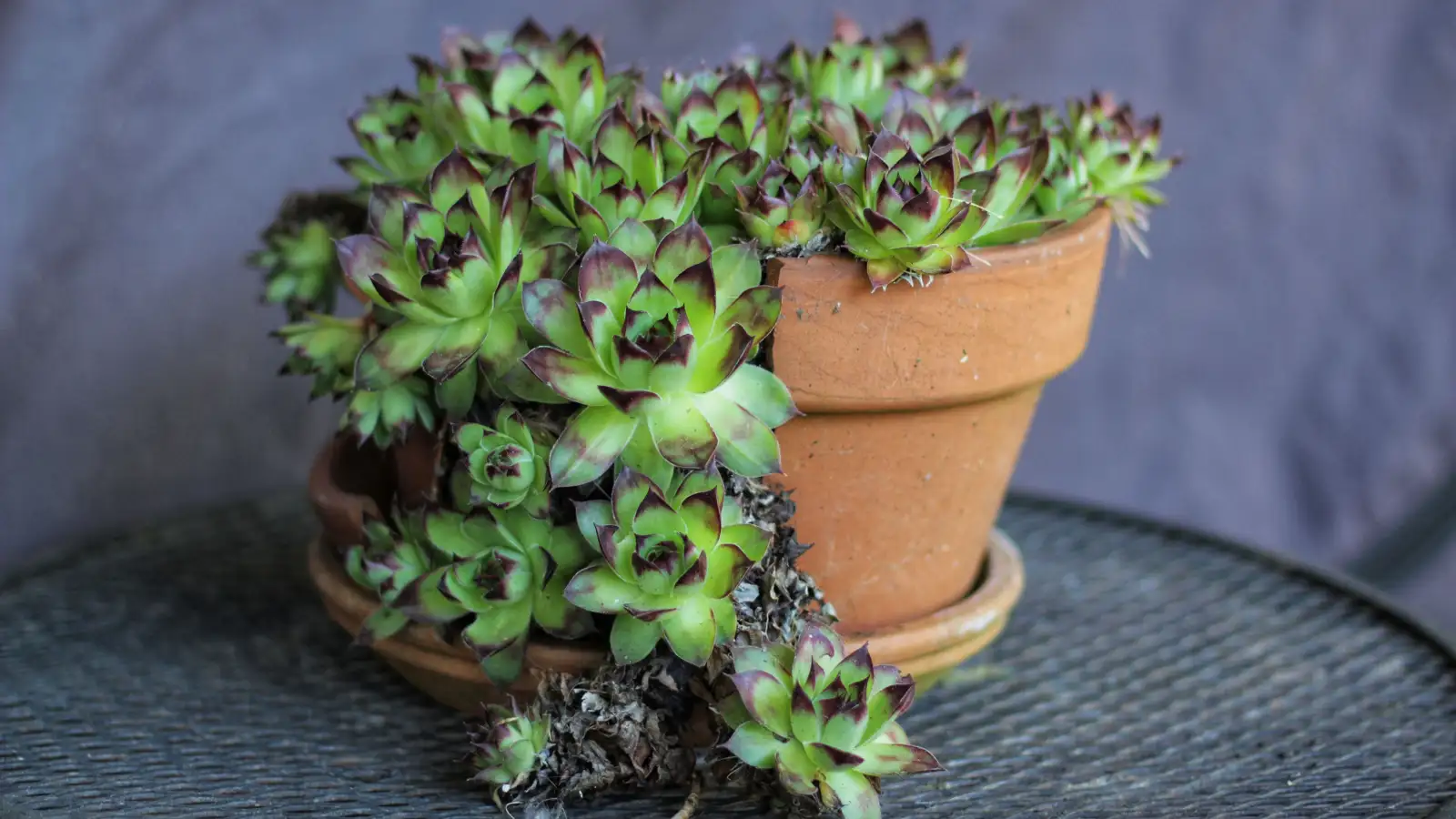
Why Are Your Succulent's Leaves Sticky and Turning Black?
Sticky leaves that turn black are honeydew plus sooty mold sitting on the surface, not rot. Wash it off, then find the insect still feeding above it.
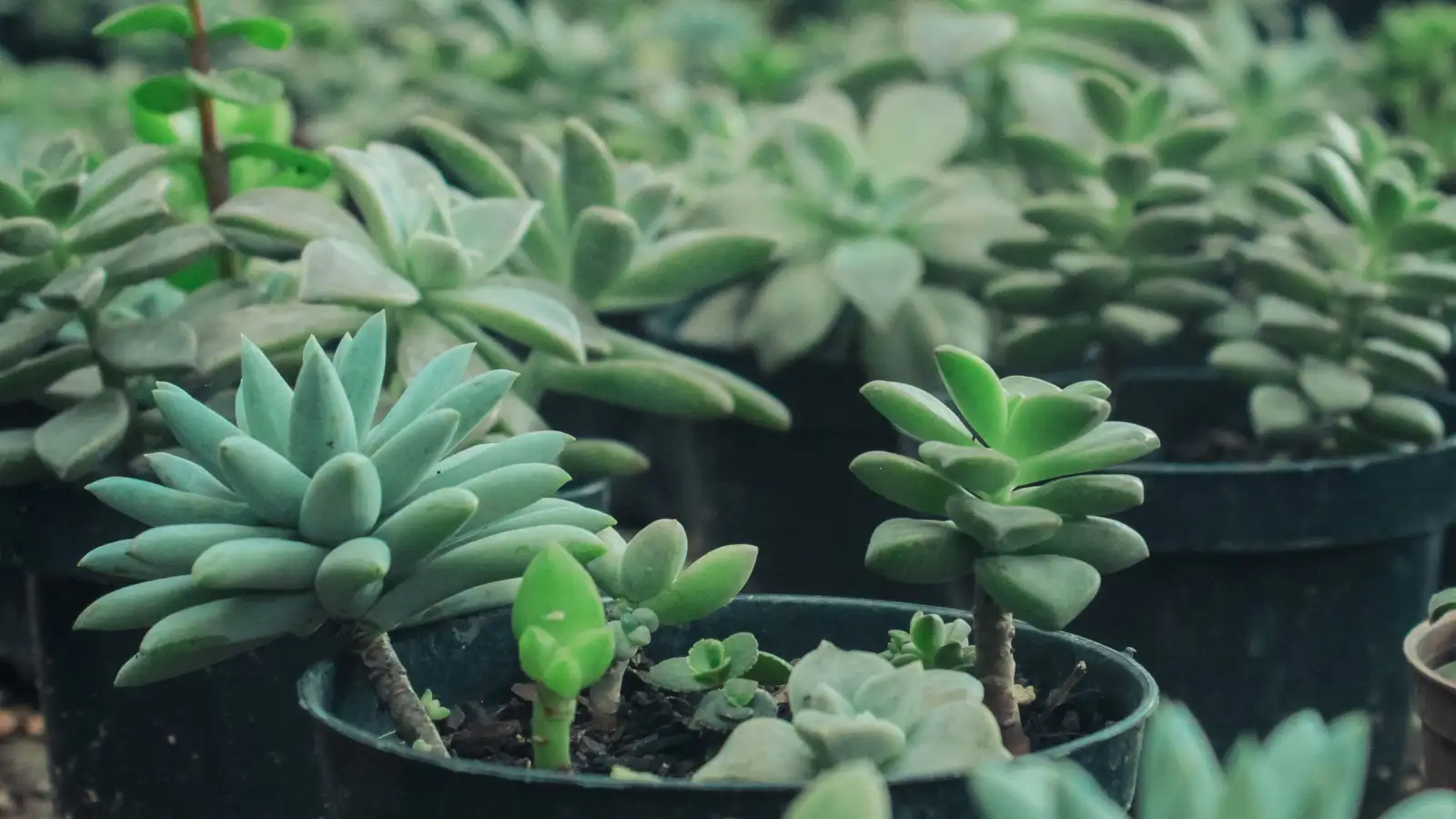
What a Grower Checks Before Spraying Anything on Succulents
Check the leaf surface before you spray a succulent. Farina and waxy bloom decide the method: water, alcohol swab, soap, or neem. Test one leaf first.
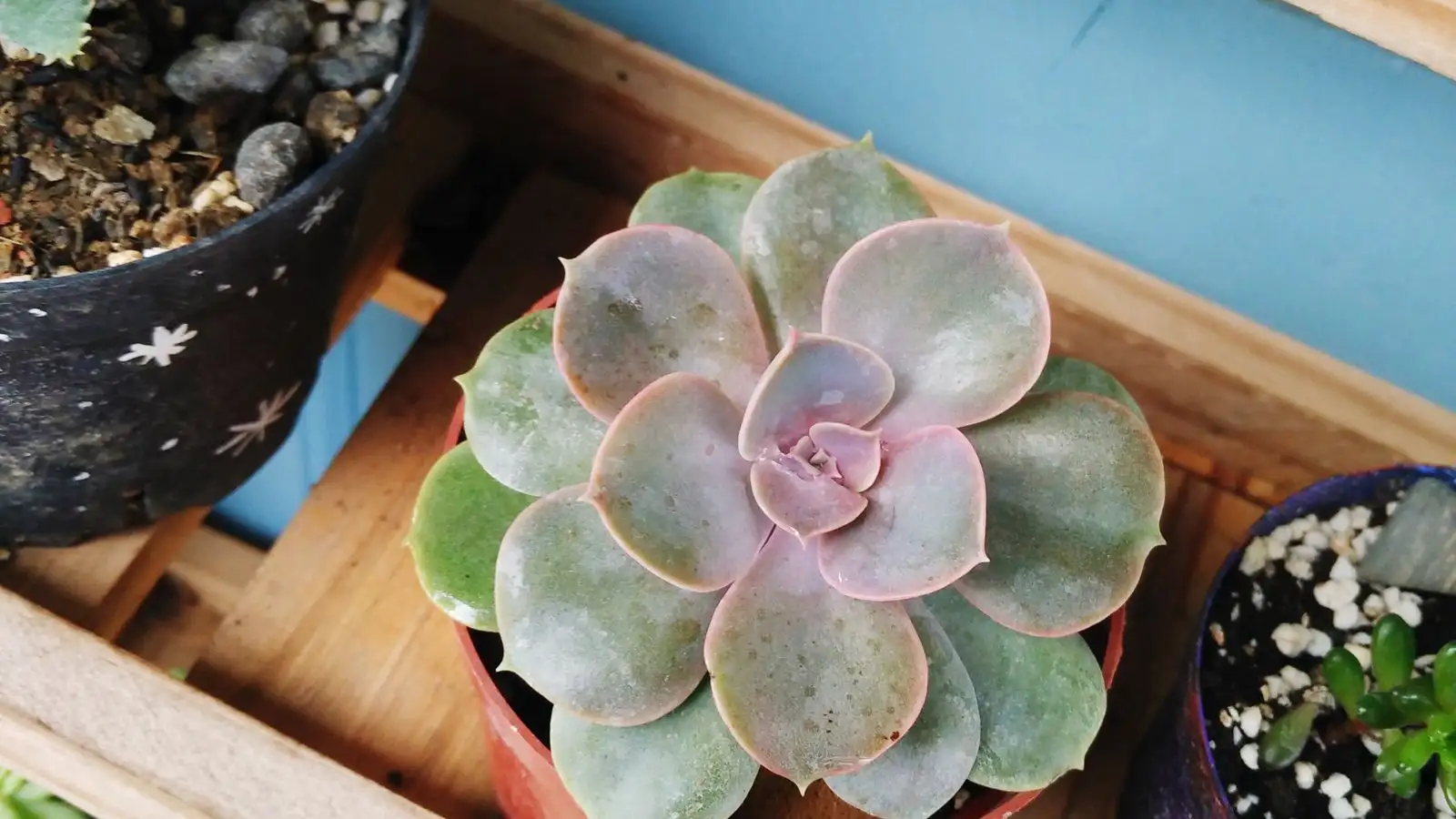
The First Two Weeks Decide If Aphids Spread to Your Shelf
A day-by-day quarantine routine for one new succulent: what to check, where aphids hide, and why tools and hands decide whether they reach your shelf.
Winged Aphids and Ants Keep Your Infestation Alive
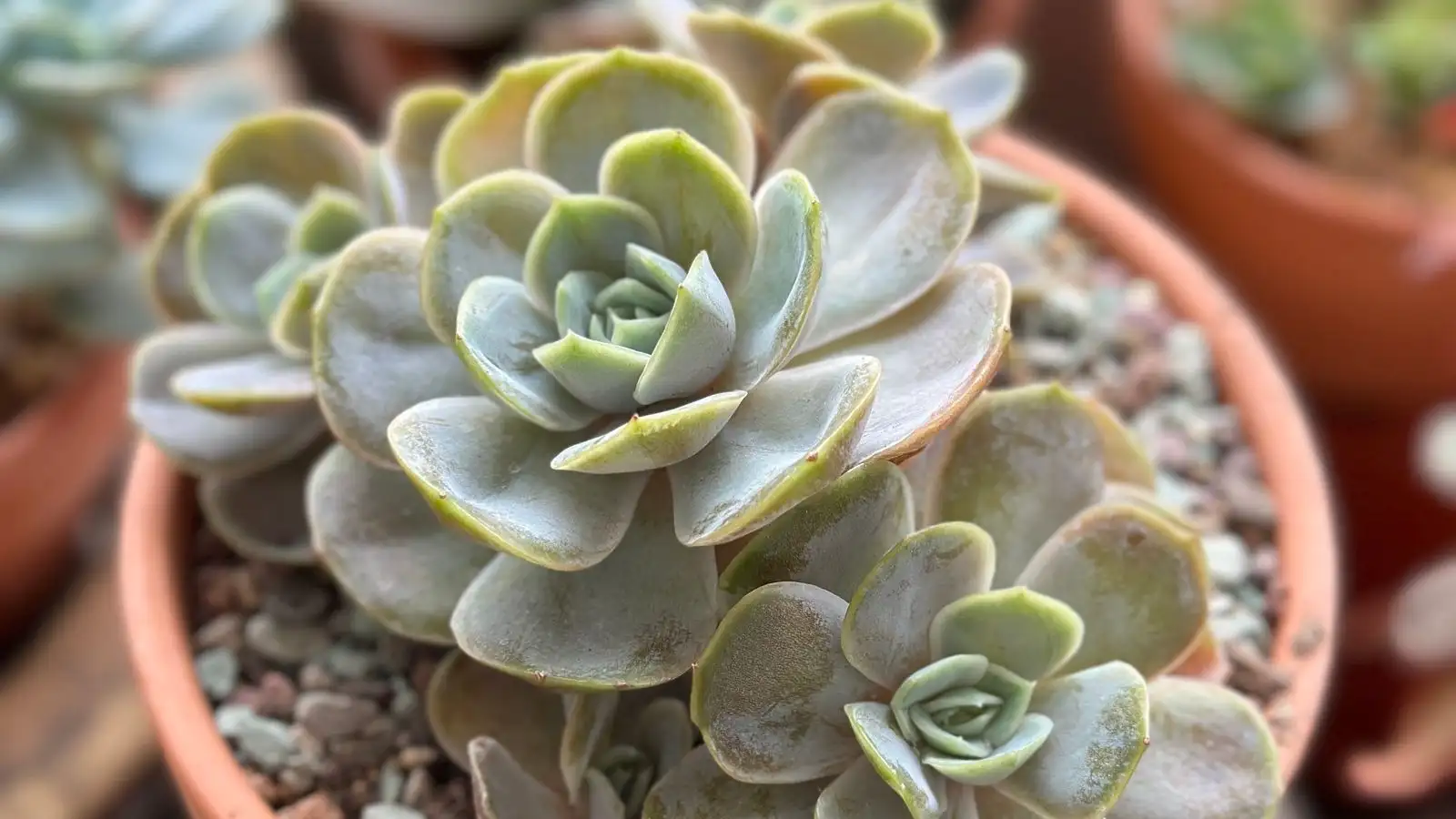
A cleaned succulent gets recolonized by winged aphids, ant-carried survivors, and insects hidden in tight rosettes. Remove the restart source.
White Specks on Your Succulent Aren't Always Aphids
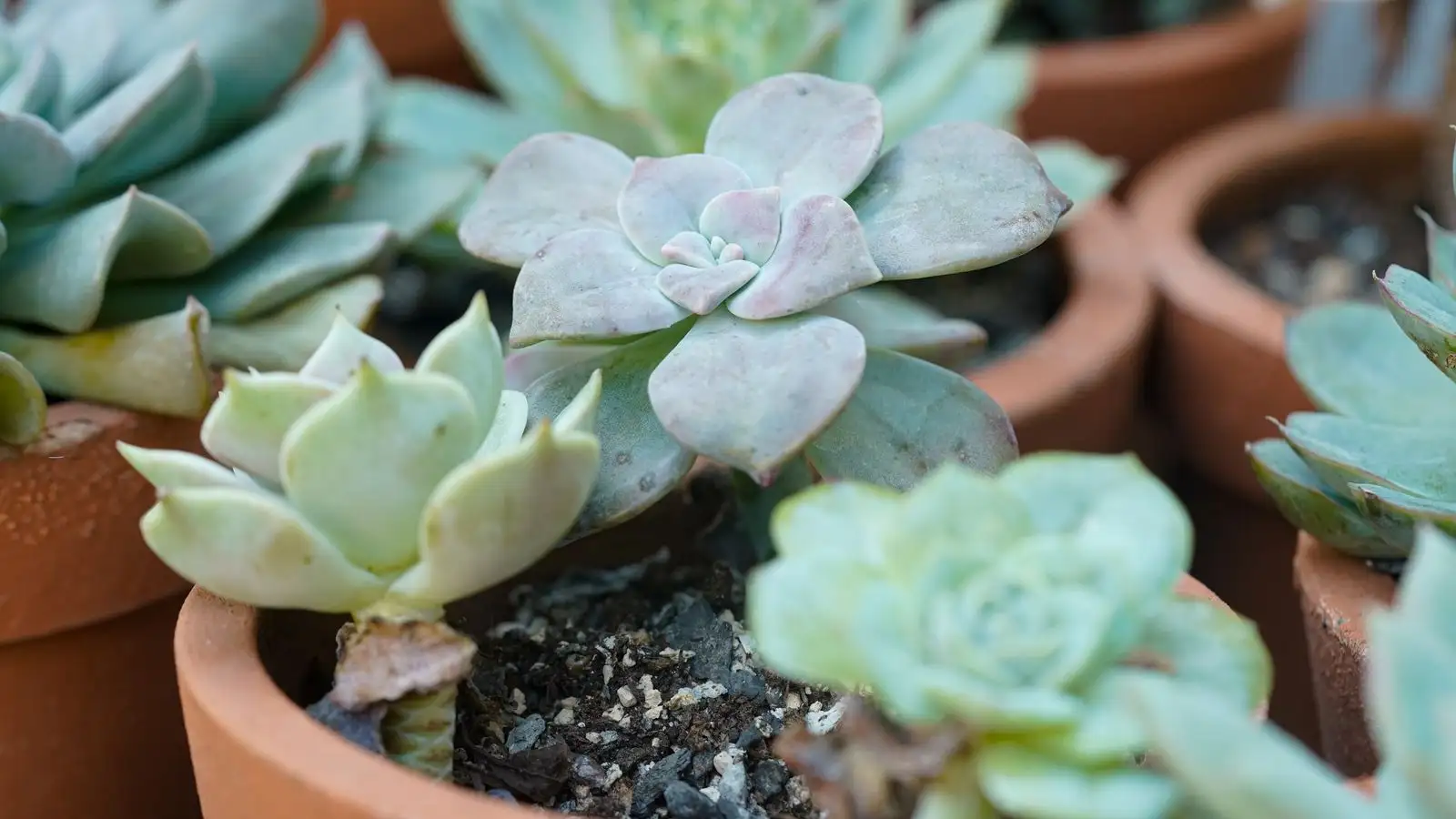
White specks on succulents aren't always aphids. Use position, movement, and residue to tell aphids from mealybugs, scale, thrips, and spider mites.