The First Two Weeks Decide If Aphids Spread to Your Shelf
Two to three weeks of separation on a fixed check schedule is what decides whether a new succulent's aphids stay on that one plant or get carried onto the shelf. The quarantine spot is the easy part. What actually does the work is the timing and the list: one place away from the collection, the growing point, the leaf axils, the undersides of the leaves, and the top inch of potting mix checked every few days, and a small set of tools and hands that never cross back to the shelf without being washed.
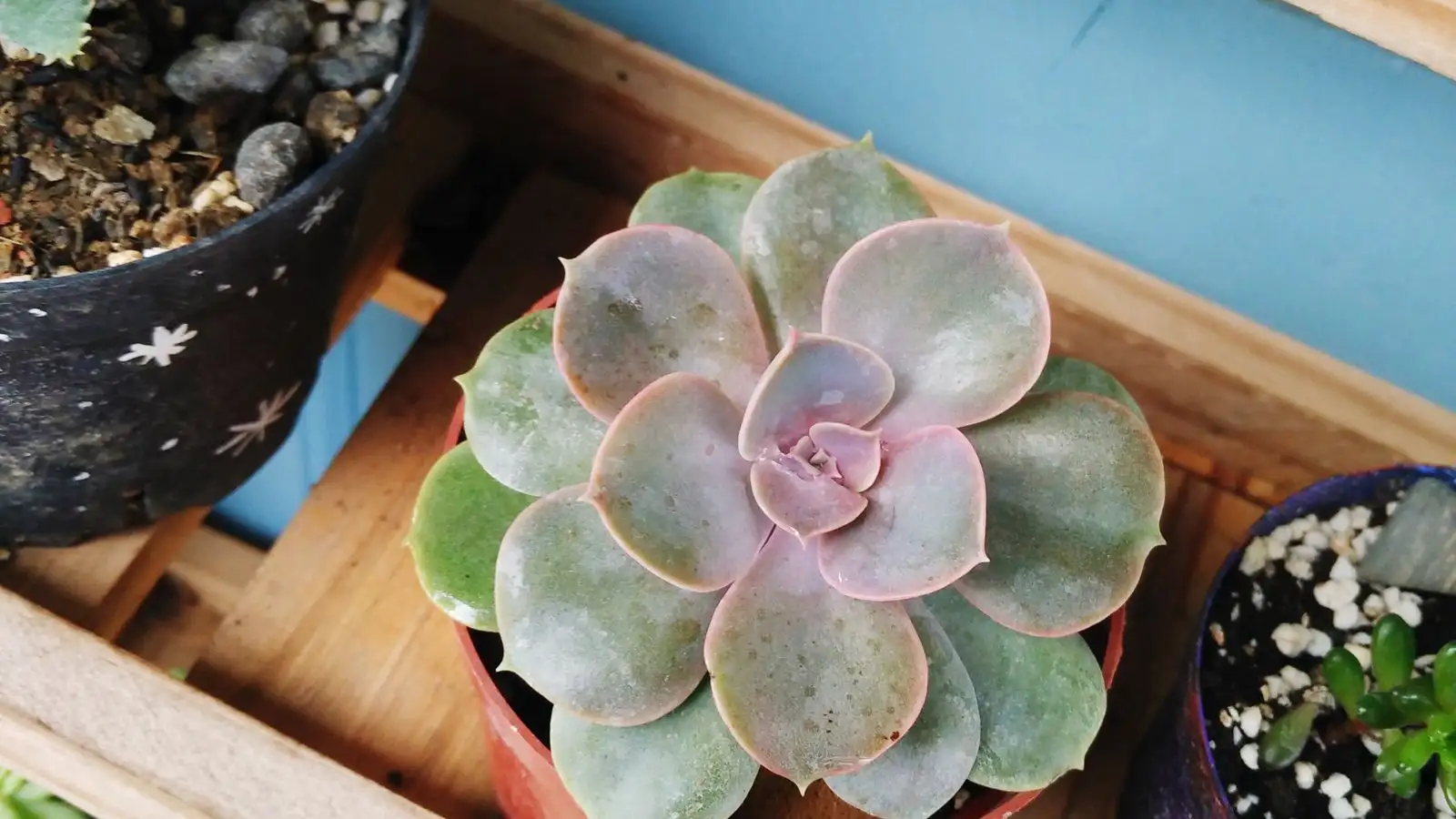
I use a shallow metal drip tray — the kind that comes under a 6-inch nursery pot — and it lives on the tile next to the sliding glass door, about four feet from the nearest shelf. That distance isn't science. It's just far enough that moving the plant from the tray to the shelf is a decision instead of a habit. When the new plant sits on the same shelf with a gap in the middle, my hand drifts, and drifting is how this fails.
Day one is processing, not admiring
The plant doesn't get set out and looked at. It gets worked on, on the tray, not on the kitchen counter, so anything that falls off the pot stays in one place.
First I turn the pot over and look at the drainage holes. That's where root aphids and fungus gnat larvae show up as pale specks against the rim, and where the mix tells me how wet it has been sitting. Then the rinse: lukewarm water over the sink, foliage angled down so water runs off the leaves instead of pooling in the crown. Room temperature matters. Cold tap water on a plant that has been in a dark box for three days can mark the leaves, and then I spend the next two weeks squinting at those marks trying to decide whether they're damage or insects.
Then it comes out of the nursery mix. Every time. Not because the mix is bad — because the mix is the one part of the purchase I can't inspect. Eggs, nymphs, and the slow wingless adults sit in the top inch of soil, and rinsing the leaves does nothing about any of that. Fresh gritty mix, a pot that has been sitting dry on the shelf for a week, plant in, tray. If the plant arrives bare-root and bone dry, it goes straight into mix. If it arrives in a tight, sopping root ball, I'd rather give it a day to drain than repot a soaked plant.
Now the tools, which is the part I got wrong for years. I used to own one watering can and one pair of snips and move between plants without thinking, and that is exactly how a pest gets from the quarantine tray to the shelf without ever walking there on its own. So the tray gets its own quart-sized can that never waters anything else. Its own tweezers. Its own folded paper towel. If I break my own rule — if I reach over and pull a dead leaf off a shelf plant with the quarantine tweezers — everything gets washed before it touches anything again. Soap and water, thirty seconds, not a wipe on my jeans.
What I check, and where aphids actually sit
I look every second or third day. In practice that lands around day three, day six, day ten, day fourteen, and one last pass around day twenty. Five minutes each time with a flashlight from the junk drawer.
The growing point. On an echeveria or sempervivum that's the tight rosette center where the new leaves come out overlapped, and it is the best hiding place on the entire plant. You cannot see into it from above. I tip the pot toward the window and light the crown at an angle. Aphids cluster; they don't scatter. And even when I don't see the insects, I often see what they left: pale cast skins that look like tiny white flakes wedged between the new leaves.
The leaf axils. Where each leaf meets the stem. On aeoniums and jades that notch is deep enough to hold a small colony out of sight, and it's the second place I always look after the crown.
The undersides. Tilt each leaf toward the light. Honeydew has a gloss that a healthy leaf doesn't, and it feels faintly tacky if you brush it. A white paper towel under the leaf catches what falls while you're turning it. If there are ants on the pot rim or the tray, take them seriously — ants farm aphids and move them around.
The top inch of mix, plus the rim. Tilt the pot and tap the rim over the paper towel. That's where springtails, gnat larvae, and root aphids turn up. Then look at the outside of the pot and under the lip, which is a favorite spot for mealybugs and for the sticky residue they leave behind.
The source changes how hard I look, not whether I quarantine
A plant from a big-box store has usually been held among hundreds of others, often right off a truck, often with a bloom spike that hides the crown — and bloom stalks on kalanchoe and aloe are exactly where aphids gather. A farmers market plant may have spent the spring outdoors beside other vendors' stock. A gift arrangement is the worst of the three, because it's several plants crammed into one pot with moss and a wrap holding moisture against the crown, which is one shared habitat with no gap between the inhabitants.
None of that means skip the plant. It means the three weeks don't get shortened because it came from somewhere nice, either. Even a careful grower ships plants out of a shared greenhouse.
What each stage of the window is for
The early checks catch the adults and nymphs that arrived as hitchhikers. The middle checks catch the hatch — eggs laid at the store or the greenhouse come off in the first week or so, and the nymphs are small enough that you only see them if you're looking at the crown and the axils with a light. The last week is about the plant itself, not the insects.
That last part is why the window is weeks and not days. A plant can look completely clean at day twenty-one and still be telling you something.
The plant that has no insects but wrong-looking new growth
If the crown is clear, the axils are clear, nothing is on the paper towel, and the new leaves are coming out curled, cupped, or smaller and paler than the older ones — it stays isolated. Not thrown out. Isolated.
There are a few reasons that happens, and they don't all mean the same thing. Feeding damage done before the plant ever reached me can leave the new growth distorted for a flush or two. A grower's systemic can do it. A repot into unfamiliar mix can do it. A virus can do it. I can't tell those apart from the outside, and neither can anyone else without a lab. So the test is the next flush: leave it in the tray and wait for two to four weeks of new growth. If the leaves that follow come out shaped and colored like the older ones, it's fine to move it. If every new flush keeps coming out curled, that plant stays solo — or goes. It doesn't go next to the collection.
What three weeks can't do
It doesn't guarantee anything. An egg laid late can hatch after the window closes, and winged aphids travel on their own. Quarantine lowers the odds a lot; it doesn't zero them out. If I find aphids on the tray plant on day six, the clock resets — knock them off with a swab dipped in rubbing alcohol, rinse, recheck, and start the count over. If you're using anything stronger, the label is the rule and the fine print is the part that matters: rate, temperature limits, and whether it can go on a plant already stressed by shipping.
And if the new plant already met the shelf before you started doing this, it isn't over. Check the neighbors nearest the newcomer first, wash your hands between pots, and give the whole group a look at the crown and axils. A small collection is not an exception — four plants is four plants, and one infested pot can reach all four inside a week.
Three weeks is a long time to look at a plant sitting on a tray by a door. It's shorter than the time it takes to treat a shelf.
Educational content only: check with a qualified horticulturist, licensed pesticide applicator, or your local extension office before acting on anything specific.

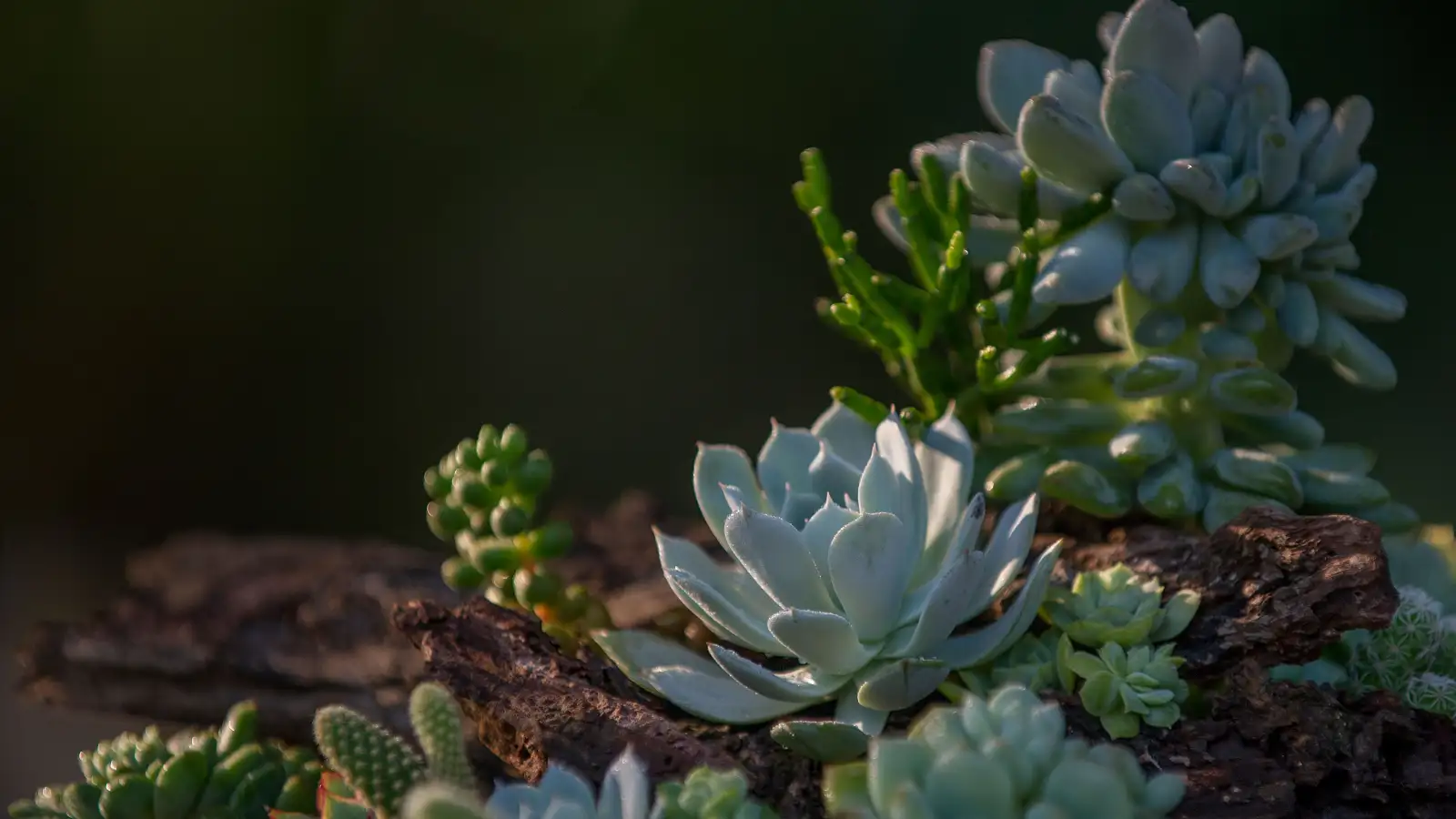
Aphids on Your Succulent? The Order That Saves the Plant
Aphids on a succulent aren't solved by a product. Confirm the colony, match removal to the leaf surface and light, then verify clean growth before it returns.
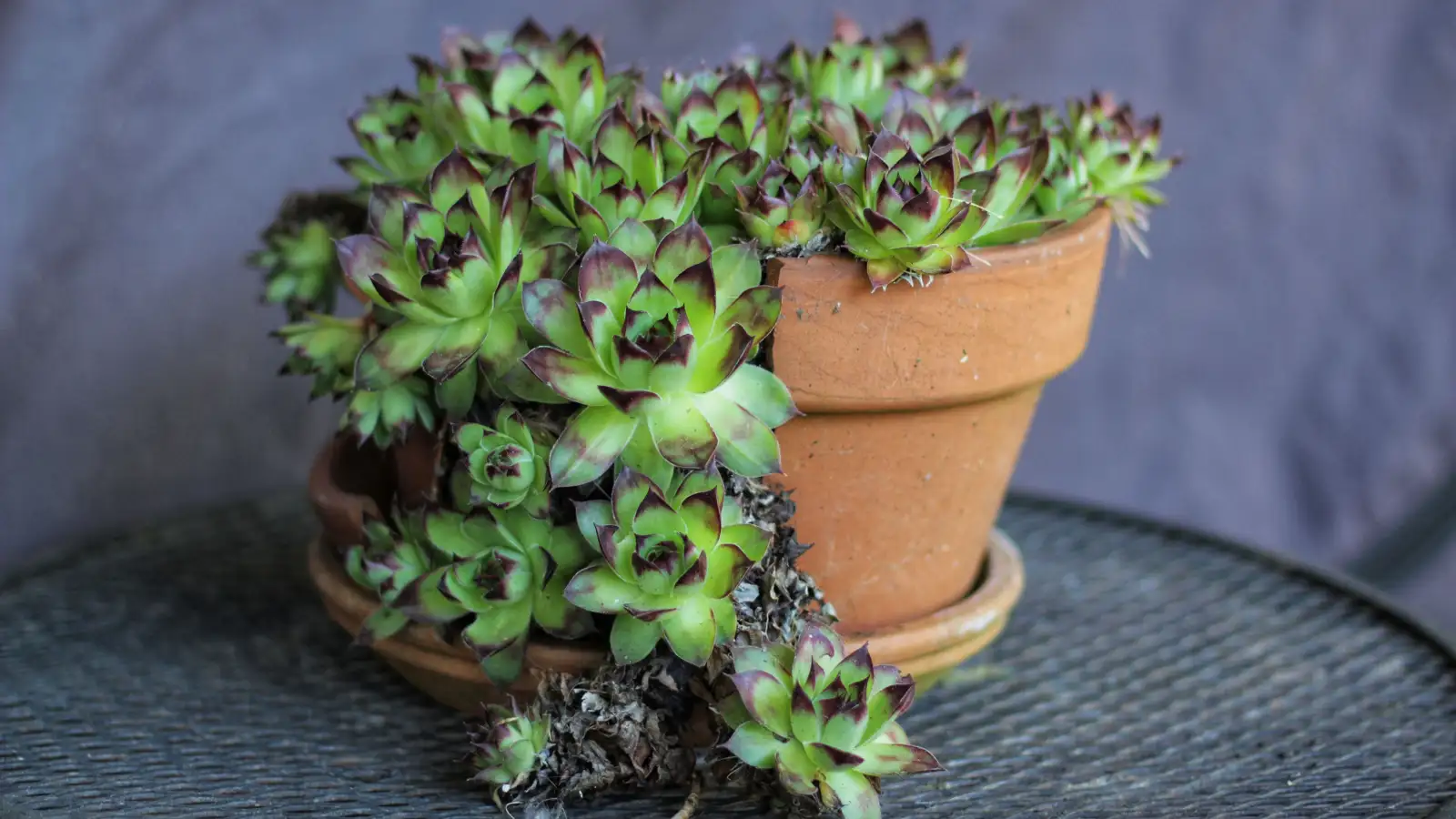
Why Are Your Succulent's Leaves Sticky and Turning Black?
Sticky leaves that turn black are honeydew plus sooty mold sitting on the surface, not rot. Wash it off, then find the insect still feeding above it.
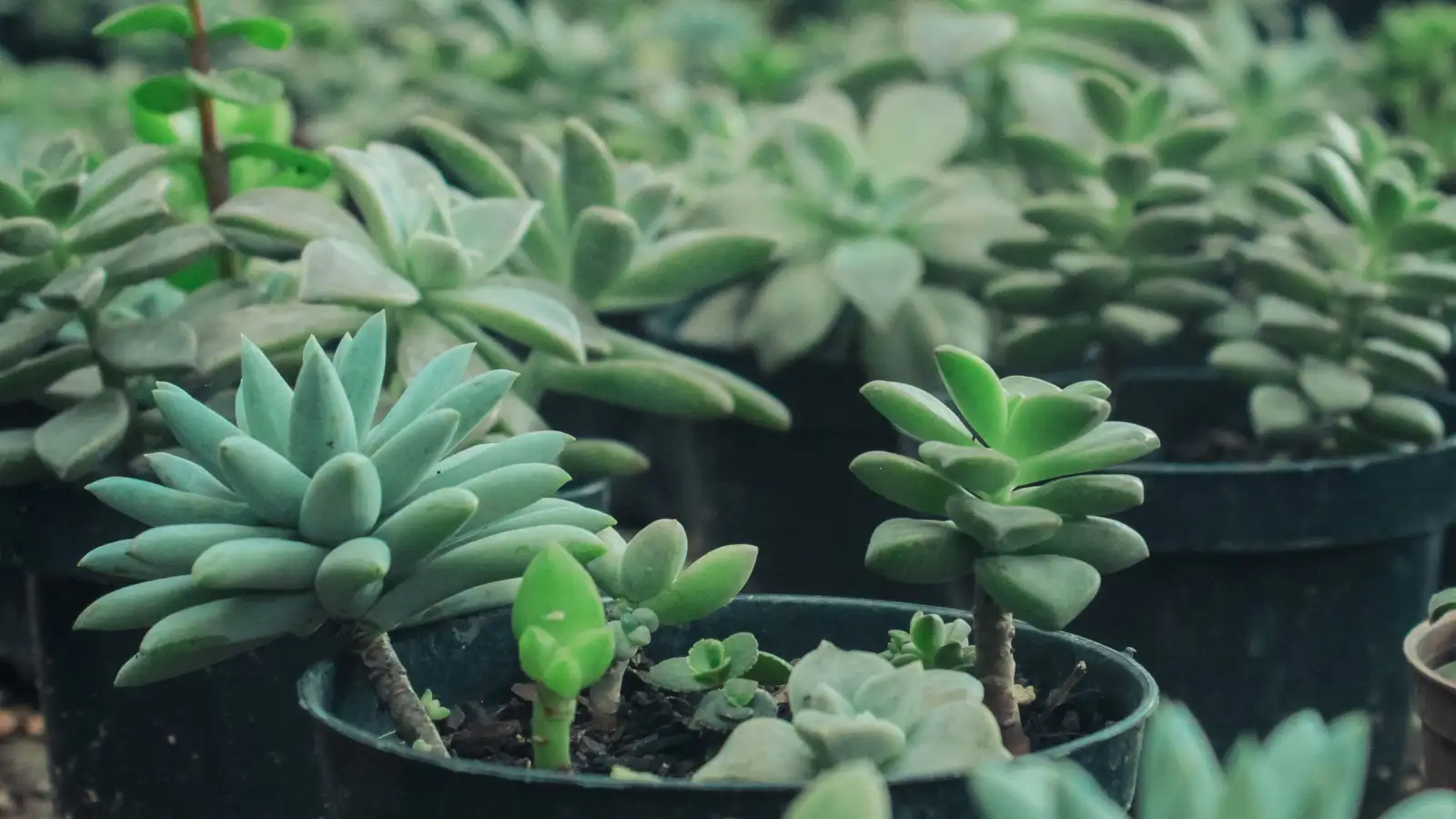
What a Grower Checks Before Spraying Anything on Succulents
Check the leaf surface before you spray a succulent. Farina and waxy bloom decide the method: water, alcohol swab, soap, or neem. Test one leaf first.
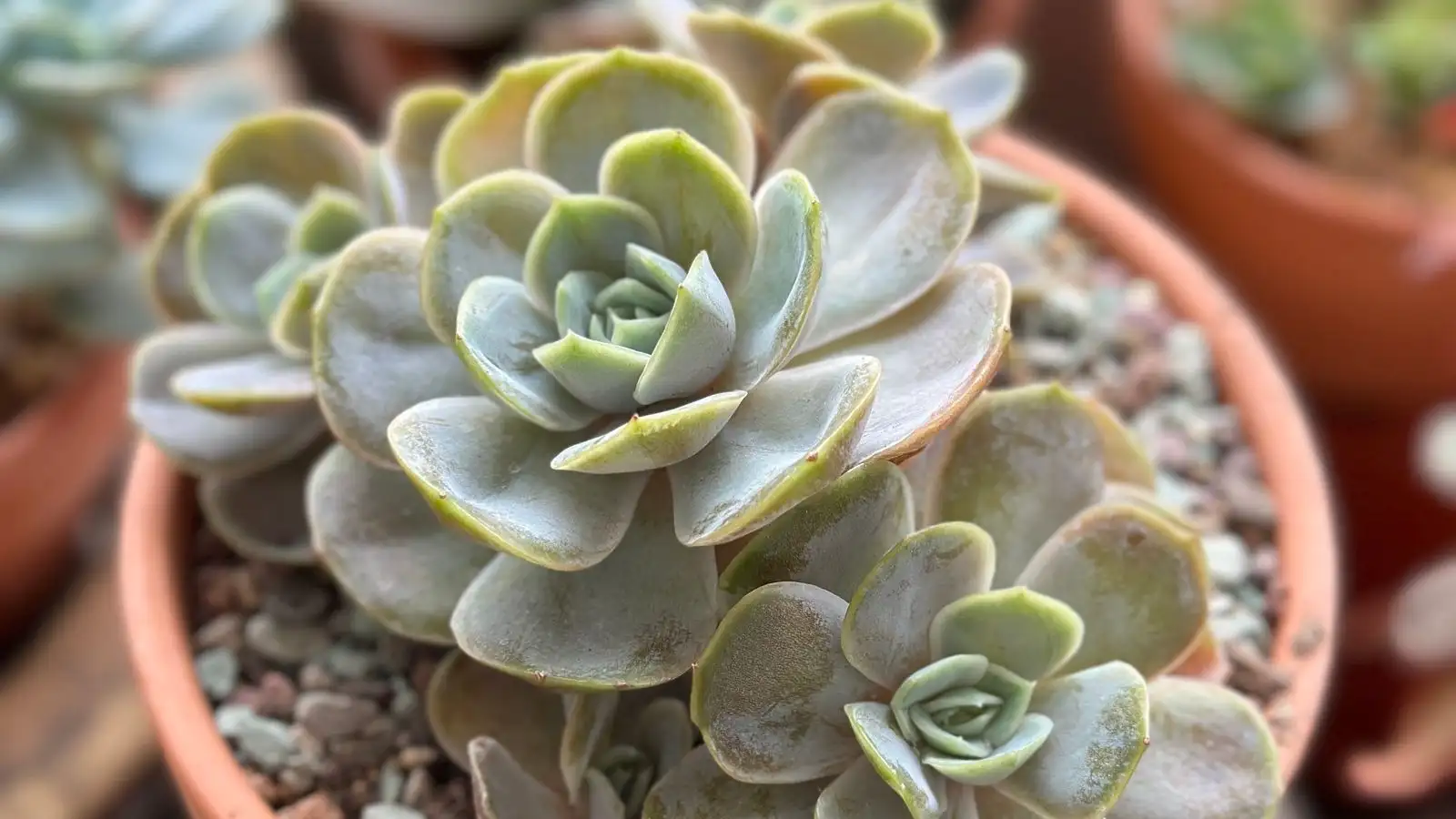
Winged Aphids and Ants Keep Your Infestation Alive
A cleaned succulent gets recolonized by winged aphids, ant-carried survivors, and insects hidden in tight rosettes. Remove the restart source.
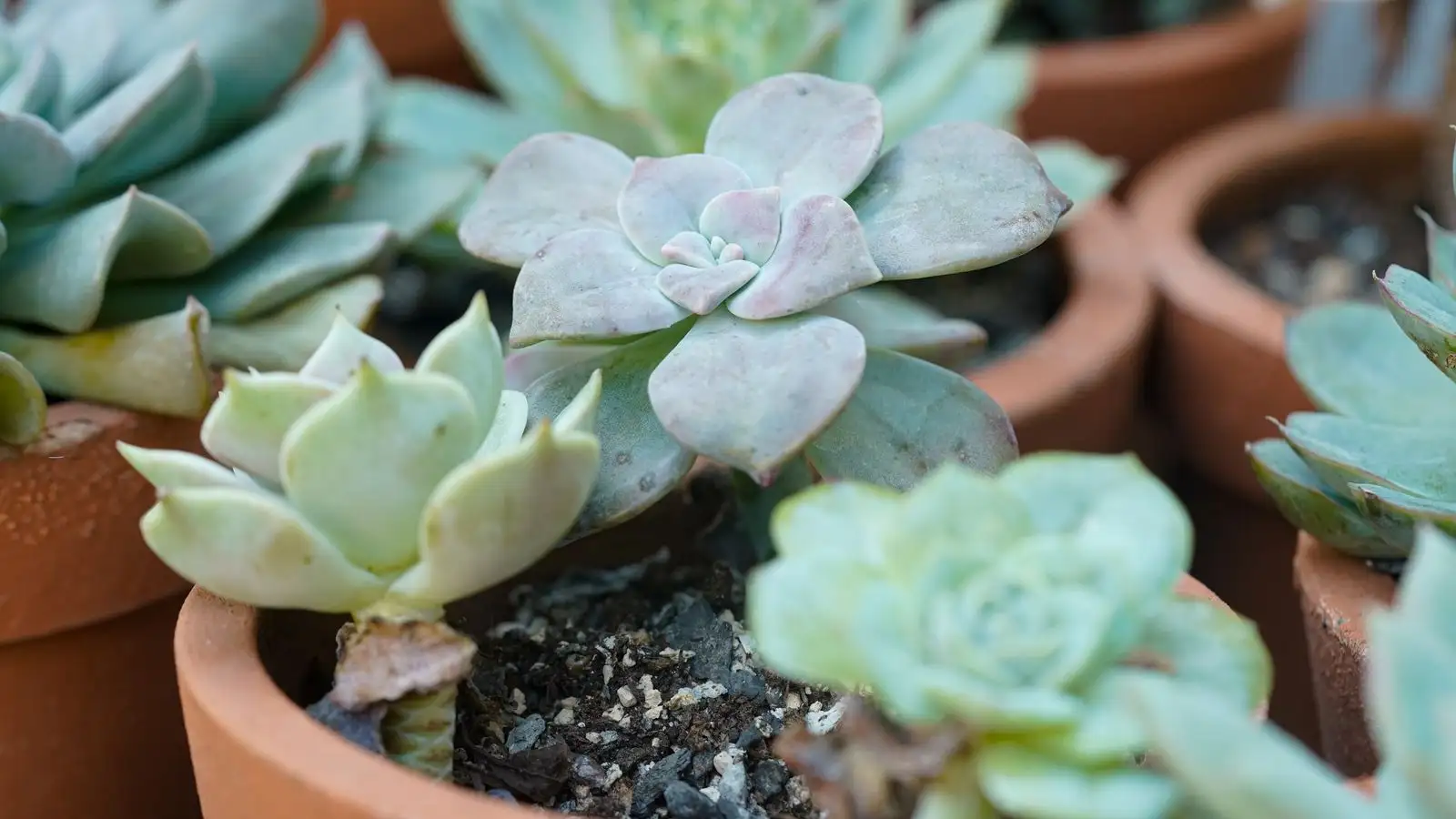
White Specks on Your Succulent Aren't Always Aphids
White specks on succulents aren't always aphids. Use position, movement, and residue to tell aphids from mealybugs, scale, thrips, and spider mites.