Why Are Your Succulent's Leaves Sticky and Turning Black?
A sticky succulent leaf that turns black is almost never rot. It is honeydew, the sugary waste excreted by aphids, scale, and mealybugs, with a film of sooty mold growing on top of it. The black layer sits on the surface of the leaf rather than inside it, which is why it wipes away and leaves firm tissue underneath, and why it is back within days when the insect producing the sugar is still feeding. Clean the sugar off first. Find the insect second.
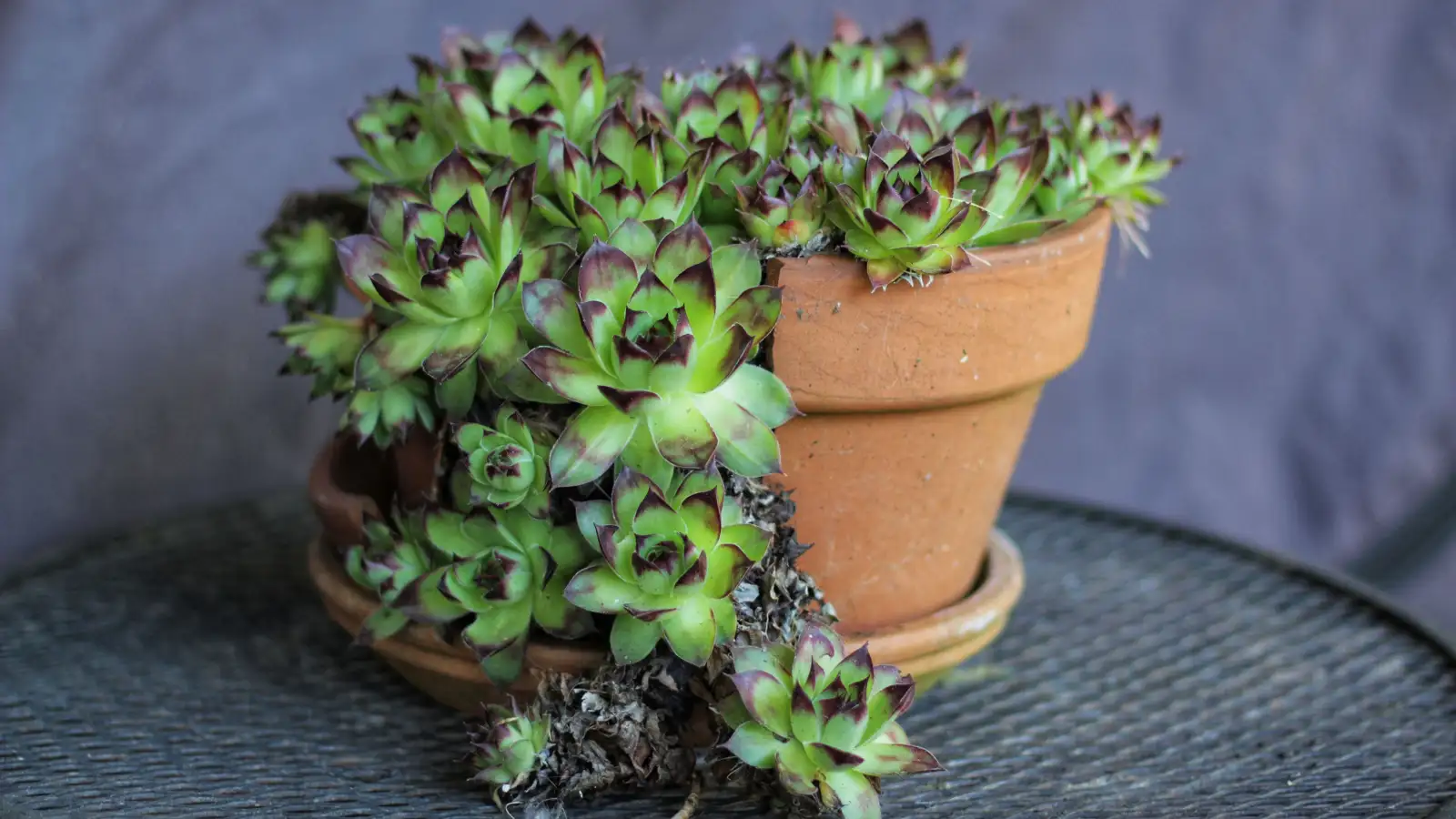
I keep a small flashlight and a squeeze bottle by the sink because this is a problem I get at least once a season, usually after a plant has spent a few weeks outside. The last one was a jade that had been on the porch. In the evening light the top leaves looked fine. Then I tilted the pot toward the window and the third and fourth leaves down had that dull sheen, like someone had breathed on them and the breath stayed. I touched one. Not water. Not dust. It dragged against my fingertip and left a faint tacky print. That is the moment I stop looking at the whole plant and start looking at the exact place where those leaves join the stem.
What honeydew actually does to the leaf
Honeydew is clear, heavy sugar water. The insect does not want most of the sugar it pulls out of the plant, so it pushes the excess out the back, and the excess lands on whatever is below. On a succulent that means it coats the upper surface of the leaves beneath the feeding site, pools in the tight notch where a leaf meets the stem, and sometimes collects where two leaves touch. It does not burn the leaf and it does not dissolve it. What it does is sit there.
And a wet sugar film is a surface that everything sticks to. Dust. Grit. Pollen. Fungal spores that are already floating around in the air in any room or on any porch. That is the whole mechanism behind the black. The mold is not attacking your plant. It is eating the sugar and using the leaf as a plate.
If it stays on for weeks, the cost is light. A coated leaf is a shaded leaf, and a shaded succulent slows down. New growth comes out smaller, the color goes flat, the plant sits there instead of pushing. That is the real damage in most cases, and it is reversible once the film is off and light reaches the leaf again. It is ugly and it costs you growth, but a coated leaf on its own rarely kills anything.
The black film is a surface fungus, not rot
This is the part worth slowing down for, because it changes what you reach for.
Sooty mold does not put roots into the tissue. Scrape a fingernail across the black and it lifts as a smear or a flake, and the leaf underneath is intact, maybe a shade paler, but firm and dry. Rot does not behave that way. Tissue that is actually breaking down stays dark when you wipe it and gives under pressure. If wiping changes nothing, you are not looking at sooty mold.
That single fact is why a fungicide is the wrong tool here. You can kill every spore sitting on the leaf and the sugar is still there, so new spores land and start over. The sugar is the substrate. Remove the substrate and the mold has nothing to eat. And the sugar keeps coming as long as the insect keeps feeding, which is why the black reappears on a schedule, a few days after each wash, until the insect is gone.
Washing it off is step one, not the fix
Lukewarm water, a soft brush, and patience. I use a squeeze bottle so I can aim a gentle stream and keep it out of the crown, a soft craft brush or a baby toothbrush for the flat parts of the leaves, and cotton swabs for the tight center of a rosette where a brush will not fit. Work from the base of the leaf outward so you are pushing the film off the edge instead of into the axil. If a patch is stubborn, a drop of mild liquid soap in a cup of water helps the water cut through the sugar, but rinse it off afterward with clean water. Blot the leaves dry with a paper towel, and do this in the evening or in the shade, because a wet leaf in direct sun is its own problem.
The leaf looks dramatically better within minutes. That part is real. It is also not the fix. If the source is still feeding, the tackiness comes back within a few days, and that rebound is the most useful diagnostic you have. Clean everything, wait a few days, check the same leaves. Still clean means you got the insect, or the honeydew was a one-time drip from something above. Tacky again means something on the plant, or above the plant, is still producing.
Reading the clues without tearing the plant apart
Sticky tells you one thing for certain. Something with piercing, sucking mouthparts has been feeding somewhere above that leaf. It does not tell you which insect. Aphids, scale, and mealybugs all produce honeydew, and the sugar looks identical no matter who made it.
So do not start at the sticky leaf. Start at the spot directly above it and at the point where the sticky leaf attaches to the stem, then work up. In my experience the search is over fast once you look in the right two inches. Under the attachment point you will find one of a few things.
Crisp, pale, dry flakes that crumble when you touch them are cast skins, and they usually mean aphids. They cluster on new growth and along the stem, and the colony is often smaller than the mess suggests because the honeydew spreads it out visually.
Small tan or brown domes that do not brush off, sometimes flat and waxy and lined up along a stem, are scale. They hold on. A cotton swab with a little rubbing alcohol will lift them, and testing one on a single leaf first is worth the thirty seconds.
White cottony pockets tucked into the leaf axils and down at the base of the rosette are mealybugs. They like the places you cannot see, which is why the sticky leaf is often your first clue that anything is there at all.
And ants. If you see ants walking the rim of the pot or climbing the stem, treat that as confirmation. Ants farm honeydew and they defend the colony that makes it. Chasing the ants without dealing with the insect just moves the problem around.
One honest wrinkle: if the succulent sits under a tree, an awning, or a hanging plant, the honeydew may not be coming from the succulent at all. It drips down from above. In that case every wash works, every inspection comes up empty, and it keeps happening. Check what is overhead before you take the plant apart.
Honeydew or hard-water crust: settle it with your fingertip
Both look like a film. Both can turn dark when dust settles into them. They are not the same thing, and the difference costs you one rub.
Mineral deposits from tap water are dry. They sit at the leaf edge and the tip, they have a chalky, crusty look, and they flake rather than smear. Rub one and your fingertip comes away clean and powdery. They are what is left when water dried in place and dropped its dissolved solids behind.
Honeydew is tacky. Rub it and it drags, smears across the leaf, and leaves a slight shine on your skin, and after a few days it collects grit and turns into that thin black scab. It does not live at the leaf tip. It sits where the leaf is flat and where the droplets landed, usually on the upper surface below the insect.
Perlite dust and plain grit are a third thing. Dry, powdery, often with a sparkle, and they blow off. If you want a tiebreaker, wet a cotton swab and press it against the spot. Mineral crust softens and comes away white on the swab. Honeydew comes away slightly brown and sticky.
That is the whole of it. The black is on top, not inside. Wash it, wait a few days, watch the same leaves. Clean leaves mean the story is over. Tacky leaves mean the insect is still there, still dripping, and you know exactly where to look now.
Educational content only: check with a qualified horticulturist, licensed pesticide applicator, or your local extension office before acting on anything specific.

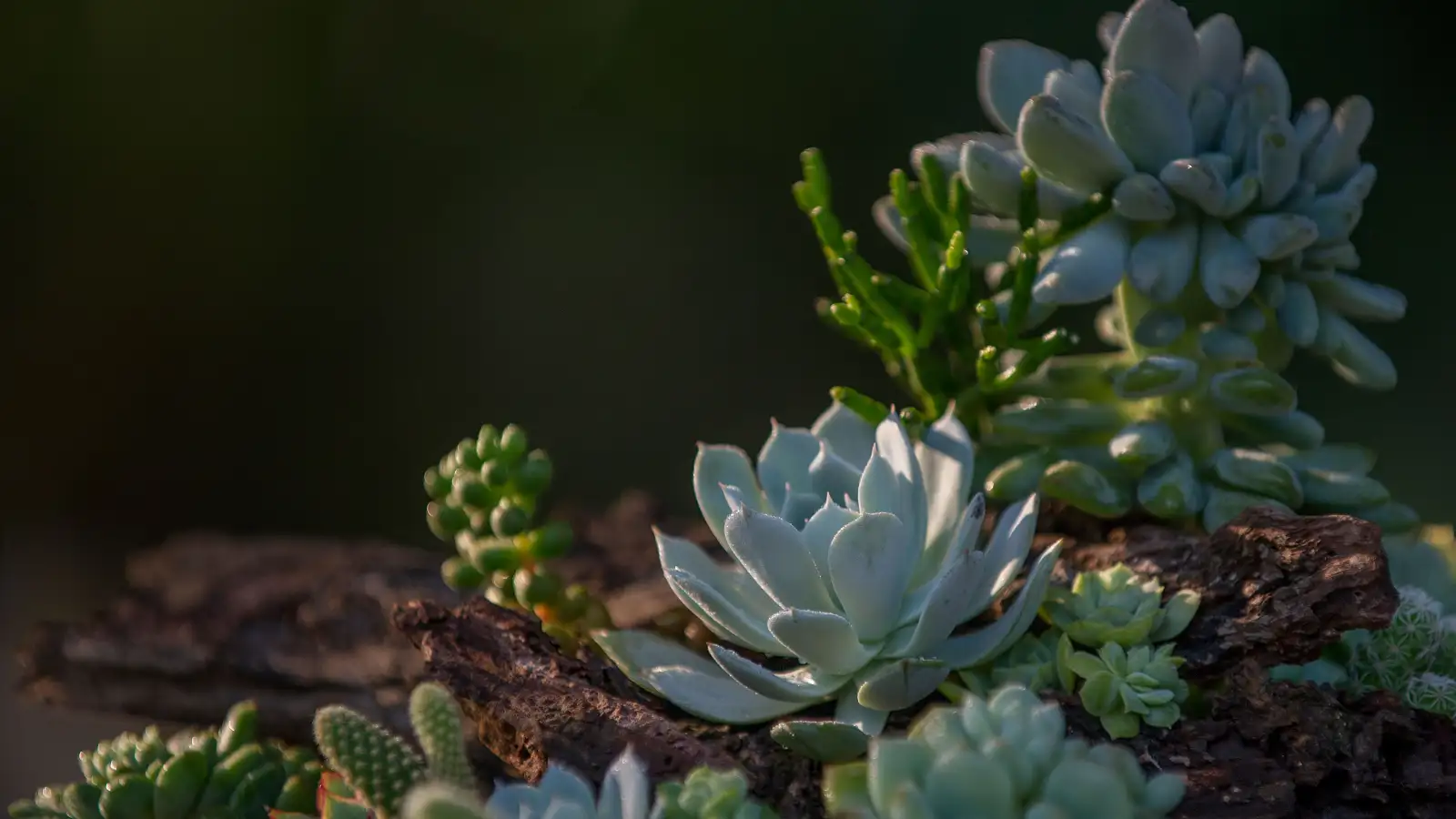
Aphids on Your Succulent? The Order That Saves the Plant
Aphids on a succulent aren't solved by a product. Confirm the colony, match removal to the leaf surface and light, then verify clean growth before it returns.
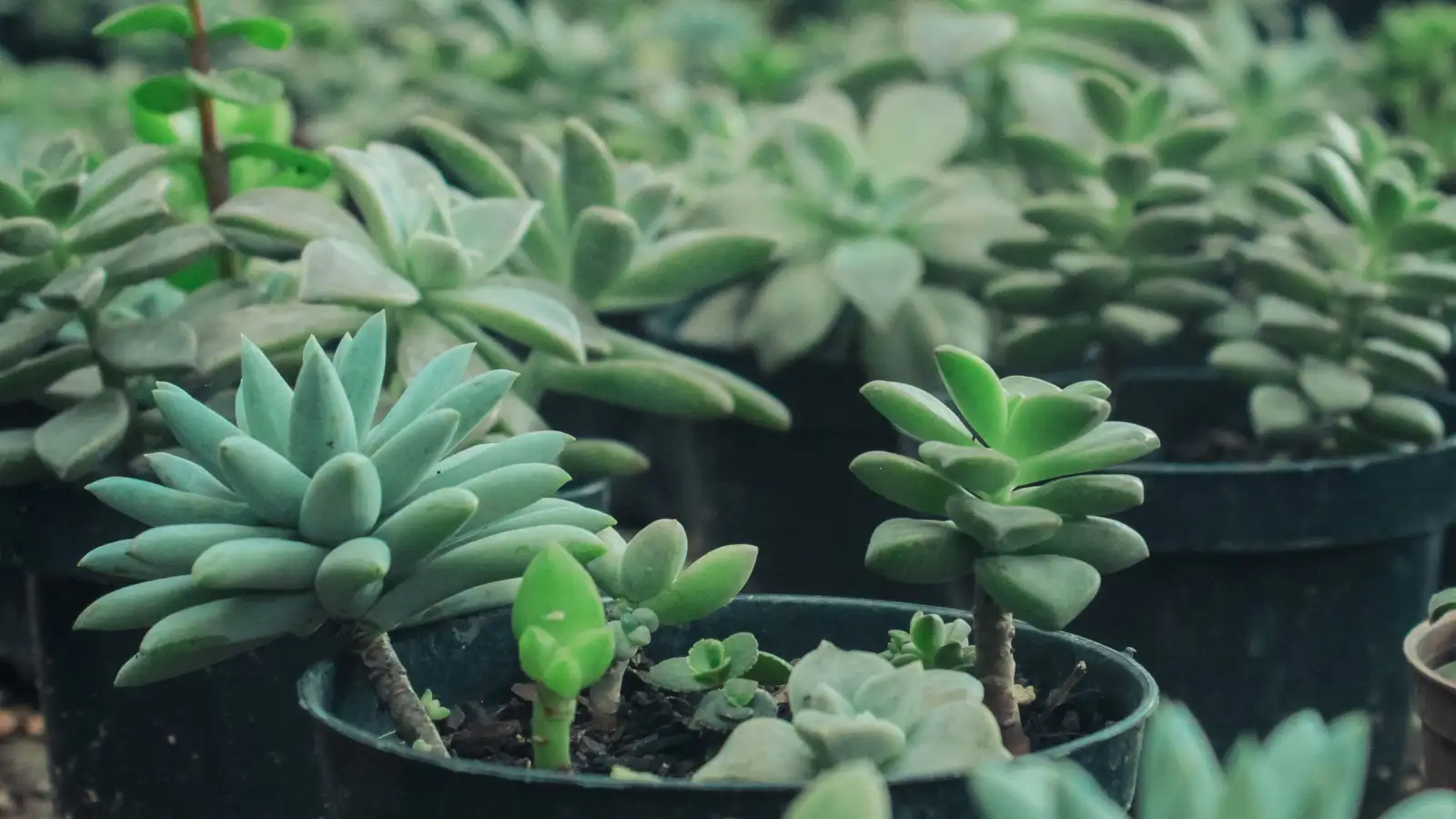
What a Grower Checks Before Spraying Anything on Succulents
Check the leaf surface before you spray a succulent. Farina and waxy bloom decide the method: water, alcohol swab, soap, or neem. Test one leaf first.
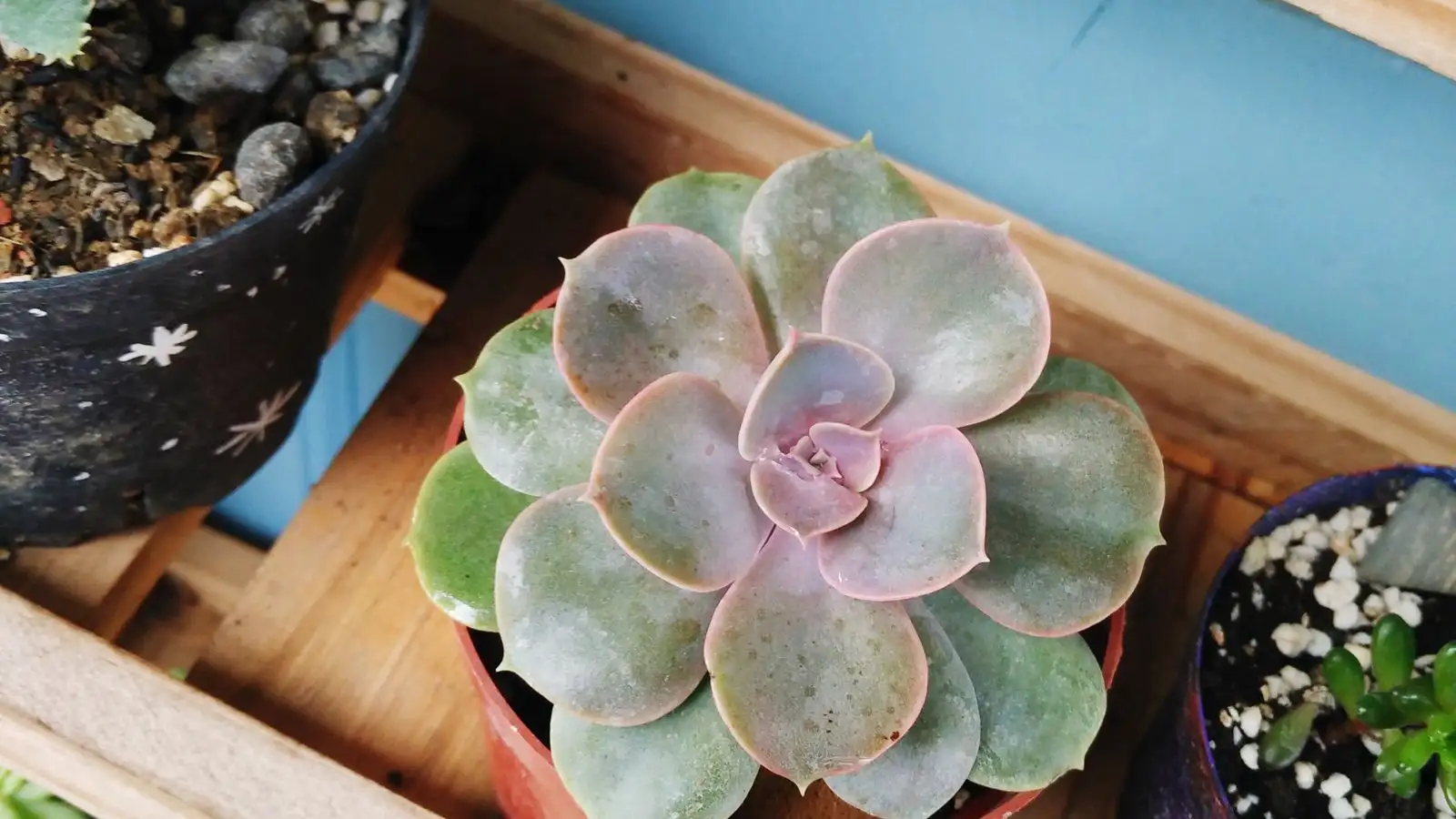
The First Two Weeks Decide If Aphids Spread to Your Shelf
A day-by-day quarantine routine for one new succulent: what to check, where aphids hide, and why tools and hands decide whether they reach your shelf.
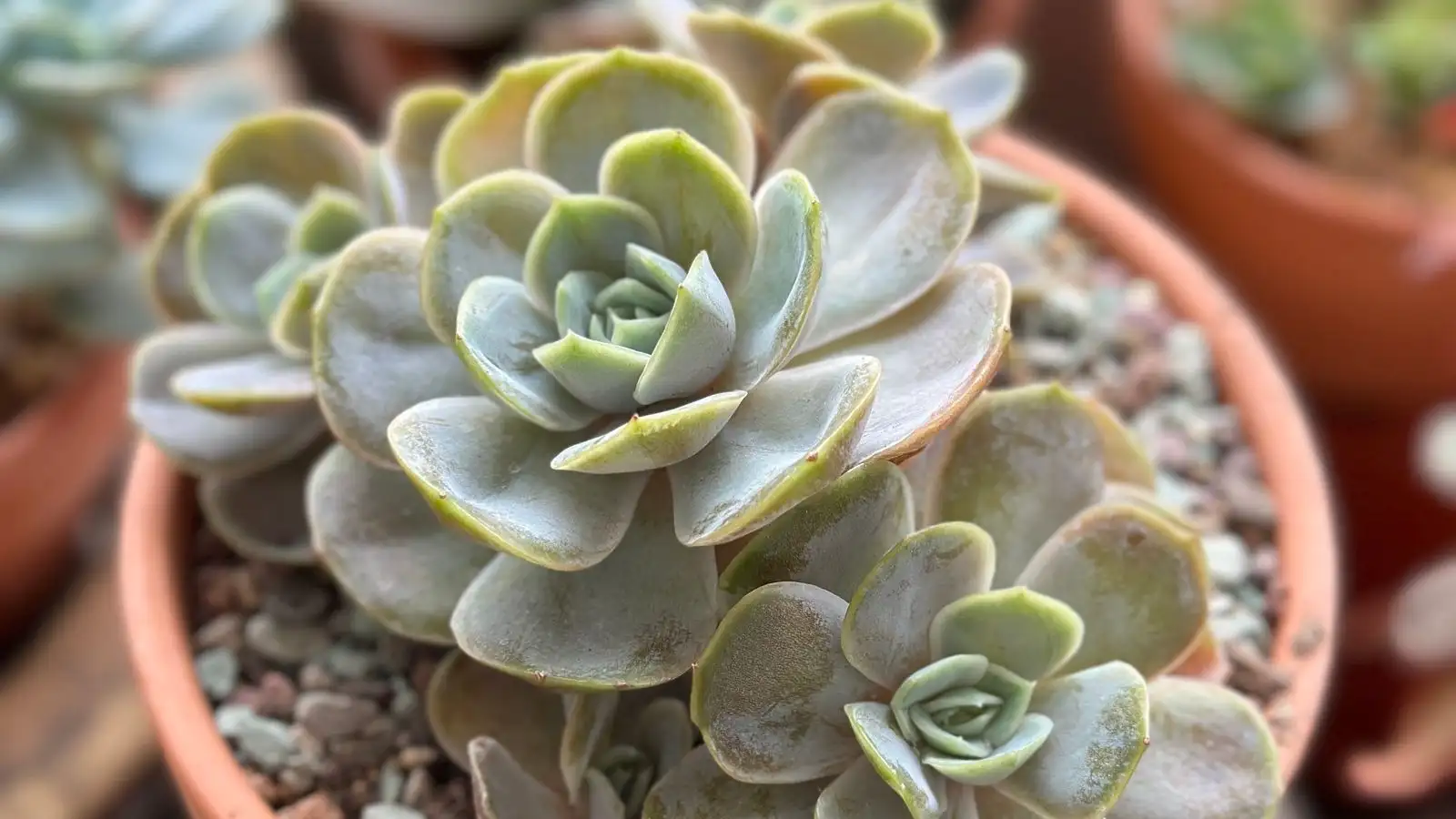
Winged Aphids and Ants Keep Your Infestation Alive
A cleaned succulent gets recolonized by winged aphids, ant-carried survivors, and insects hidden in tight rosettes. Remove the restart source.
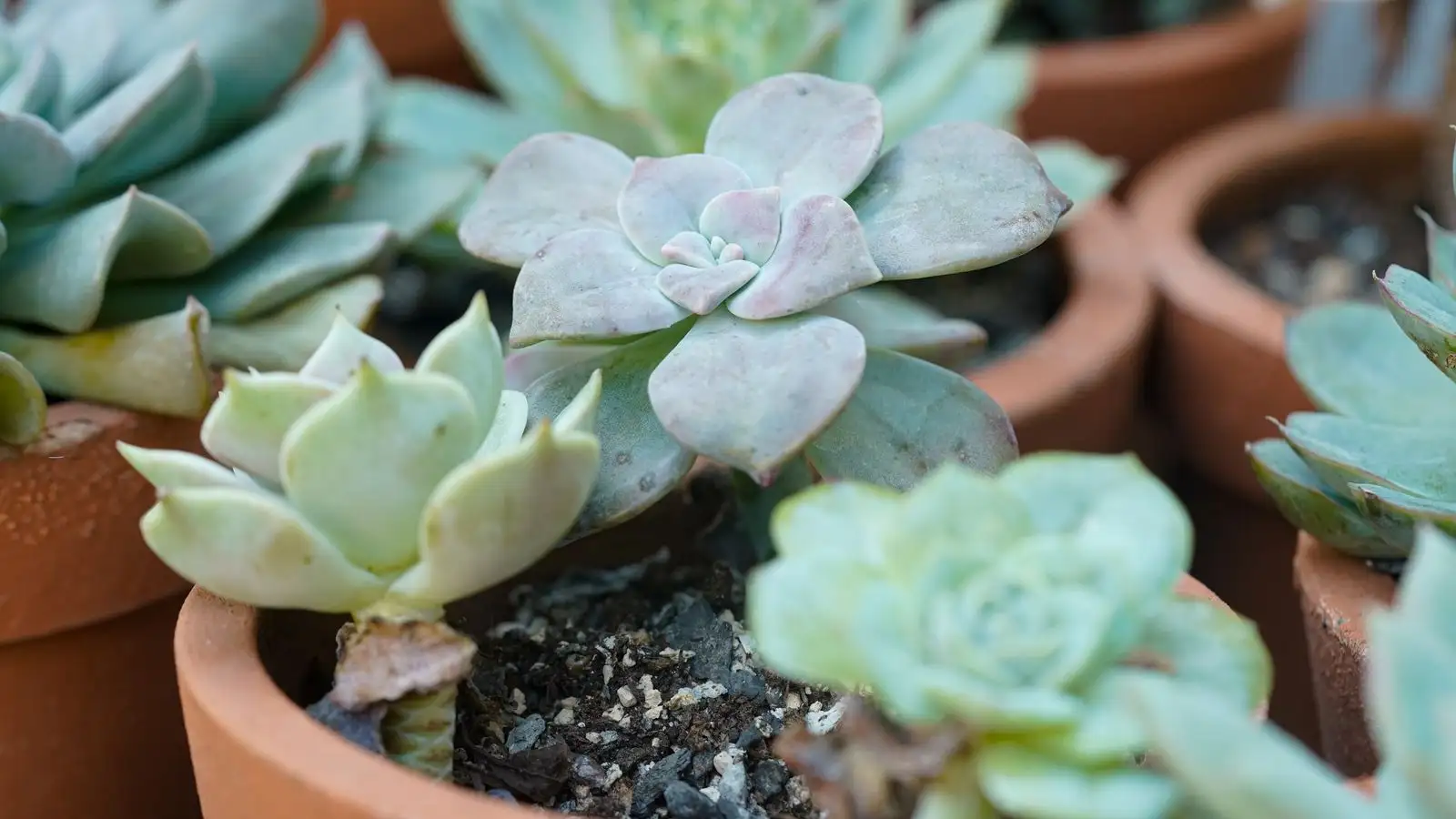
White Specks on Your Succulent Aren't Always Aphids
White specks on succulents aren't always aphids. Use position, movement, and residue to tell aphids from mealybugs, scale, thrips, and spider mites.