The Fungus Gnat Life Cycle Stage That Keeps Them Coming Back
The fungus gnat life cycle is four stages running on four different clocks, and every treatment you can buy reaches only one of them. Eggs hatch in 3 to 6 days, larvae feed for 10 to 14, pupae sit untouchable for 4 to 6, and adults live roughly a week while laying more. A single application lands on the feeding larvae and nothing else, which is why a pot looks solved for five days and then isn't. The fix isn't a stronger product. It's repeating the same application every 5 to 7 days for three cycles and then continuing for another two to three weeks after the last adult disappears.
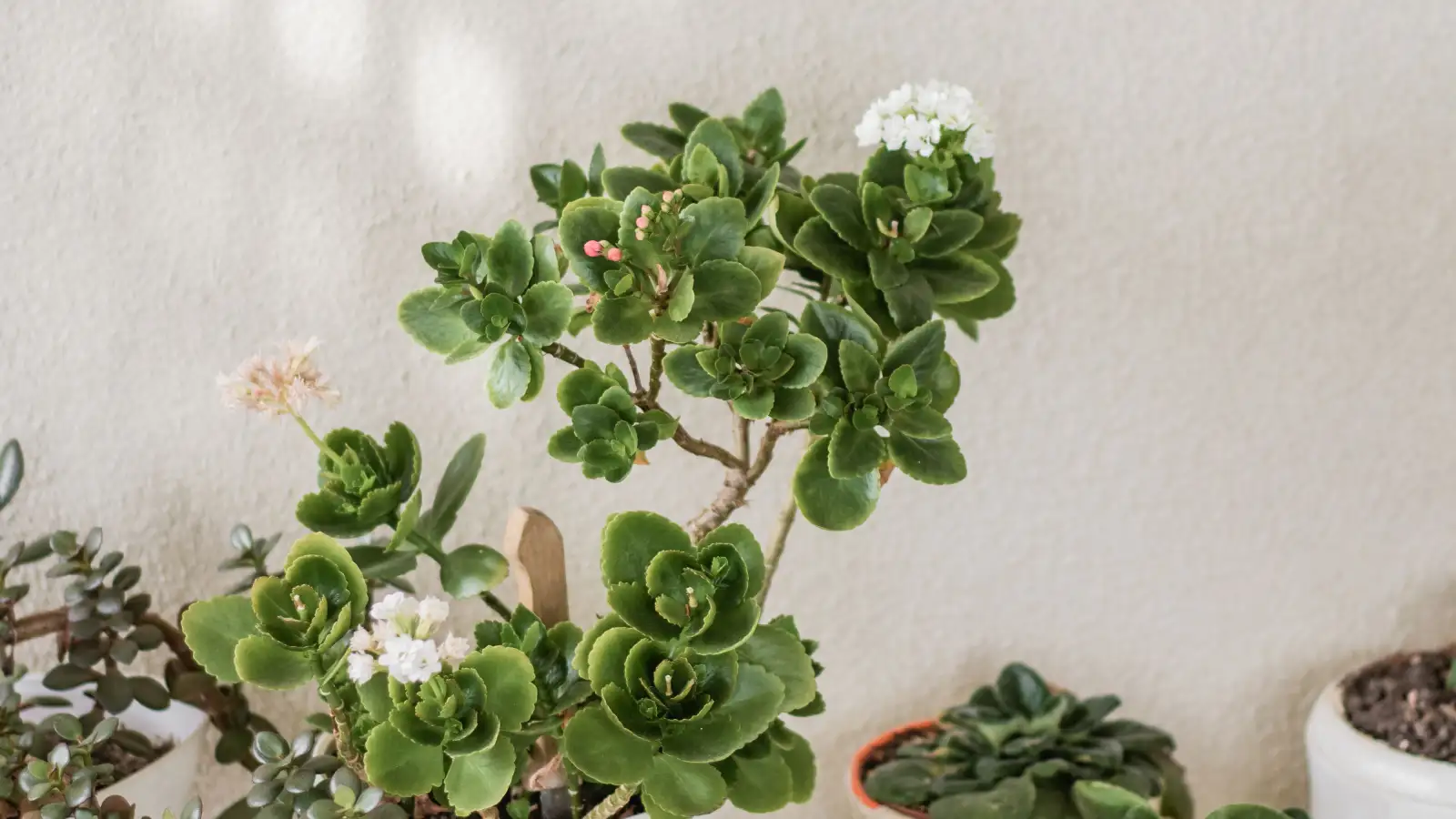
I learned that on a south windowsill with about a dozen small terracotta pots, one sticky card, and a bag of gritty mix I'd been reusing without thinking about it. The card filled up, I soaked everything with mosquito bits, the card went clean, and two weeks later I was standing at the same sink with the same problem. It took me embarrassingly long to understand that I hadn't failed at killing gnats. I'd succeeded at killing one narrow slice of them and then declared victory over the rest.
The fly on the trap is the least important stage
Adult gnats are what you see, and they're the only stage that doesn't touch your plant. They live about a week, they don't feed on roots, and a single female drops a couple hundred eggs into the top inch or two of moist soil before she's done. So the population buzzing around your coffee is a symptom with a one-week shelf life, and behind it sit three other cohorts, each on its own timer, none of them visible.
That matters for scheduling because the card is a lagging indicator. What's stuck on it today hatched out of the soil one to two weeks ago. If you use trap count as your go/no-go signal, you'll quit while there are still eggs and pupae sitting in the pot, and you'll do it every time. I use the card to confirm direction of travel, and I use a date written on the rim of the pot in paint pen to decide whether to treat.
Eggs: 3 to 6 days, and this number sets your first interval
Eggs go into the top inch or two of damp soil. They're essentially invisible, and they don't respond to anything you'd pour. At normal room temperature, somewhere in the high 60s to low 70s, they hatch in 3 to 6 days.
Here's the part that reframes everything: on the day you spot twenty adults and set out a trap, those adults didn't all lay on the same day. There are eggs in that pot one day old, three days old, and five days old. A larvicide applied today kills whatever has already hatched and is feeding. The egg that hatches on day four walks into treated soil days after the material has done its work, and it's fine.
Timing rule: any interval longer than about a week lets a whole new hatch cohort slip between applications.
Larvae: 10 to 14 days, the only stage your drench touches
This is the stage doing the actual damage and the only stage most treatments target. You're looking for a small, clear-to-white worm with a shiny black head capsule, rice-grain sized when full grown, working through the top inch or two. In succulent pots they're mostly feeding on fungi and decaying organic matter in the mix, with fine root hairs as a side dish. That's rarely fatal on its own, but every little wound plus persistently damp soil is an open door to rot, and rot is what actually kills the plant.
Larvae feed for 10 to 14 days at room temperature. That's the longest single stage, and it's the entire reason the repeat interval is what it is. Bti, sold as mosquito dunks or bits, and beneficial nematodes both work on feeding larvae. Neither one does anything to an egg or a pupa.
Timing rule: the application interval is set by how fast eggs hatch, not by how long larvae feed. Hatch speed is the bottleneck you're working around.
Pupae: 4 to 6 days where the pot is a no-go zone
Pupae don't feed. They don't move. Larvicides don't touch them, and nematodes hit them inconsistently at best. So each generation includes a stretch of roughly four to six days where there is nothing in that soil you can effectively kill with a drench.
This is the stage that produces the complaint I hear most often, which is that Bti did nothing. Usually what happened is the application landed right as the larvae pupated. The pot was treated, the material did its job on an empty room, and two weeks later the next wave emerged and the person concluded the product was worthless.
Timing rule: assume that at any given moment some portion of your pot is in the untouchable window. That assumption is what forces the repeat, not any failure on your part.
Adults: about a week, and a trap count that will talk you into quitting early
Adults emerge, fly, mate, and lay, all inside roughly seven days. They're the easiest thing to kill and the least useful thing to kill, because killing adults doesn't remove eggs already in the soil and it doesn't remove pupae about to emerge. Yellow sticky cards cut into quarters and laid flat right at the soil line catch emergers better than a tall card stuck in the pot, and they're genuinely useful for tracking whether the trend is down.
What they're bad at is telling you when to stop.
Why the whole thing runs on a 5 to 7 day clock
The two short windows do the work here. Eggs hatch within 3 to 6 days. Pupae emerge within 4 to 6 days. Almost anything capable of becoming a feeding larva will have done so within about a week of your last application. So 5 to 7 days is the longest gap you can leave and still catch each new cohort while it's in the vulnerable larval stage.
Three cycles puts you at roughly 15 to 21 days of coverage. That spans one full generation plus enough overlap to sweep up stragglers from the generation behind it. It is not a magic number. It's what the two windows add up to.
The schedule I actually run
Day zero, I stop watering from the top and let the top inch of mix dry. If the plant needs a drink, it gets it from the saucer. I cut a sticky card into quarters and lay one flat on the soil surface, and I write the date on the rim of the pot.
Day zero or day one is the first application. If I'm using Bti, I let the bits steep and then apply it with a narrow-spout squeeze bottle aimed at the top inch rather than flooding the whole root ball. If I'm using nematodes, the mix has to actually be moist for them to move, which is the whole problem in a gritty succulent pot, and I'll come back to that.
Day six, second application. Day twelve to fourteen, third. Then I keep going.
There's a real tradeoff here and I won't pretend otherwise. Bti and nematodes both want moisture, and moisture in the top inch is exactly what the gnats want too. You're fighting the pest and feeding the conditions at the same time. What helps: gritty mineral mix that drains fast, a small fan moving air across the shelf, watering from the bottom so the surface stays dry between treatments, and applying to the top inch only rather than saturating the root zone. A quarter inch of coarse pumice or chicken grit as a top dressing dries almost immediately and quietly denies the egg-laying zone, which is the cheapest thing in this whole article. It doesn't fight your treatment schedule either, which is more than I can say for most interventions.
If the plant is already showing rot at the base or the mix smells sour, timing rules stop mattering. That pot gets unpotted, the roots get cleaned up, and it goes into fresh dry mix, because you cannot schedule your way out of a pot that's actively rotting.
Bti versus nematodes, from a scheduling standpoint
Bti is shelf-stable, cheap, and forgiving. You can steep it, apply it, forget about it. The toxin has to sit in the soil and be eaten, which is why the drench needs to actually reach the top inch rather than running straight through.
Nematodes are alive. They need a water film to travel, they need the soil moist when they go in, and they don't keep. In a fast-draining succulent mix they have a harder time getting where they need to go, which is a real limitation and not a reason to skip them, just a reason to apply them right after a watering rather than into bone-dry grit.
Both follow the same interval logic. Only one of them is something you can leave in a cabinet for a year.
When to stop, which is the part almost everyone gets wrong
Keep treating for two to three weeks after the last adult you see. Not the day the trap goes blank.
Reasoning: egg to adult takes roughly three to four weeks at room temperature. When the card goes clean, you're standing in the lull between emergence waves. There are pupae in that soil that haven't come out yet, and there are eggs laid by the last adults that haven't hatched. Stop now and you've just reseeded the whole thing with a fresh generation that has no competition.
Two to three weeks past the last sighting covers the remaining pupal window and the hatch window behind it. If you'd rather run on a fixed count, three cycles past the last adult is generous and I've never regretted it.
Temperature and moisture are the two knobs on all of this
Everything above assumes a room in the high 60s to low 70s with a soil surface that stays damp. Change either one and the numbers move.
Warm and wet compresses the whole cycle. A shelf near a heat mat or a hot south window in July can push egg-to-adult closer to three weeks, and your 5 to 7 day interval becomes the interval you'd better not stretch.
Cool and dry stretches it. In a 60 to 65 degree room, egg hatch can take a week or more and larvae slow down considerably. Your 5 to 7 day spacing can safely become 7 to 10, but three cycles over 15 days may not be enough calendar coverage anymore. This is the case where people follow the standard advice to the letter in December and it doesn't work, and they blame the product instead of the thermostat.
Moisture is the bigger lever. Gnats need the top inch or two to stay damp long enough for eggs to hatch and first-instar larvae to establish. In a gritty mix that goes dry in two days, that window closes on its own, which is the real reason bottom watering outperforms most products. The catch is that any drench you apply reopens it. That's the tension running through this entire schedule, and it's the thing most instructions leave out: you are not just killing gnats, you are managing a moisture regime that either supports them or doesn't.
A potato slice laid on the surface will pull larvae up where you can see them, and it's a decent confirmation tool if you're unsure whether anything is still active down there. Don't leave it long in a succulent pot. It's a monitoring trick, not a treatment.
Once the card has been clean for two weeks past your last application, the mix has stayed dry at the surface through a few waterings, and nothing new is emerging, you're done. Write the date on the rim one more time so that if this comes back in a couple of months, you'll know whether it never left or came in on a new bag of mix.
Educational content only: check with a qualified horticulturist, licensed pesticide applicator, or your local extension office before acting on anything specific.

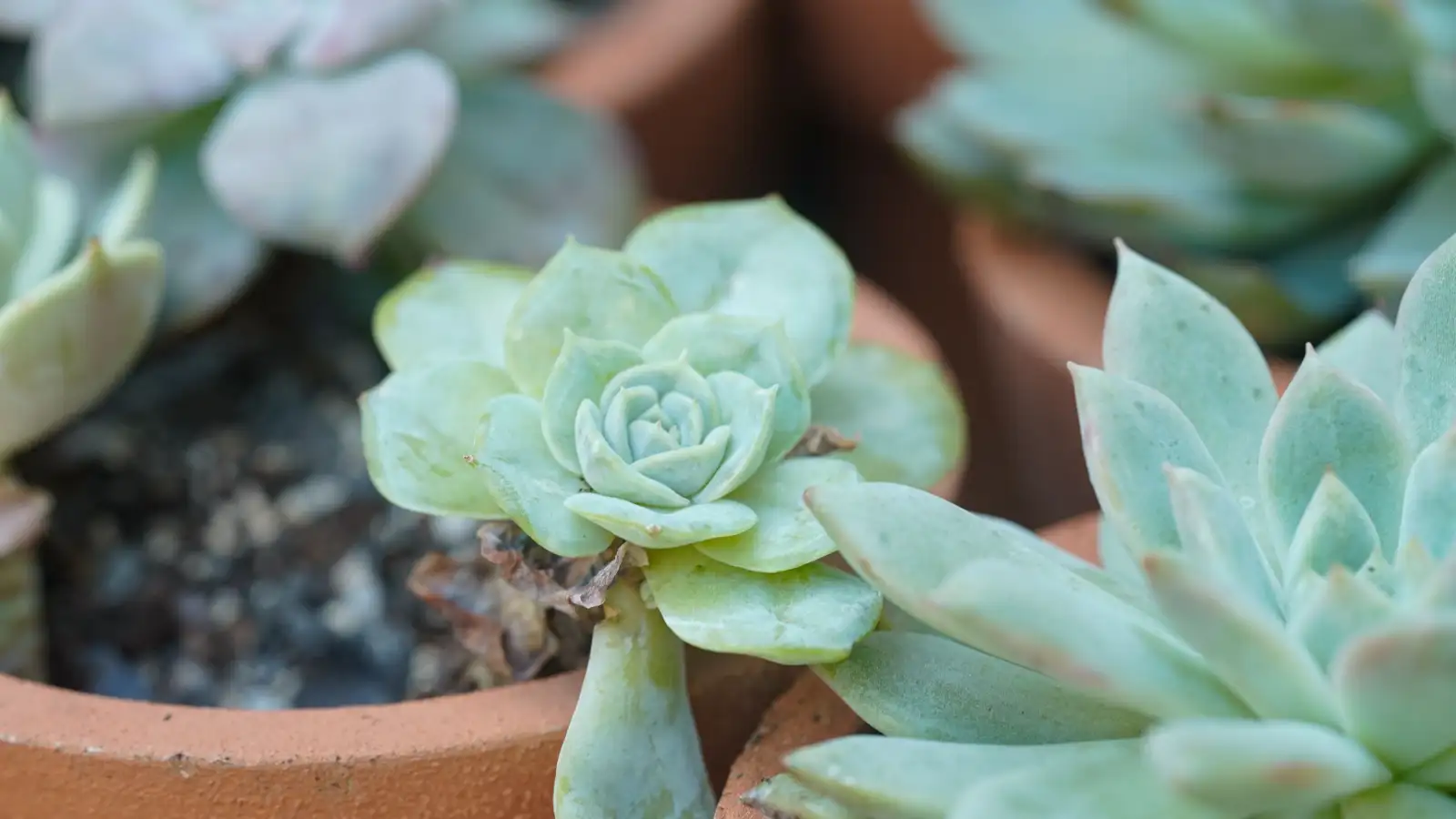
Safe Fungus Gnat Treatments That Won't Harm Your Succulents
Oils and soaps burn succulent leaves. Choose soil drenches, Bti, or nematodes instead, read the full label, and know when to skip treatment entirely.

Four Steps to Eliminate Fungus Gnats from Succulent Pots
Dry the top inch, trap the adults, drench with Bti, and repeat on the gnat life cycle. A four-week schedule that treats every succulent pot at once.
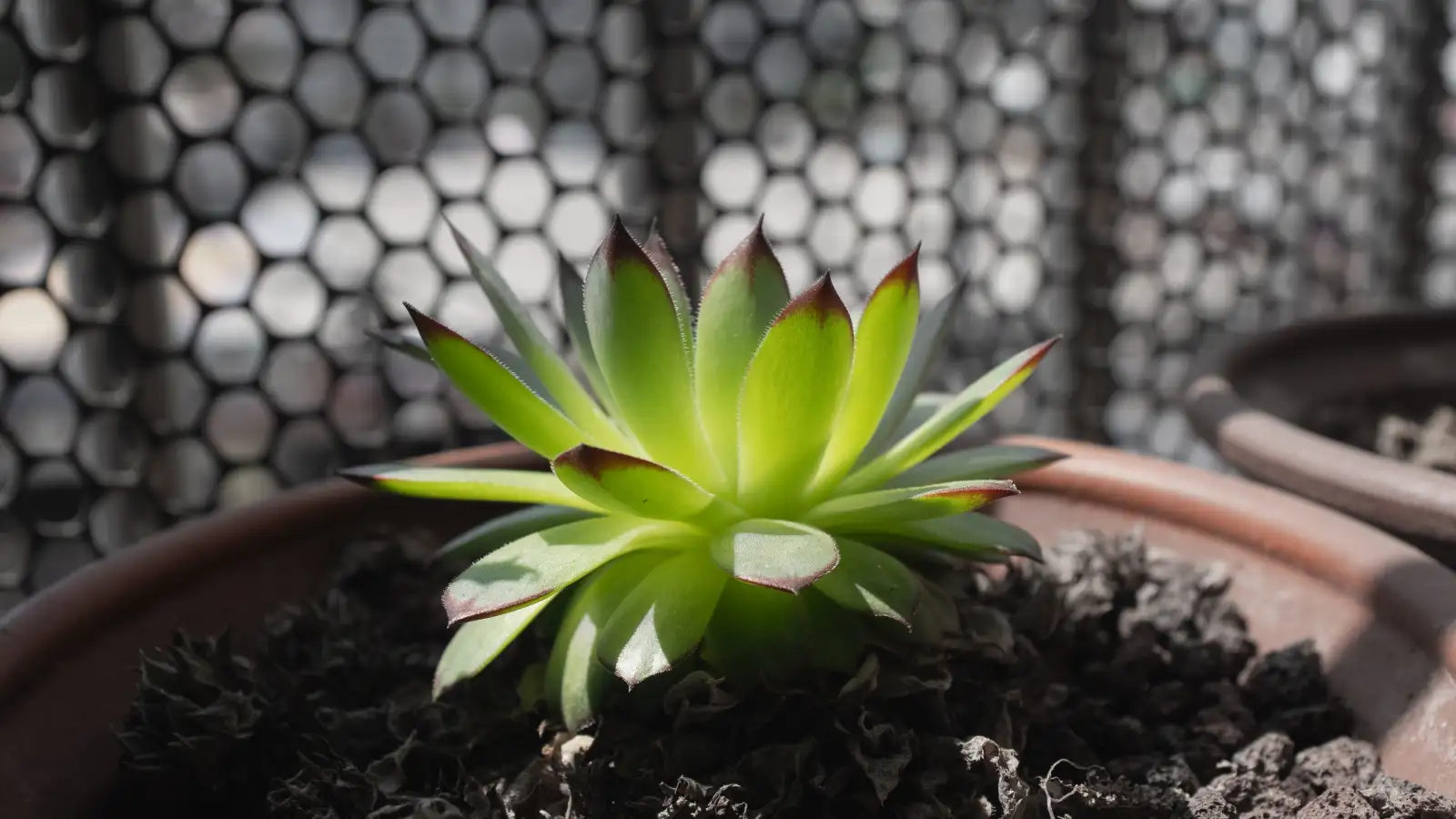
Hidden Root Damage Fungus Gnat Larvae Cause in Succulents
Clear, black-headed larvae in the top inch of soil chew root tips, causing yellowing, wilting, and stalled growth. Here is how to find them and read the damage.
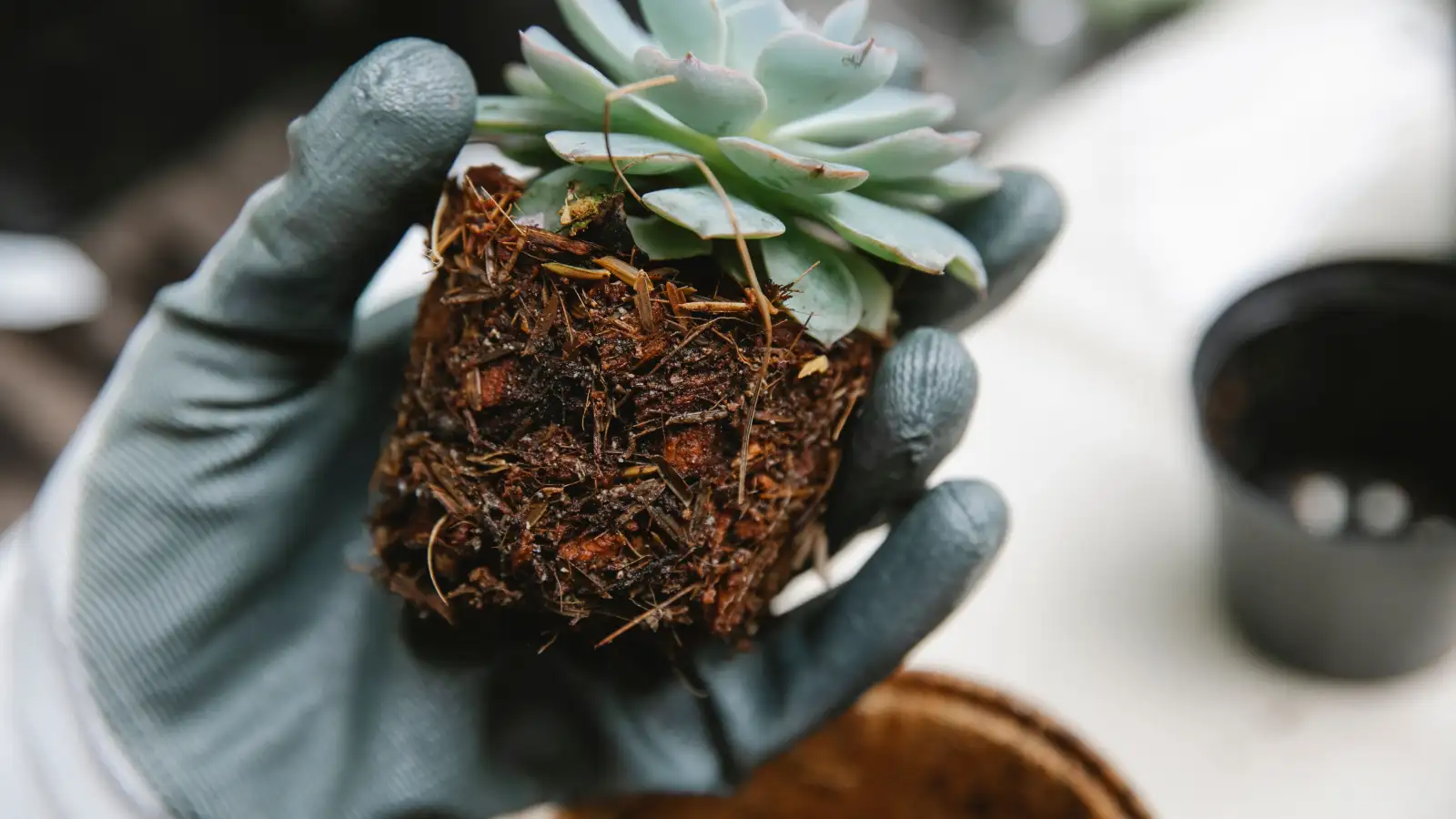
Fungus Gnats Don't Cause Root Rot, But Here's What Does
Fungus gnats don't rot succulent roots. They signal the wet soil that does. How to tell larval damage from fungal rot and treat both problems in one move.

How Succulent Owners Can Keep Fungus Gnats Away for Good
Fungus gnats in succulents come from wet soil and unquarantined plants. A habit-by-habit prevention checklist built around drying the top inch.
Fungus Gnats or Fruit Flies? Identifying Flies on Succulents
Learn to tell fungus gnats from fruit flies, whiteflies, and shore flies on succulents by where they stand, how they fly, and the shape of the adult.