Safe Fungus Gnat Treatments That Won't Harm Your Succulents
The treatment least likely to hurt a succulent is a soil drench of Bti or beneficial nematodes, mixed at the dilution printed on the package and poured into a pot that is already due for watering. Not a foliar spray, and never an oil or insecticidal soap misted over the leaves. Fungus gnat larvae live in the top inch or two of moist soil, feeding on fungi, algae, and root hairs, so that is where the product has to go. The leaves are not the target. The leaves are what a spray bottle damages.
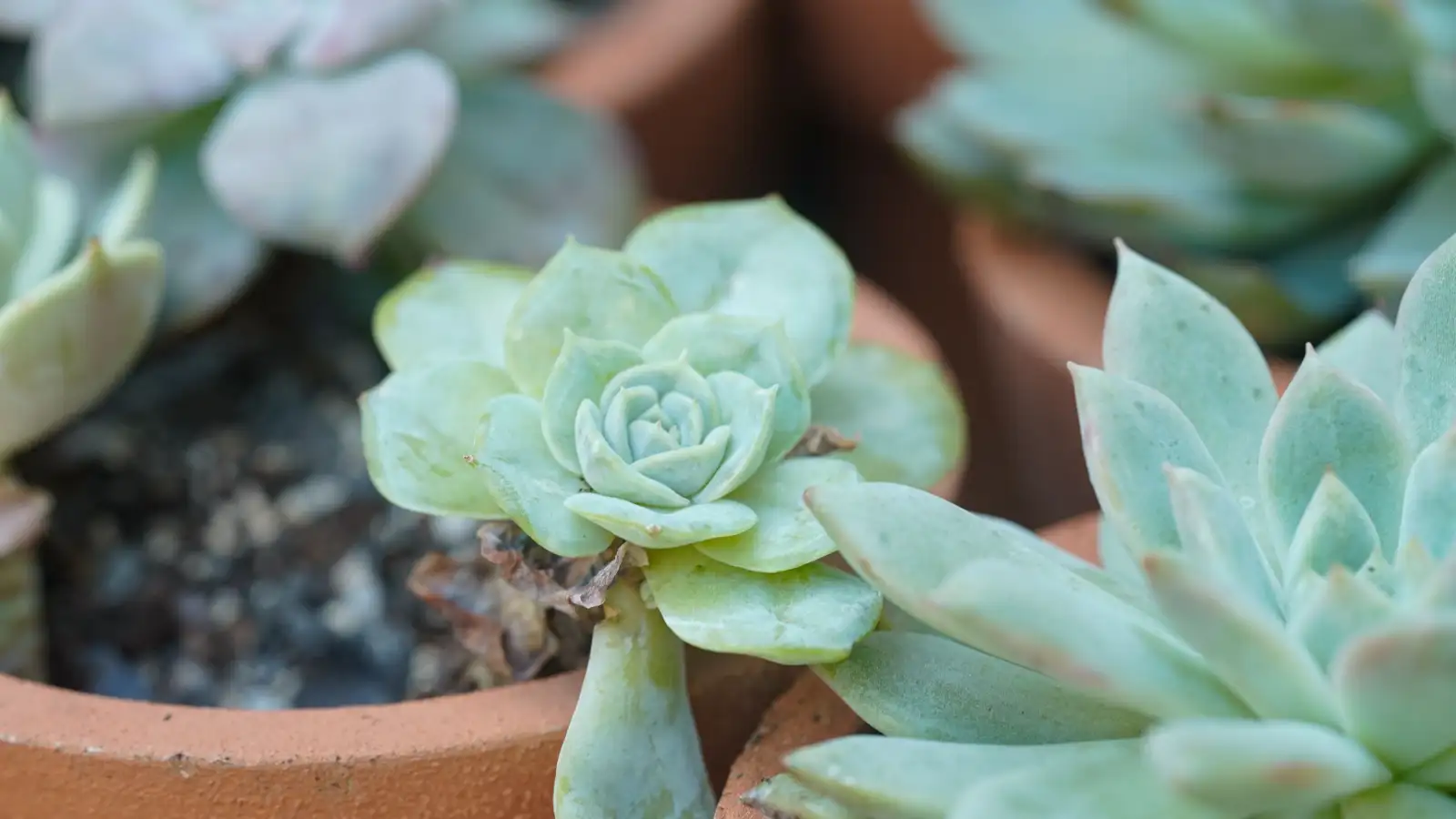
There is a yellow sticky card in the pot of haworthia on my kitchen windowsill, and on a bad week it collects thirty-odd little black flies. The first time that happened, I did exactly what the forum threads told me to do: mixed up a spray bottle of neem and water and soaked the whole plant at nine in the morning, right before the window got bright. Three days later the two lowest leaves had dull gray-brown patches on the top surface, like something had breathed on them too close. That is not rot and it is not a fungus. That is phytotoxicity. The oil, the light, and a leaf that was never designed to be wet did the work together, and those scars are permanent.
So the spray bottle stays under the sink now, and what I actually use is a drench. Here is how I decide what goes in the pot.
Where the gnats actually are
Scratch the top half inch of soil with a chopstick and look at it under a lamp. If the mix is dark, clumpy, and smells like a wet basement, you have found the nursery. The adults flying around are annoying but essentially harmless to the plant. The larvae are the ones chewing root hairs and opening wounds that rot moves into. They cannot survive in dry soil, and that single fact is why every chemical-only answer is a partial answer.
Why oils and soaps are the wrong tool on a succulent leaf
Succulent leaves have a waxy cuticle, often a visible powdery bloom, and a lot of them hold water in tissue that sits close to the surface. Horticultural oils dissolve that waxy layer. Insecticidal soaps strip it. Neither evaporates off a thick, fleshy leaf the way it evaporates off a tomato leaf, and if the plant is in a south window or under a grow light, whatever residue is left on the surface behaves like a lens. The damage usually shows up two to five days later as pale mottling, brown spotting, or a dry papery patch, and it shows up on the side facing the light.
If you are going to use a product anyway, and there are situations where that is reasonable, do a compatibility check on one leaf first. Pick a lower, older leaf. Put a small dab on one spot, not the whole leaf, and keep the pot out of direct sun for two days. Look again at day seven. If there is any discoloration where the dab was, the plant is telling you no, and you have lost one old leaf instead of the crown. Do not test on new growth or anywhere near the growing point. And a test is not permission. It only tells you whether that plant tolerates the product, not whether the label allows it on that plant in the first place.
Read the whole label, including the parts that say no
Every treatment article tells you to read the label. Almost none of them tell you what to look for, so here is my actual list.
The use site. For use on indoor plants or ornamental plants in and around the home is what you want. A product labeled only for outdoor ornamentals does not become an indoor product because it is raining.
The application method. Some concentrates are labeled as a spray, some as a drench, some as both. If the label only lists foliar application, it is not giving you a drench rate, and you cannot invent one.
The do-not-apply-to list. This is where you find the sensitive plants, the newly planted material, and the temperature ceiling above which you are not supposed to spray anything at all.
The interval and the cap. Do not apply more than X times per season and wait X days between applications. That is what keeps a fix from turning into a weekly habit that weakens the plant.
Reentry and pets. If you cannot be in the room for four hours, that matters in a small apartment, and it matters more for a plant on a kitchen counter.
More is not more shows up on essentially every label in some form. Concentrates get mixed at the label rate or they get mixed wrong.
Drenching without drowning
The trick with a soil drench on a succulent is that the drench is one of the waterings. Not an extra one. If the pot is already wet and you pour a treatment through it, you have just given a desert plant its second soaking in three days, and the gnats will be back before the rot even shows.
So the sequence is this. Skip the next scheduled watering. Wait until the pot is genuinely light and the top inch is dry. Then mix the drench and use it in place of that watering. Water until it runs out the bottom, then stop. Do not leave it sitting in the saucer. Do not pour it down the crown of a tight rosette. Go around the rim, at the soil line, and let it soak in. If you can, bottom-water with the drench: set the pot in a container of it and let the mix pull up through the drainage holes. That keeps the leaves completely dry and gets the product into the root zone, which is where the larvae are.
Two weeks later, do it again. Gnats have overlapping generations, and one pass misses the eggs.
Bti, done properly
Bti, the bacterium sold in mosquito control dunks and granules, kills gnat and mosquito larvae and basically nothing else. It is about as targeted as a treatment gets, and I have never seen it mark a leaf, because it never touches one.
The mistake is crumbling the granules or dropping a dunk on the soil surface. That material has to sit in water to release the toxin, and if you leave it on the soil it keeps the top layer wet, which feeds the fungus the larvae are eating. You have built them a buffet. Instead, soak the dunk in a gallon of water overnight, which is what most labels describe, and then use that water as your drench. Strain out the solids if you are bottom watering.
Bti does not persist long in soil, so it is a repeated-drench tool, not a one-and-done. It is also useless against the adults, which is why the sticky card still fills up for a week or two after you start. That is normal. Watch whether the new card fills more slowly than the last one.
Beneficial nematodes, and the moisture problem
Steinernema feltiae are living organisms. They arrive refrigerated, they carry a use-by date, and they die if you leave them in the sun or mix them with something that kills them. Mix per the package, apply in the evening, and use the whole batch. You cannot save half a package in the fridge for next month.
Here is the honest tension: nematodes need a moist film of water to travel through soil, and succulents do not want to be moist. You do not solve that by soaking the pot. You solve it with timing. Apply them on a day the pot is due for water anyway, get them into the top inch where the larvae are, and then let the soil dry on its normal schedule. Do not add a follow-up watering to help them along, and do not apply to bone-dry mix either, because they will just die. Do not tank-mix them with peroxide, heavy drenches, or anything with a preservative in it.
Systemics are the one to think hardest about
Imidacloprid and similar soil-applied systemics are absorbed by roots and move through the plant. That is the appeal: one application, weeks of coverage, no spraying. It is also the reason to slow down.
The active ingredient ends up in pollen and nectar. On an outdoor succulent that flowers, and plenty of them do, that means bees and other pollinators are drinking it. If the plant is on a balcony where anything pollinates, that is a real cost, not a hypothetical one. Follow label directions exactly, do not treat plants in bloom if the label prohibits it, and think twice before treating a plant you plan to move outside for the summer.
There is a second issue: how any given succulent handles it. Succulents are an enormous group, and a jade, a lithops, and an aloe are barely the same organism. Labels do not break them out individually. I have watched a crassula sulk after a granular application and I have watched tougher plants take the same thing without a mark. That is exactly why the one-leaf check and the label rate matter more here than anywhere else. If the label does not list your use site, that is your answer.
If the pot lives outside, protect the wrong insects
A porch or balcony pot is a different situation, because anything you apply can drift. Apply at dusk, when bees and hoverflies are not flying. Move or cover blooming plants. Do not spray on a windy day, and do not put anything on a plant whose flowers are open, even if those flowers belong to a different pot nearby. Watch where the runoff goes, because a saucer or a neighbor's herbs are downstream of you.
When to put the bottle down
There are plants I simply do not treat, and I get better results by waiting.
A heat-stressed plant in August on a hot windowsill, where the leaf surface is already running warm. A plant repotted within the last couple of weeks, because the roots are damaged and uptake is unpredictable, and a drench is one more insult on top. A plant that is already soft and translucent at the base, or dropping lower leaves. That is rot. The gnats are secondary, and what that plant needs is surgery and drier mix, not a pesticide. A dormant plant in its off season. A plant that has already been treated inside the label's interval.
And honestly, for a single small pot, the cleanest option is often no product at all: dump the old soil, rinse the roots, repot into fresh gritty mix, and get the old medium into the trash outside. No chemical, no leaf exposure, and the larvae are gone in one move.
The order that actually works
Fix the moisture before you fix the gnats. Bottom-water. Use a grittier mix. Top-dress with a dry layer of pumice or gravel. Let the pot get light between waterings. Keep the sticky card in place as your scoreboard. Then, if you still need something, treat the soil, use a soil-specific tool, read the whole label, and count the drench as one of the waterings rather than an extra one.
The gnats were never the emergency. They were the meter. Every one of them is telling you the soil has been staying wet, and the plant actually at risk is the one sitting in it.
Educational content only: check with a qualified horticulturist, licensed pesticide applicator, or your local extension office before acting on anything specific.

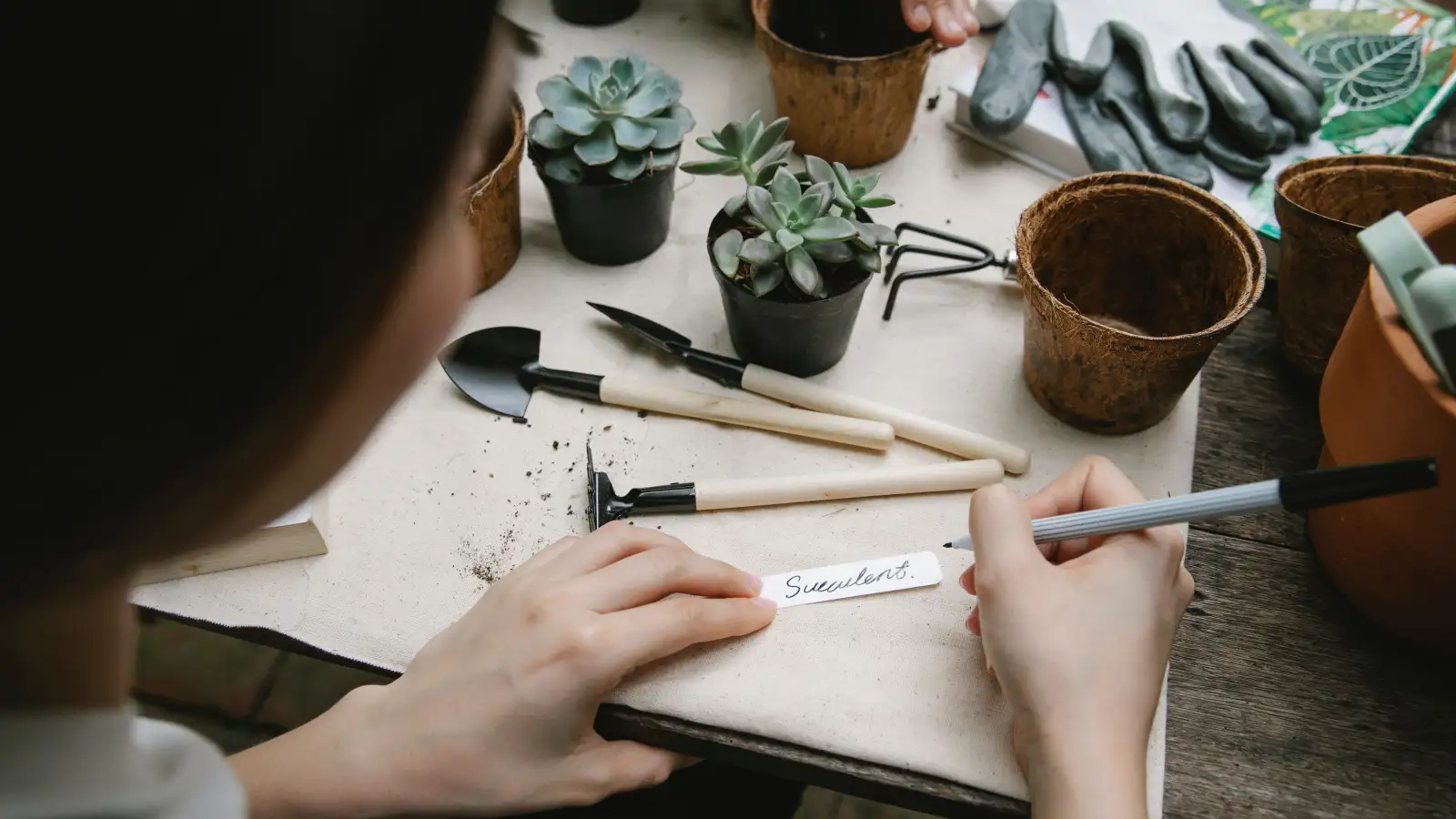
Four Steps to Eliminate Fungus Gnats from Succulent Pots
Dry the top inch, trap the adults, drench with Bti, and repeat on the gnat life cycle. A four-week schedule that treats every succulent pot at once.
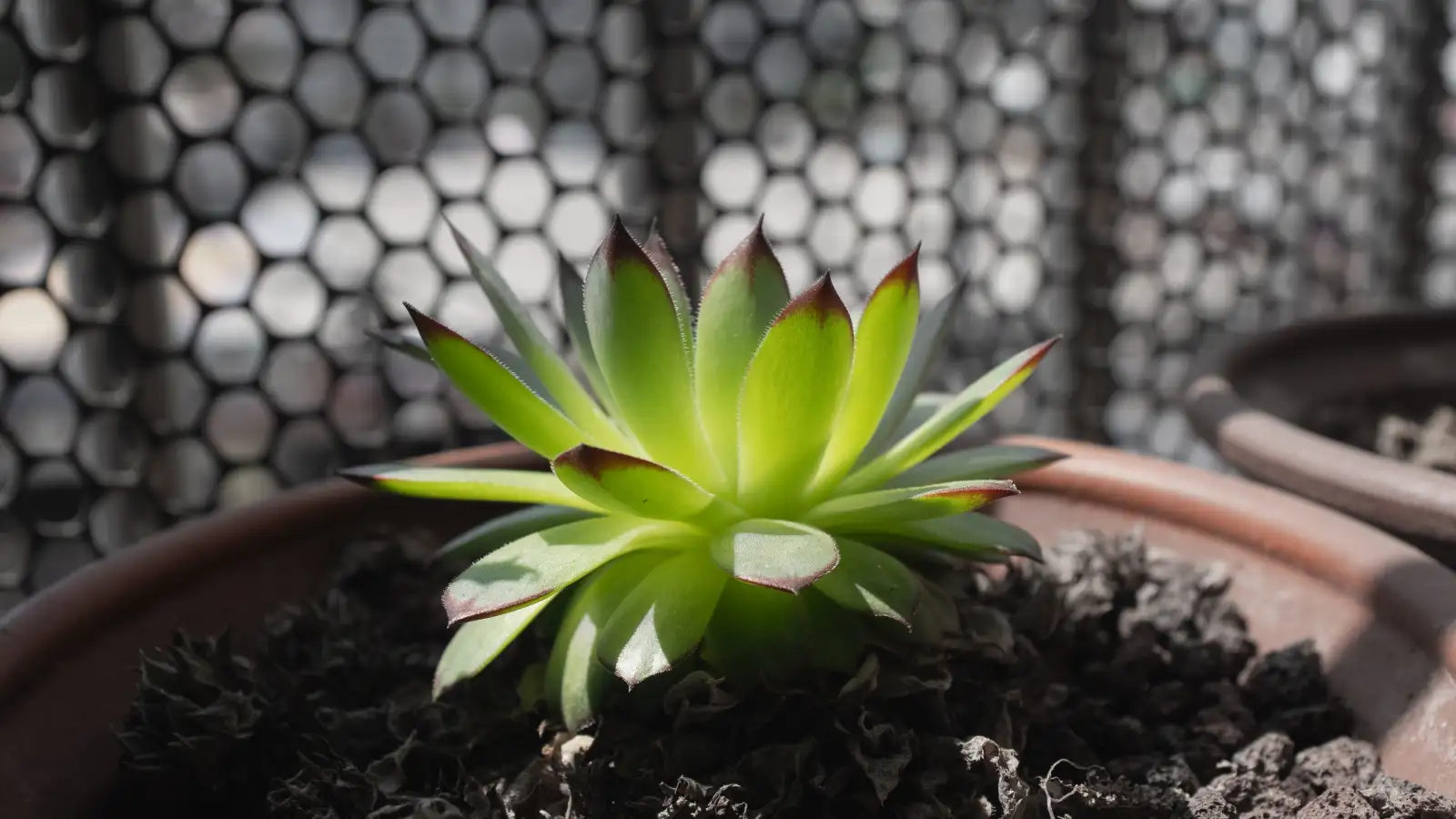
Hidden Root Damage Fungus Gnat Larvae Cause in Succulents
Clear, black-headed larvae in the top inch of soil chew root tips, causing yellowing, wilting, and stalled growth. Here is how to find them and read the damage.
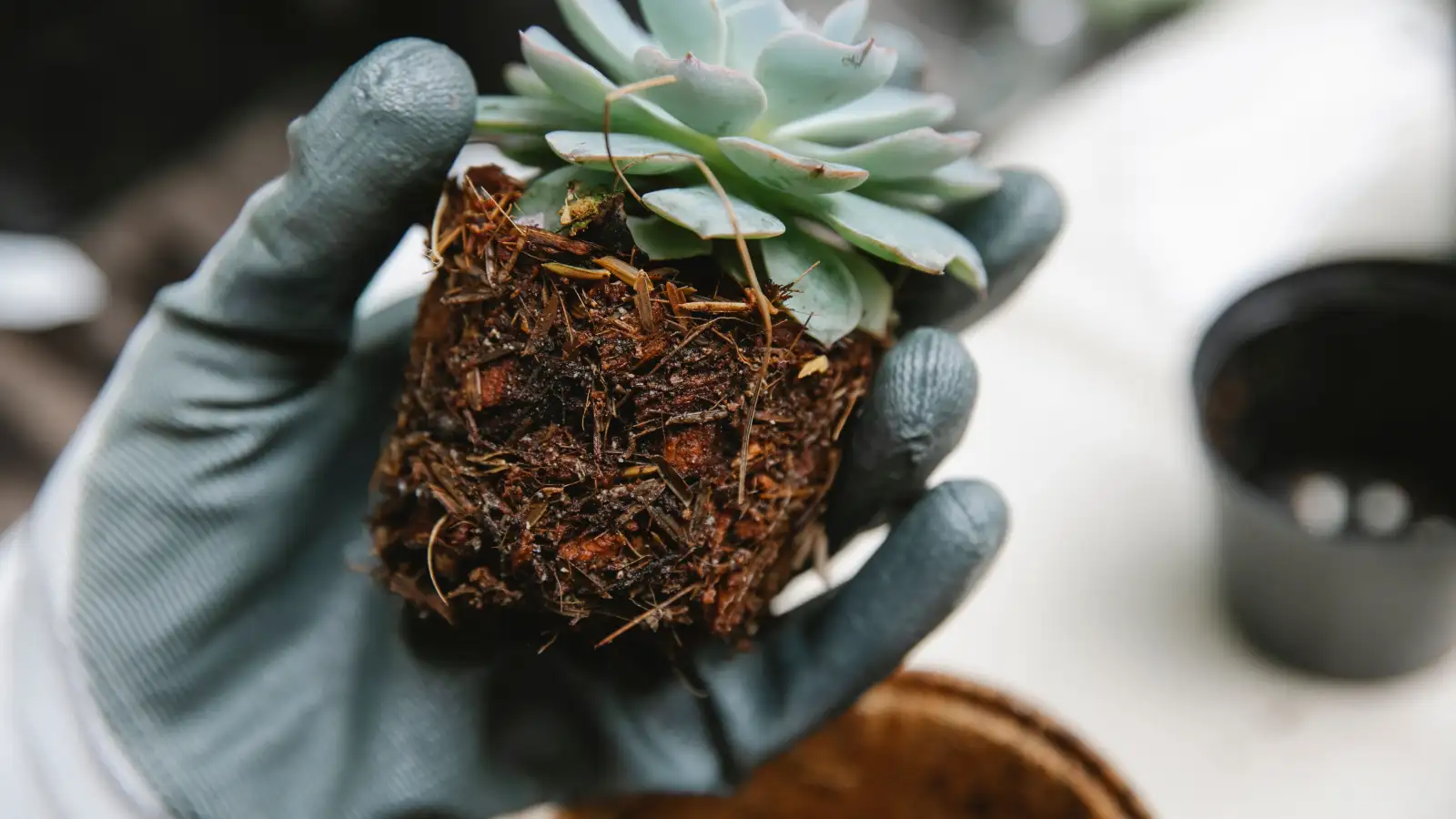
Fungus Gnats Don't Cause Root Rot, But Here's What Does
Fungus gnats don't rot succulent roots. They signal the wet soil that does. How to tell larval damage from fungal rot and treat both problems in one move.
How Succulent Owners Can Keep Fungus Gnats Away for Good
Fungus gnats in succulents come from wet soil and unquarantined plants. A habit-by-habit prevention checklist built around drying the top inch.
Fungus Gnats or Fruit Flies? Identifying Flies on Succulents
Learn to tell fungus gnats from fruit flies, whiteflies, and shore flies on succulents by where they stand, how they fly, and the shape of the adult.
The Fungus Gnat Life Cycle Stage That Keeps Them Coming Back
Eggs hatch in 3 to 6 days, larvae feed for 10 to 14, pupae rest for 4 to 6. Here's the repeat schedule that ends fungus gnats in succulent pots for good.