How Succulent Owners Can Keep Fungus Gnats Away for Good
Fungus gnats get into a succulent collection through specific habits, not bad luck. The colony needs soil that stays moist at the surface — usually a peaty, water-holding mix in a pot that gets watered on a calendar instead of on demand — and it needs a way in, which is almost always a new plant that went straight from the store to the shelf. Dry the top inch between waterings, build a mix gritty enough to dry fast, and quarantine every new arrival for two weeks, and there is nothing left for them to breed in.
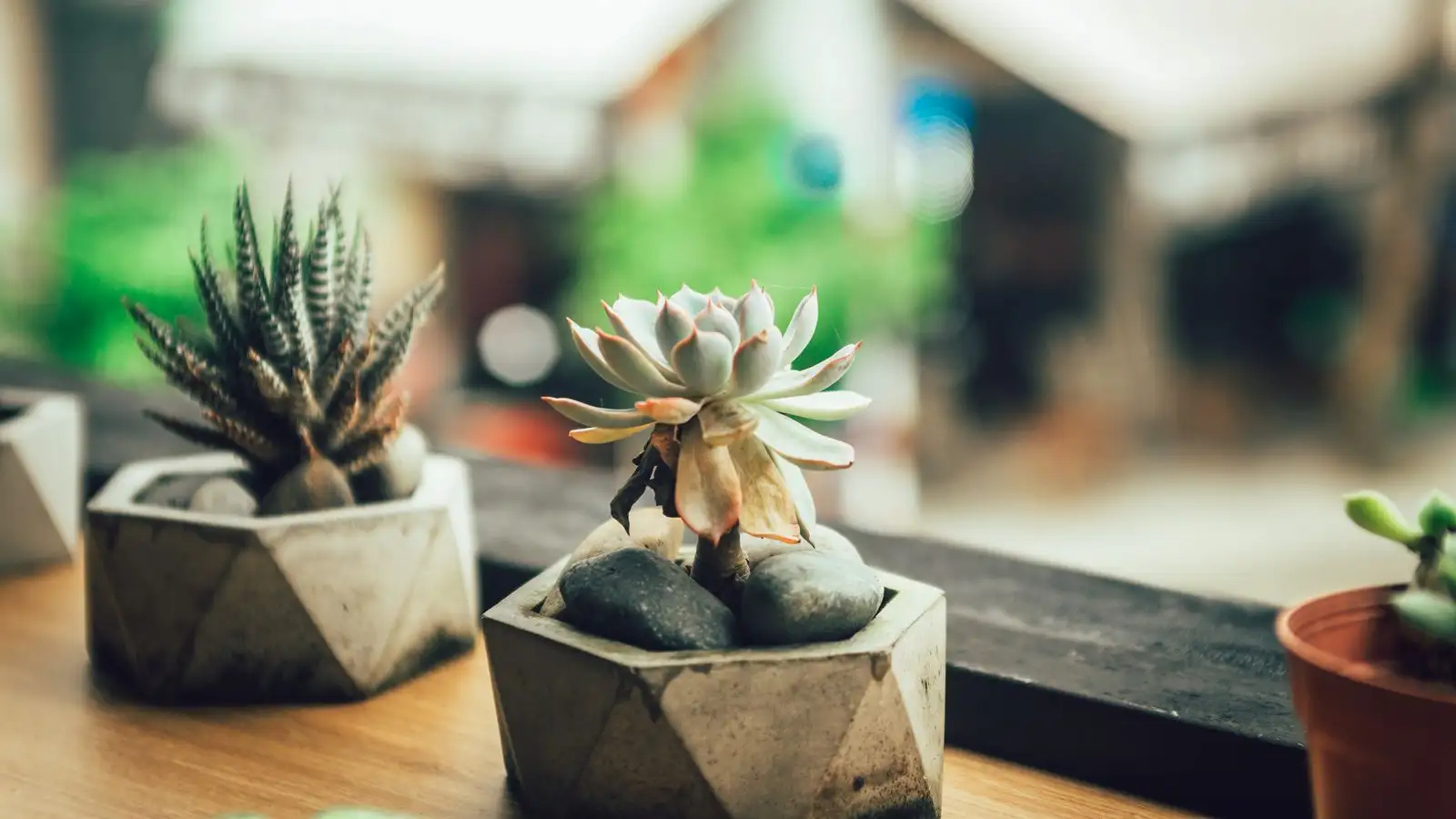
The pot tells you before the flies do
I check my shelves in the morning, before the grow lights come on and the room warms up. That is when the adults are sluggish and sit on the rim instead of flying. But the flies are the late signal. The early signal is in your hand.
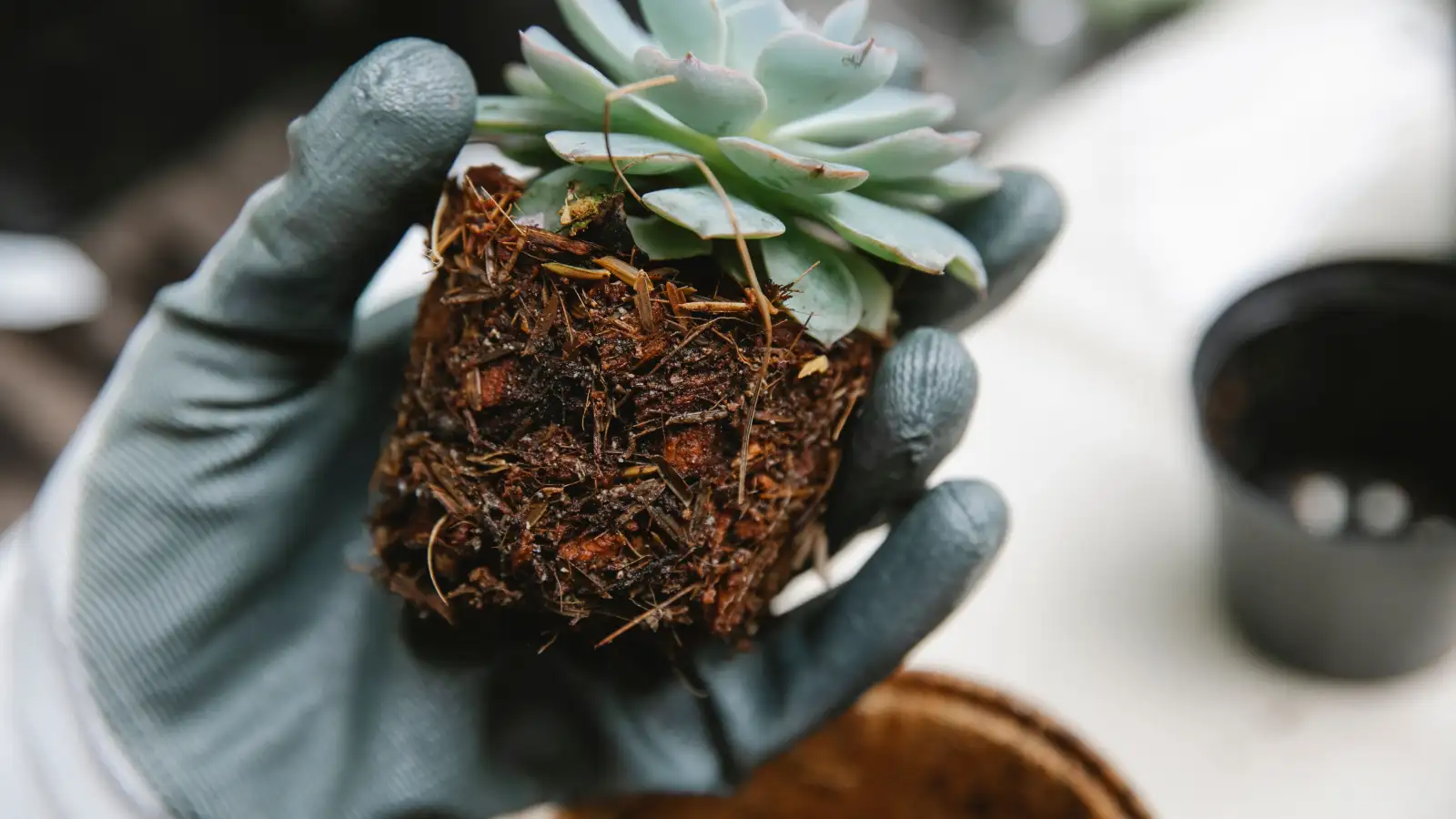
Pick up a four-inch pot by the base and hold it. A succulent in a gritty mix a week after a good watering should feel almost weightless, like a paper cup. If it has that dense, settled weight — the kind where you can feel the moisture sitting low in the pot — you don't need to look at anything else. That pot is a candidate, and if a female gnat has found it, she already laid eggs in the top inch.
Then check the surface itself. Push a chopstick or the back of your finger down an inch. Not damp. Not cool. Dry. If it isn't, you either water less often or you change the mix, because a moist top inch is the entire habitat a fungus gnat needs.
What actually changes the watering
The fix isn't "water less." That's how people kill succulents. It's water differently, and water on demand.
Soak the pot until water runs out of the drainage hole so the whole root ball gets wet evenly, then leave it alone until the top inch reads dry and the pot has lost that heavy feel. In my conditions — a warm room, four-inch terracotta, gritty mix — that lands somewhere around ten days to two and a half weeks, depending on the season and the pot size. Cool room or glazed pot, longer. The calendar doesn't matter; the pot does.
Bottom watering helps, and I use it for the pots I'm most worried about, because the surface never gets wet and larvae can't colonize a dry surface. But it isn't a cure on its own. A peaty mix in a deep pot can stay saturated in the middle while the top looks and feels dry. Bottom watering in fast-draining mix is a good habit. Bottom watering in a mix that holds water is just a slower way to keep the soil wet.
The mix is where you win or lose
Fungus gnat larvae don't eat your succulent. They eat the fungi and the decaying organic matter in the soil, which is why a rich, moisture-holding mix is a nursery and a gritty one isn't. Peat, coir, compost — all of that is both food and sponge. Perlite, pumice, and grit are neither.
I mix for roughly half mineral, half organic, and for anything in a pot under four inches I push the mineral side higher, because small pots dry unevenly and the extra grit buys you a day. Then I top-dress. A layer of coarse grit or small pumice over the surface means the top half inch dries within hours of watering, and a female gnat landing there finds nothing worth laying in. It's a small thing that does a lot of work.
The honest tradeoff: gritty mix dries fast, and that's a problem for propagation trays and rooting leaves that want consistent moisture. Which is exactly why those trays are the highest-risk pots in a lot of collections. Keep propagation separate from your established plants and treat those trays like they're already suspect.
Two weeks, not two days
Every new plant is a delivery vehicle. Eggs and larvae arrive in the soil, not on the leaves, so a plant can look perfect and still be carrying a generation.
I quarantine for two weeks minimum, in a different room, on a bare saucer, away from everything else. Two weeks is enough time for eggs already in the soil to hatch and produce adults you can actually see, especially if you water the pot once during that window. During quarantine I check the drainage hole and the saucer, not just the surface — larvae and pupae turn up in both.
Repotting a new plant into fresh gritty mix before it ever meets the shelf is even better, because nursery soil is usually the water-holding kind. But I don't do that to a plant that's already stressed from shipping. If it looks rough, I let it recover in quarantine first and repot later. Moving a struggling plant into new mix is how you turn one problem into two.
Traps tell you before your eyes do
I keep one yellow sticky trap in each pot for the first month after a purchase, and one on each shelf year-round. On a clean collection they stay empty. That emptiness is the information — it means nothing is breeding.
What matters is the timing. The adult you catch today is the end of a cycle, not the beginning. It hatched from soil that was wet weeks ago. So one gnat on a trap isn't a pest problem yet; it's a message that some pot is staying moist somewhere, and you have a head start on finding it. A trap that fills up over two weeks means you're already behind.
The surface is not decoration
Fallen leaves are the least dramatic and most overlooked part of this. A succulent drops its lower leaves as it grows, and if they land on damp soil they rot there. Rotting leaf tissue on a moist surface is exactly the substrate larvae feed on.
I pull fallen leaves every time I water. Not occasionally — every time, from every pot, including the ones that look clean. In a crowded tray or a flat of small plants, leaf litter builds up where you can't see it, and that's usually where the first flies come from.
Keep the bag closed
The potting mix you buy can already contain gnats or their eggs. I've had a bag arrive from a shop that was sitting open on a shelf. Once I open a bag, it goes into a lidded bucket or a sealed bin. The open bag in the corner of the garage is a standing invitation, because adult gnats are everywhere outside and damp potting mix is exactly what they're looking for.
The part I'd tell you not to skip
None of this is a one-time project. The habits — lifting the pot, checking the top inch, emptying the traps, picking out the leaves — are the actual prevention. I still do all of them on a collection that hasn't had a gnat in two seasons, because it only takes one purchase, one wet pot, one ignored tray to start it again.
And the limitation worth stating plainly: this is prevention. If gnats are already cycling in your collection, drying the surface slows them and traps catch adults, but neither one breaks a population that's already breeding in multiple pots. That's a treatment job, and it's a different article. What the habits here do is make sure you don't have to do it a second time.
Educational content only: check with a qualified horticulturist, licensed pesticide applicator, or your local extension office before acting on anything specific.

Safe Fungus Gnat Treatments That Won't Harm Your Succulents
Oils and soaps burn succulent leaves. Choose soil drenches, Bti, or nematodes instead, read the full label, and know when to skip treatment entirely.
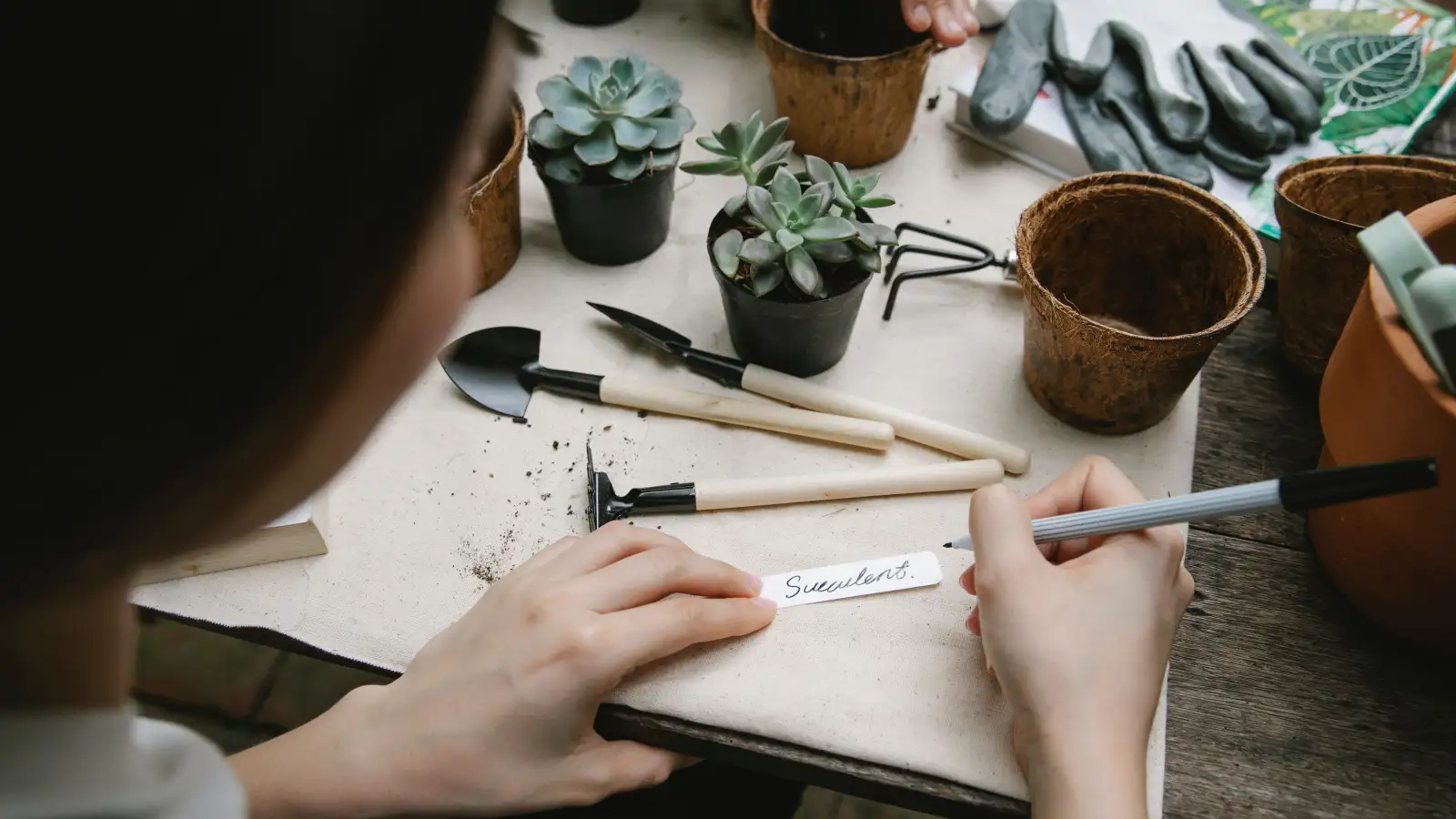
Four Steps to Eliminate Fungus Gnats from Succulent Pots
Dry the top inch, trap the adults, drench with Bti, and repeat on the gnat life cycle. A four-week schedule that treats every succulent pot at once.
Hidden Root Damage Fungus Gnat Larvae Cause in Succulents
Clear, black-headed larvae in the top inch of soil chew root tips, causing yellowing, wilting, and stalled growth. Here is how to find them and read the damage.
Fungus Gnats Don't Cause Root Rot, But Here's What Does
Fungus gnats don't rot succulent roots. They signal the wet soil that does. How to tell larval damage from fungal rot and treat both problems in one move.
Fungus Gnats or Fruit Flies? Identifying Flies on Succulents
Learn to tell fungus gnats from fruit flies, whiteflies, and shore flies on succulents by where they stand, how they fly, and the shape of the adult.
The Fungus Gnat Life Cycle Stage That Keeps Them Coming Back
Eggs hatch in 3 to 6 days, larvae feed for 10 to 14, pupae rest for 4 to 6. Here's the repeat schedule that ends fungus gnats in succulent pots for good.