Fungus Gnats Don't Cause Root Rot, But Here's What Does
Fungus gnats do not cause root rot in succulents. The adults fly around and do almost nothing; the larvae feed on the fungi and the decaying organic matter that wet, sour soil grows. A cloud of gnats over a pot is a signal that rot conditions are already in place, not the thing that started them. The rot itself comes from water sitting in soil that can't dry out fast enough, and from the water molds and bacteria that move in behind it.
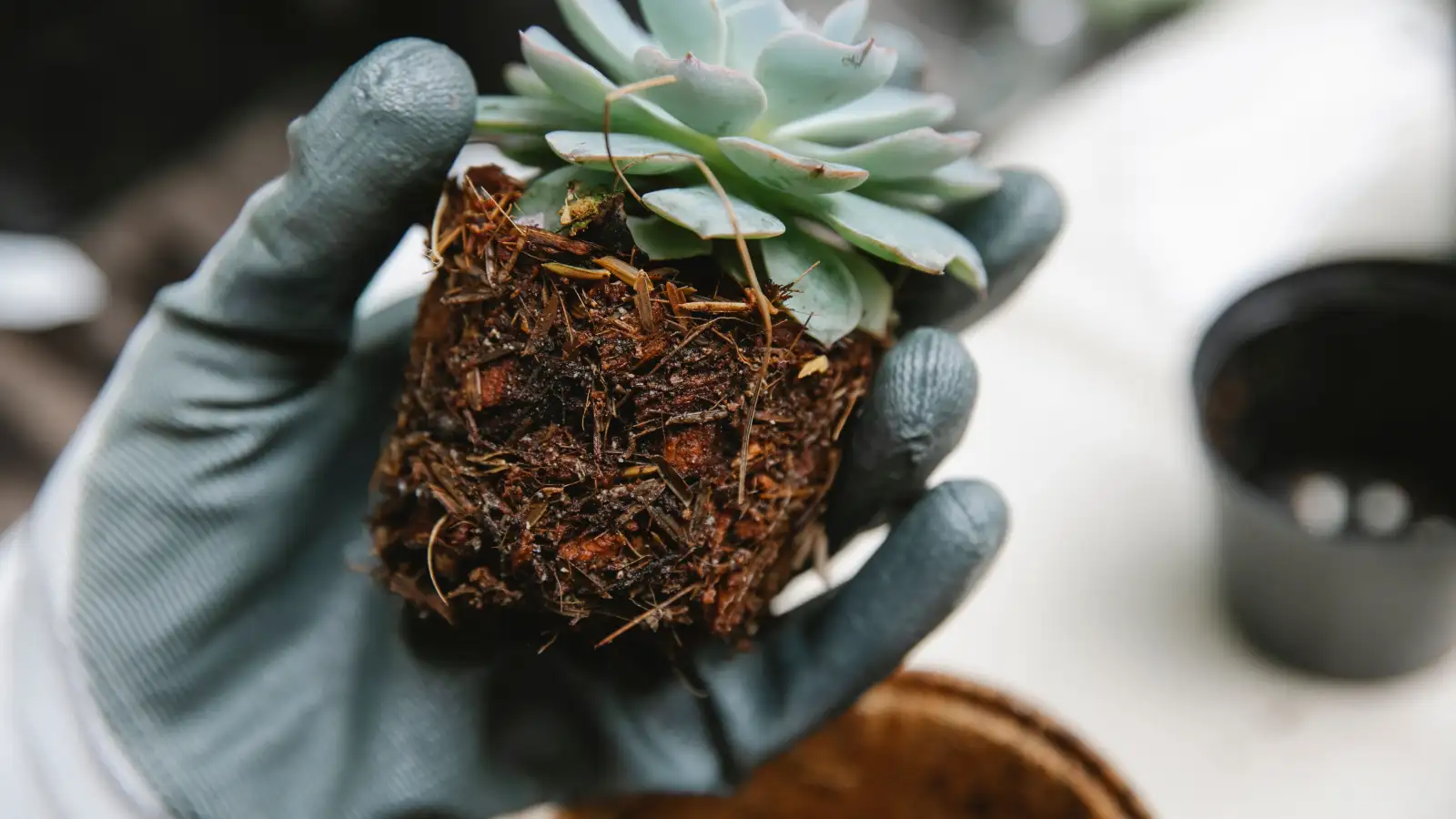
I found that out the slow way, on my kitchen counter, with the newspaper already spread and a four-inch jade in my hand.
I bumped the pot loose the way you do it — fingers spread across the soil, pot turned over, rim tapped on the counter edge — and the whole root ball slid out in one wet lump. That was the first wrong thing. A succulent root ball should come out dry-ish and hold together like a plug of crumbs. This one slumped like a scoop of wet coffee grounds.
Then the smell. Not dramatic. Sweetish and earthy, a little like a basement after a slow leak. If you've ever pulled a plant out of a pot and thought, huh, that smells like a pond, you already know it.
I keep a cheap 5000K shop light clamped to the shelf above the counter, and I pulled it down low so I could actually see root detail instead of guessing. Under that light the roots split into two groups, and this is the part I want you to picture, because it's the whole article.
Some roots were black, shiny, translucent. When I ran a thumb down one, the outer layer slid off the core like a wet sleeve over a wire. Others were pale and firm, but nicked — small tan chew marks with clean edges, like someone had gone at them with a fingernail.
And in the clump of soil that fell away, two larvae. Clear, glossy, black head capsule, about the length of a grain of rice, curling and uncurling in the light. Two adults were already walking around the rim of the pot, because adults barely fly when you disturb them.
Both problems, one pot. And for two weeks I'd been treating them as one problem — sticky trap on the shelf, water a little less, wait and see — while the plant kept going backwards a leaf at a time.
Two problems living in the same wet soil
Gnats don't chew their way into healthy roots. Females lay eggs in the top inch or two of moist soil, and the larvae hatch and feed right there, on fungi — including the fungal growth that's already colonizing dead and dying root tissue. That's the sequence. Rot creates the food, the food supports the larvae, the larvae become the flying adults you finally notice.
Which means the gnat boom usually trails the start of the rot by a week or two. So when someone tells me "everything was fine and then suddenly there were gnats everywhere," I don't think the gnats did anything. I think the soil was quietly going bad, the roots started dying, and the gnats showed up to the aftermath.
Can larvae damage roots at all? They can graze on fine root hairs and surface tissue. In a succulent pot, that's not what kills the plant. The roots they're working on were already compromised by the wet soil, and the damage they leave looks different from rot — tan and clean-edged, on roots that are otherwise still stiff. Rot looks black, translucent, soft. It slips. It smells.
One honest caveat: in a tray of seedlings in a rich, moisture-holding mix, larval feeding matters a lot more than it does in a four-inch pot of gritty soil. That's not the situation most succulent owners are in, but it's why the advice you find online can sound more alarmist than what you'll actually see.
The confusing part is that both problems look identical above the soil. Yellowing, softening, dropping leaves, a plant that looks thirsty and won't plump back up no matter how much you water it. Gnats get noticed because they fly. Rot doesn't announce itself.
And the relationship runs in both directions without being a diagnosis on its own. I've had pots of rich mix grow gnats for months with perfectly healthy plants in them, because the soil stayed damp but the roots hadn't been breached yet. I've also had a plant rot with zero gnats — crown rot from water pooled in the center of the rosette after a top watering, or a plant sitting against a cold winter window. Gnats are a reason to go look. They're not the answer.
Unpot it. Both answers are under the soil.
You cannot sort this out from the top of the pot, no matter how good your eyeballs are. Do it when the soil is on the drier side if you can, because wet soil turns to mud in your hands and hides detail.
Here's what I do, in order:
- Turn the pot over and catch the root ball. Look at the crown first — the point where stem meets soil. That's where rot usually starts in succulents, and it's the tissue that matters most.
- Run lukewarm water over the roots if there's a lot of soil clinging. Cold water shocks them; hot water cooks them; lukewarm is fine.
- Tease the roots apart with a chopstick or a skewer rather than your fingers, so you can see individual roots instead of a mat.
- Get bright light on them. Not a dim kitchen. A real lamp, close.
- Squeeze. Firm is alive. Slippery, hollow, or collapsing is not.
- Smell. Rot has a smell. It's consistent enough that I trust it more than the color, because old soil stains roots brown without anything being wrong.
That's the diagnosis. Pale and firm with clean nicks means larvae have been nibbling and the soil is too wet for too long. Black, mushy, and smelly means rot, and if there are also larvae in the clump, the rot came first.
Why treating one and not the other wastes the effort
If you kill the gnats and leave the rot, the plant dies anyway. Worse, most of the gnat treatments people reach for involve keeping the soil wet — a drench, repeated waterings — which is exactly what the rot wants. You'll get a clean shelf and a dead plant.
If you cut the rot away and repot, but you repot into the same moisture-holding mix and go back to the same watering habit, you get gnats again in about two weeks and a fresh round of rot behind them. Same conditions, same outcome. You've done surgery on a patient who's going right back to the same job site.
The two problems share one root cause, which is why the fix has to be one move, not two campaigns.
Doing both at once
Start with the plant. Cut away everything soft with clean shears, sterilizing the blade between cuts with rubbing alcohol — I keep a little jar of it next to the cutting board. Keep cutting back until you hit tissue that's firm and pale. Check the crown and the top of the stem as carefully as the roots, because that's where rot hides.
Let the cut surfaces callus somewhere airy and out of direct sun for a few days. Then pot it into a gritty mix that drains fast, in terracotta if you have it, in a pot that fits the root system rather than one it can rattle around in. A big pot of soil around a small root ball is just a reservoir that keeps the roots wet.
That repot is also most of your gnat treatment, because the larvae are in the old soil and the old soil is now in the trash.
Then reset the watering. This is the actual gnat fix, and it's also just how succulents are supposed to be watered, so it isn't a second job: let the top inch to inch and a half go completely dry between waterings. Larvae need a moist surface layer to survive. Take that away and the population collapses on its own. Lift the pot instead of checking a calendar — heavy means wait, light means water.
A few things I've tried, with honest verdicts:
- Yellow sticky traps. Useful as a gauge, not a fix. They catch adults and tell you whether the population is falling. They do nothing about larvae.
- Topdressing with coarse grit or pumice. Helps some. Adults still find their way in around the pot edge and through the drainage holes. I use it more for stem health than for gnats.
- Bti drenches, the mosquito-dunk approach. They work, but they need repeated wet cycles to do it — which fights the drying-out your succulent actually needs. For a succulent shelf, I'd rather reset the soil than run a drench program. If you've got a philodendron or a seedling tray on the same shelf, treat those pots, because that's where the gnats are recharging from.
- Diluted hydrogen peroxide drenches. Recommended constantly. I've used one, but never in a clean enough comparison to tell you what it did, and if you're repotting anyway it's just extra moisture on a plant that needs less.
The useful thing to watch
After all this, the gnats don't disappear overnight. Adults hang around for a week or two and the count drops off slowly as the surface stays dry. So "are there still gnats" is a bad progress metric. The one I use is the new growth — three weeks out, is it coming in flat and firm, or is it soft and stretched? Firm new leaves from a plant that was going backwards is the signal that you fixed the conditions rather than just the insects.
When to give up on the plant
Not every succulent is worth a repot. If the crown is mush all the way up to the growing point, if the stem gives when you press it rather than holding firm, if the leaves have gone translucent and yellow and there's no firm tissue anywhere to cut back to — that plant is done, and keeping it on the shelf is how you spread the problem to its neighbors.
Bag it and put it in the trash outside, not the indoor compost. Don't reuse the soil. Wipe down the saucer and the shelf spot. Then look hard at every other pot in that area, because wet soil that rots one plant is usually wet soil in more than one.
There's often a partial save. If the stem is gone but a few upper leaves are still firm and dry to the touch, twist them off for propagation. Skip any leaf that's wet or sitting against rotted tissue — those carry the problem with them. I've gotten more plants back from a rot event through leaf propagation than through heroic surgery, and it costs you nothing to try while the rest of the plant goes in the bag.
Educational content only: check with a qualified horticulturist, licensed pesticide applicator, or your local extension office before acting on anything specific.

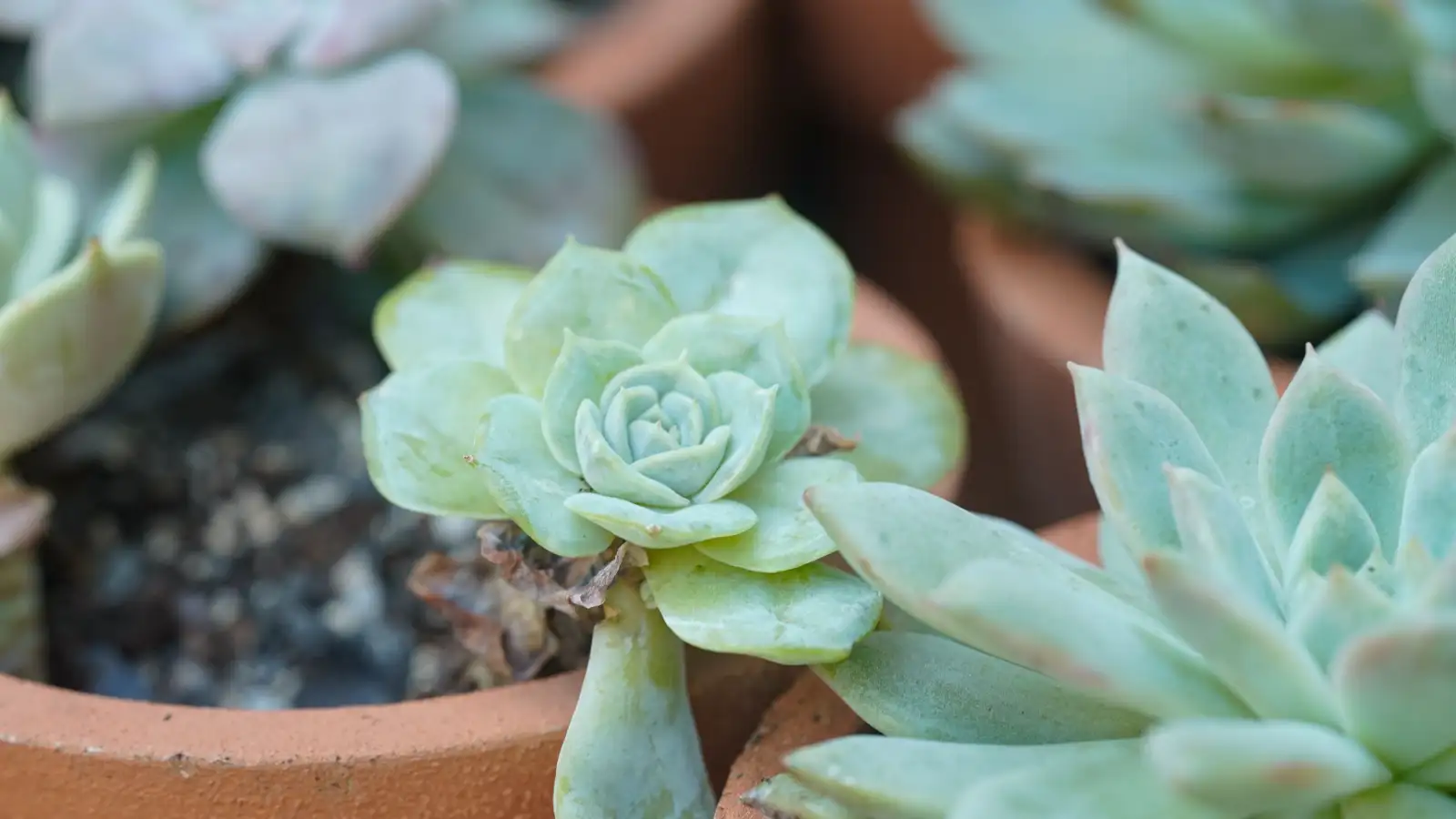
Safe Fungus Gnat Treatments That Won't Harm Your Succulents
Oils and soaps burn succulent leaves. Choose soil drenches, Bti, or nematodes instead, read the full label, and know when to skip treatment entirely.
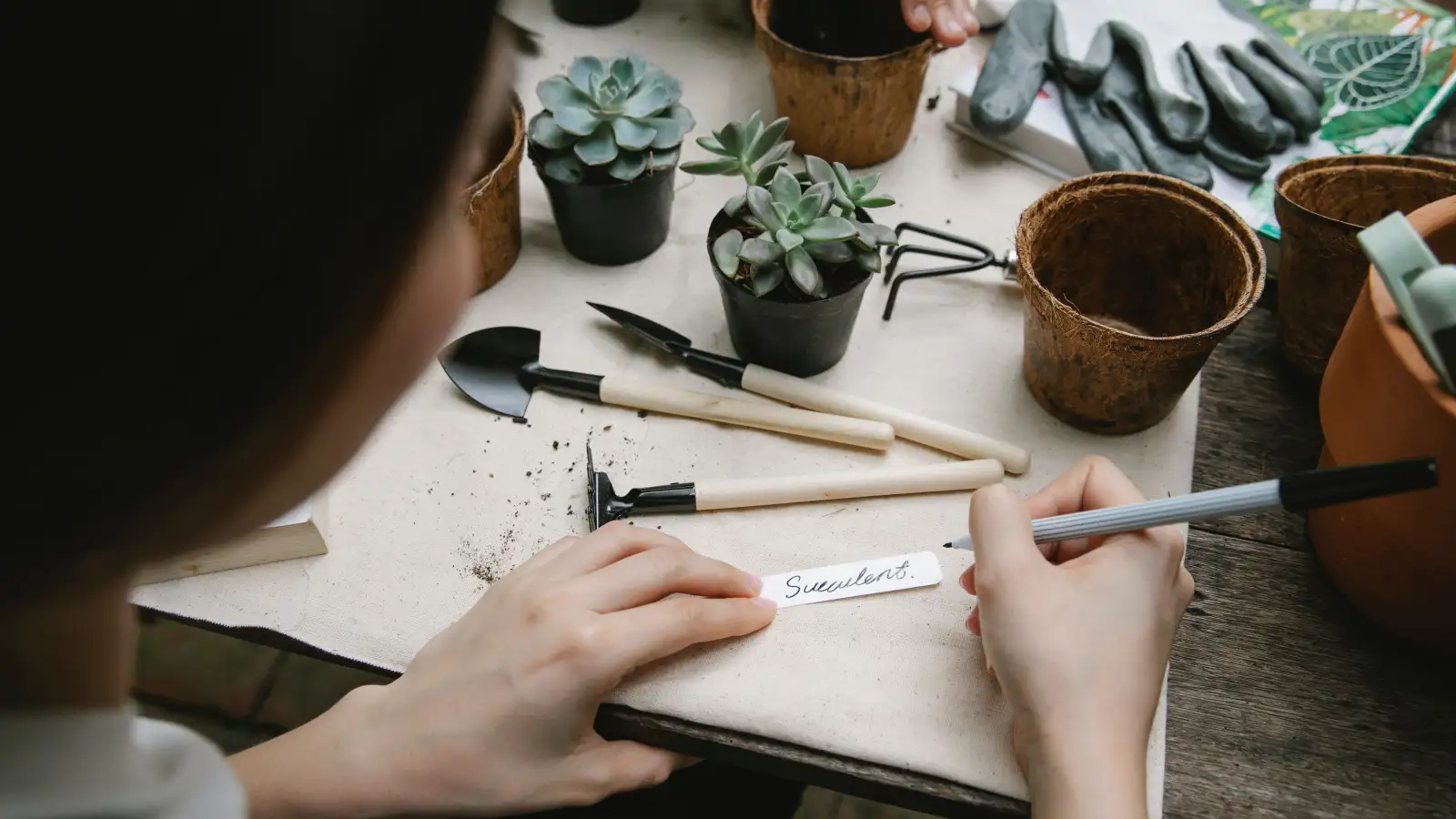
Four Steps to Eliminate Fungus Gnats from Succulent Pots
Dry the top inch, trap the adults, drench with Bti, and repeat on the gnat life cycle. A four-week schedule that treats every succulent pot at once.
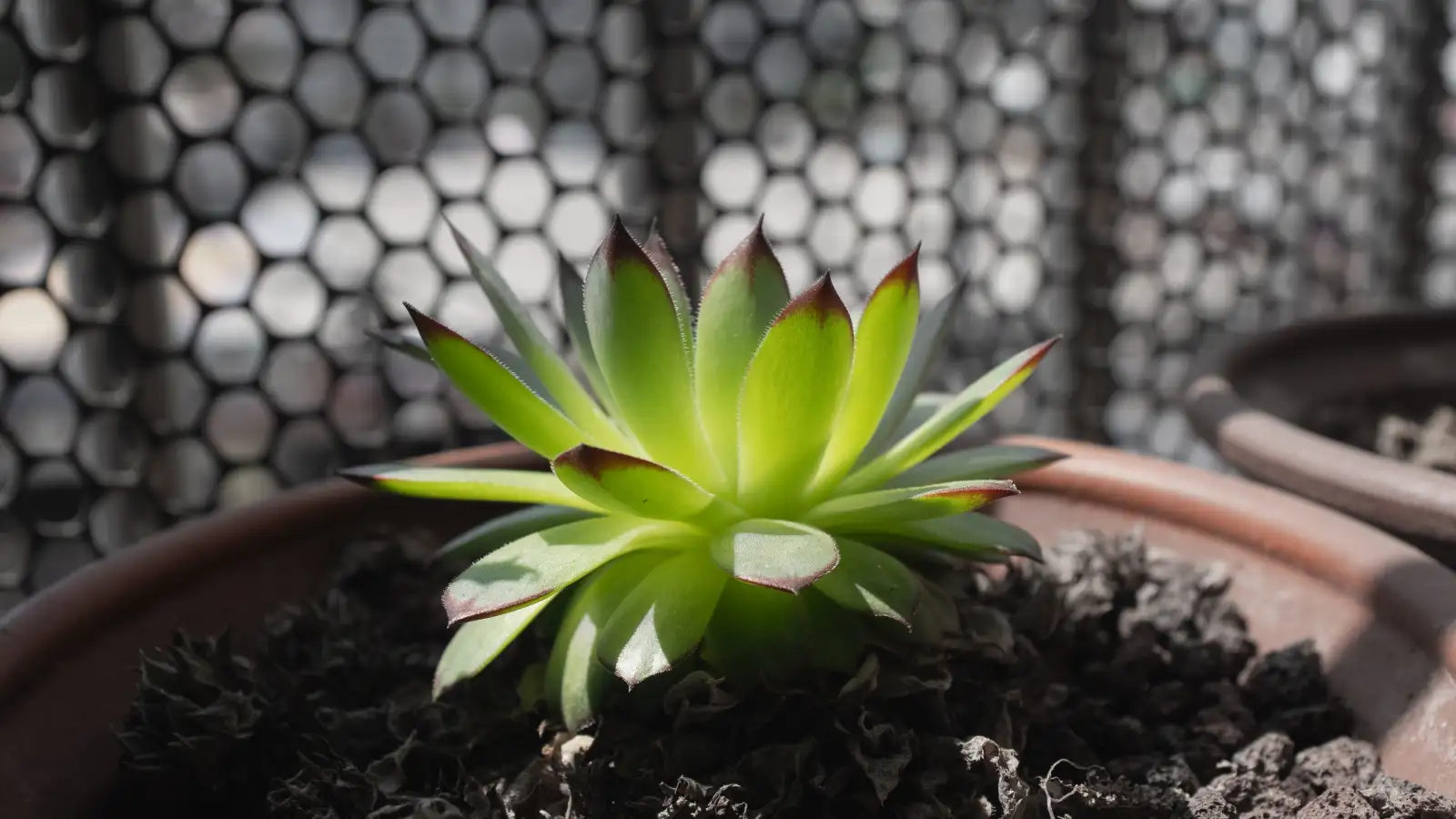
Hidden Root Damage Fungus Gnat Larvae Cause in Succulents
Clear, black-headed larvae in the top inch of soil chew root tips, causing yellowing, wilting, and stalled growth. Here is how to find them and read the damage.
How Succulent Owners Can Keep Fungus Gnats Away for Good
Fungus gnats in succulents come from wet soil and unquarantined plants. A habit-by-habit prevention checklist built around drying the top inch.
Fungus Gnats or Fruit Flies? Identifying Flies on Succulents
Learn to tell fungus gnats from fruit flies, whiteflies, and shore flies on succulents by where they stand, how they fly, and the shape of the adult.
The Fungus Gnat Life Cycle Stage That Keeps Them Coming Back
Eggs hatch in 3 to 6 days, larvae feed for 10 to 14, pupae rest for 4 to 6. Here's the repeat schedule that ends fungus gnats in succulent pots for good.