Stop powdery mildew spreading to other succulents now
Powdery mildew reaches the rest of your succulents on moving air, on your hands, and on anything that touches an infected leaf, so containment comes down to three things, all done the same day you spot it: move the plant into a separate room behind a closed door, handle it last and wipe every tool and surface it touched with 70% alcohol, and check the remaining plants every two or three days for the first pale speckling. Isolation is containment, not a cure. The plant that already has it needs its own treatment plan and its own recovery timeline, and it can still die on you.
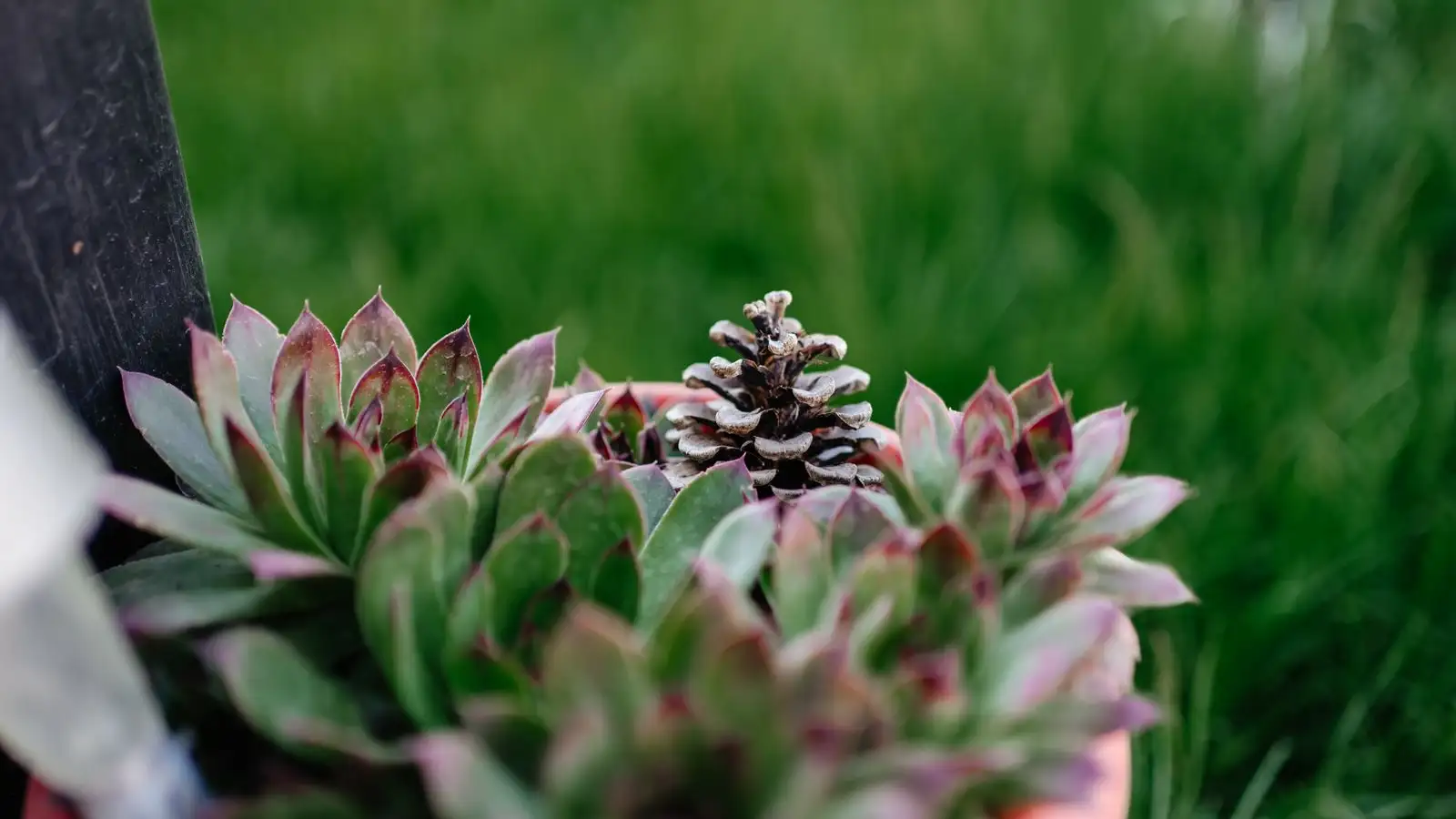
I found mine on a Tuesday, which I only remember because the shelf was crowded and I'd been putting off reorganizing it. I picked up a four-inch Echeveria, turned the pot toward the window, and there it was — not the fuzzy white coat you see in pictures. Just a dull, chalky haze sitting in the crease where the leaf meets the stem, the way dust settles into a seam. I rubbed at it with my thumb. It smeared. Dust wipes off clean. This left a faint gray streak and the leaf underneath looked slightly grayed out, like it had lost its bloom.
That is the moment the whole thing gets decided, and the first time it happened I decided it wrong. I moved the plant to the kitchen windowsill, felt very responsible about it, and then spent the next twenty minutes going back and forth — watered the healthy plants with the same can, wiped my hands on my jeans, brushed my sleeve against the row of pots on the way past. Three weeks later I had three more plants with that same chalky haze.
Here's what I do now.
The room matters less than the order you do things in
Everyone talks about isolating the plant. Very few people talk about the fact that a plant sitting in another room does almost nothing if you carry the spores back on your hands five times before dinner.
Spores lift off the leaves and travel on air, but they also ride on skin, on the blades of your snips, on the rim of the pot, on the saucer underneath it, on the shelf surface where the pot sat, and on the spout of your watering can. Everything you touched between the sick plant and the healthy ones is a bridge.
So I work the sick plant last. Always last. Water everything else first, check everything else first, then go deal with the problem plant, then leave the room and wash up. It sounds fussy. It costs ten seconds of planning and it saved me a shelf.
What "clean tools" actually means
Get a bottle of 70% isopropyl alcohol. Not 91%. The 70% version stays wet long enough to actually do something, and the higher concentration flashes off before it finishes the job. Keep it in a closed container — an open dish of alcohol is mostly water by the end of the week and you're just wiping things with damp.
Snips, tweezers, the rim of the pot, the saucer, and the shelf where the pot was sitting. Wet it, let it sit wet for a beat, let it air dry. Alcohol won't hurt a glazed pot or metal tools. It will take the finish off some painted or unfinished ceramics, so wipe those with a soapy rag and let them dry instead.
If I know I'll be working on the sick plant for a while, I keep a separate pair of snips and a separate hand towel for it. That's the whole setup. Separate snips, separate towel, one bottle of alcohol.
Long sleeves are a trap. Roll them up or change your shirt after, because a cuff dragging across an infected leaf and then across the next pot is exactly how this gets around.
Two weeks, and why that number
Anything new that comes into the house gets at least two weeks in a different room before it goes near the collection. That includes plants from a nursery, plants from a swap, and the plant a friend brought over in a paper bag.
Two weeks is not a magic number. It's roughly the window where a plant that picked up spores the day it left the greenhouse has had time to show you something in the crease of a leaf. If it's been sitting with the others for six days and looks fine, that tells you nothing yet. Check it at the end of the two weeks, not the beginning, and check it in good light — a phone flashlight held at an angle works better than overhead light, because the haze catches the beam.
Air movement, pointed the right way
Stagnant air is what mildew wants. A small clip fan on low, moving air across the shelf, dries the leaf surfaces and keeps humidity from sitting on them. I run one over the healthy collection year round.
What I do not do is run a fan that pulls air from the sick room into the healthy room. Closed door, and if there's a fan in that room, it points at a wall, not at the gap under the door.
If you only have one room to work with — and a lot of people do — opening a window is better than nothing, and putting the sick plant at the far end from the airflow keeps the spores from making the full tour. What I would not do is seal it inside a clear plastic tote to be safe. That traps humidity, which succulents hate, and now you have a plant fighting two problems.
Infected leaves go out with the trash
Pull the worst leaves, and don't leave them in the pot, don't drop them on the bench, don't leave them in a little pile to deal with later. Sealed bag, straight to the outdoor bin.
Not the compost. A cool backyard pile never gets hot enough to be something I'd bet a plant on, and spores sitting on a leaf surface in a pile are still spores. It isn't worth the risk to save one leaf.
And wipe your hands after. Before you touch anything else.
What to watch for on the healthy plants
The fuzzy white coat is late stage. What you're looking for is earlier and much smaller: a few pale, slightly raised dots, or a faint grayish sheen in the leaf axils — the spot where the leaf joins the stem — or a leaf that suddenly looks like it's been dusted with flour at its base.
On some succulents you won't see white at all. You'll see a dry, brownish, scabby patch on the leaf, and it looks like sunburn or old damage. That scab is the leaf's reaction to mildew that was already there. By the time it's scabbing, the spores have been in the air for a while.
Check every few days, for at least a month, and check the plants that sat nearest the sick one first.
When you've done all this and it still shows up
Sometimes it does. Two things go wrong most often: the infected plant had already been shedding spores for a week before you noticed, or the environment is on mildew's side — still air, tight spacing, cool nights, leaves that stay damp.
If it comes back after you've cleaned up, look at the conditions before you look at your technique. Crowding pots until the leaves touch, a shelf against a wall with no air moving, a tray of water sitting under everything. Mildew doesn't need much, but it does need that.
There are labeled products for treating the plant itself, and I'm not going to hand-wave that — but the label on whatever you buy is the authority on how to use it, not me. And containment is a separate job from treatment. Quarantine keeps the rest of the shelf alive while you figure the sick one out. It was never going to be the cure.
Educational content only: check with a qualified horticulturist, licensed pesticide applicator, or your local extension office before acting on anything specific.

Your succulent can survive powdery mildew if you act fast
A white flour-like patch on a succulent is powdery mildew. Confirm it in two seconds, treat it the same day, and keep it off the rest of your collection.
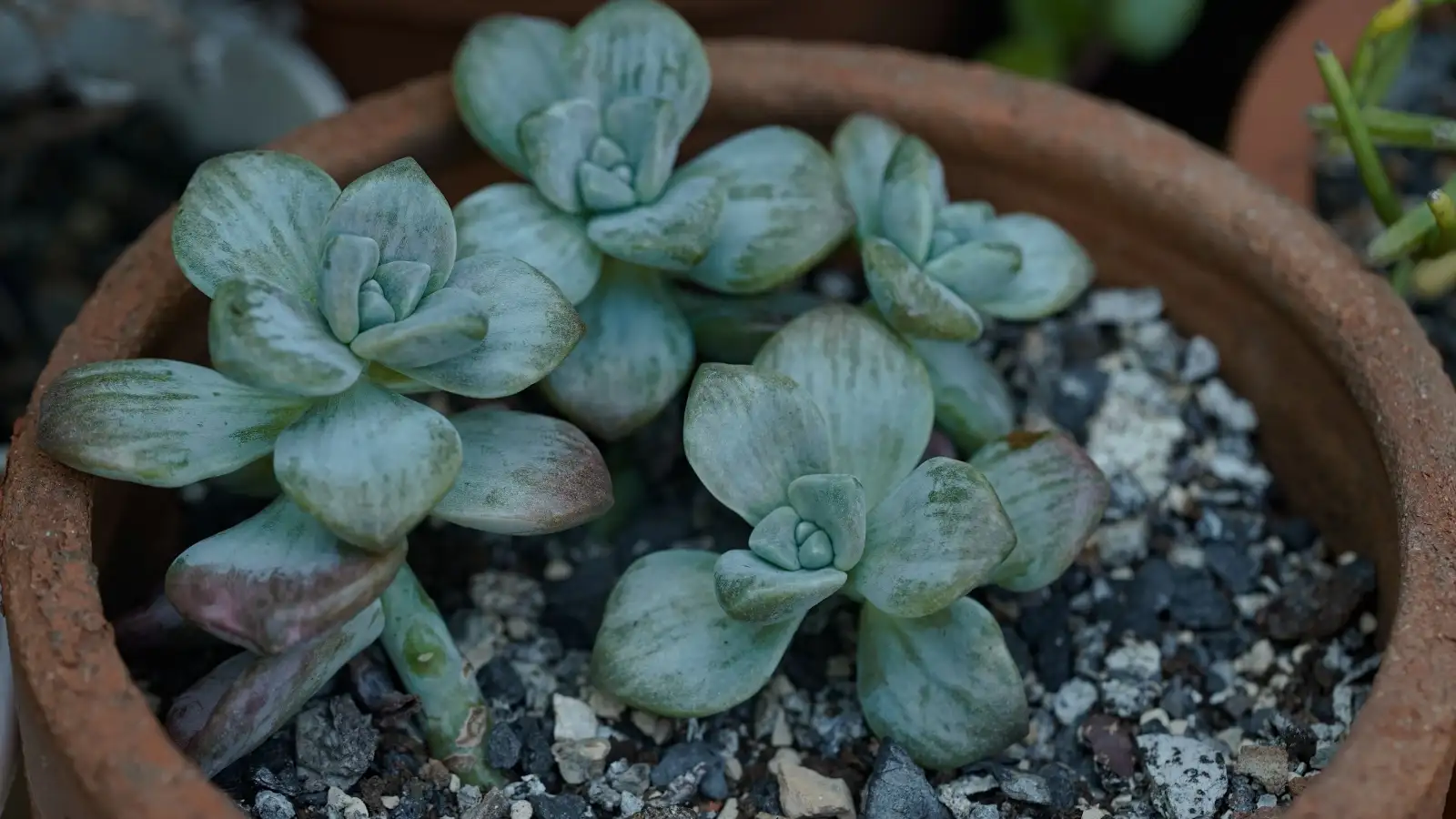
The reason your succulent's powdery mildew keeps coming back
Powdery mildew returns when the microclimate around your succulent still fits the fungus: high humidity, still air, and temperature swings. Fix the conditions.
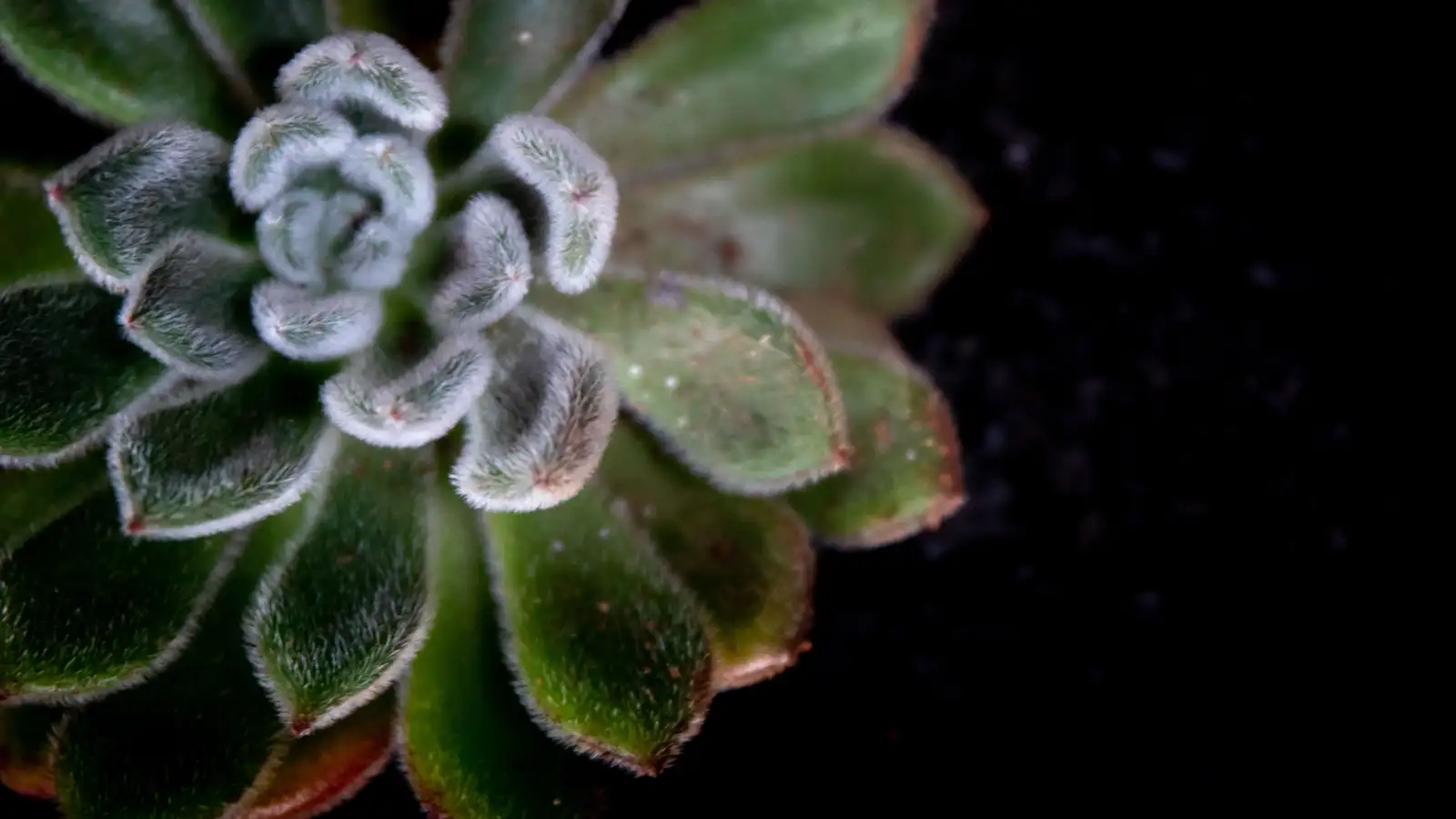
Cutting off powdery mildew leaves can make it worse
Removing powdery mildew leaves from succulents often spreads spores and opens wounds. Here's when to cut, when to leave it, and how to propagate clean leaves.
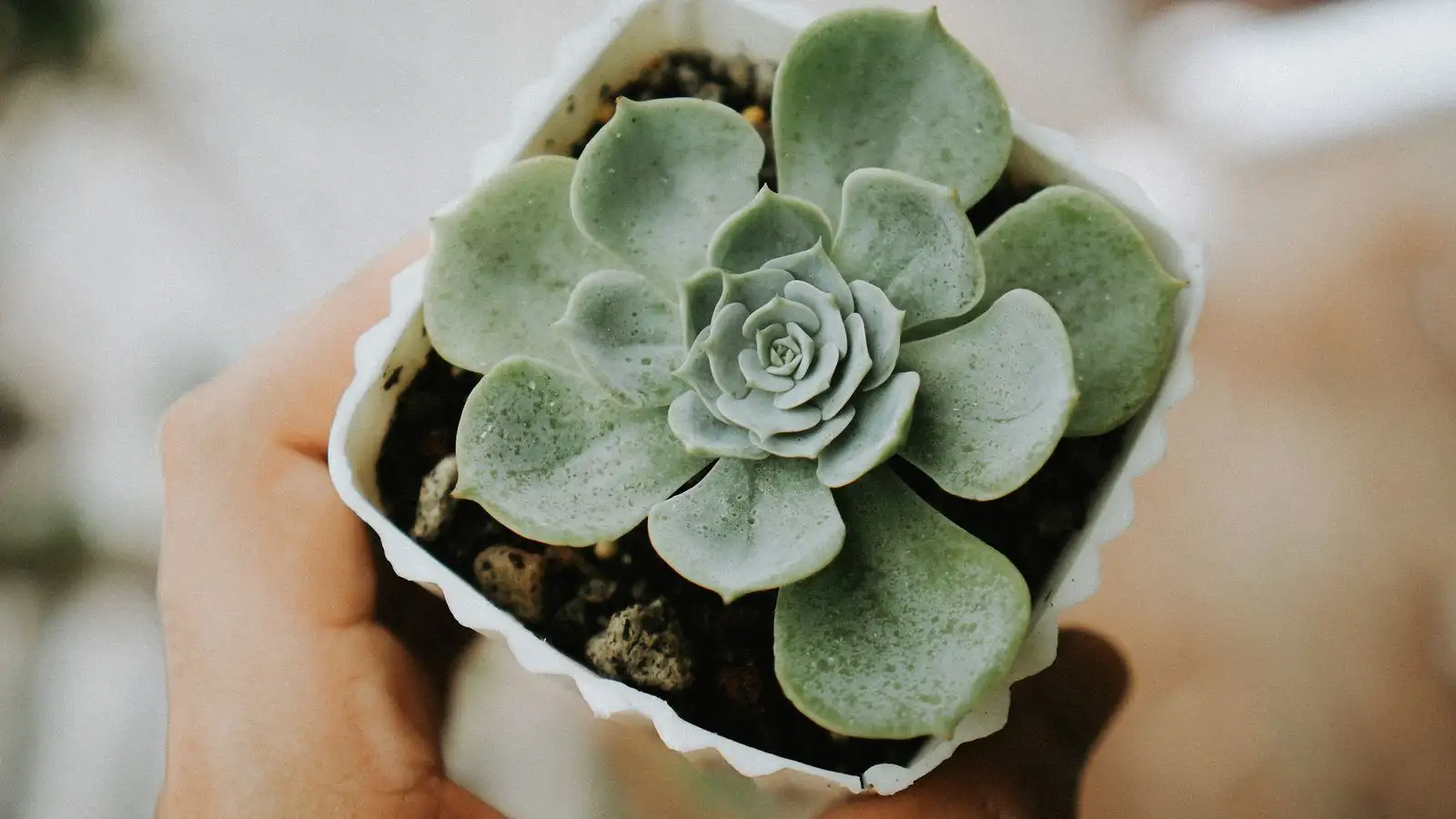
Beat powdery mildew on succulents without harsh chemicals
Isolate, strip bad leaves, dab 70% isopropyl on spots, then alternate insecticidal soap or neem oil every 7-14 days without burning the leaves.
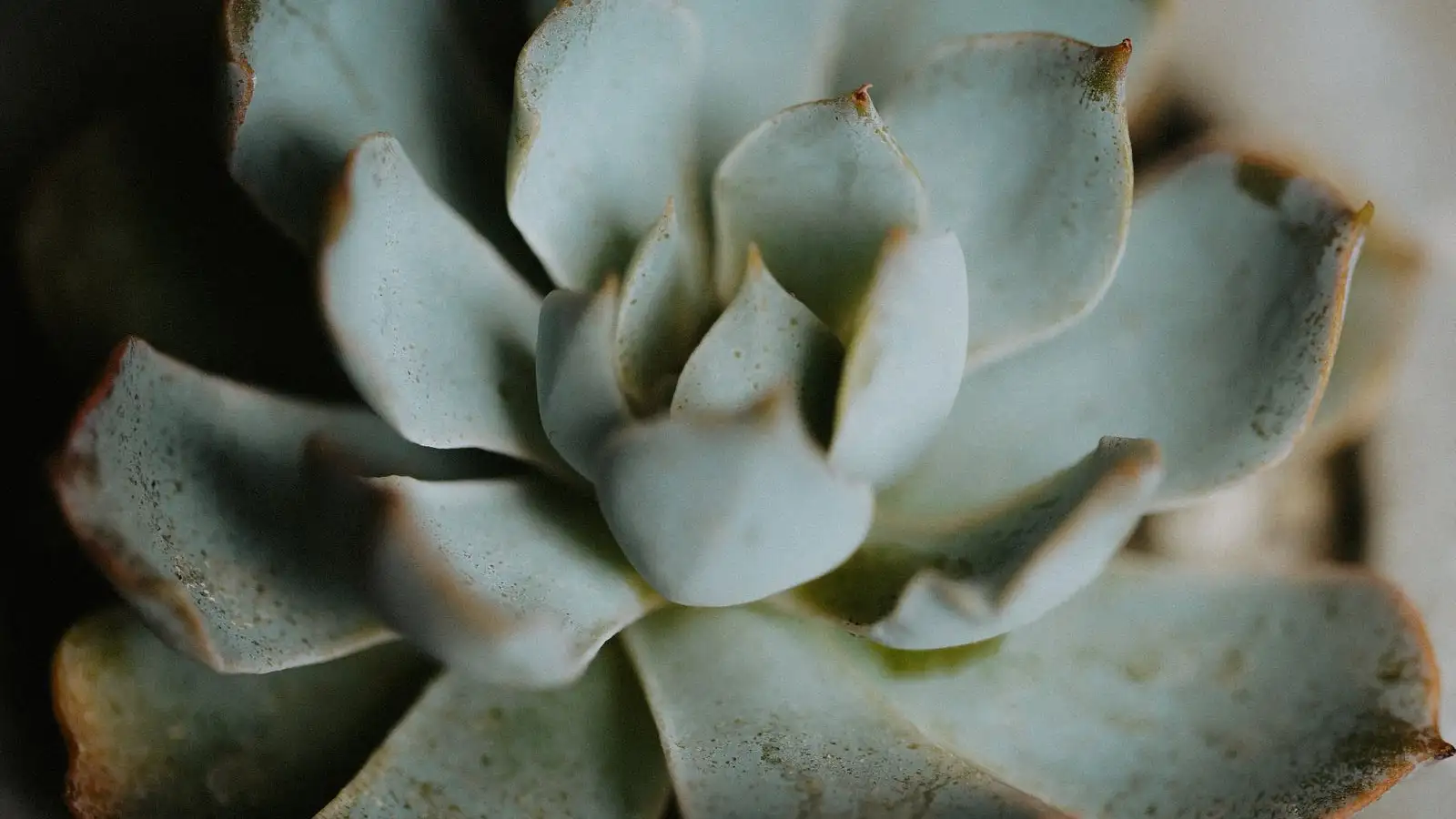
Is that white fuzz on your succulent powdery mildew or not?
Tell powdery mildew from mealybug wax, hard-water crust, and edema blisters using texture, location, and how each one behaves when you wipe or poke it.
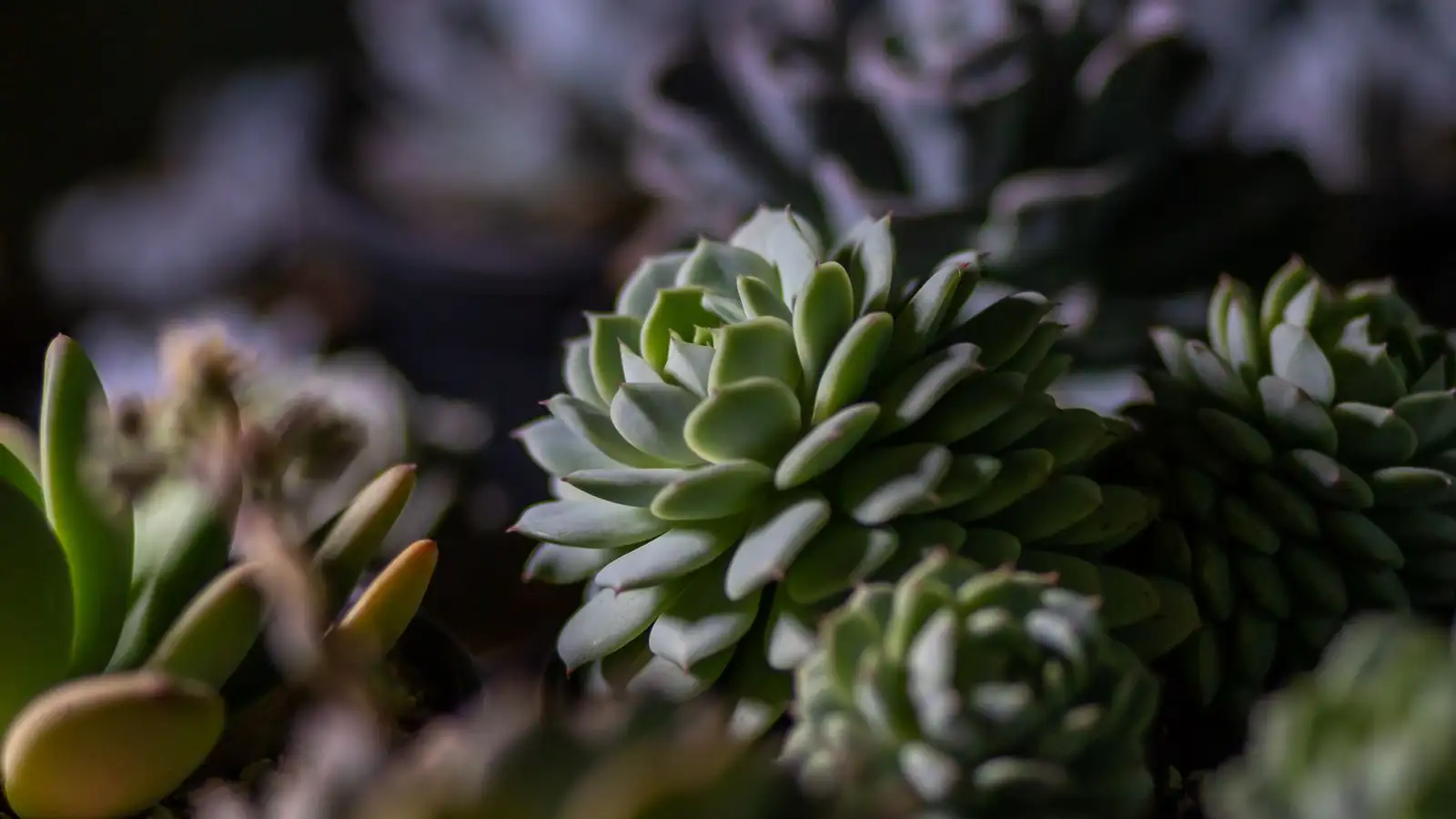
What fungicide experts choose for powdery mildew on succulents
Powdery mildew on succulents: when sulfur, copper, or chlorothalonil is the right call, how temperature and coverage decide the outcome, and the label rules.