Your succulent can survive powdery mildew if you act fast
Powdery mildew on a succulent rarely kills the plant on its own. What it does instead is scar the next two or three leaves, spread to every pot sharing the same still air, and push new growth out of the crown deformed and puckered — and it does that on a timeline of days, not weeks. The action that decides which version of this you get is a two-second confirmation test: drag a dry fingertip across the white patch. Mildew rubs off as a dry, floury smear that leaves a faint gray line on your skin, and the leaf underneath comes clean. Once that's confirmed, isolate the pot from everything else and start treatment the same day. Day one and day ten are not the same problem.
Confirming it without wrecking the plant
I have stripped the farina off a Graptopetalum with my own thumb, testing a spot that was never mildew in the first place. That wax does not grow back on that leaf. So the finger test is the right test, but where you perform it matters.
What I'm looking for when I hold a plant up to the window:
- Distribution. Farina is even. It covers the whole plant the same way, it was there the day I bought it, and it never shows up on the stem or down in the leaf axils. Mildew is patchy. It starts in the tight crevices, along the stem, and on the undersides of lower leaves, and it appears on a plant that was clean last month.
- What's underneath. Mildew sits on tissue that is starting to yellow or go purplish-brown. Farina sits on healthy green.
- Behavior. Wipe mildew off and it returns. Wipe farina off and you have made a bald spot, nothing more.
- Texture at 10x. Through a loupe, mildew is powdery, slightly raised, a little fibrous. Farina is flat and even, like paint.
If you're looking at an Echeveria, a Pachyphytum, or anything with heavy farina, do the test on the stem or the petiole, not the face of a leaf. Two other things get mistaken for this and both fail the smear test. Hard-water spots are crusty, ring-shaped, and don't smear at all. Mealybugs are white too, but cottony and clustered in the axils with an actual insect under the fluff. Alcohol kills both the mildew and the mealybugs, so the treatment overlaps either way.
Why it shows up in October and not in July
Powdery mildew is the odd one out among the fungi that bother succulents. It does not germinate in a film of water on the leaf, and free water actually works against it. What it wants is high ambient humidity, still air, and moderate temperatures. That is exactly the weather inside a house after the plants come in for the season. The windows close, the pots get stacked on the same shelf, the fan goes off, and somebody runs a humidifier in the same room. That's the whole recipe.
Two other things push it along. Nitrogen-heavy feeding produces soft, lush growth that mildew finds easy. And crowded pots touching each other on a shelf mean one infection becomes six.
More often than not, it walked in the door on a plant. Crowded nursery benches, overhead watering, and plants shipped in a dark box are ideal conditions for it, so a new succulent can arrive already carrying spores that haven't shown up yet. That's why I look under the leaves of anything new before it goes anywhere near the rest.
What I do, in order
Isolate first
Move the pot somewhere genuinely separate. Not the other end of the same shelf, not the next tray over with a shared saucer. A different room is best. A separate shelf with a few feet of clear air is the minimum.
Cut the worst leaves
Sterile scissors or snips, wiped with alcohol between plants so I'm not carrying spores from one to the next. Cut back into healthy tissue rather than leaving a half-infected stump. Let the cut end callous over before it gets anywhere near water. Bag the removed leaves — don't drop them in the tray or the open bin I'm going to walk past for the next week.
Spot-treat the small stuff
For a handful of isolated patches, isopropyl alcohol on a cotton swab, dabbed on and left to evaporate. It works on contact, and it handles any mealybug hiding in the same patch. Two cautions I've paid for. Don't do it in direct sun or right before the plant's brightest hours. And don't do it on a farina-heavy leaf unless you've already accepted losing that wax.
If it's spread across the plant
That's when I move to a spray. Insecticidal soap or neem oil are the usual first choices. Both go on in the evening, out of direct sun, on a plant that is well watered and not heat-stressed. Neem especially will burn leaves if it sits on them under strong light or in high heat. And I don't stack an oil spray on a plant I've recently treated with sulfur — the label gives an interval for a reason, and it's worth reading.
The succulent-specific problem with any spray is the rosette. Liquid pools in the crown, and a mildew treatment can turn into rot. Tip the pot, blow the water out of the center, and keep it out of direct sun until it's dry. On a tight rosette I would rather spot-treat and accept slower progress than fill the crown and trade one problem for a worse one.
When organic isn't enough
If I've treated on the interval and new growth is still coming in white, I move to a fungicide with sulfur, copper, or chlorothalonil. At that point the label is the instruction manual: interval, temperature limits, protective gear, re-entry time. Sulfur can burn foliage when temperatures climb. Copper leaves a residue and can mark surfaces it drips on. This is the stage where guessing costs more than reading.
Repeat it, then keep repeating it
One spray does not end this. Mildew gets knocked back, the plant looks cleaner for a week, and it returns the moment conditions line up again. Treat on the product's interval, and keep going at least one full cycle of new growth after the last visible white. Judge by the leaves emerging from the center, not by the ones you wiped clean.
The part almost everyone skips
Spores sit on the things around the plant, not just on the plant.
- Saucers, cachepots, shelf liners, snips, hands. Wash them with soapy water or diluted alcohol. A pot that held an infected plant shouldn't slide straight under the next one.
- Fallen leaves. They hold spores. Sweep them out instead of letting them sit in the tray.
- New plants. Two to three weeks apart from the collection. It's a boring three weeks and it's cheaper than treating an entire shelf.
- Air. A small fan on low, moving air across the shelf, does more for prevention than anything in a bottle. Space the pots so they don't touch. Stop pushing nitrogen.
What recovery actually looks like
The white wipes off. The scar stays. Any leaf that hosted the fungus keeps a gray, brown, or purplish blotch for the rest of its life. It doesn't heal, and it doesn't need to come off unless it's heavily covered. Recovery is measured at the crown. New leaves coming out clean, evenly colored, flat. If new growth keeps arriving white and puckered, the mildew is still active, and something is feeding it — the still air, the neighbor pot, the fan that's still switched off.
And if the crown is already distorted and the plant keeps losing ground, the honest answer is to propagate. Take a cutting above the damaged tissue, let it callous, and start a clean plant. A deformed core does not rehab back into what it was.
One last thing, because it's the question I always want answered first: nobody can tell you with confidence from a photo that this is powdery mildew. The distribution, the texture, whether it smears — that's a hands-on call. The finger test takes two seconds. Do it before you spray anything.
Educational content only: check with a qualified horticulturist, licensed pesticide applicator, or your local extension office before acting on anything specific.

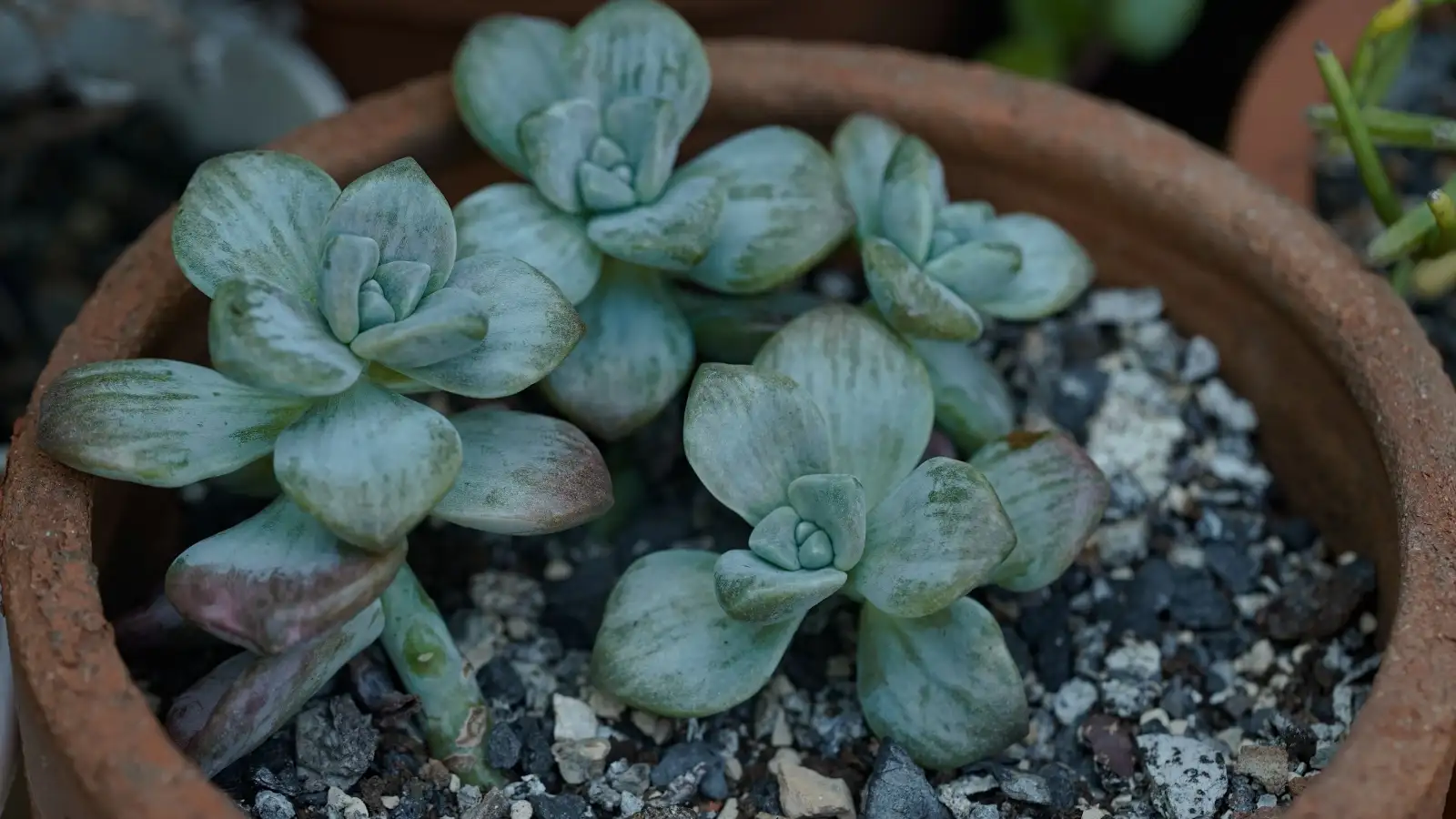
The reason your succulent's powdery mildew keeps coming back
Powdery mildew returns when the microclimate around your succulent still fits the fungus: high humidity, still air, and temperature swings. Fix the conditions.
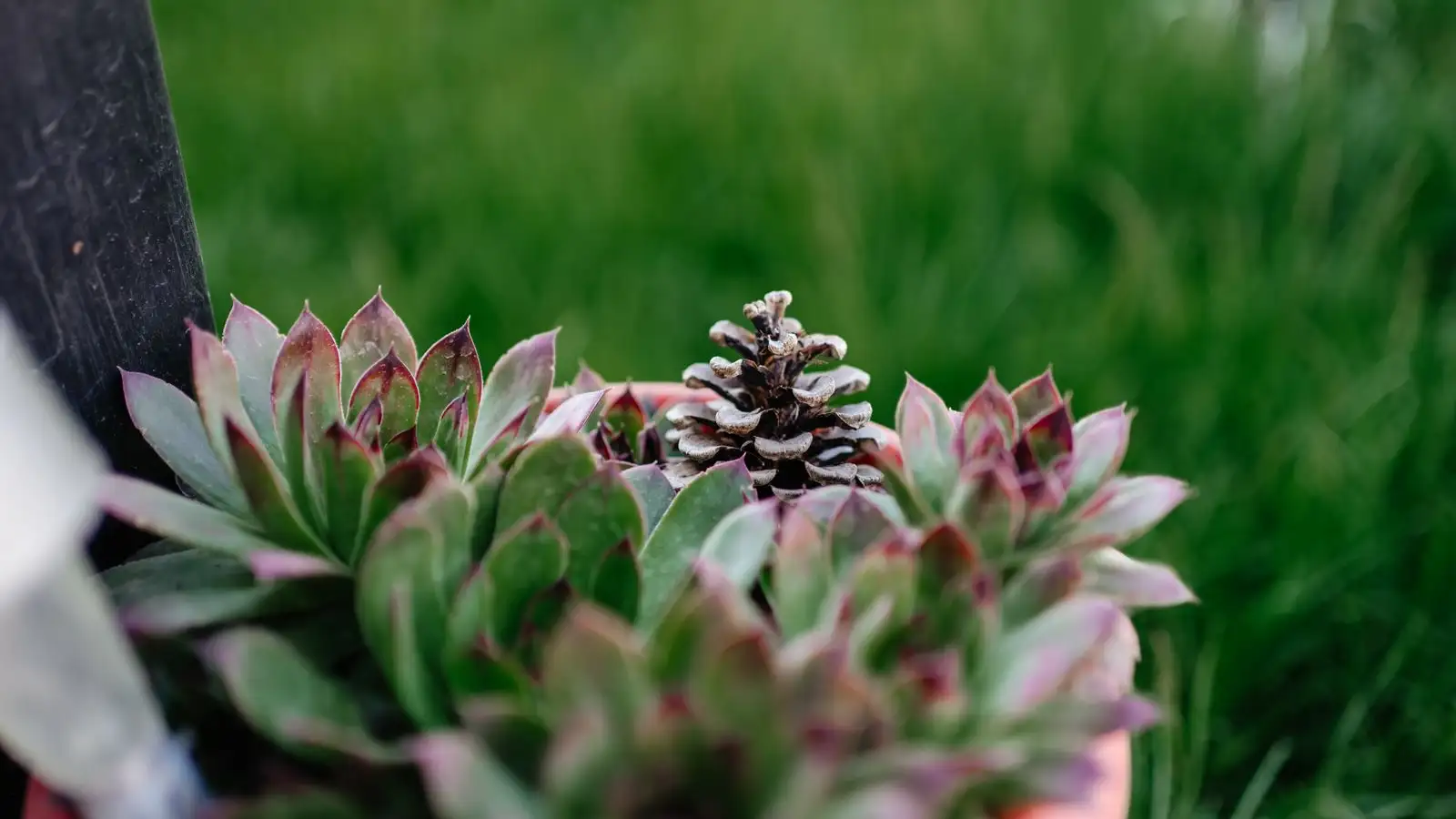
Stop powdery mildew spreading to other succulents now
Powdery mildew spreads on air, hands, and tools. A practical quarantine and 70% alcohol hygiene protocol to keep it off the rest of your succulent shelf.
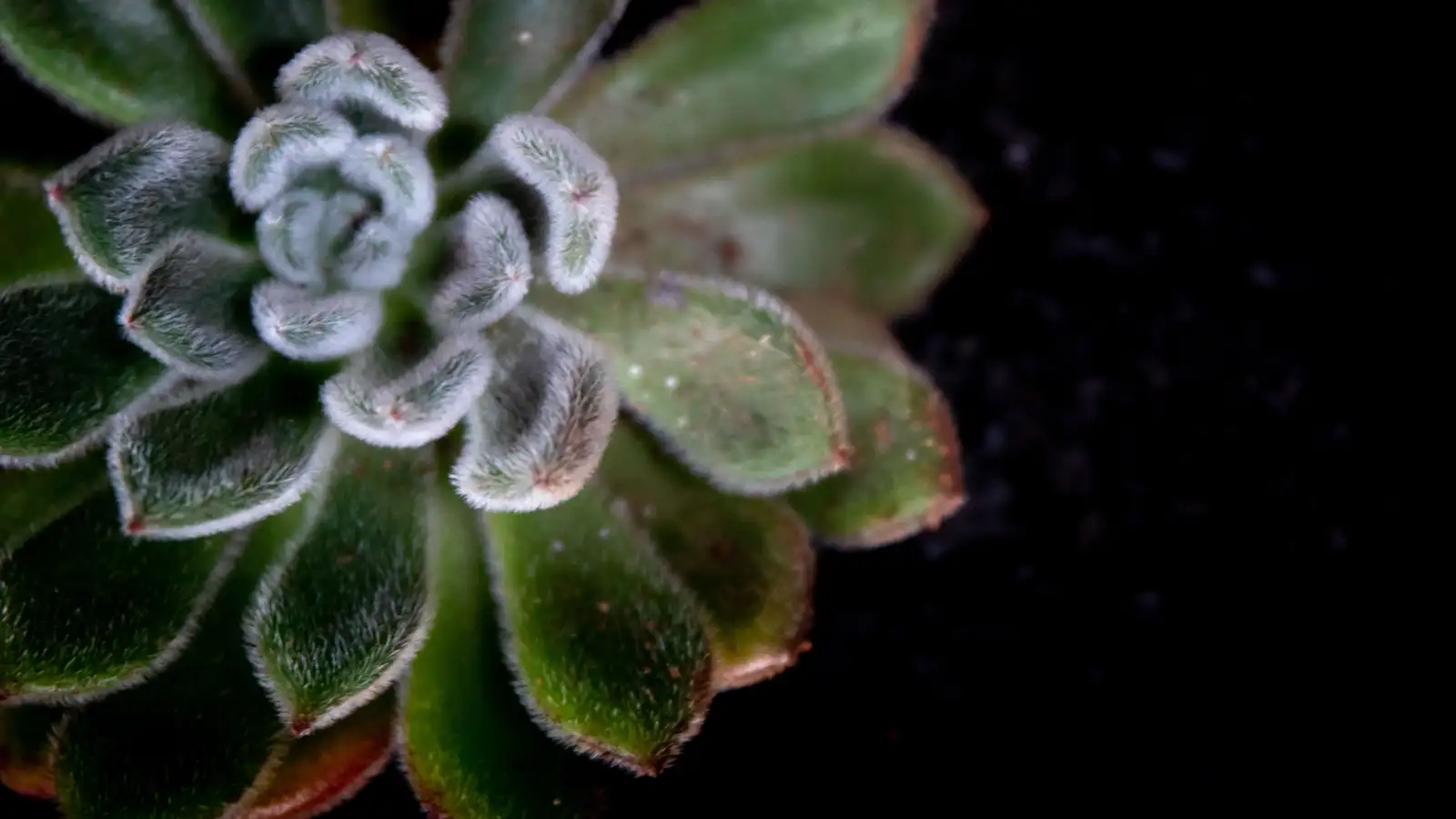
Cutting off powdery mildew leaves can make it worse
Removing powdery mildew leaves from succulents often spreads spores and opens wounds. Here's when to cut, when to leave it, and how to propagate clean leaves.
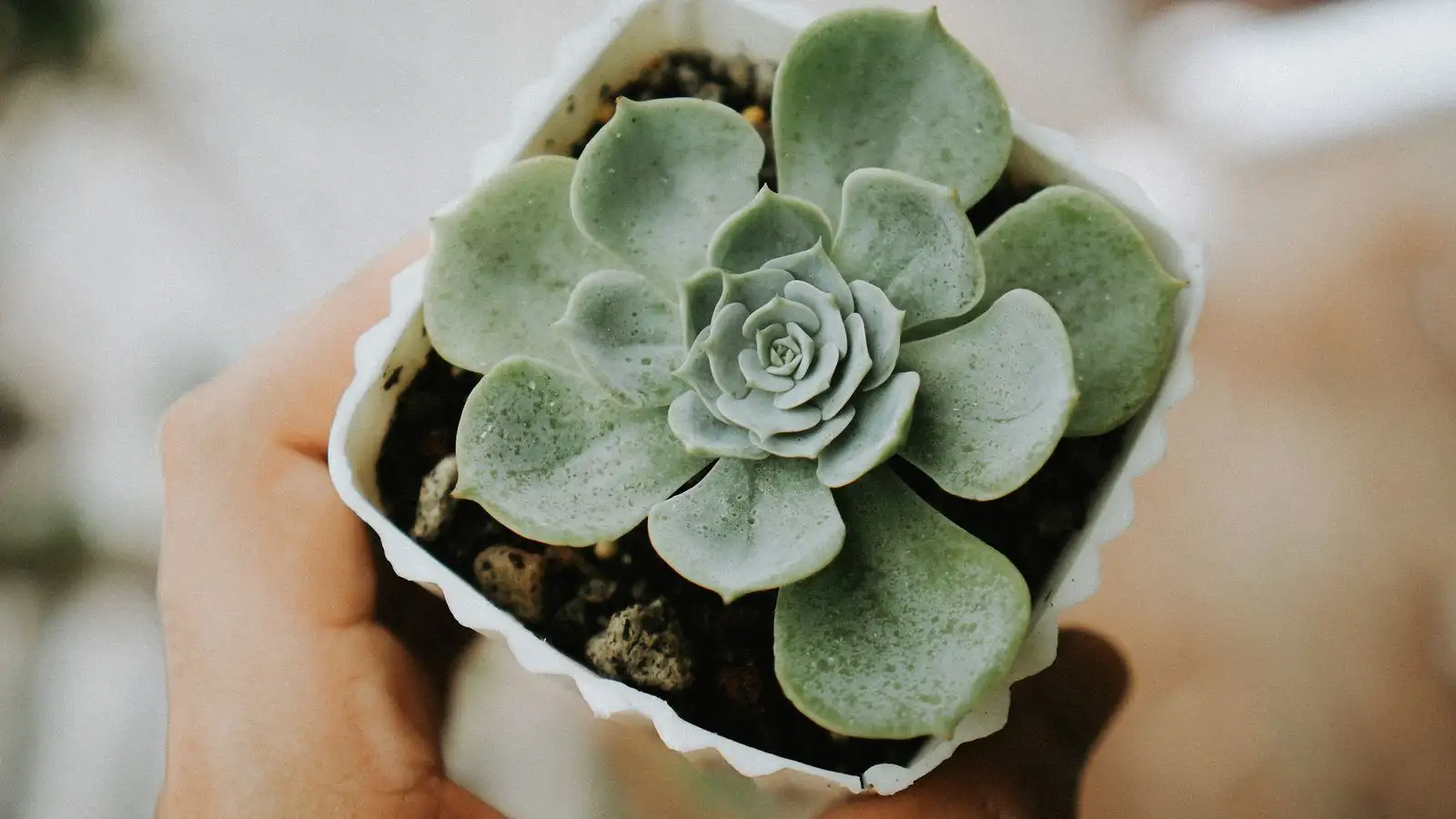
Beat powdery mildew on succulents without harsh chemicals
Isolate, strip bad leaves, dab 70% isopropyl on spots, then alternate insecticidal soap or neem oil every 7-14 days without burning the leaves.
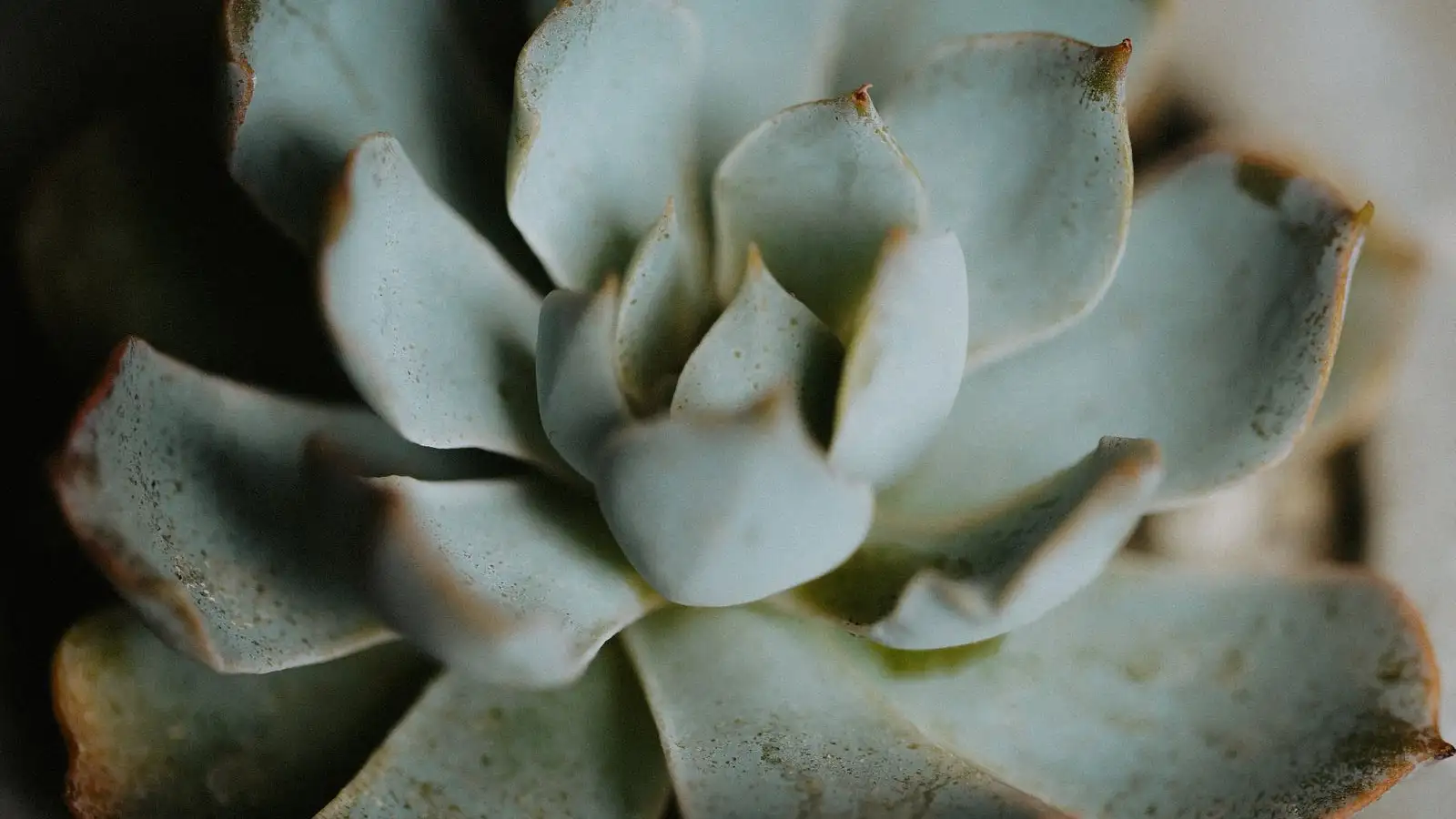
Is that white fuzz on your succulent powdery mildew or not?
Tell powdery mildew from mealybug wax, hard-water crust, and edema blisters using texture, location, and how each one behaves when you wipe or poke it.
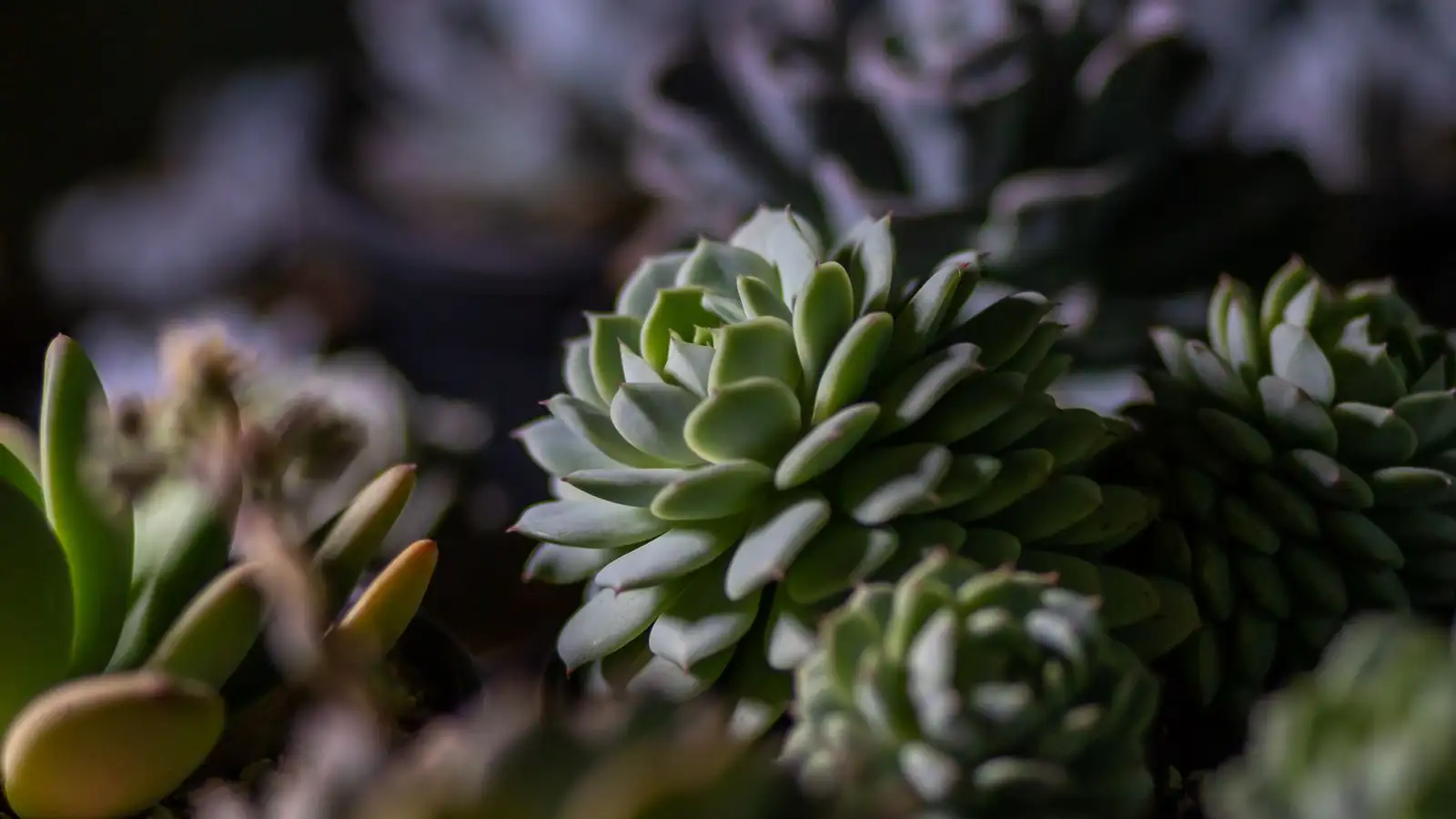
What fungicide experts choose for powdery mildew on succulents
Powdery mildew on succulents: when sulfur, copper, or chlorothalonil is the right call, how temperature and coverage decide the outcome, and the label rules.