Overwatered Succulent? How to Tell If It Can Still Be Saved
A succulent that has been overwatered can still be saved if the stem at the soil line is still firm and the soil around the lower root zone has dried; that plant needs a drying-out reset. If the stem gives under a squeeze, or it has gone brown and soft and smells sweet and rotten, the plant needs the damaged tissue cut away above the rot. Yellow leaves, translucent spots, and the leaves that already dropped are background noise until the stem and the root zone have been checked by hand.
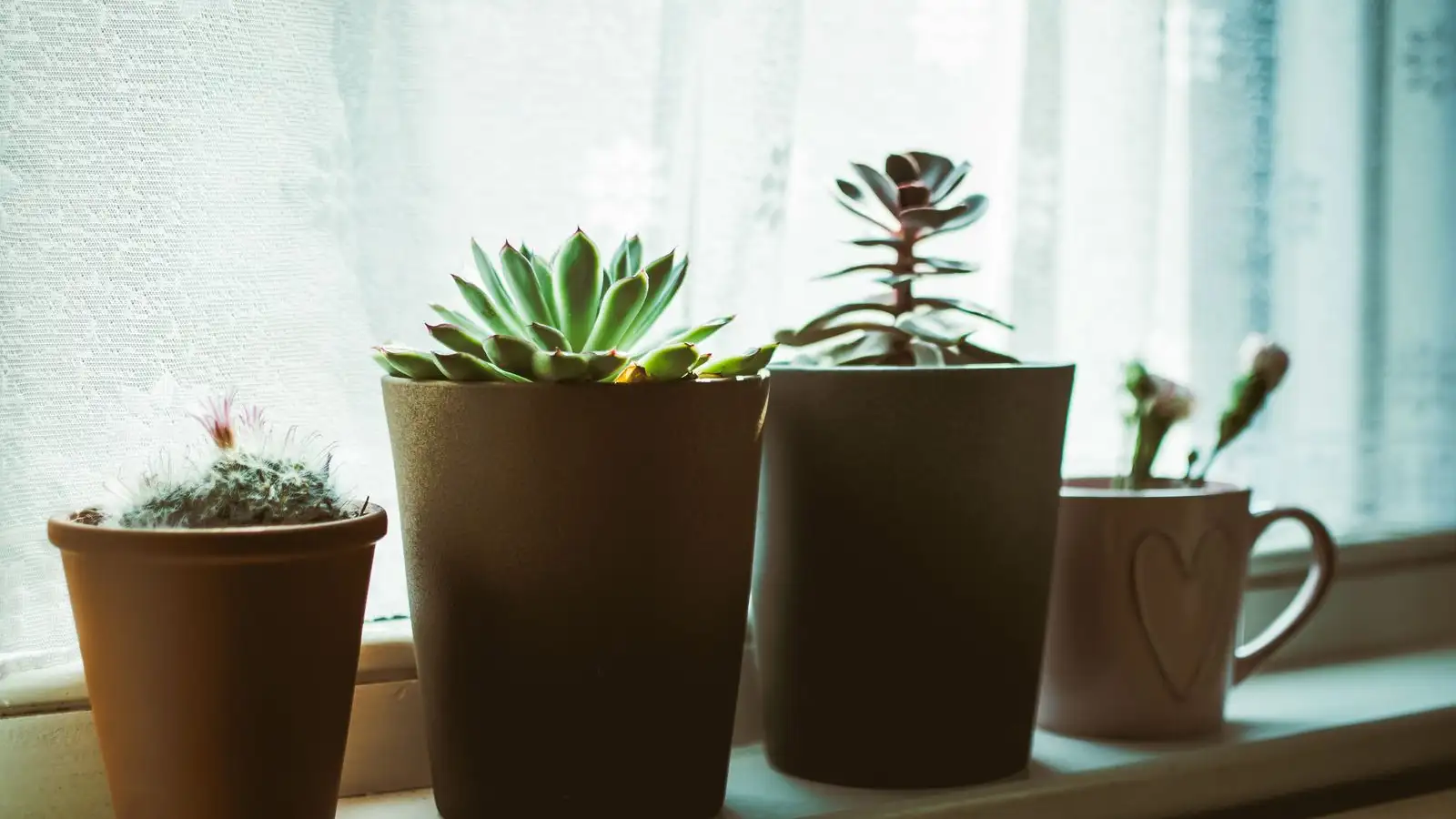
Pinch the stem, not the leaves, right where it comes out of the soil. That one motion does most of the diagnosis. A stem that feels like a firm green bean is a plant with a future. A stem that squishes like a bruised peach, or that slides sideways in the pot when you nudge it, is a plant on a clock.
I've done this on my kitchen counter more times than I want to admit. Newspaper down, pot tipped, fingers in the grit. The pot talks before the plant does. Pick it up and it should feel light for its size; a pot that still feels heavy three days after watering is holding water the roots can't use. Usually that's the real story, and it isn't one bad watering. It's a mix that never dries.
What overwatering looks like, in the order it appears
First the lowest leaves go glassy. Hold one up to the window and it looks backlit, slightly translucent, water-soaked rather than solid. Then it yellows from the base outward. Some of those leaves raise small blisters, edema, that look wet under the skin and can split open and leave a corky scar. Then the leaves start letting go. A leaf that detaches with almost no pull and has a translucent base is finished; there is nothing to dry out, and nothing worth propagating from it.
The stem is the part that decides everything. By the time a stem goes soft, the plant has usually been wet for a while, not a day.
Route one: firm stem, still-damp soil
This is the good branch. The plant was overwatered, the leaves show it, but the plumbing is intact.
What I do depends on the pot. If it's in terracotta with a drainage hole and a gritty mix, I leave it alone, stop watering, and move it somewhere with moving air and bright indirect light. It dries on its own in a week or two.
If it's in a glazed pot with no hole, or a peat-heavy mix that's still spongy at the bottom, I unpot. Waiting on a pot like that can take a month, and rot gets its chance in that month. I knock the wet soil off the roots with my fingers, leave the roots bare, and set the plant in front of a fan on low, out of direct sun, for a day or two.
Then it goes into dry, airy mix, with pumice or perlite doing real work rather than a token tablespoon, in a pot with a drainage hole that actually drains. Terracotta is my default because it breathes, but the hole matters more than the material.
Then nothing. No water. Not a splash, not an ice cube.
Here's the part nobody warns you about: the plant gets worse first. More lower leaves will yellow and drop during the reset. That's the plant eating its own reserves while it pushes new roots. Read that as thirst and water it, and you're back at the beginning with less plant. The signal to water again is the lower leaves going slightly soft and the pot going genuinely light, not a date on the calendar.
Route two: soft brown stem, bad smell
Now it's surgery, and the only way to know how much is to look. Unpot it, tease the soil away, and rinse the roots under lukewarm water. This is the one time washing is worth it, because you need to see color. Firm pale roots are alive. Brown, mushy, hollow roots, or roots that slide off the core and leave a dark string behind, are not. Snap one and smell it. Sweet and fermenting, like fruit going over, confirms what your hands already told you.
Cut with a clean blade wiped down with rubbing alcohol. Slice straight through the stem above the highest point of brown, then look at the cross-section. Healthy tissue is white or pale green, firm, and uniform. Dark streaks or a soft center mean you're still in rot. Cut again, higher, and look again. Keep going until the slice is clean.
Then comes the honest part. If you cut and cut and there is nothing left above the rot that includes the growing point, the plant is gone. That happens. It happens most often with plants that were watered "just a little" every few days for weeks, which kills succulents faster than a single soaking ever does.
A clean cut has to callus. Days, not hours, somewhere dry with air moving and no direct sun. Some growers dust the cut with sulfur; if you do, follow the label, but the callus does the real work. When the cut is dry to the touch and has a skin over it, set the cutting on dry gritty mix and don't water. Roots come in a couple of weeks. You'll know because a gentle tug meets resistance, or you see white roots at the base. Then water lightly around the rim, and wait for that to dry before watering again.
If the plant was well branched, don't throw the base away. A stump with healthy tissue below the cut can push offsets from the remaining nodes, and that's a slower but real second life for a plant you already wrote off.
Judge recovery by the center, not the leaves
The leaves that already went translucent will not go back. Edema scars stay raised and corky. Those leaves are going to be shed eventually, so they make a terrible scorecard. Watch the center of the rosette instead. New growth that comes in tight, opaque, and firm, with no glassiness at the base, means you won.
What actually causes most of this
Watering frequency has to follow the soil, not the calendar, and the gap between two plants is bigger than most people expect. A succulent sitting in a cool room in January uses a fraction of the water that the same plant in the same pot uses on a hot porch in July. Same plant. Completely different water use. That's why "every two weeks" is meaningless, and why I've killed more succulents with a schedule than with anything else.
To check the lower root zone when the surface looks dry, push a wooden skewer deep into the pot near the edge, leave it a minute, and pull it out. Damp grit stuck to it means there's still water down where the roots are. A moisture meter works too, but reading one in a gritty mix takes practice and the inexpensive ones drift over a season. The skewer has never lied to me.
And when the rescue is over, the mix and the drainage have to change, or you'll be back here by spring. Same soil, same pot with no hole, same Sunday watering.
The last one I lost wasn't lost to a single soaking. It was lost to a glazed pot with no hole, a bagged mix that held water like a sponge, and me watering it because it was Sunday. By the time the stem went soft it had been dying for a month, and I hadn't noticed because the top leaves still looked fine.
When you tip it out and look at the roots, you already have your answer. The only thing left is deciding whether this is a drying-out week or a knife.
Educational content only: check with a qualified horticulturist, licensed pesticide applicator, or your local extension office before acting on anything specific.

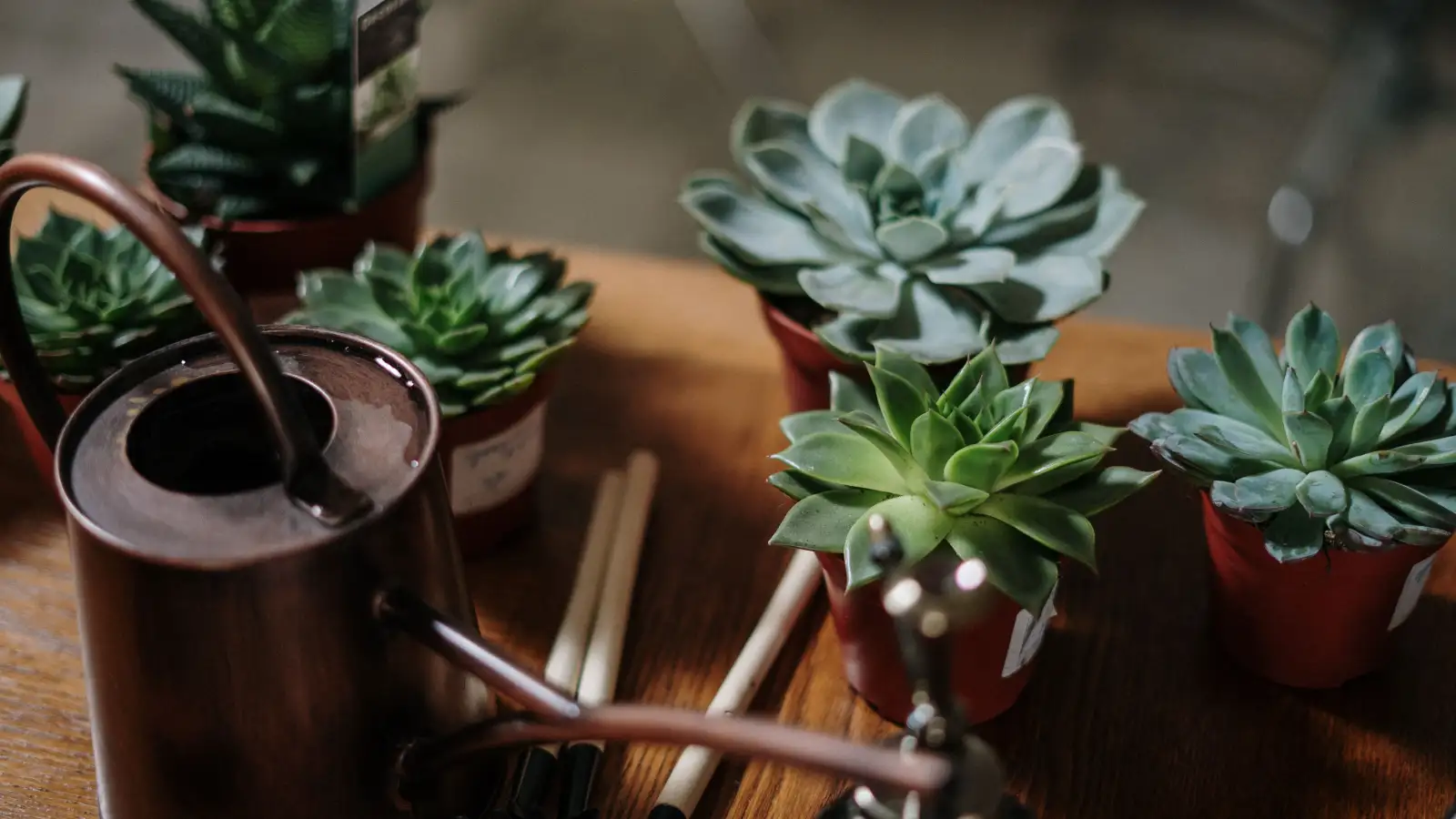
Your Overwatered Succulent Can Still Be Saved by Cutting
When roots and lower stem have rotted, the healthy top can be saved. Cut into clean tissue, callus in dry air, then root in dry gritty mix and wait.
How Long Should You Wait to Water an Overwatered Succulent?
Stop watering a soaked succulent, push a skewer to the pot bottom, add airflow, and know the exact moment the root zone is dry enough to water again.