Black Spots on Stems: Cut Rot Before You Lose the Plant
If a black spot on a succulent stem gives under your thumb, it is rot, it will not heal, and the plant's only chance is a cut made into firm, clean tissue above the spot — followed by several days of open-air drying before that cut end goes anywhere near soil. If the same spot is hard and dry and stays hard when you press it, it is almost always old callus, and cutting into it is how people turn a healthy plant into a sick one.
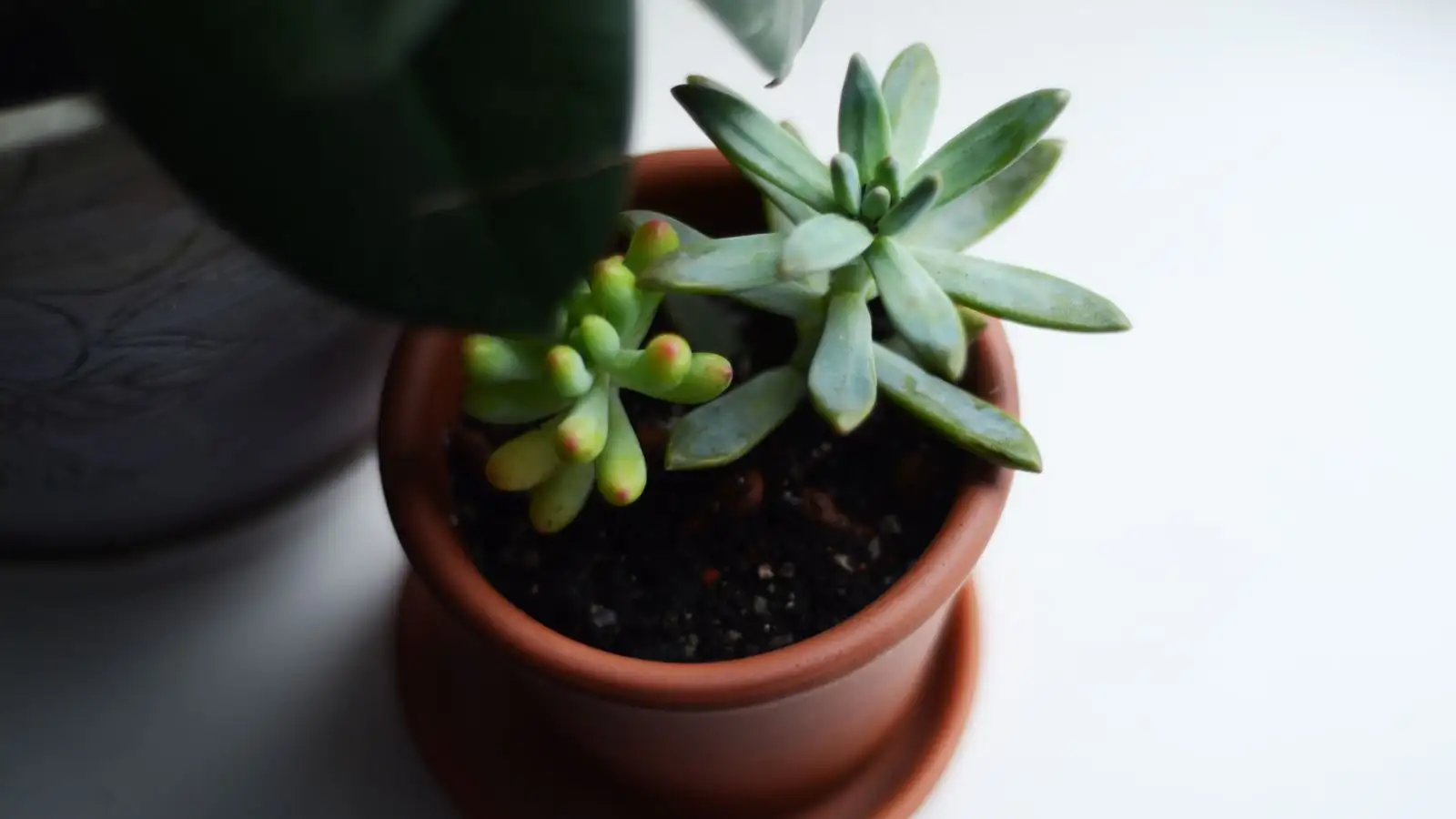
I keep a paring knife and a bottle of 91% isopropyl alcohol on the same shelf, and the decision that matters most happens before I reach for either one. It happens on the counter, pot tipped on its side, my thumb pressing a dark patch just above the soil line.
Press it. Then smell your fingers.
Not a poke. A press — pad of the thumb, straight down, hold it a beat. A rotten spot doesn't push back. It gives the way a bruised peach gives, and sometimes wetness comes up around the edge of my nail. A callus pushes back hard, like the heel of an old wooden spoon. That one difference, give or no give, separates two things that photograph identically and get described identically in most of what you'll read.
Looking is not enough, because a spot can crust over on the surface while staying mush underneath. It'll look flat and papery and you'll decide it's nothing. Then you press and your thumb sinks a quarter inch. Dry-looking on top, soft in the middle, is still rot, and it's still on the clock. A genuinely harmless callus is hard all the way through, and it's usually sunken or flush with the stem rather than puffy. A rot spot often sits raised or sunken with a wet margin around it where the dark meets the healthy green.
Then I smell my fingers. Rot on a succulent smells like a basement after a leak, or wet cardboard left in a garage. A callus smells like nothing, or like dry soil. My nose has been faster than my eyes on this more than once.
The third thing I check before I decide anything is the soil line itself. Stem rot almost always starts where stem meets soil, in that dark, damp inch that never quite dries, and it climbs from there. A dry black patch at the base that hasn't changed shape in months, on a plant that's plump and putting out new leaves, is old damage the plant already survived and sealed. I have a jade with a scar like that from a fall years back. Firm as a knuckle. It isn't going anywhere, and it will outlive me if I leave it alone.
The dark edge is the back of the infection, not the front
This is the part that cost me a plant before I understood it, so I'll put it plainly. The visible black edge is the rear of the rot, not the leading edge. The organism moves up through the vascular tissue ahead of the discoloration. Cut right at the boundary of the black and you leave infected tissue behind, and three days later there's a new spot above your cut and you're standing there wondering what you did wrong.
So I go up. A full node above the last dark thing I can find, and into tissue that is both firm and pale when I slice it. Not mostly clean. Firm and pale.
Speed matters here in a way that surprises people who are used to plants recovering slowly from everything. In warm weather, or right after a watering, rot at the soil line can move a visible distance in a day. That's why the answer to "should I wait and see" is almost always no. There's no version of waiting that improves your odds.
One clean cut, then look at the face
Wipe the blade with the alcohol and let it flash off — a wet blade carries the organism into the next cut. One cut, straight through, no sawing. Then I stop and look at the face of it.
A clean face is uniform. Pale green, cream, whatever that plant's insides look like, with maybe a slightly darker ring right at the skin. If I see a dark circle sitting in the middle of that face, or a core that dents under my fingernail, the rot is still ahead of me. Wipe the blade again, go higher, cut again. I've taken three cuts off one plant and it lived — as a two-inch stump that took a year to look like anything. There's a point where the math stops working and you're just cutting a dead thing into smaller dead things.
While the plant is out of the pot, I tug it. A stem whose roots have rotted at the base lifts out of the soil with almost no resistance, because everything that was holding it down has already let go. If it comes up that easily, the problem was never the spot you noticed. It's the whole root zone, and I treat it that way.
The crown is a different verdict
Rot at the crown — the center of a rosette, where the new leaves come out — doesn't behave like stem rot and doesn't answer to the same surgery. If the growing point is fully soft and dark, if my thumb sinks into the middle of the plant, there is nothing left to grow from. I've cut those open hoping. Under the leaves it's a hollow brown core with a smell. That plant is done, and I'd rather tell you that than write three paragraphs about how to try.
If the center is still firm and the dark is only on outer leaves or one side, a cut can still work. But the growing point is the entire bet. Everything above the soil is disposable. That little cluster in the middle is not.
Drying is not optional and it is not fast
The cut end has to callus. That means a dry, airy spot, out of direct sun, for several days. Four or five is normal. A week isn't unusual if the air in the house is heavy. The cut face should finish hard and dry, like a scab, pale tan or gray. If it's still glossy after a week, or if it darkened, the cut wasn't clean — I take a fresh slice and start the clock over.
What I don't do during that stretch is water it. Not the plant, not the soil it came from, nothing. Water before a cut and the tissue is swollen and harder to read. Water during callusing and I'm inviting the same rot back into an open wound. Sulfur dust on the cut surface, if I use it at all, goes on according to the label directions — it's a surface dressing, it is not a substitute for getting the rot out, and it has never once saved a plant I cut through infected tissue.
The old soil goes in the trash, not the compost, not back in the pot. So does every piece of mushy stem I trimmed off. The pot gets scrubbed. Rot organisms don't politely leave just because the plant did.
Recovery is boring on purpose: warm, dry, bright but out of direct sun, no water until the plant tells me it's ready — a gentle tug that meets resistance, or a new leaf starting. A humidity dome or a misting bottle at this stage does the opposite of what people hope it will do.
When waiting is the right call
Hard, dry, unchanging, no smell, plant actively growing. Wait. That's callus. Every time.
Soft, sunken, smelly, puffy, spreading. Cut today. Not tomorrow, not after you read one more thing. I have never regretted a cut I made the same day I found a soft spot. I've regretted the two days I spent hoping.
Educational content only: check with a qualified horticulturist, licensed pesticide applicator, or your local extension office before acting on anything specific.

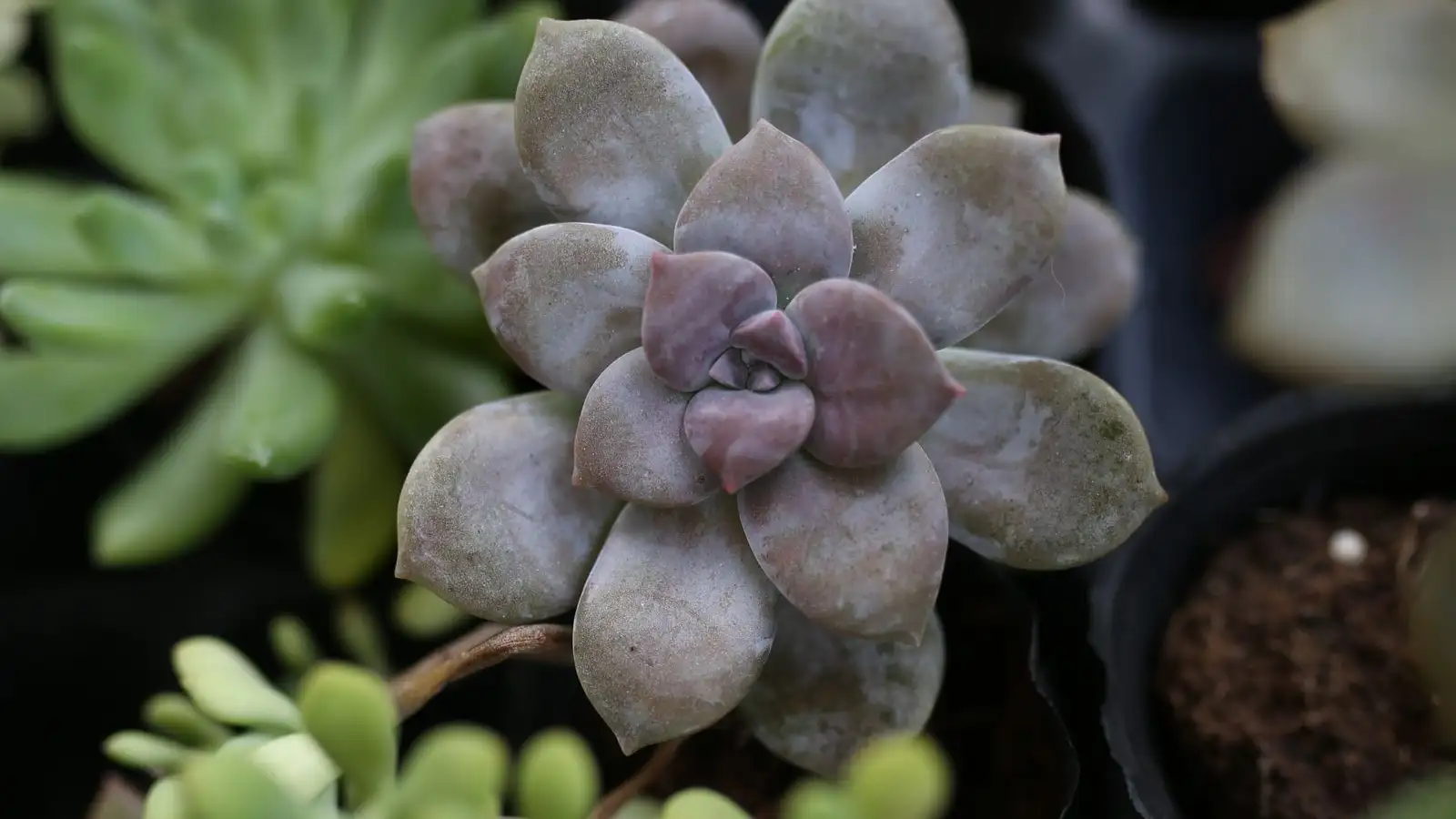
Succulent Black Spots: What Cause Fits Your Plant?
Black spots on succulents can be fungal leaf spot, pest honeydew, sunburn, or rot. A texture-first check tells you which one, and what to do next.
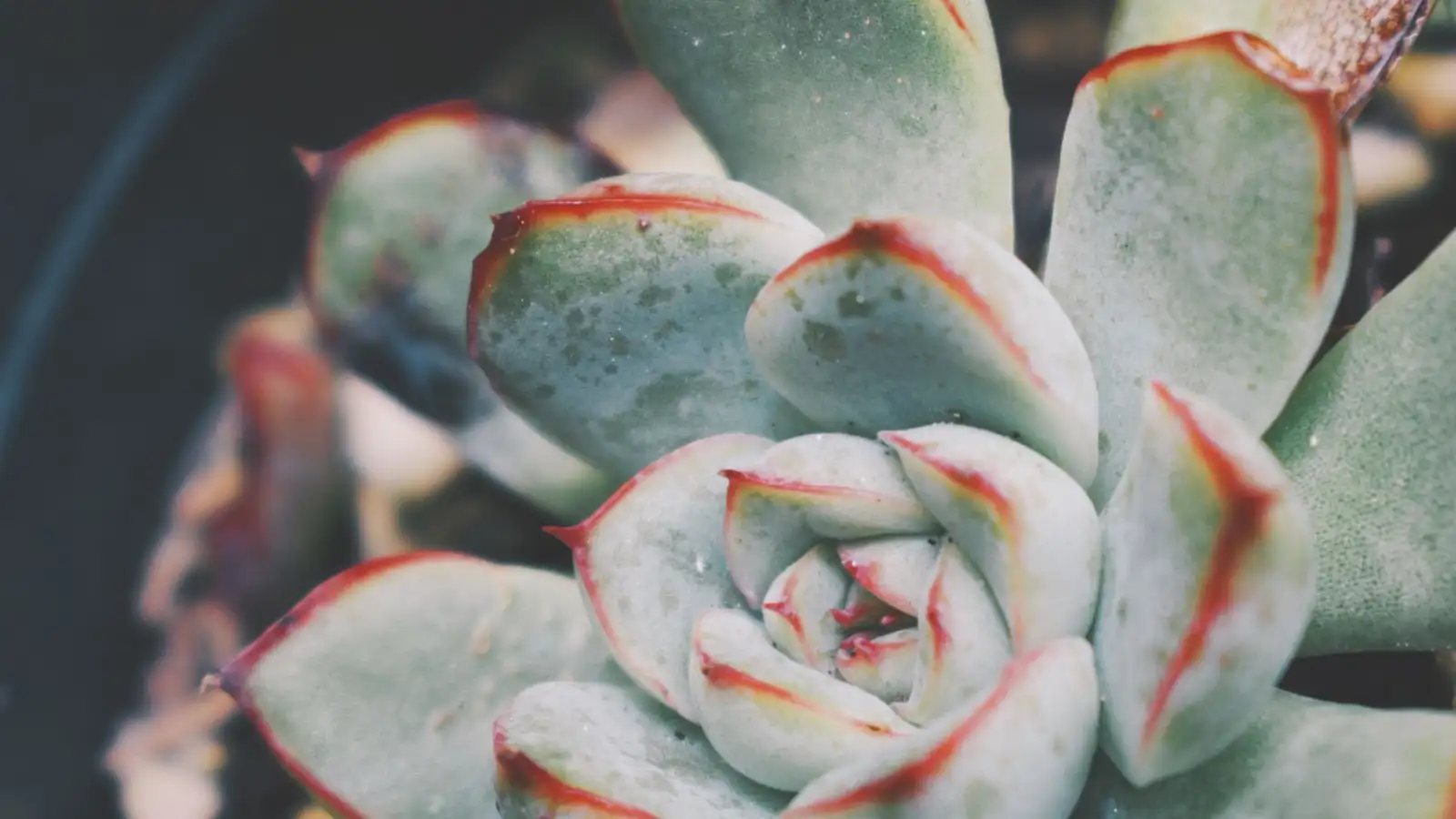
Black Spots on Succulents: Scars or Something Worse?
Dry, firm black spots on succulents are usually healed scar tissue from sunburn, hail, or edema. Learn the three checks that separate a scar from rot or fungus.
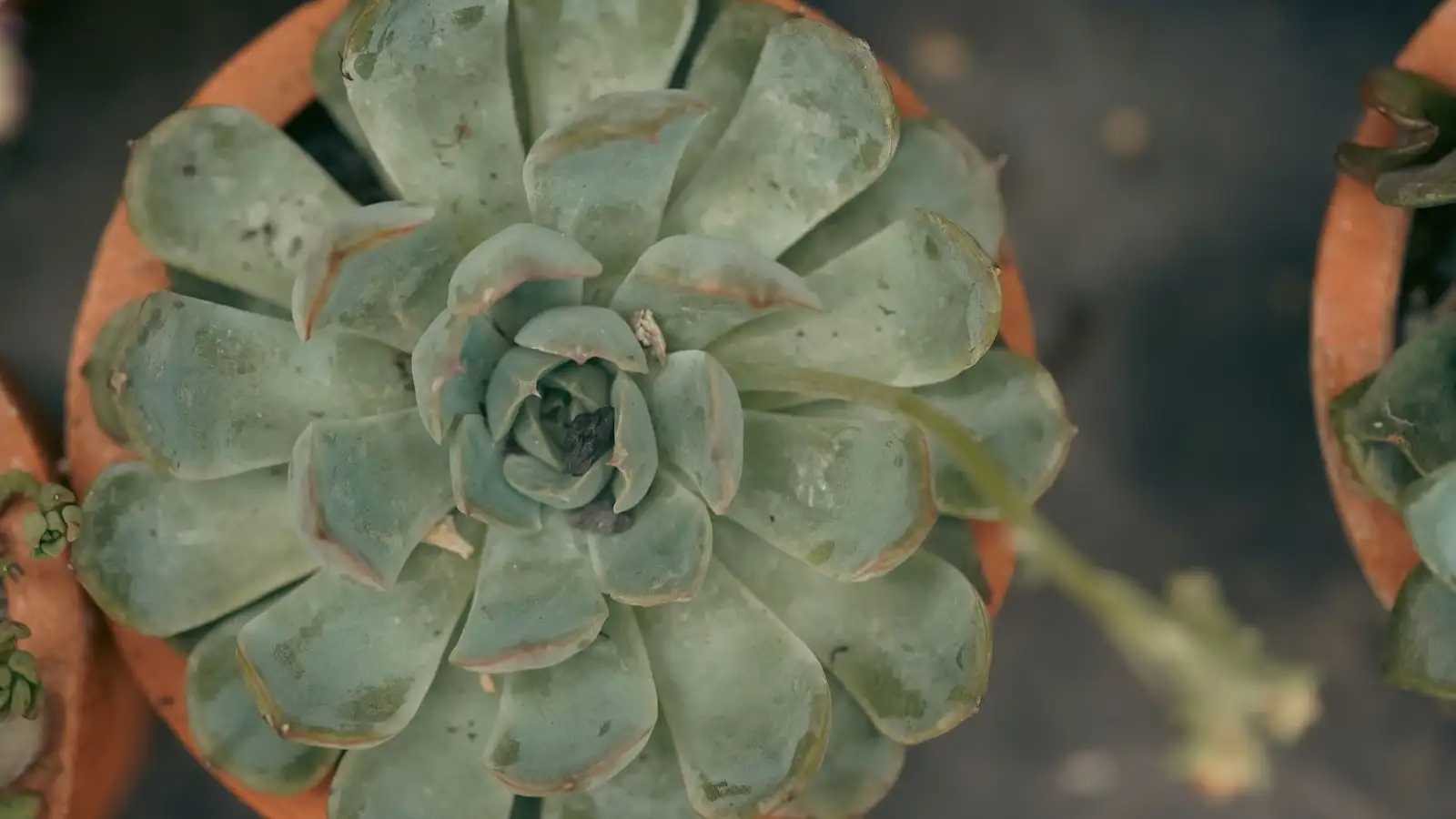
Sticky Black Spots on Succulents Are Not the Real Problem
Sticky black spots on succulents are honeydew and sooty mold, not the real problem. Find the scale, mealybugs, or aphids first, then clean the leaf.
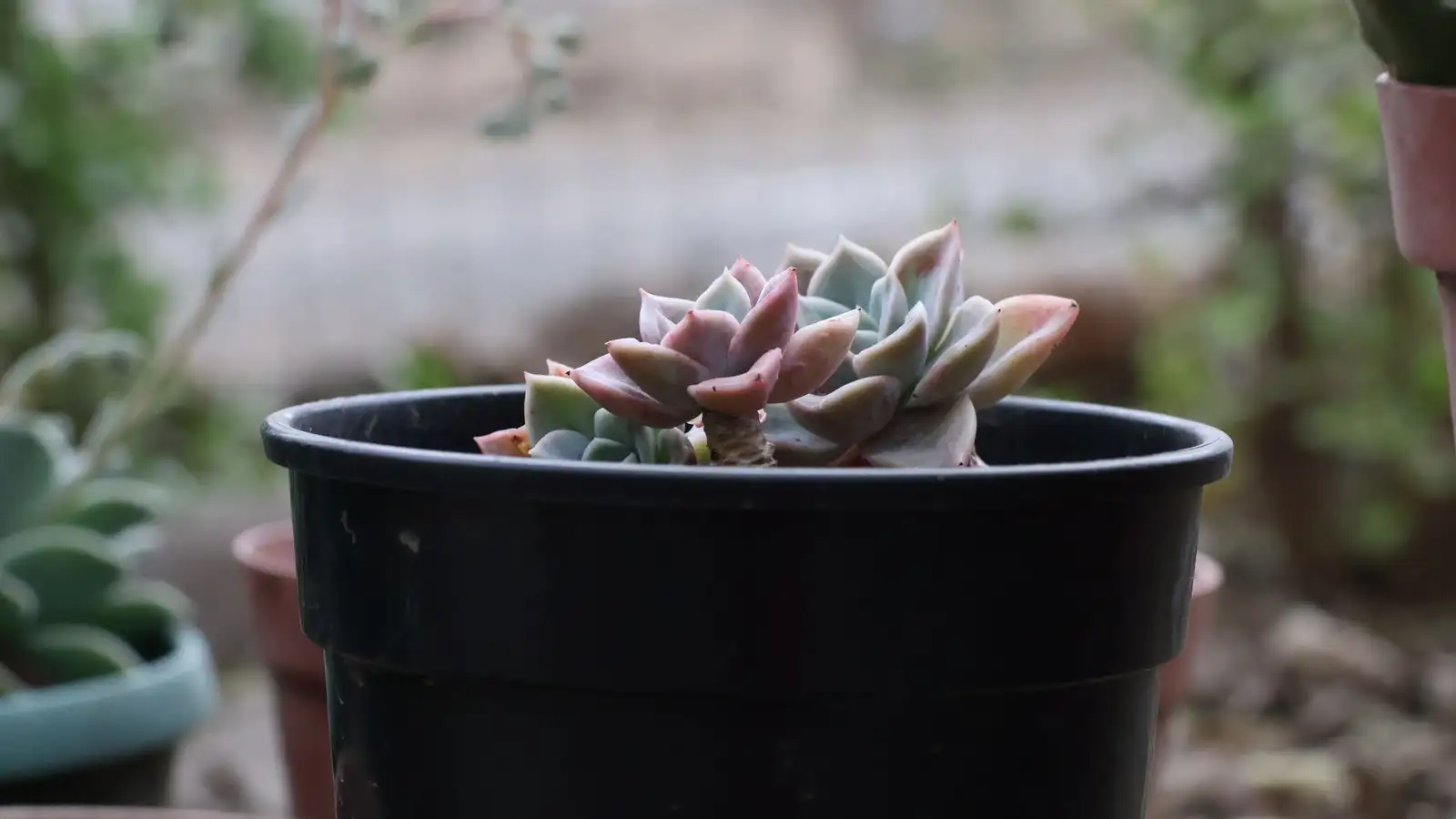
Fungal Black Spots on Succulents: What Waiting Costs You
Fungal black spot is an active infection. Learn how to confirm it's spreading, fix airflow and watering, and use sulfur or copper safely at label rates.
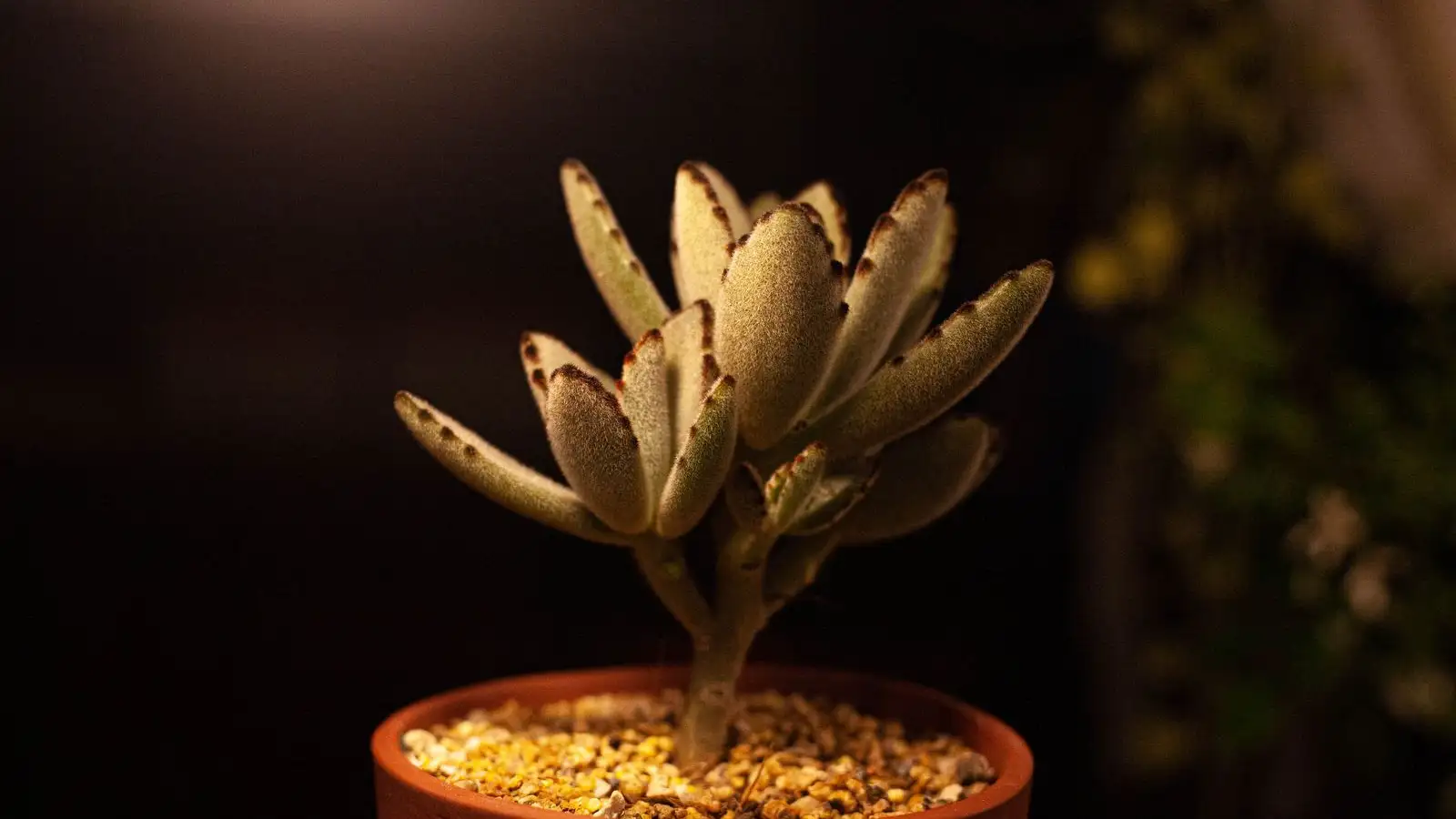
Treat Succulent Black Spots Without Burning the Leaves
Pick the right treatment for succulent black spots without scorching leaves: alcohol, soap, neem, sulfur, or copper — plus testing, timing, and label rules.
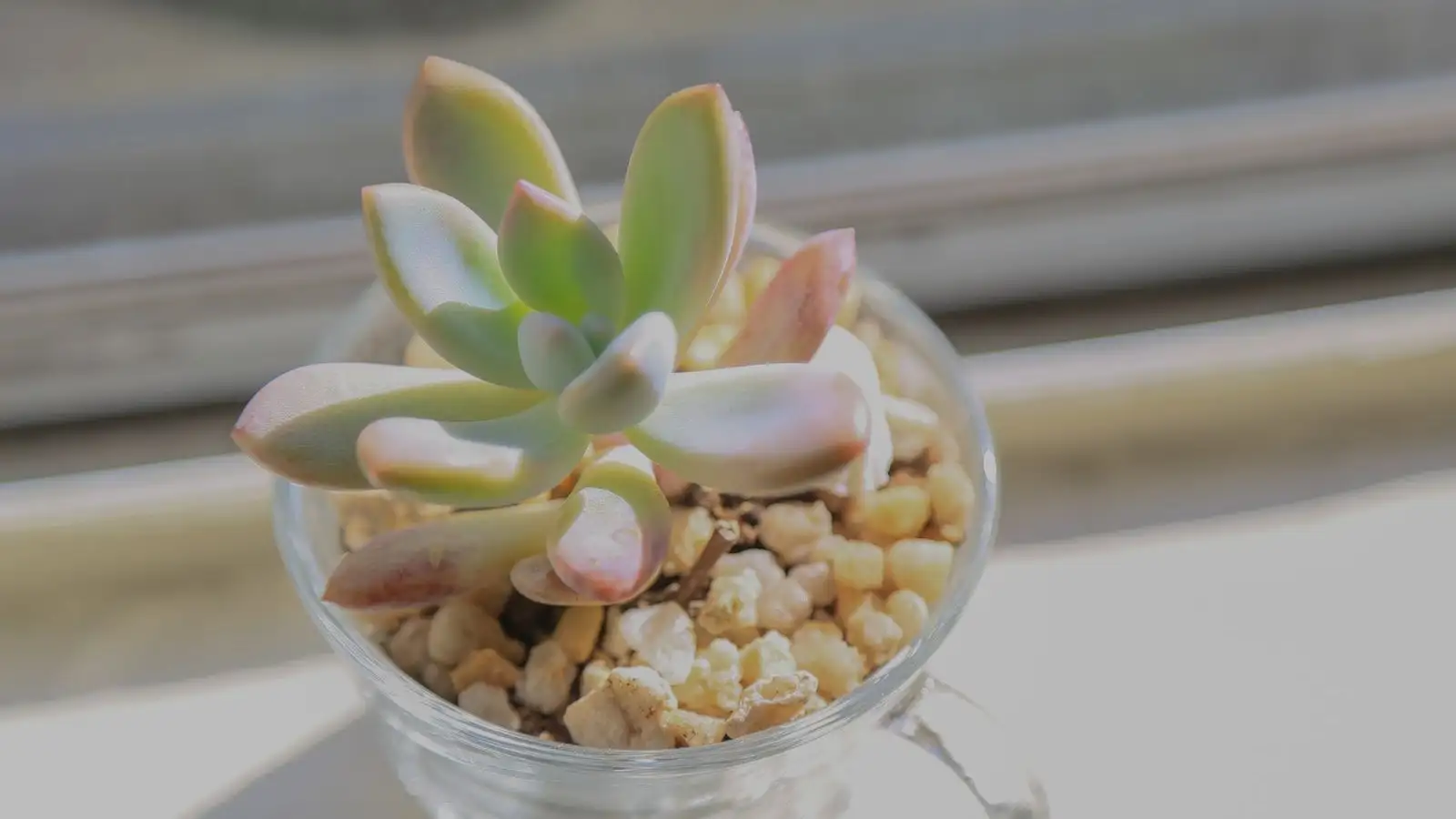
Stop Succulent Black Spots From Returning This Time
A failure-specific prevention checklist for black spots that already came back: airflow, soil-line watering, quarantine, tool alcohol, and weekly leaf checks.