Treat Succulent Black Spots Without Burning the Leaves
Black spots on a succulent are a symptom, not a diagnosis, and the treatment has to follow the cause rather than the color. The safe selector runs in a fixed order: run a wipe test and a press test to sort fungal leaf spot from pest honeydew, sooty mold, edema scarring, sun scald, or the soft leading edge of rot; pick the mildest product that matches that cause — isopropyl alcohol on a swab for individual pests, insecticidal soap or neem for soft-bodied insects and light surface fungus, sulfur or copper only when the label permits it and the species tolerates it; test the spray on one inconspicuous leaf and wait before committing to the whole plant; apply in early evening or on a cloudy day; keep the plant out of intense sun and rain until the spray is completely dry; and never combine products unless the label specifically allows the mix.
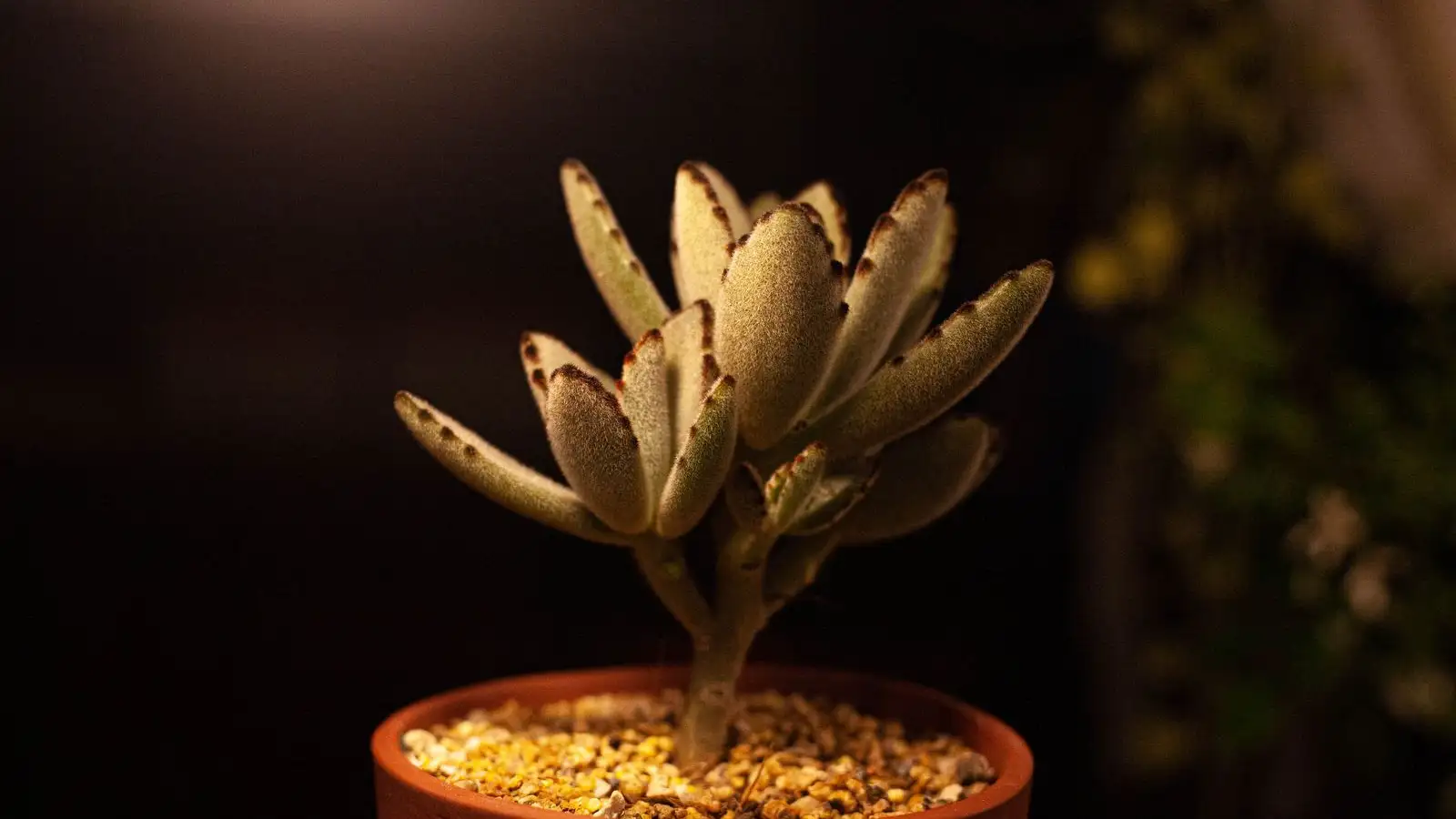
I do this on the porch rail most weeks, and it almost always happens around seven in the evening, when the light has gone the color of weak iced tea and the terracotta has cooled enough that I can lay a bare hand flat on the side of the pot without flinching. That last part sounds like a throwaway. It isn't. If the pot is still hot, nothing I'm about to spray on it belongs on it yet.
A dry swab before a wet one
Before I open anything, I pull the pot forward, tilt it until the underside of a leaf catches the light, and drag a dry cotton swab across one of the black spots. Three things can happen, and they send me in three different directions.
The spot smears off as a dark, greasy streak and the leaf underneath is green and unbroken. That is sooty mold sitting on honeydew that aphids or mealybugs left behind. The mold is not the problem. The insects are. Spraying a fungicide here is wasted money and wasted risk.
The spot doesn't move, but my fingernail finds a hard, dry edge, like a scab. That's dead tissue — an old sun scald, an edema blister that dried, or an infection that already stopped on its own. Nothing I spray will turn that green again. It's a scar, and the plant will grow out of it or shed the leaf.
The spot stays and the tissue around it gives when I press, just slightly. That's the one worth worrying about, because soft plus dark plus still spreading is the rot direction, not the surface-fungus direction, and spraying the top of a leaf does nothing for a problem sitting in the crown or the roots.
The swab tells me more than any photo on my phone ever did. Skin feel first, product second.
What each bottle is actually for
Isopropyl alcohol is the narrowest tool I own, and I use it the narrowest way. A cotton swab, dampened, dabbed directly onto a mealybug or a scale crawler, then the swab goes in the trash. I don't mist it over a plant. The reason is the farina — that pale powdery bloom on the leaves of some succulents. I learned this the hard way on a pachyphytum: one pass with an alcohol swab took a milky streak off the leaf, and the coating never came back. The plant lived. The leaf is still marked. On anything with a heavy bloom, alcohol is a spot treatment or it's nothing.
Insecticidal soap and neem oil are what I reach for when there are soft-bodied insects across several leaves, or a light surface fungus starting on older growth. They're also the two most likely to burn a succulent, and the burn has almost nothing to do with the product and almost everything to do with when it goes on. Direct sun plus wet leaf plus heat is the recipe. Soap residue in the sun will scorch tissue that was perfectly healthy. Neem in the middle of a hot afternoon does the same thing slower.
Sulfur and copper sit on the last rung for me, not the first. They have real label restrictions, and some succulent species take damage from them, especially thin-leaved ones and anything with a bloom. I don't use them casually and I don't use them because I'm out of patience. I use them when the cause is confirmed, the spread is active, and the label says this plant, this setting, this timing is allowed.
Timing, testing, and the two-day wait
I spray in early evening or on a flat gray day. Evening gives the leaf time to dry before the sun comes back, and it lets the plant sit out of the day's heat while the film sets. After spraying, the pot goes somewhere out of intense sun and out of rain — a shaded shelf, under a table on the porch — until the leaves are completely dry to the touch, not tacky in the crevices.
Before any of that, one leaf gets tested. Not the prettiest leaf. The lowest, oldest, most hidden one, and I spray the back of it, because that's where I'll actually see the result. Then I wait. Not an hour — two or three days. Burn shows up at the margins, on the thinnest leaves, and on the newest growth, and it shows up late. I've declared a spray safe at bedtime and found crisp brown leaf edges two mornings later.
A few rules I don't bend on:
- I do not mix products. Not to save a step, not because someone online swears by the combination. If the label doesn't say the mix is allowed, the mix is a plant risk and a handling risk at the same time, and I'm not qualified to invent it.
- I don't stack treatments out of impatience. If nothing has changed in a day, that isn't failure. Fungus doesn't reverse, it stops. Twenty-four hours tells me nothing.
- I don't repot, fertilize, or move a treated plant into full sun in the same week. One variable at a time is the only way I know which thing helped and which thing burned it.
- Anything showing soft dark tissue at the crown or the soil line gets pulled from the tray and handled separately. That is not a spray job and I don't pretend it is.
Success doesn't look like clean leaves
This is the part that took me the longest to accept. The black spots you already have are not going to disappear. They'll dry, they'll fade to gray-brown, and they'll stay on that leaf until the leaf is gone. If I'm judging the treatment by whether the old marks vanish, I'll keep spraying long past the point where anything needs spraying, and the spraying itself will start doing damage.
The only honest measure is new growth. I put a piece of masking tape on the pot with the date and a short note — what I used, what I saw — and then I watch the center of the rosette for the next two weeks. If new leaves come in clean and unmottled, whatever I did worked, and I stop. If new spots keep appearing on fresh tissue, the cause isn't what I thought it was, and I go back to the swab before I go back to the bottle.
Storage, leftovers, and the boring rules
Everything lives in a locked cabinet, up high, away from kids and pets, with the labels facing out and nothing decanted into an unmarked spray bottle. I learned that one watching someone squirt glass cleaner on a houseplant. When a container runs out or a mix gets old, I don't rinse it down the sink and I don't pour it at the base of a tree. The label has disposal instructions on it for a reason, and around here that usually means a household hazardous waste drop-off. That's a trip across town. It's still the answer.
If you take one thing from the way I do this: the label is the floor, not the ceiling, and your test leaf is the tiebreaker. The label tells you what's legal and safe to apply at all. Your own two-day test tells you what this particular plant, with this particular coating on its leaves, in this particular heat, will tolerate. When the two disagree, the plant wins and you don't spray.
Educational content only: check with a qualified horticulturist, licensed pesticide applicator, or your local extension office before acting on anything specific.

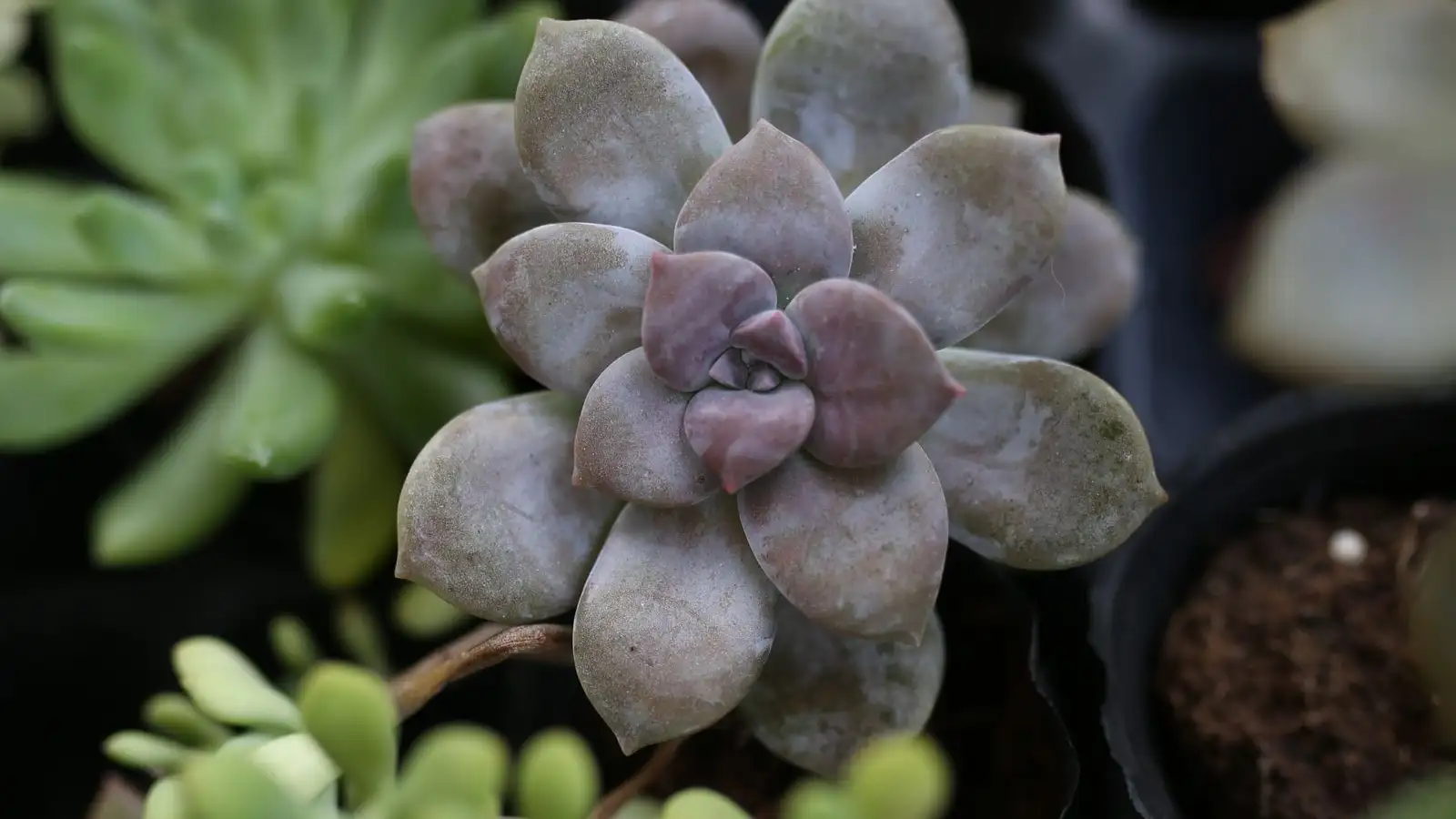
Succulent Black Spots: What Cause Fits Your Plant?
Black spots on succulents can be fungal leaf spot, pest honeydew, sunburn, or rot. A texture-first check tells you which one, and what to do next.
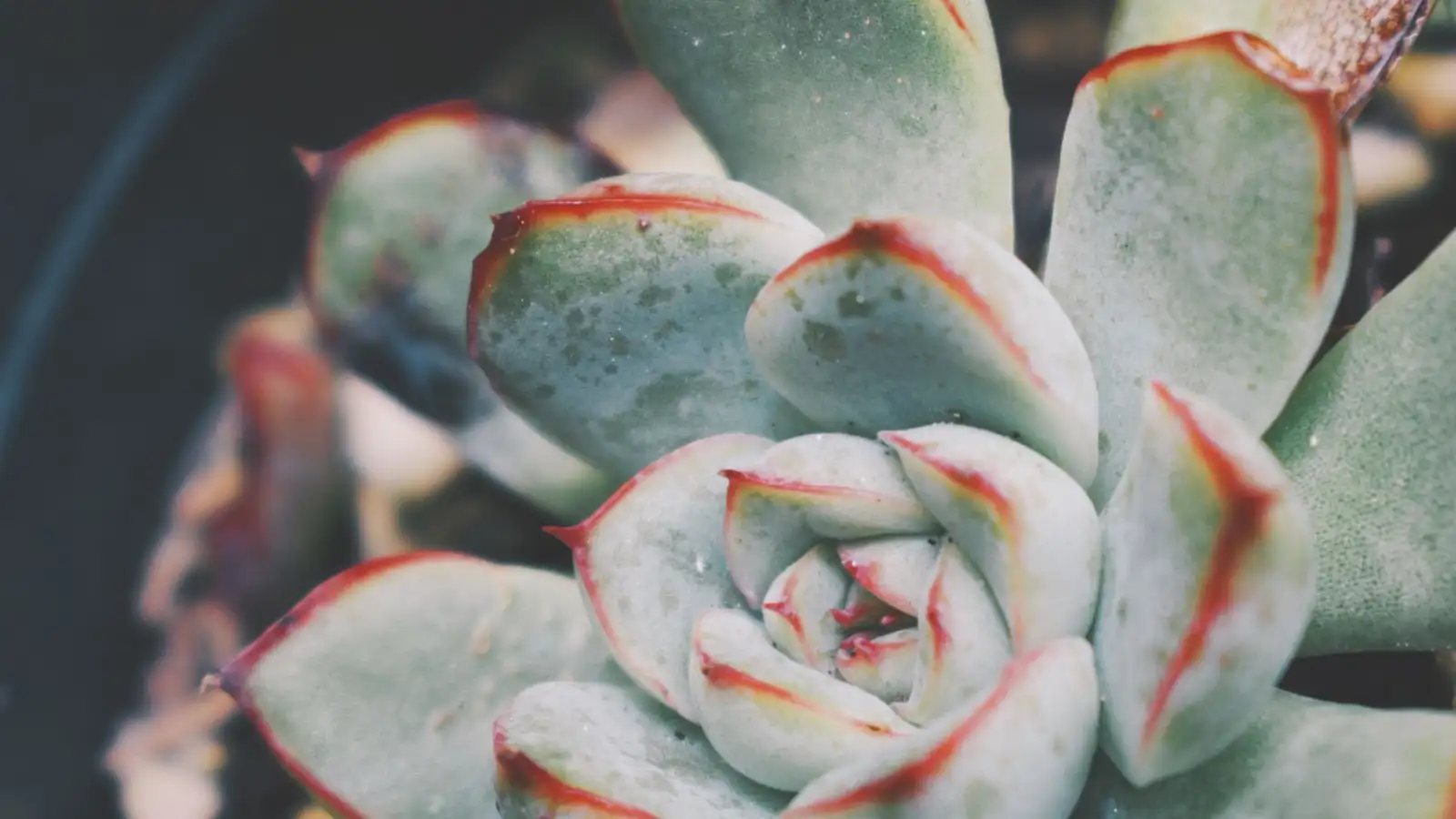
Black Spots on Succulents: Scars or Something Worse?
Dry, firm black spots on succulents are usually healed scar tissue from sunburn, hail, or edema. Learn the three checks that separate a scar from rot or fungus.
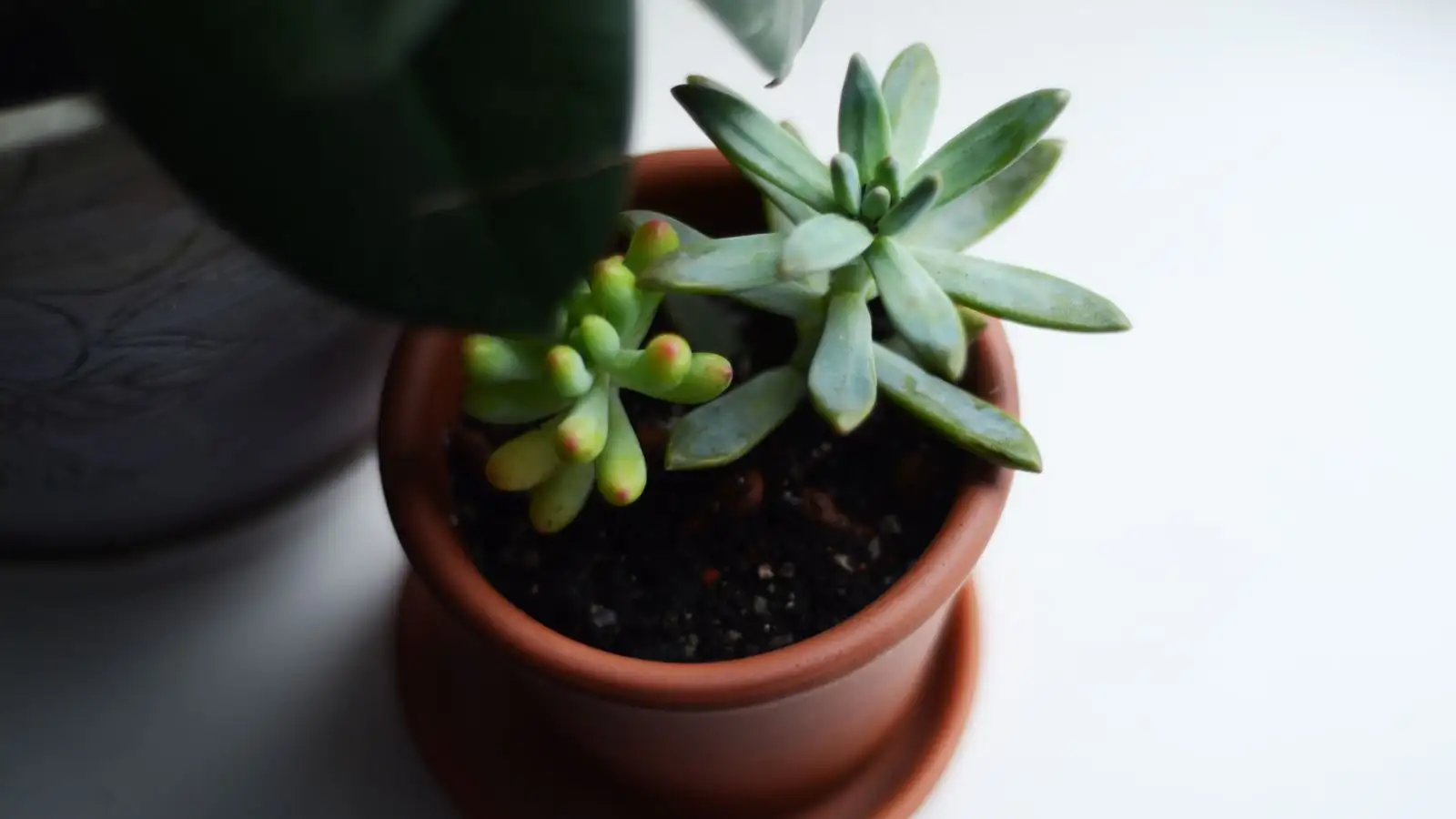
Black Spots on Stems: Cut Rot Before You Lose the Plant
How to tell rot from harmless woody callus on a succulent stem, when to cut into clean tissue, and how to dry the cut end so the plant survives.
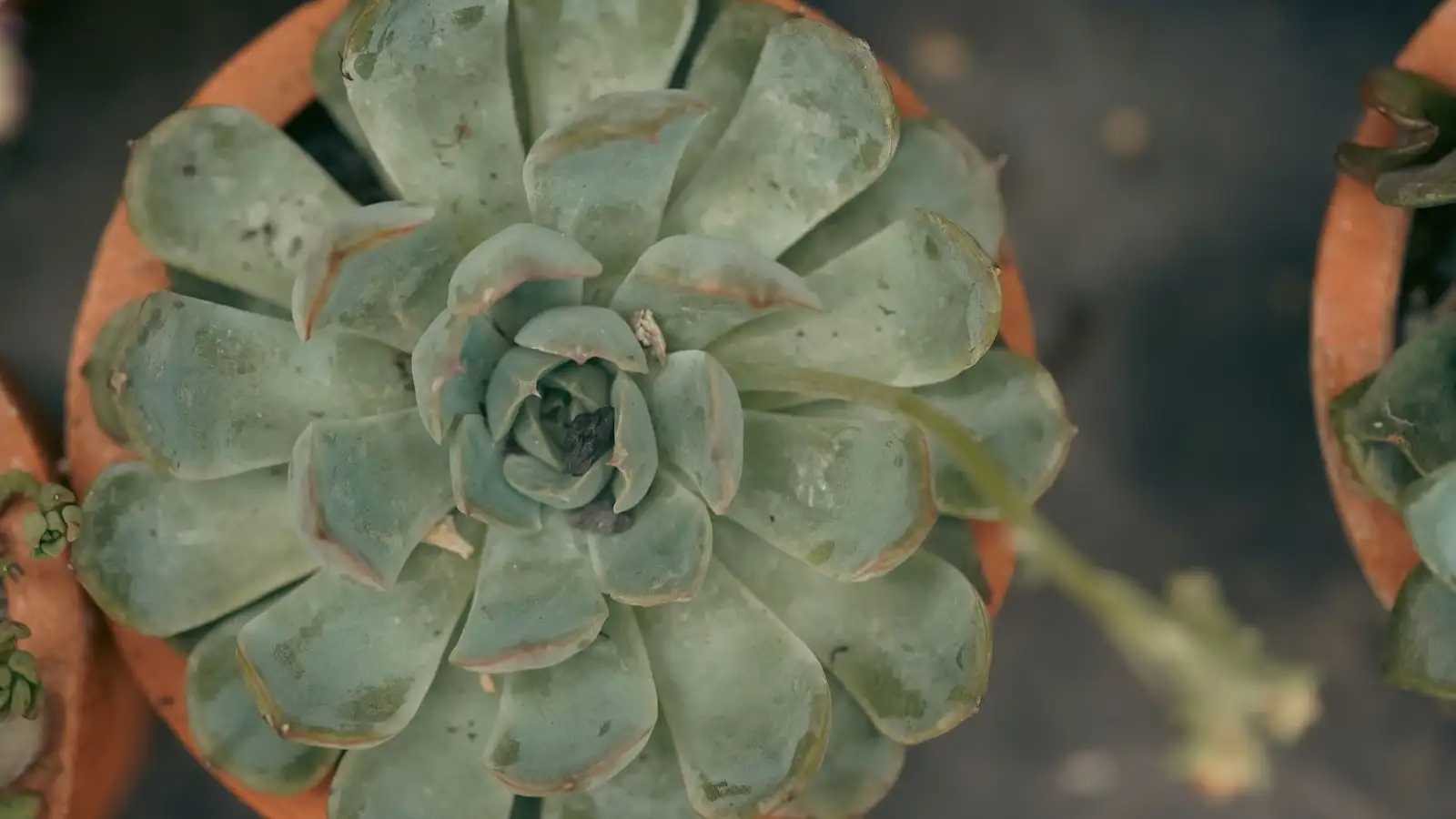
Sticky Black Spots on Succulents Are Not the Real Problem
Sticky black spots on succulents are honeydew and sooty mold, not the real problem. Find the scale, mealybugs, or aphids first, then clean the leaf.
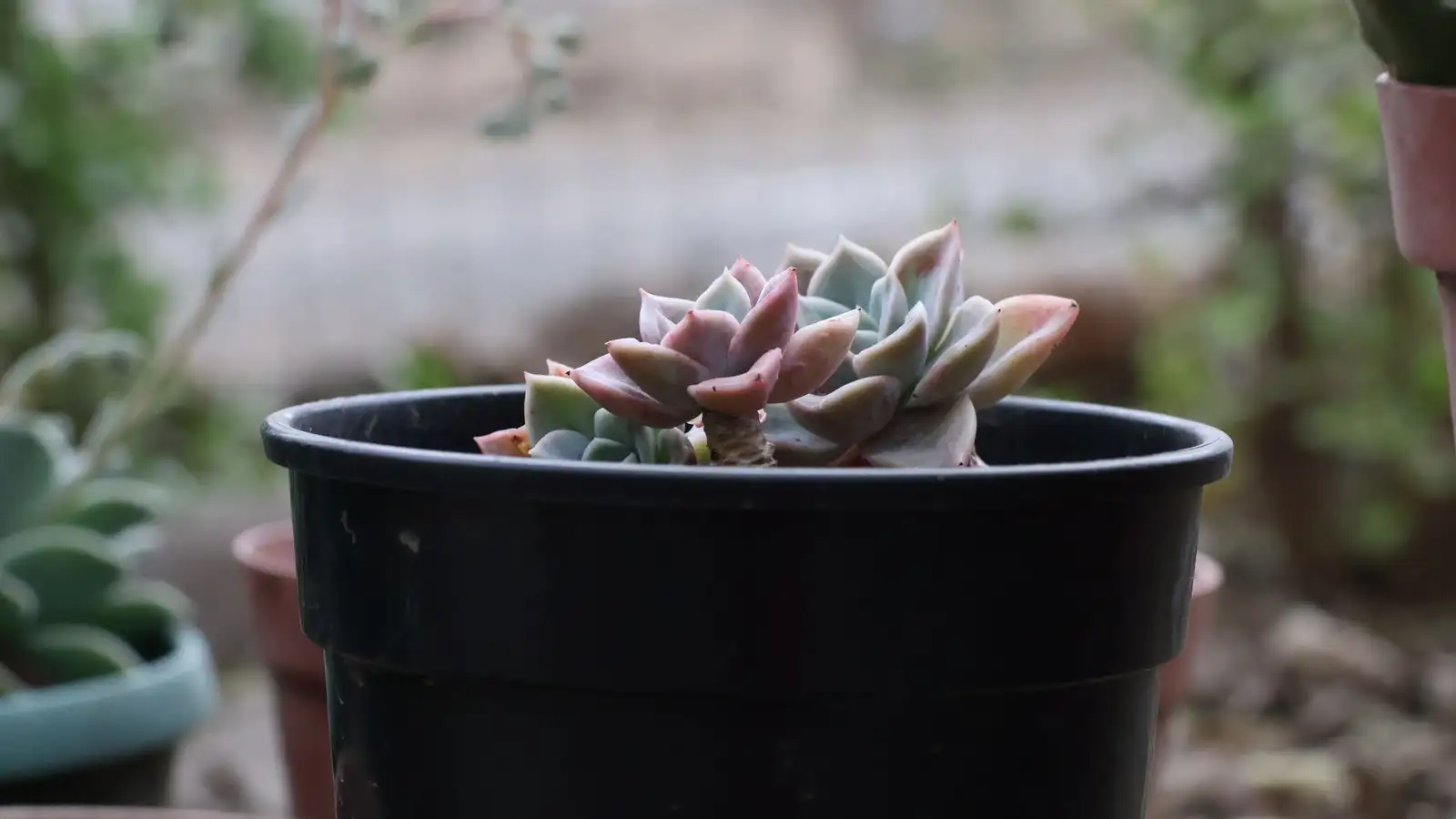
Fungal Black Spots on Succulents: What Waiting Costs You
Fungal black spot is an active infection. Learn how to confirm it's spreading, fix airflow and watering, and use sulfur or copper safely at label rates.
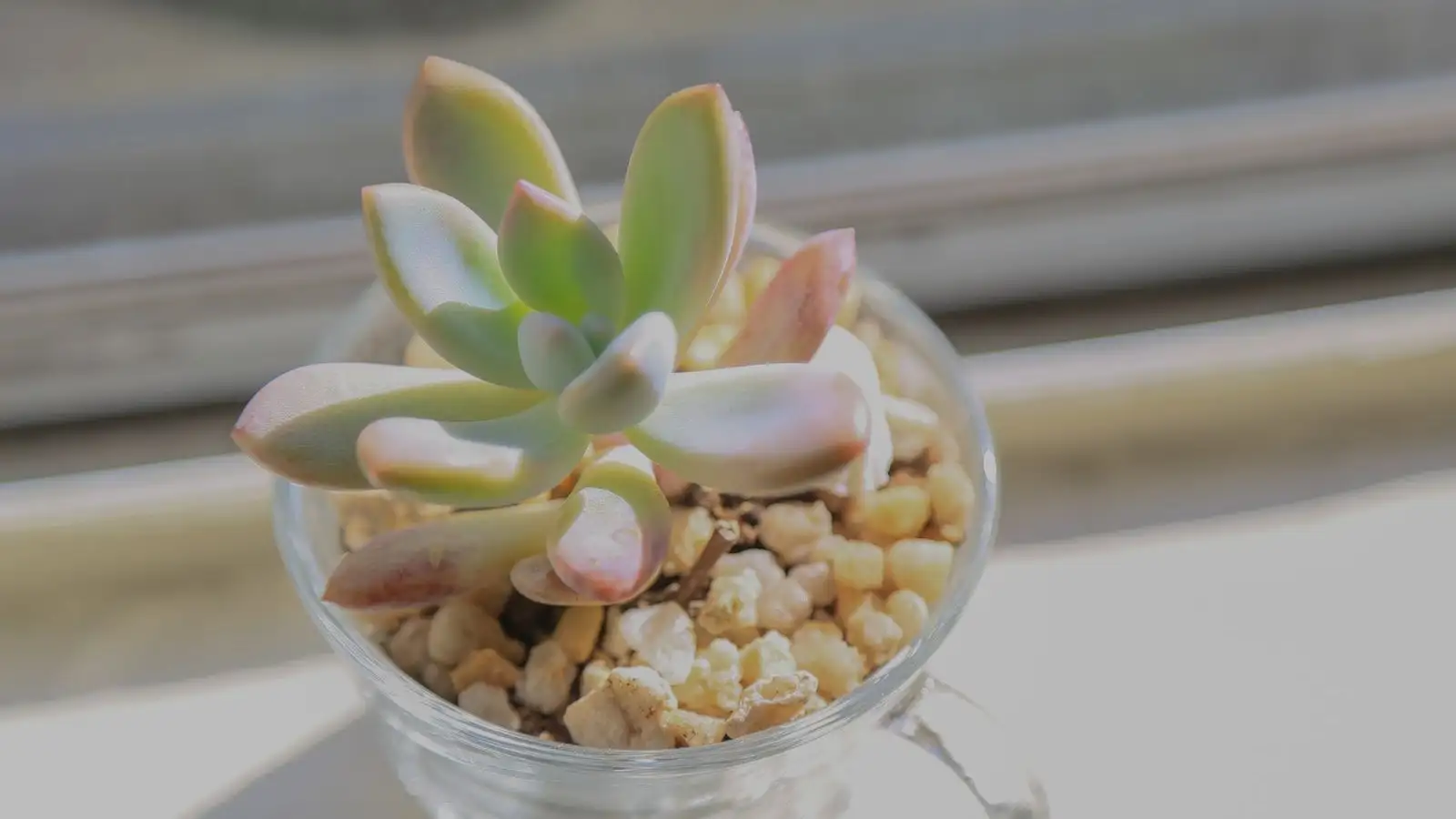
Stop Succulent Black Spots From Returning This Time
A failure-specific prevention checklist for black spots that already came back: airflow, soil-line watering, quarantine, tool alcohol, and weekly leaf checks.