Black Spots on Succulents: Scars or Something Worse?
Black spots on succulents are, far more often than not, scar tissue — dry callus left behind by sunburn, hail, edema, or a knock against the shelf — and the tell is that nothing about them changes. Same size next week. Same size in March. Firm and matte under your thumb, no ring of yellow around the edge. The spots that actually earn your attention are the ones that grow, soften, or appear at the soil line. What follows is how I sort one from the other using my hands and two weeks of patience instead of a spray bottle.
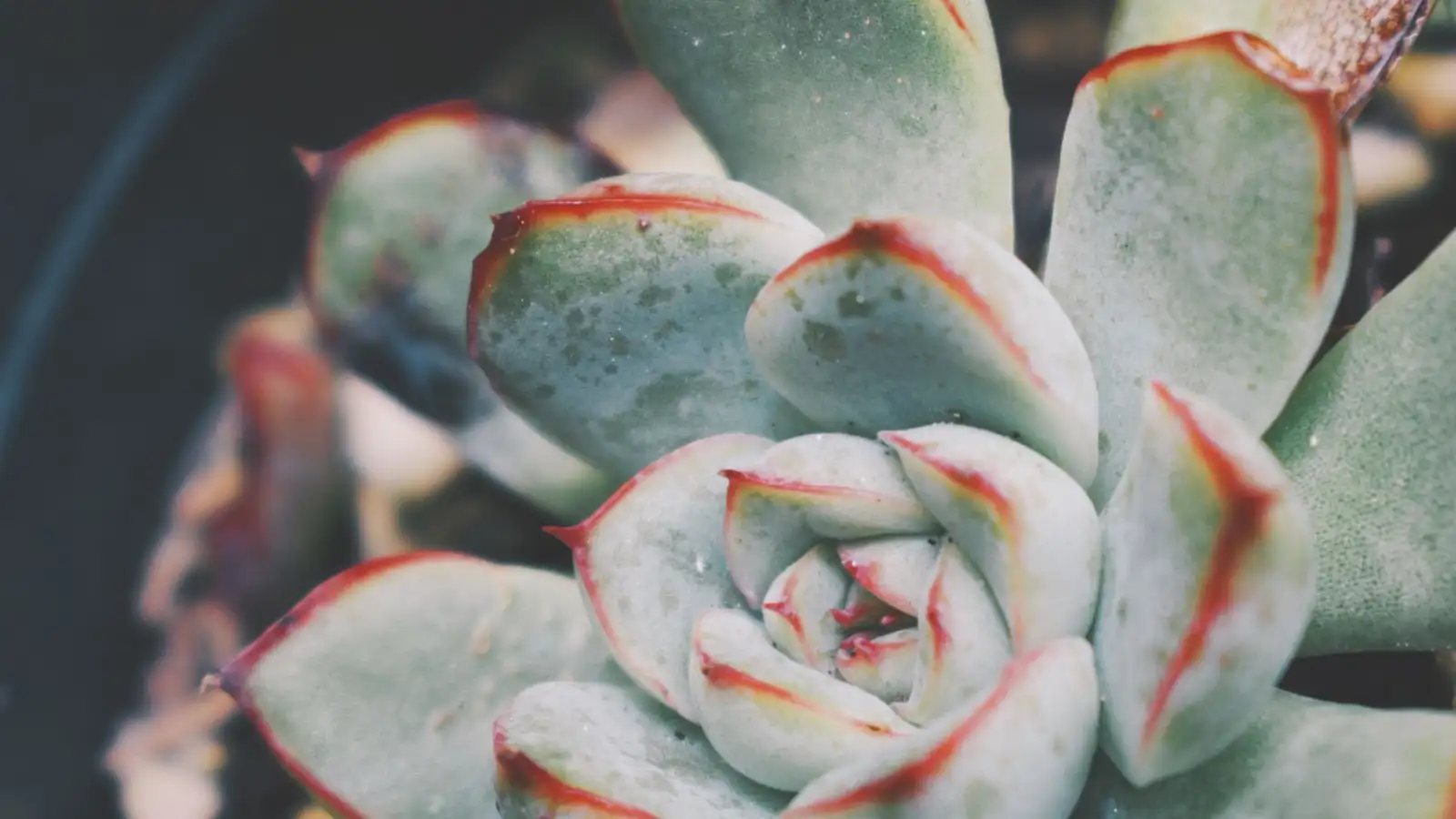
The first thing I do is touch it
Morning is the best light for this, and I mean the low, raking light an hour after sunrise, not overhead kitchen light. Set the pot on the counter and turn it slowly until the mark catches the light at an angle. What you're reading for is height, not color.
A healed scar sits at a different level than the leaf around it. Sometimes it's raised, a hard little plateau, like the callus you get on your knuckle after a week of yard work. Sometimes it's sunken — a shallow dry crater with a crisp edge where living tissue stops and dead tissue starts. Either way the border is clean and the surface is matte. Run a thumbnail across it and you get a dry scrape and a faint click.
Then press. Not hard, just enough to feel whether it gives. A scar doesn't give. It's dead tissue sitting on living tissue, and dead tissue doesn't puddle.
A fungal lesion under that same raking light reads differently: a flat discoloration spreading outward across an otherwise normal leaf surface, soft or greasy to the touch, and usually with a yellow halo where the leaf's own tissue is reacting around it. That halo is the thing a scar never has. So if your mark has one, or if pressing leaves a dent that stays put, you're dealing with something other than a wound, and the rest of this doesn't apply.
Marks that come from the weather and the shelf
Sunburn
Sunburn lands on the side of the plant that faces the strongest light. For my pots on the south windowsill, that's the face turned toward the afternoon. It doesn't arrive as tidy circles. It arrives as a broad, irregular patch — tan or papery at first, then browning down into that flat black. I can usually trace it back to a change: the week a plant went outside for the season, a morning I washed leaves and left them wet in full sun, a pot nudged six inches closer to the glass.
The giveaway is geometry. The damage lines up with the direction the light came from, and everything facing the other way is untouched. Then it stops. New growth comes out clean, and the burned leaves wear the mark for the rest of their lives.
Hail, knocks, and cat damage
Hail pocks a plant in a single afternoon, and the marks can be startling — pinhead dents all down one side, or a blackened bruise where a pot got knocked off a shelf, or a bite-shaped scar where something took a sample and left. Each one gets sealed with callus tissue, and that callus darkens as it dries and hardens. A dark, hard, slightly raised pock that hasn't changed shape in a month is a healed wound. The black there is a clot, not something creeping.
Edema bumps
Edema gets misread as disease more than anything else on this list, because it's bumpy. Raised, corky nodules, sometimes in a line along a leaf edge, sometimes scattered on the underside. They can darken to rust or near-black. Squeeze one and it's firm as a grain of rice. No spreading, no halo, no soft center. Cosmetic, permanent, harmless.
The one that isn't a scar at all
Rot doesn't start as a spot on an exposed leaf. It starts where moisture sits — the crown or the soil line — and it's soft where a scar is hard, sunken where a scar is level, and it moves downward into the stem. If a leaf lifts away with almost no resistance, or the base has gone translucent and slick, that's not a mark you're looking at, that's a plant in trouble.
Two weeks of doing nothing
Here's the part nobody enjoys. When I genuinely can't call it — a dark patch on a leaf I never watched happen — I don't treat anything. I move the pot to its own corner of the shelf, away from the others, and stick a piece of masking tape on the side with the date written on it. I take one photo with my thumbnail in the frame for scale. Then I go back to watering exactly the way I watered before and wait one to two weeks.
That last part matters. If you change the light and the water at the same time, you've destroyed your own evidence. Change nothing except the plant's location.
Then compare. A fungal spot expands. It might develop concentric rings, it might show up in multiples, it might start producing fuzz. It grows into the leaf and eventually through it. A physical scar does none of that — same size, same shape, same color, or slightly lighter as the surrounding tissue swells and pulls at it. That one comparison answers the question more reliably than anything you can see in a single sitting.
And about the spray: fungicide on a callus does nothing. Not "a little," nothing. There's no living pathogen inside a healed wound, and now you've got a plant sitting wet that would rather be dry.
What to do with a scarred leaf
Usually nothing. A scarred leaf is still a working leaf, photosynthesizing with whatever surface it has left, and on a slow rosette it's going to be there for years either way. If the mark is on an old bottom leaf and it offends you, snap it off clean at the base and let the plant callus over. That's cosmetic, and it's optional.
A soft, translucent, or weeping leaf is a different decision entirely. That one comes off, not for looks, but because you have to see the stem underneath it.
One short note on prevention, since it isn't complicated: new sunburn scars come from a specific direction at a specific time of day, and blocking that is a two-minute fix — a piece of shade cloth over the afternoon side, or the pot slid back a foot. It doesn't require rethinking how you grow the plant.
Educational content only: check with a qualified horticulturist, licensed pesticide applicator, or your local extension office before acting on anything specific.

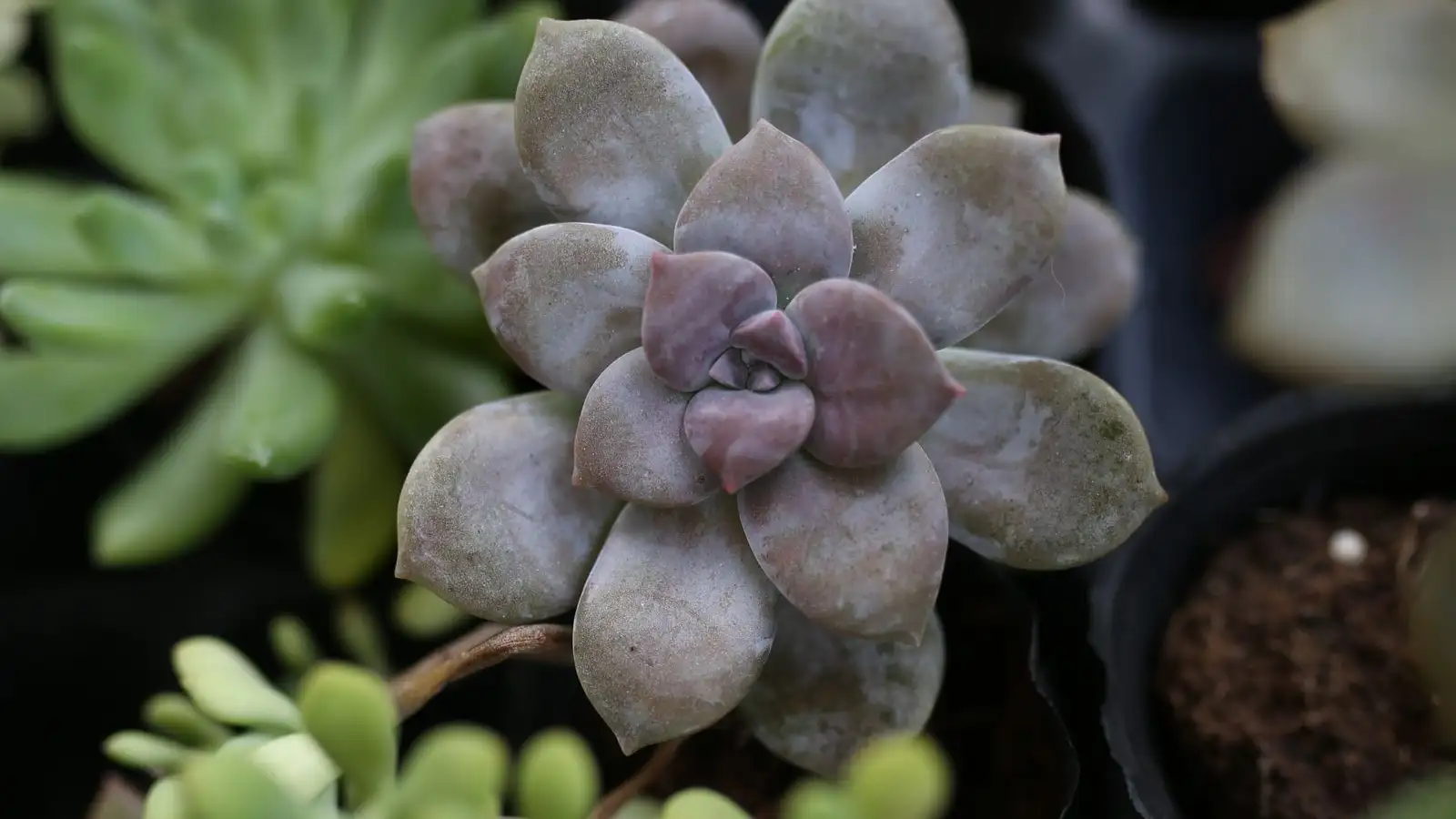
Succulent Black Spots: What Cause Fits Your Plant?
Black spots on succulents can be fungal leaf spot, pest honeydew, sunburn, or rot. A texture-first check tells you which one, and what to do next.
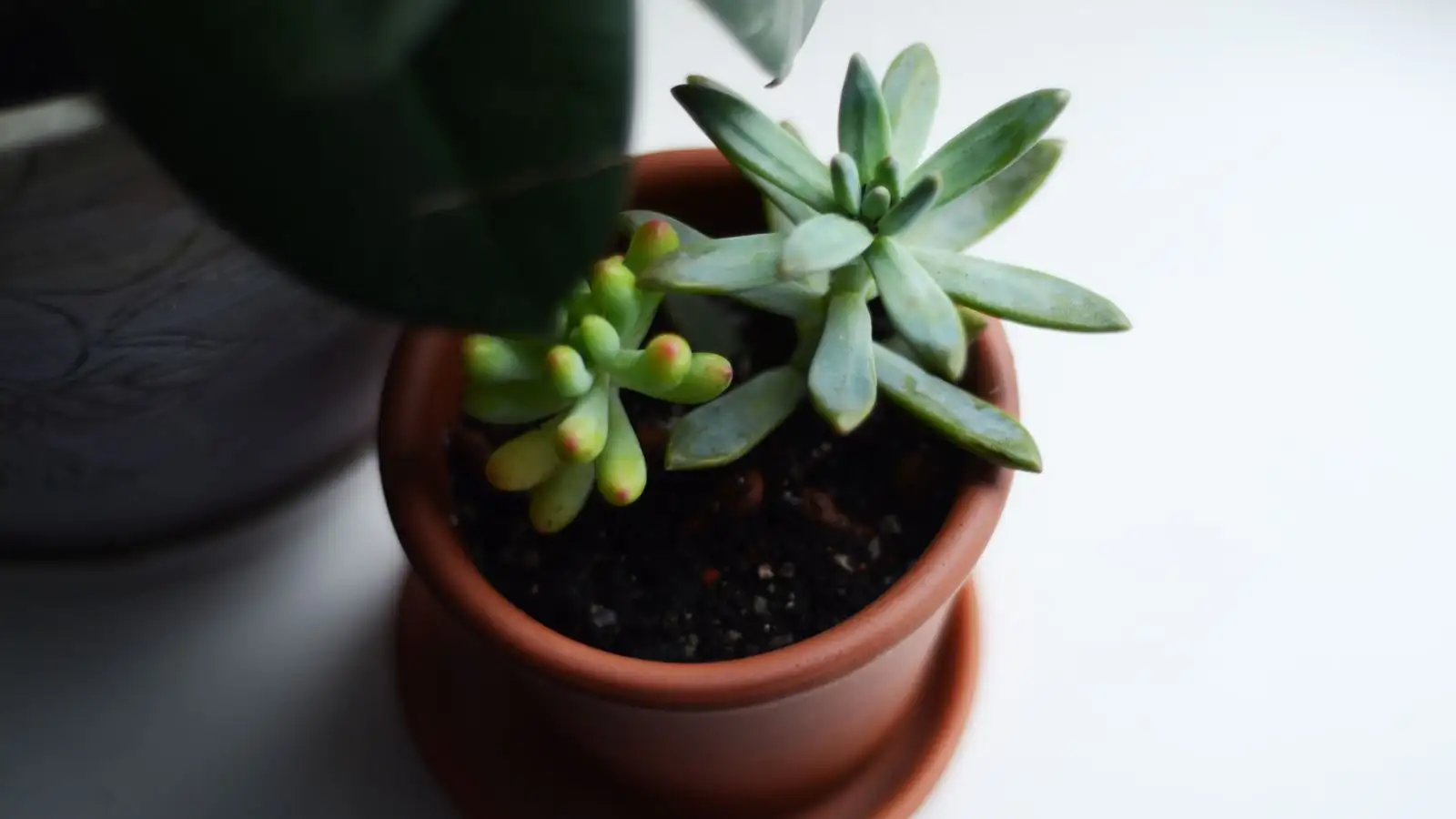
Black Spots on Stems: Cut Rot Before You Lose the Plant
How to tell rot from harmless woody callus on a succulent stem, when to cut into clean tissue, and how to dry the cut end so the plant survives.
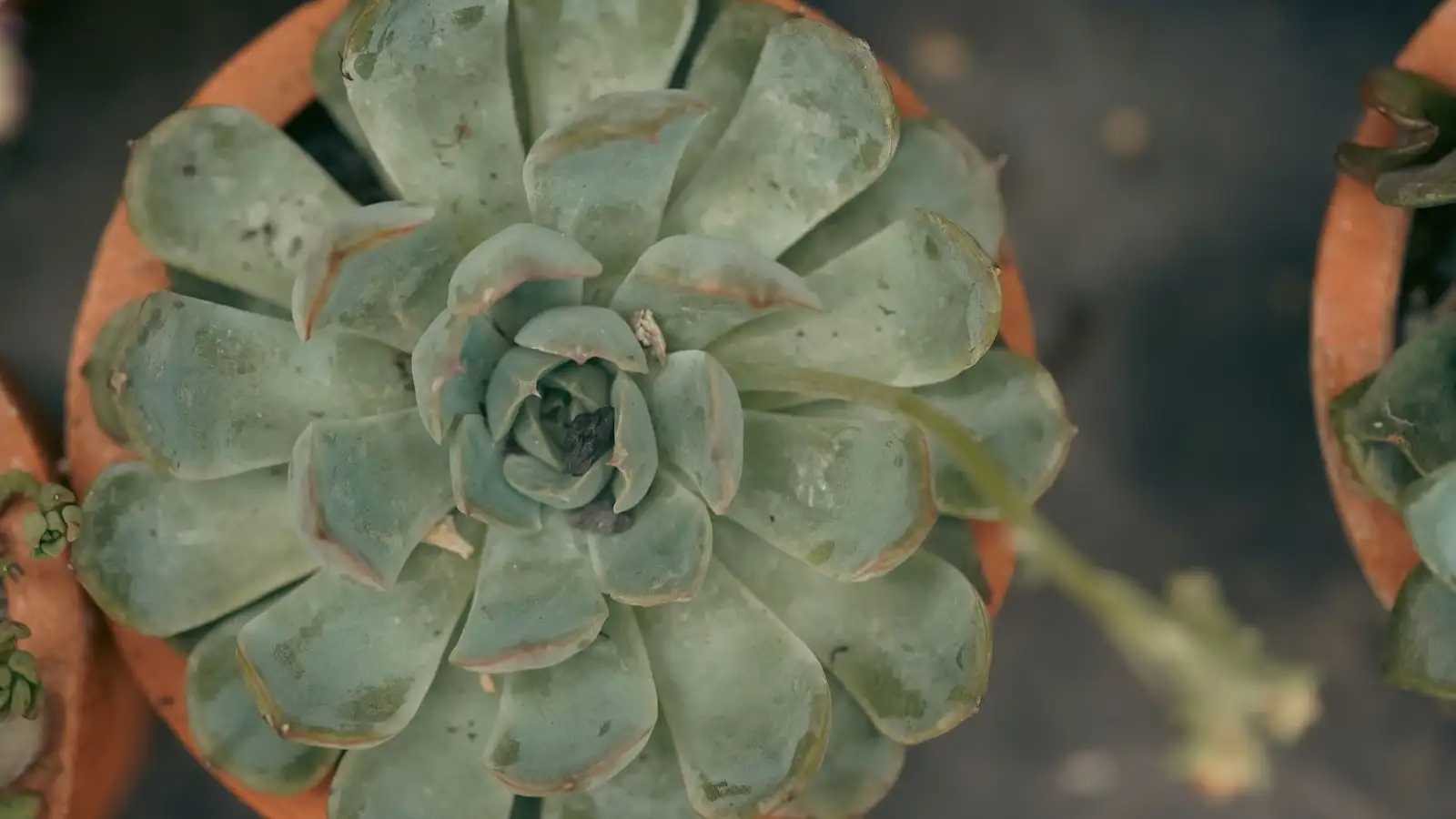
Sticky Black Spots on Succulents Are Not the Real Problem
Sticky black spots on succulents are honeydew and sooty mold, not the real problem. Find the scale, mealybugs, or aphids first, then clean the leaf.
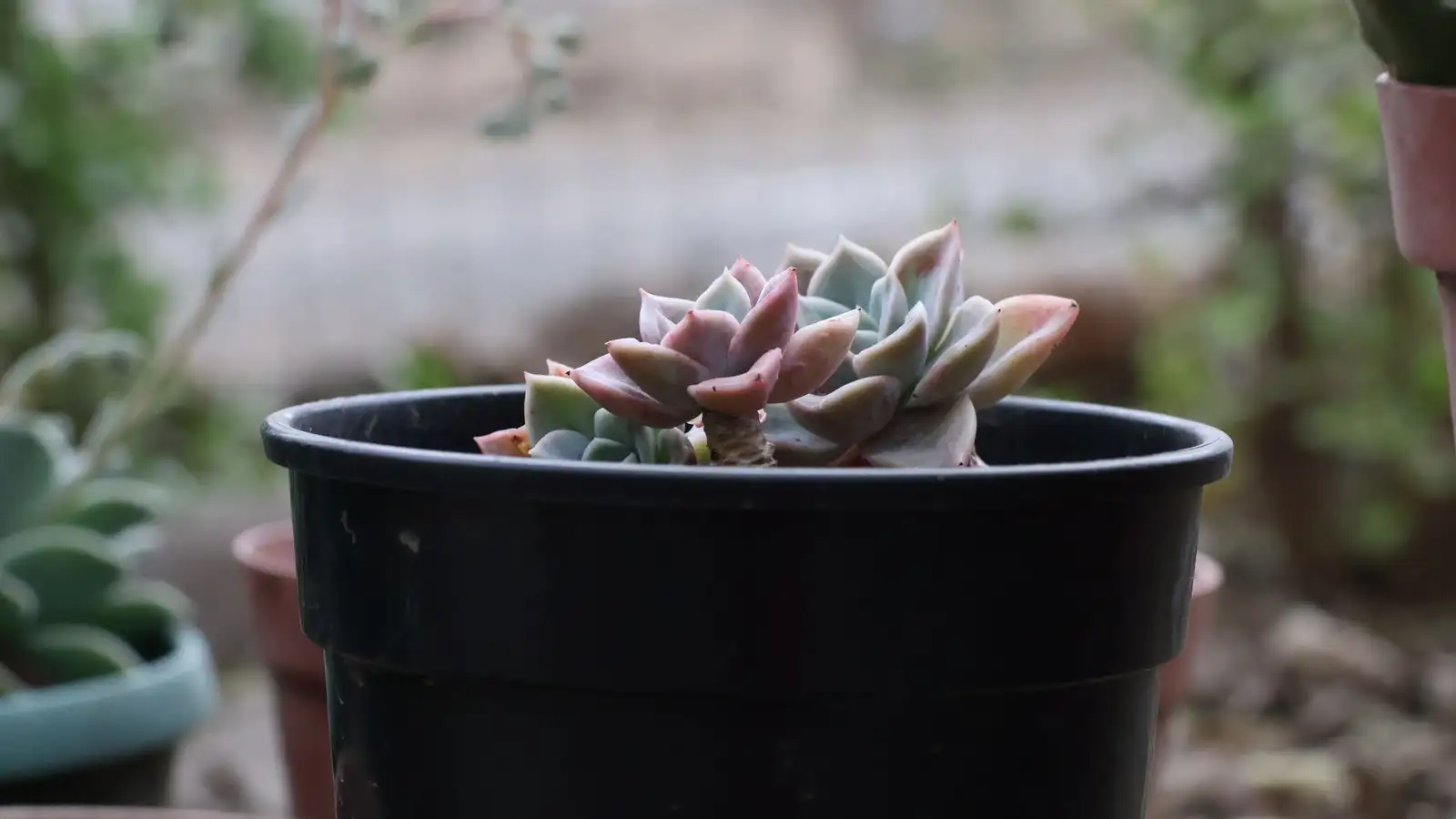
Fungal Black Spots on Succulents: What Waiting Costs You
Fungal black spot is an active infection. Learn how to confirm it's spreading, fix airflow and watering, and use sulfur or copper safely at label rates.
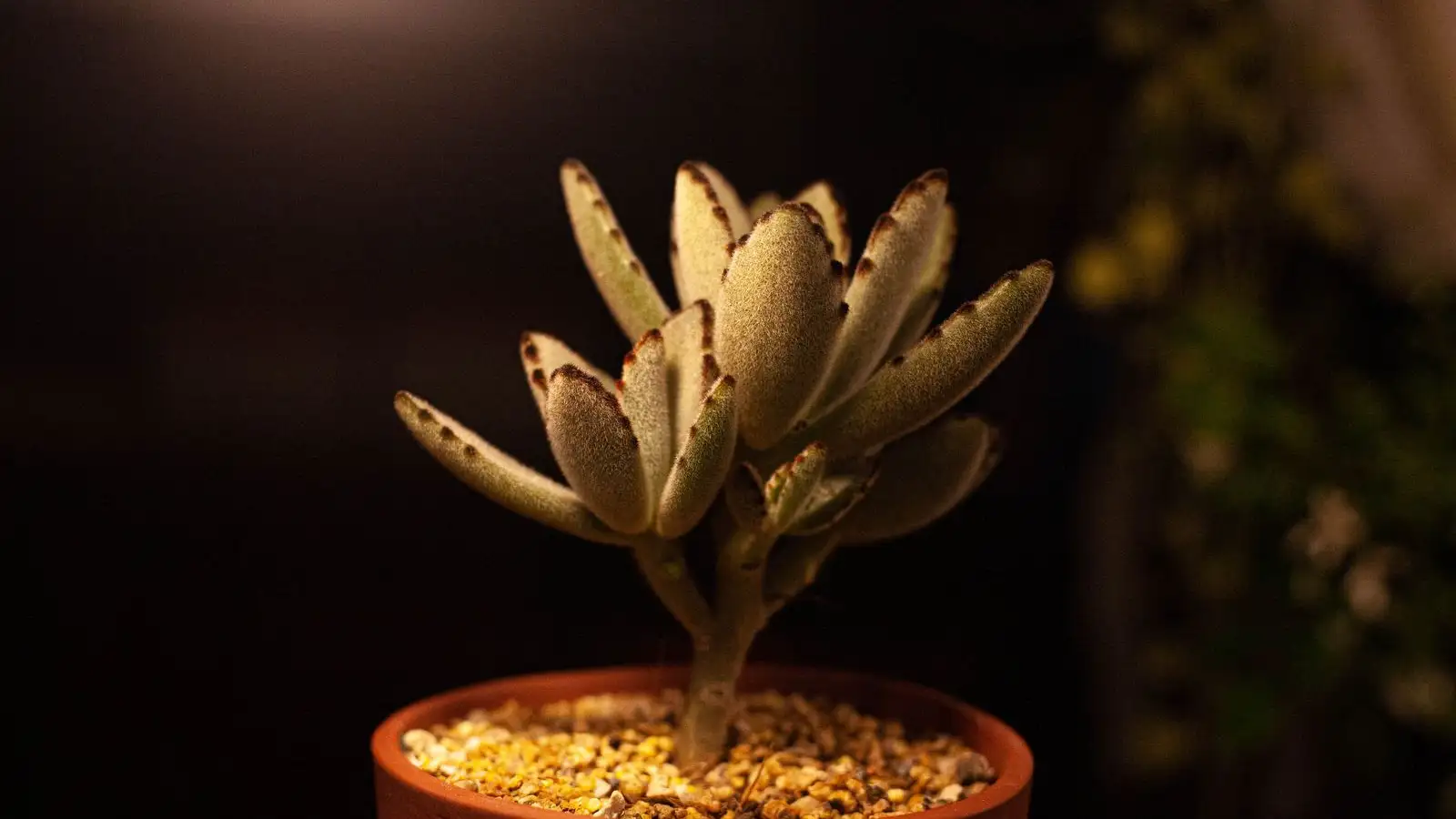
Treat Succulent Black Spots Without Burning the Leaves
Pick the right treatment for succulent black spots without scorching leaves: alcohol, soap, neem, sulfur, or copper — plus testing, timing, and label rules.
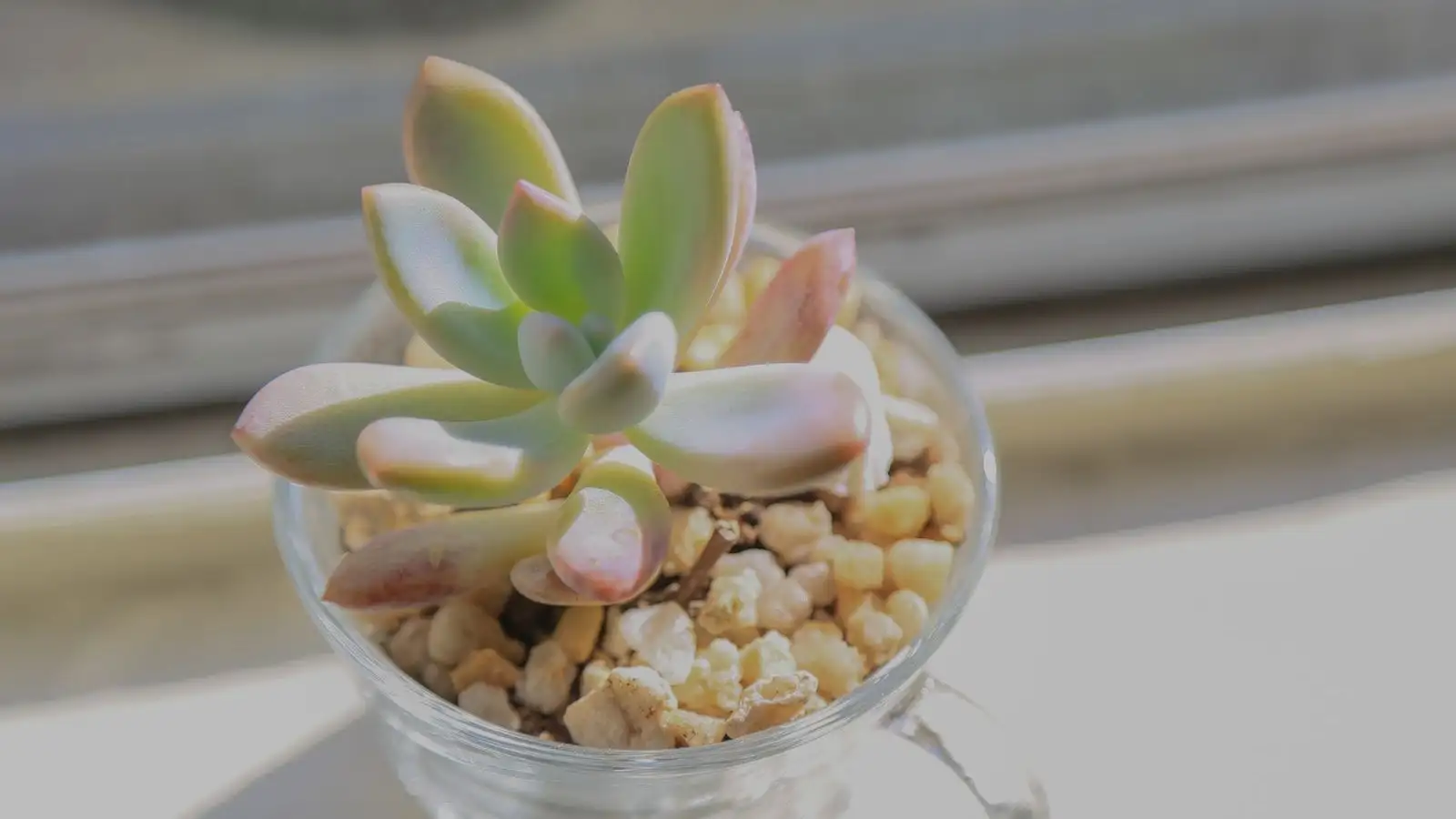
Stop Succulent Black Spots From Returning This Time
A failure-specific prevention checklist for black spots that already came back: airflow, soil-line watering, quarantine, tool alcohol, and weekly leaf checks.