Sticky Black Spots on Succulents Are Not the Real Problem
The sticky black spots on a succulent are not the problem. They are honeydew, a sugary waste liquid excreted by sap-sucking insects, and the black film sitting on top of it is sooty mold, a fungus that feeds on that sugar rather than on your plant. Wipe the black off and it will come back as long as the insect producing the honeydew is still feeding. The fix is to find and treat the pest, usually scale, mealybugs, or aphids, and then clean the residue, in that order.
The leaf below the bump
I found the first real case by accident. I was lifting a jade plant off the windowsill to water it, and my thumb slid across a leaf instead of dragging. Slick. Not the dry slick of a plant that hasn't been wiped down in a month, but a tacky, wet slick, like a spot where a drop of soda had dried.
The leaf looked fine from above. From behind, there was a dark speckled film along one margin, thin enough that the green still came through, glossy where the window light hit it. I ran a damp paper towel along it and the black came off in one grey-brown smear, leaving clean green underneath. Nice and easy.
Two weeks later, that same leaf was black again. That's when I stopped staring at the leaf and started looking at the plant.
Follow the stem down from a black leaf and you'll usually find the source in the joint where the leaf meets it: a little cluster of brown domes the size of sesame seeds, sitting so still they look like part of the plant. They are not. That's scale, and the black mess on the leaf below is just what it has been throwing off.
What the black stuff actually is
Sap-sucking insects drink from the plant's vascular system under pressure. They take in far more fluid than they can use and excrete the rest as honeydew, which is clear, sweet, and slightly sticky. Gravity does the rest. Honeydew lands on the leaf below, the pot rim, the windowsill, the shelf. The insect does not have to be anywhere near the stain it created.
Sooty mold is a fungus that lands on the honeydew as a spore and grows into that flat, dark coating. It is not eating leaf tissue. It sits on the surface, and on the surface is where it stays. That means two things: it wipes off, and wiping it off does not matter much, because the food supply keeps getting refilled.
This is what separates it from a real leaf spot. A fungal leaf spot sits inside the leaf. You can see a defined lesion, often with a darker margin, and the tissue underneath it is dead. Rub it and nothing lifts. Sooty mold smears onto the cloth. Test that first, with a wet paper towel, and you'll know within ten seconds which problem you are actually holding.
Look where the honeydew falls from
The search isn't "where are the black spots." It's "what is above the black spots."
Start at the leaf joints. On most succulents, the axil, the notch where the leaf meets the stem, is the first place scale and mealybugs set up. It's tight, it stays humid, and it's hard to reach with a spray. Then the undersides. Then the stems. Then, on anything that clusters, the newest growth, which is where aphids go.
Scale looks like small brown, black, or greyish bumps with a shell. Scrape one with a fingernail and it comes off whole, leaving a wet mark and sometimes a bit of orange-brown fluid. That was a live one. If it crumbles to powder instead, it was already dead, and something else is making the honeydew.
Mealybugs are white and cottony, usually in clusters tucked into the tightest available crack. They move when disturbed, which is why they're often gone by the time you get a good look at where they were.
Aphids are soft-bodied and visible, clustering on new growth, flower spikes, and soft tips. You'll often see cast skins mixed in with them, tiny white flakes that look like dandruff on the leaf.
And check the top of the pot, under the rim, and the shelf itself. If the surface under the pot is tacky, you have a population you haven't found yet.
Ants are a symptom, not a side note
If you see a line of ants going up the pot, take it seriously. Ants farm honeydew-producing insects. They protect them from predators, carry them to new plants, and generally run the operation. Killing the ants won't kill the scale, but leaving the ants in place turns every treatment you apply into a temporary setback. An ant barrier or bait placed according to its label around the pot area is worth the trouble.
Treat the insect, then clean the mark
The order matters. Cleaning first just gives the pest a clean plate.
For a light infestation, 70% isopropyl alcohol on a cotton swab, touched to each mealybug or scale until it darkens and lifts, is the most controlled option. I keep a small jar of swabs near the plants for exactly this. It's slow, and it's contact-only, so it does nothing about eggs or crawlers hidden in crevices. What it does do is knock down the adults you can see without soaking the whole plant.
For anything past a handful, it's a contact spray, insecticidal soap or neem, applied so it actually wets the insects. That means undersides, axils, stems, and the soil surface, and it means following the label for dilution and timing rather than eyeballing it. Horticultural oil is another route for scale specifically, because it smothers the shell.
Plan on repeating. Scale and mealybugs have overlapping generations and eggs that survive a single application. Two or three rounds, spaced per the label, is normal; heavy scale can take more. One spray is a pause, not a cure. Work on the plant away from your other succulents and keep it isolated for a few weeks, because crawlers travel on a breeze and on your sleeve.
Only once the pest is actually knocked back is the soot worth chasing. A damp microfiber cloth, worked gently, lifts most of it, and stubborn patches usually give up after a couple of passes on different days. Don't scrub. The waxy coating on succulent leaves, the powdery bloom on an Echeveria, the shine on a jade leaf, doesn't come back, and stripping it makes the plant more vulnerable than the mold did.
Airflow, and the thing I check first now
Sooty mold needs still, damp air to establish well. Moving air and a drier leaf surface don't kill anything, but they make the leaf a worse place for spores to settle. Spacing plants out and running a small clip fan on low across an indoor shelf does more than most people expect.
The thing I check now, every time, before I do anything else: I run a finger along the shelf or windowsill under the pot. If it's tacky, I know I'm not looking at a fungus problem. I'm looking at something that has been dripping.
That's the whole reframe. A sticky black patch on a succulent is a receipt. Something already ate, and it may still be there.
Educational content only: check with a qualified horticulturist, licensed pesticide applicator, or your local extension office before acting on anything specific.

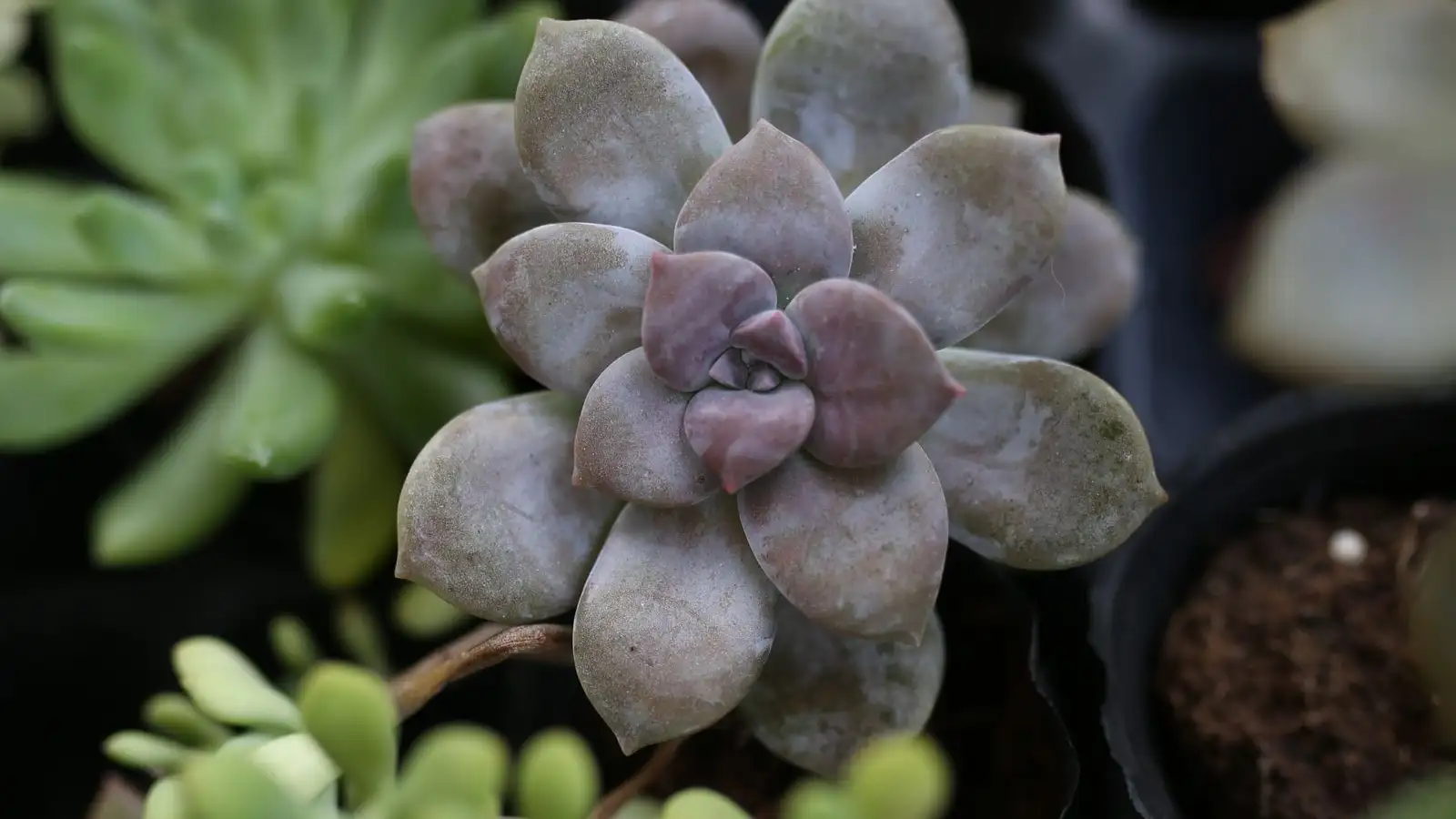
Succulent Black Spots: What Cause Fits Your Plant?
Black spots on succulents can be fungal leaf spot, pest honeydew, sunburn, or rot. A texture-first check tells you which one, and what to do next.
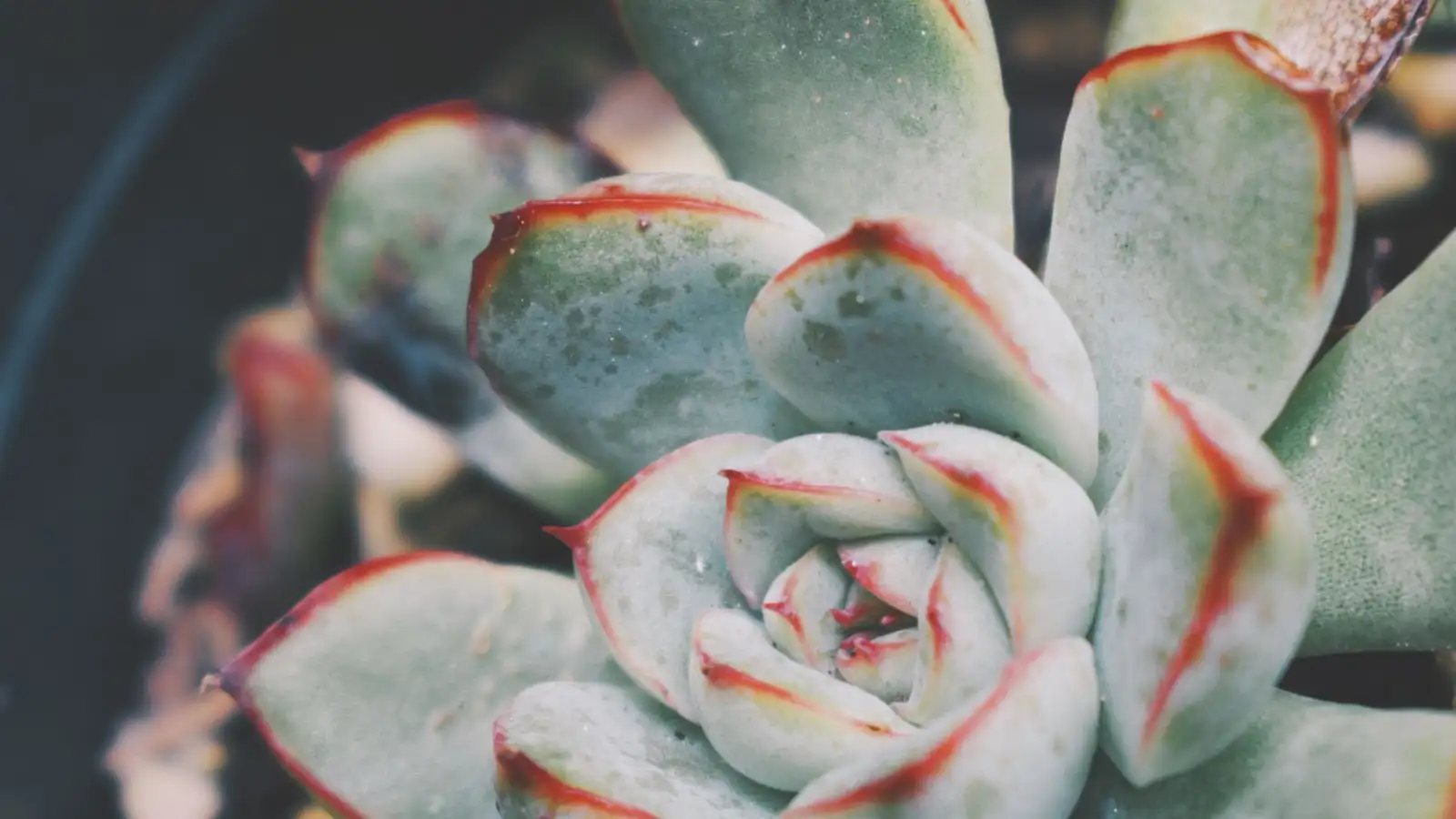
Black Spots on Succulents: Scars or Something Worse?
Dry, firm black spots on succulents are usually healed scar tissue from sunburn, hail, or edema. Learn the three checks that separate a scar from rot or fungus.
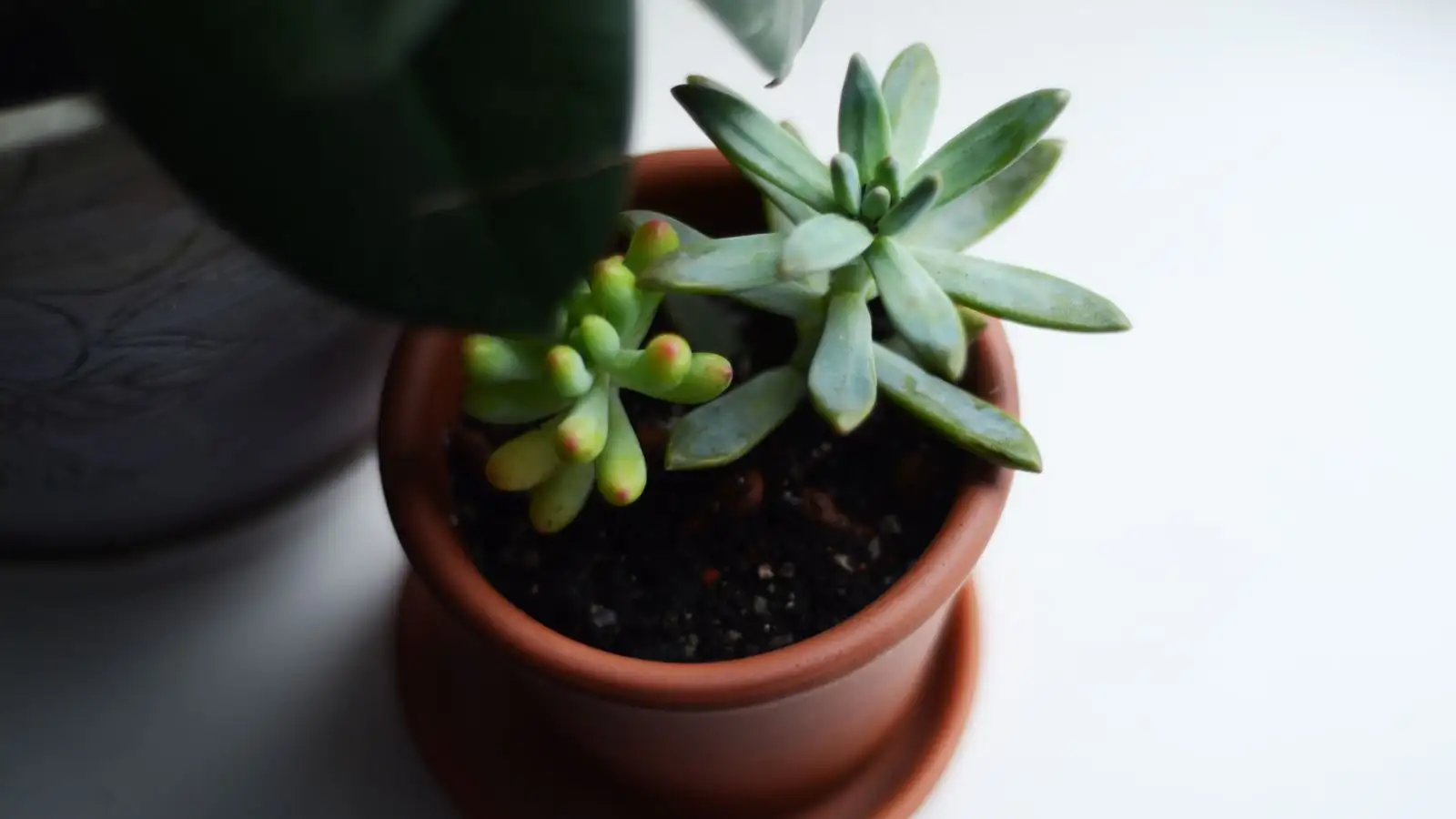
Black Spots on Stems: Cut Rot Before You Lose the Plant
How to tell rot from harmless woody callus on a succulent stem, when to cut into clean tissue, and how to dry the cut end so the plant survives.
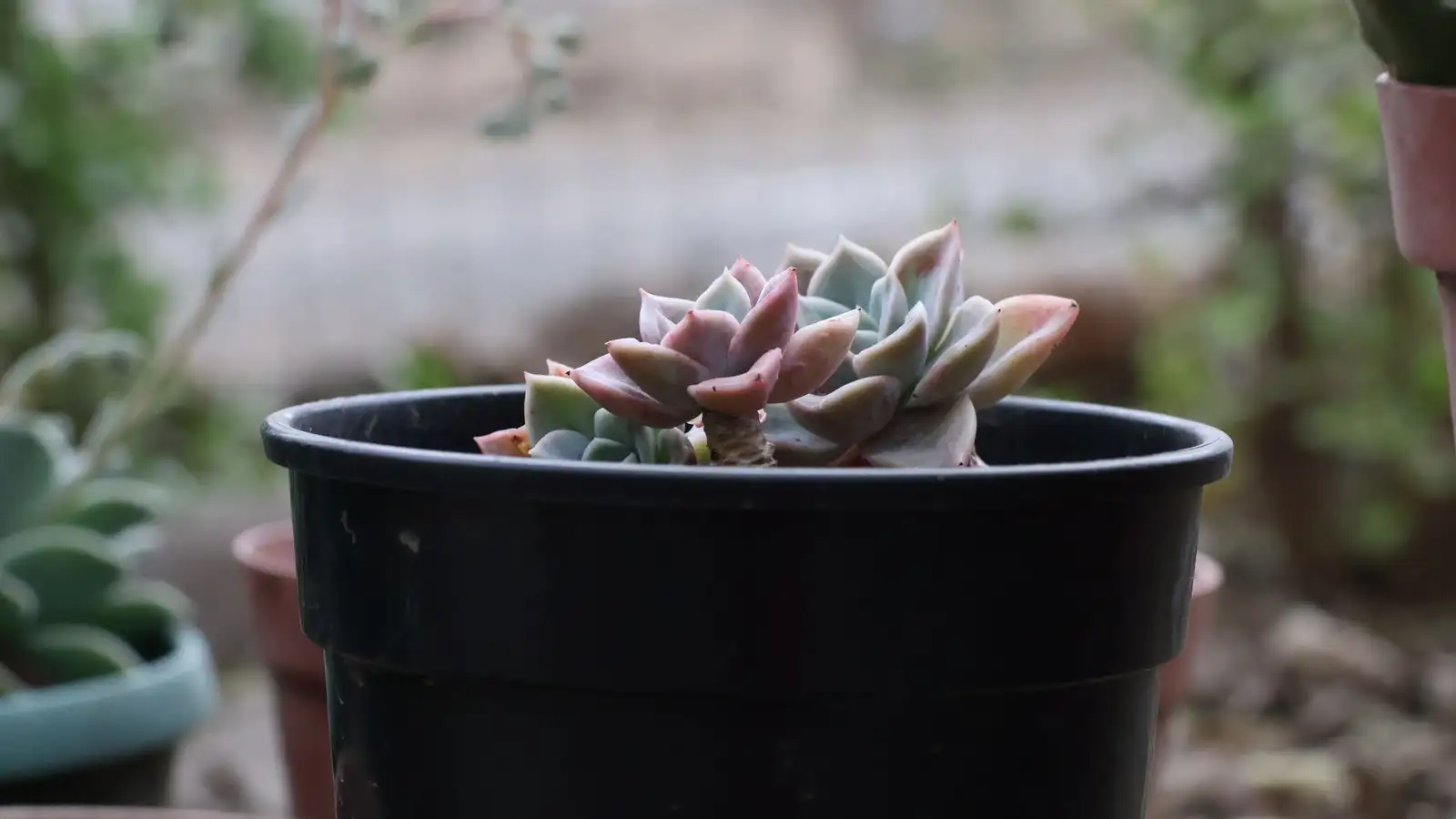
Fungal Black Spots on Succulents: What Waiting Costs You
Fungal black spot is an active infection. Learn how to confirm it's spreading, fix airflow and watering, and use sulfur or copper safely at label rates.
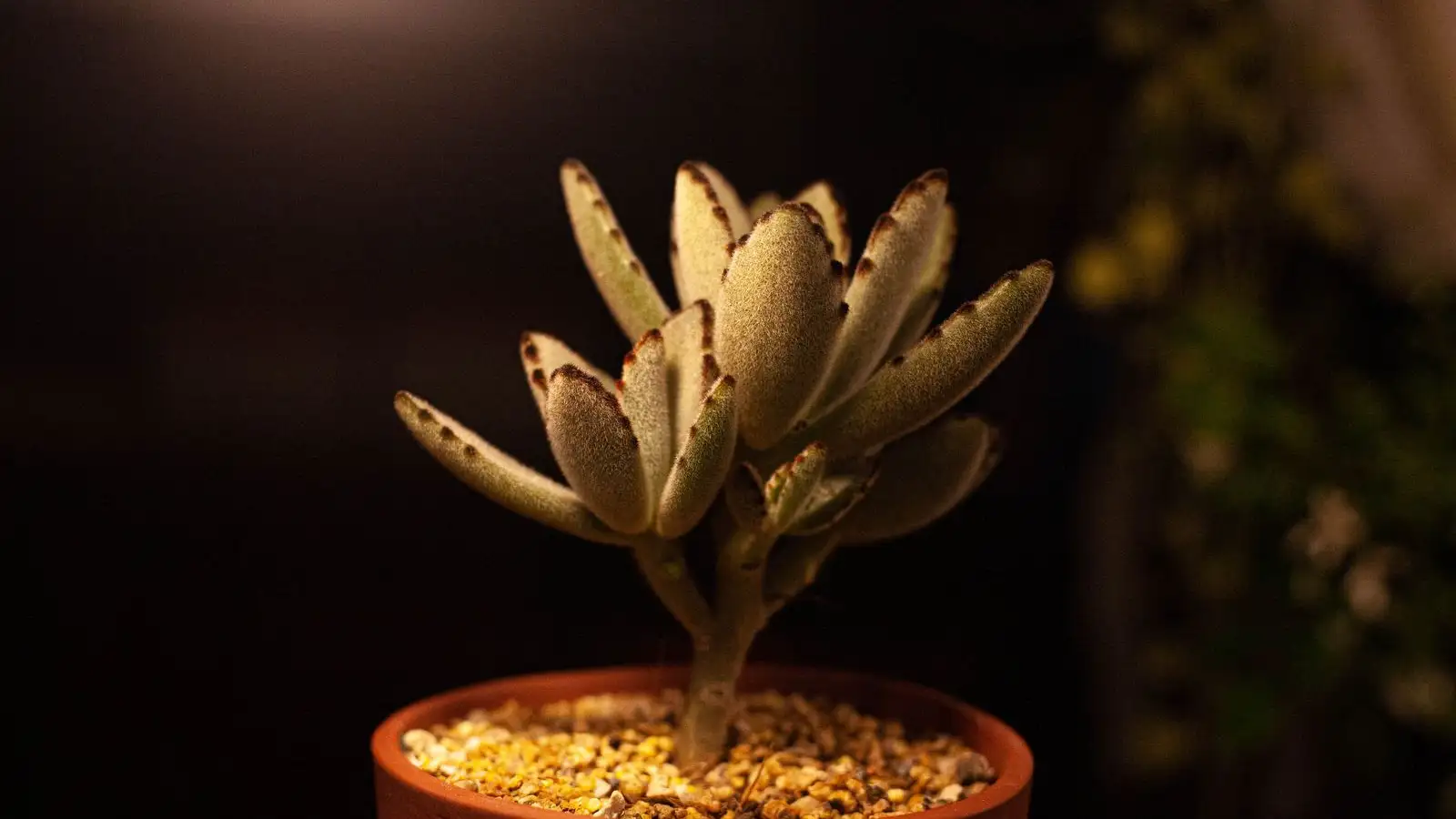
Treat Succulent Black Spots Without Burning the Leaves
Pick the right treatment for succulent black spots without scorching leaves: alcohol, soap, neem, sulfur, or copper — plus testing, timing, and label rules.
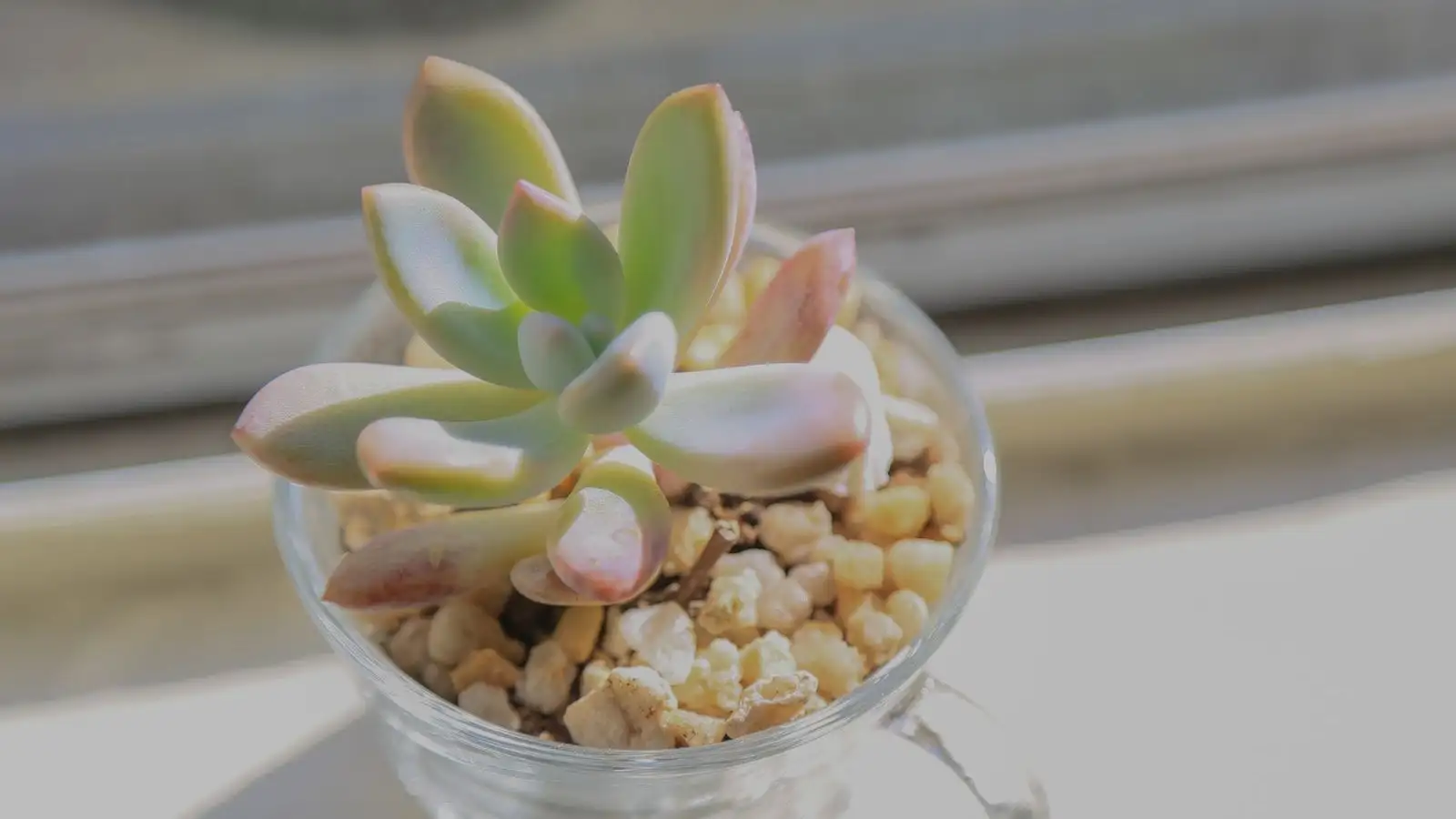
Stop Succulent Black Spots From Returning This Time
A failure-specific prevention checklist for black spots that already came back: airflow, soil-line watering, quarantine, tool alcohol, and weekly leaf checks.