Fungal Black Spots on Succulents: What Waiting Costs You
Fungal black spot on a succulent is an active infection, and the cost of waiting is measured in new lesions, not in how ugly the first one is. Confirm it is spreading by recording the plant as it stands today — count the spots, note which leaves carry them, photograph the worst one next to a coin for scale — then look again in 48 to 72 hours. New spots on leaves that were clean, or a halo that has widened around an old lesion, means the fungus is still moving, and at that point airflow and careful watering alone will not get you out of it.
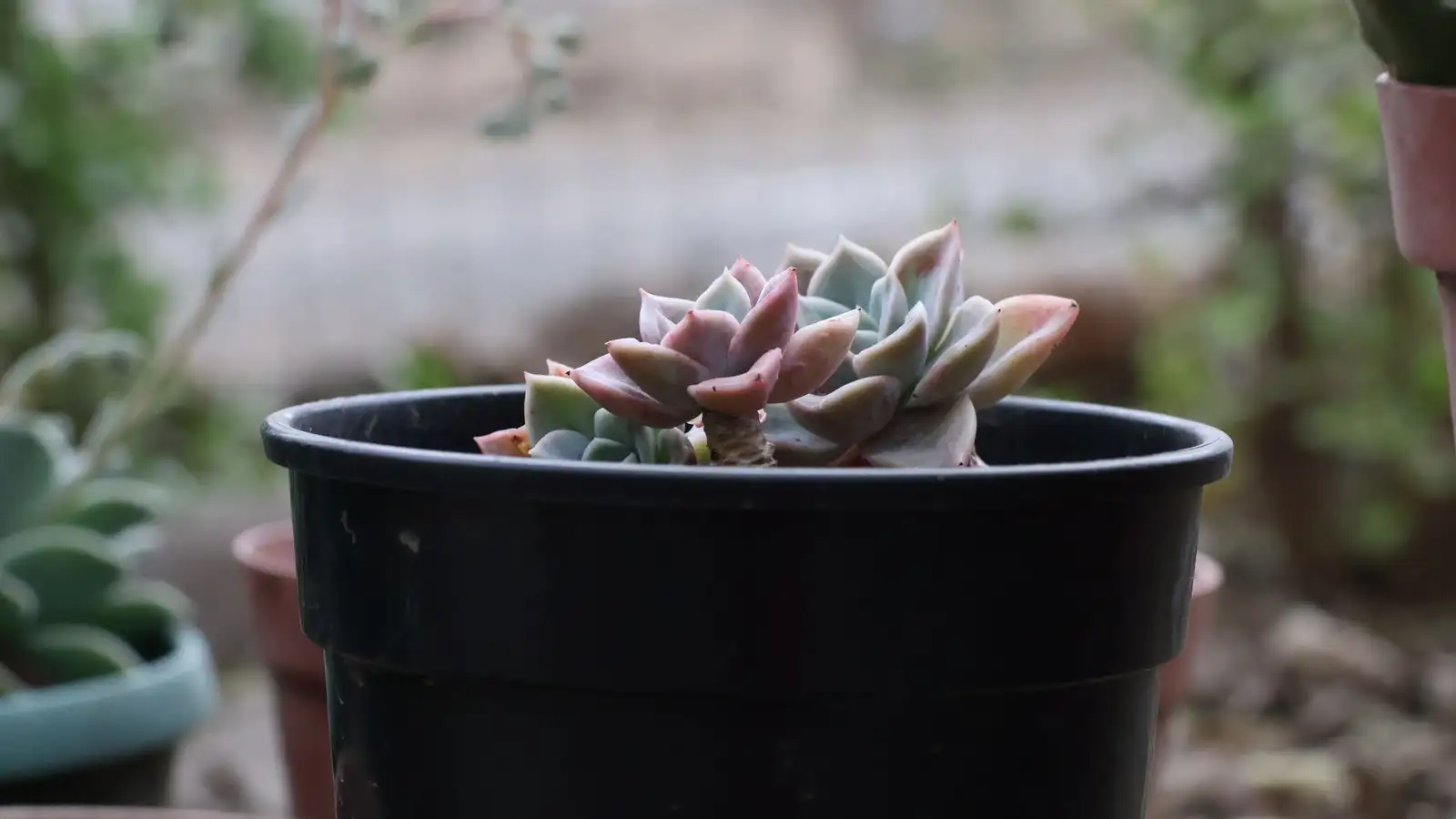
I keep a pencil stub and a roll of painter's tape on the shelf above the trays. When I find a spot worth watching, I tear off a strip, write the date on it, and press it to the rim of the pot. That tape is how I stop lying to myself. A plant with black spots looks roughly the same on Monday and on Thursday if you only glance at it, and your eye will quietly decide the situation is “stable,” because stable is what you want. The tape will not let you do that.
Stand at the window with me
Tilt the pot so the light rakes across the leaf instead of hitting it straight on. Flat overhead light hides the thing I care about. At an angle you can see the architecture of a fungal lesion: a dark, defined center, an edge that looks more like a scorch than a bruise, and around it a ring of tissue gone pale and faintly yellow. That halo is the part still in motion. A wide, soft, gradual halo means the fungus is active. A margin that has gone crisp and dry means you are looking at old damage.
The earlier stage is harder to catch and matters more. The first thing these fungi do on a succulent is not turn black. They make a small water-soaked dot — darker than the leaf around it, slightly translucent, looking wet even when the surface is bone dry. On a dark-leafed jade you will miss it. On a pale Echeveria or a Haworthia window you will not. Get in the habit of checking the underside too, especially the leaves packed tight around the crown. That is where water sits longest and where the first spots usually show.
Rule out the two impostors first
Pest damage produces dark marks that are not this. Look for sticky residue, white cottony fuzz, or tiny brown scabs clustered where something has been feeding, often along a vein or in a leaf axil. Haloes are not typical of that. If the plant has residents, treat the residents first.
Rot is the other one. Rot runs from the base upward, the tissue goes soft and translucent rather than black and dry, and there is usually a smell. Leaf spot does not make a stem collapse into mush. If you squeeze the crown and it gives, you are in a different article, and spraying a contact fungicide on it will not help.
What actually changes the outcome
Water the soil, not the plant. Splashing is the delivery system for these spores — a drop lands on an infected leaf, carries spores to a clean one, and you have a new infection without ever touching the plant. I use a can with a narrow spout and pour slowly around the rim of the pot, keeping the foliage out of it. If water gets on the leaves anyway, water in the morning so the surface has the day to dry rather than sitting wet through the night.
Airflow at the crown is the second thing, and it is the one people skip because it is boring. A tight rosette on a still shelf is a humidity trap. A small clip fan moving air across the collection — not blasting one plant — does more for you than any bottle on the shelf. So does un-crowding the tray. I pull pots apart until the leaves are not touching.
Then remove the leaves that are actively infected. Use clean pruners and cut back into clean tissue, leaving a short stub rather than tearing the leaf off the stem. Tearing opens a wound at exactly the point where the fungus is closest to the meristem. Put the removed leaves in the trash, not the compost, not the ground.
Pruners, alcohol, and the order you work
Sanitize between every cut, not once at the start. I keep a small jar of 70 percent isopropyl alcohol and dip the blades, or wipe them, and let them flash dry before the next cut. The reason is not fussiness. Spores ride on the blade. If you cut an infected leaf and then reach for a clean one, you have just inoculated it yourself, and you will spend the next two weeks trying to figure out why the infection jumped.
Work in a direction: healthy plants first if you are inspecting a whole tray, sick ones last. If you have to handle a sick plant first, sanitize before you touch anything else.
Sulfur, copper, and the sun
Sulfur and copper are the two traditional actives here, and the single fact that changes how you use both is that they are contact protectants. They protect what they touch. They do not travel through the plant to reach a spot you missed. That means coverage — including the underside of the leaf, gently, without soaking the crown — and it means reapplication on the interval printed on the label. One spray and done is the most common mistake I see.
The other mistake is timing. Both actives can burn succulent tissue when the plant is in strong sun or when the temperature is high. I apply in the evening, to a plant that is already dry, on a day when no rain is coming and no heat spike is forecast. Sulfur is a fine dust and it goes everywhere; gloves and eye protection, and do not stand downwind of your own spray. Copper leaves a residue that stains and can scorch thin-leaved succulents more readily than thick ones.
Before any of it touches the whole plant, test one leaf. Treat a single leaf, wait a day or two, and look at it in good light. Scorching, a grey cast, or an edge that shrivels tells you this plant, at these conditions, does not want this product. That test costs you one leaf instead of a collection.
And read the label in your hand, because the numbers are not interchangeable. A copper octanoate concentrate and a wettable sulfur powder carry different doses, different intervals, and different safety language. Mix at the rate the label gives for the crop and the disease, not at a rate you saw somewhere. Do not invent tank mixes. Some sulfur labels specify a waiting window after an oil spray for a reason, and that window is printed on the label you own.
Knowing when to stop
Here is the part nobody tells you, and it is why waiting is expensive in a way that does not show up until later: leaf spot tissue does not turn green again. Once the halo stops expanding and the lesion dries and crisps, that leaf carries the scar permanently. It is cosmetic at that point, not active. So you have a decision — live with the mark, or remove the leaf for looks — and you get to make it deliberately instead of watching it happen.
Stop treating when two consecutive checks show nothing new. Then keep the airflow and the soil-level watering going, because the conditions that let this start are the same conditions that let it come back. Watch the newest growth first. That is where a returning infection shows up, and it will show up there before it shows up anywhere you are used to looking.
Educational content only: check with a qualified horticulturist, licensed pesticide applicator, or your local extension office before acting on anything specific.

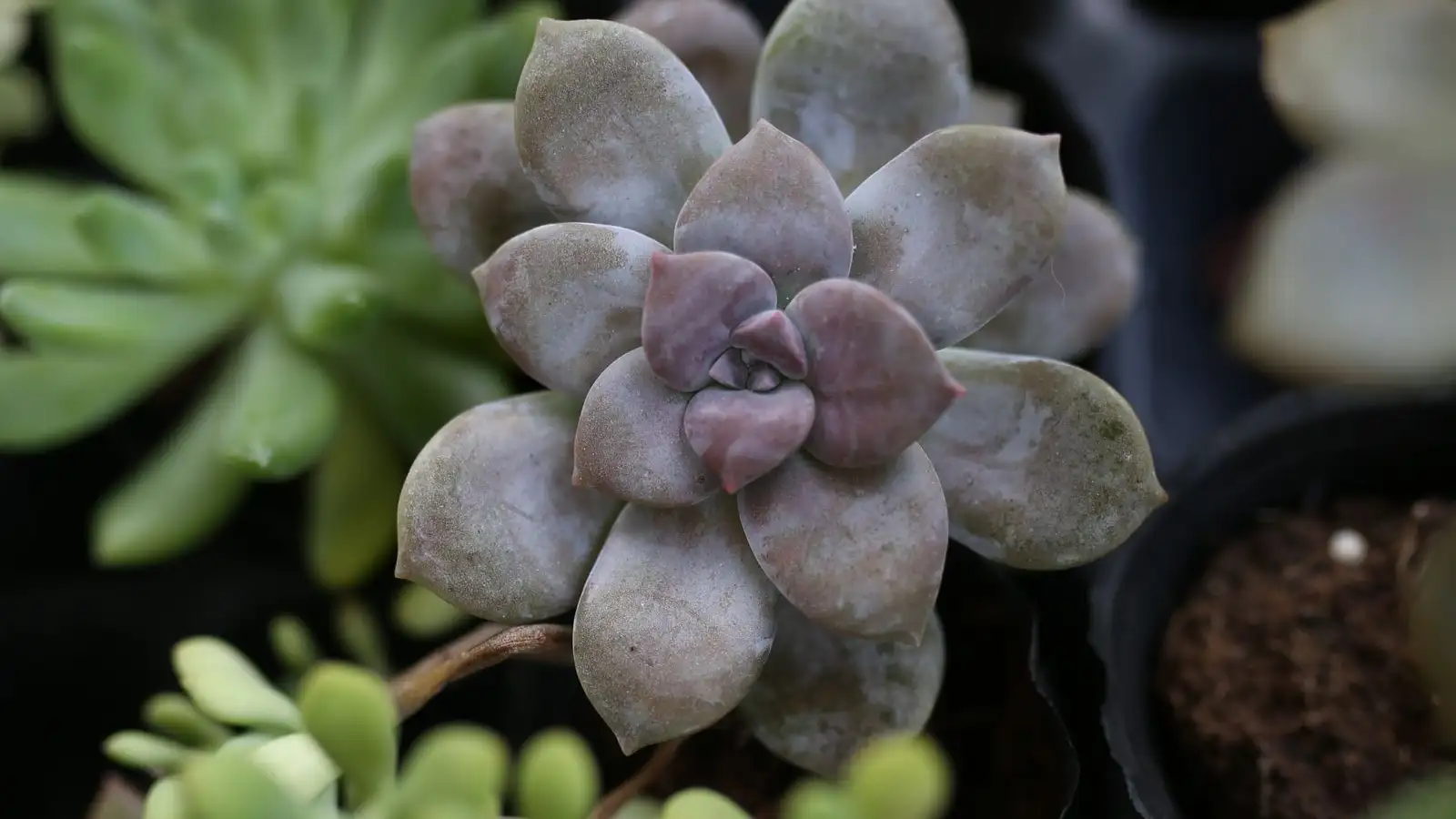
Succulent Black Spots: What Cause Fits Your Plant?
Black spots on succulents can be fungal leaf spot, pest honeydew, sunburn, or rot. A texture-first check tells you which one, and what to do next.
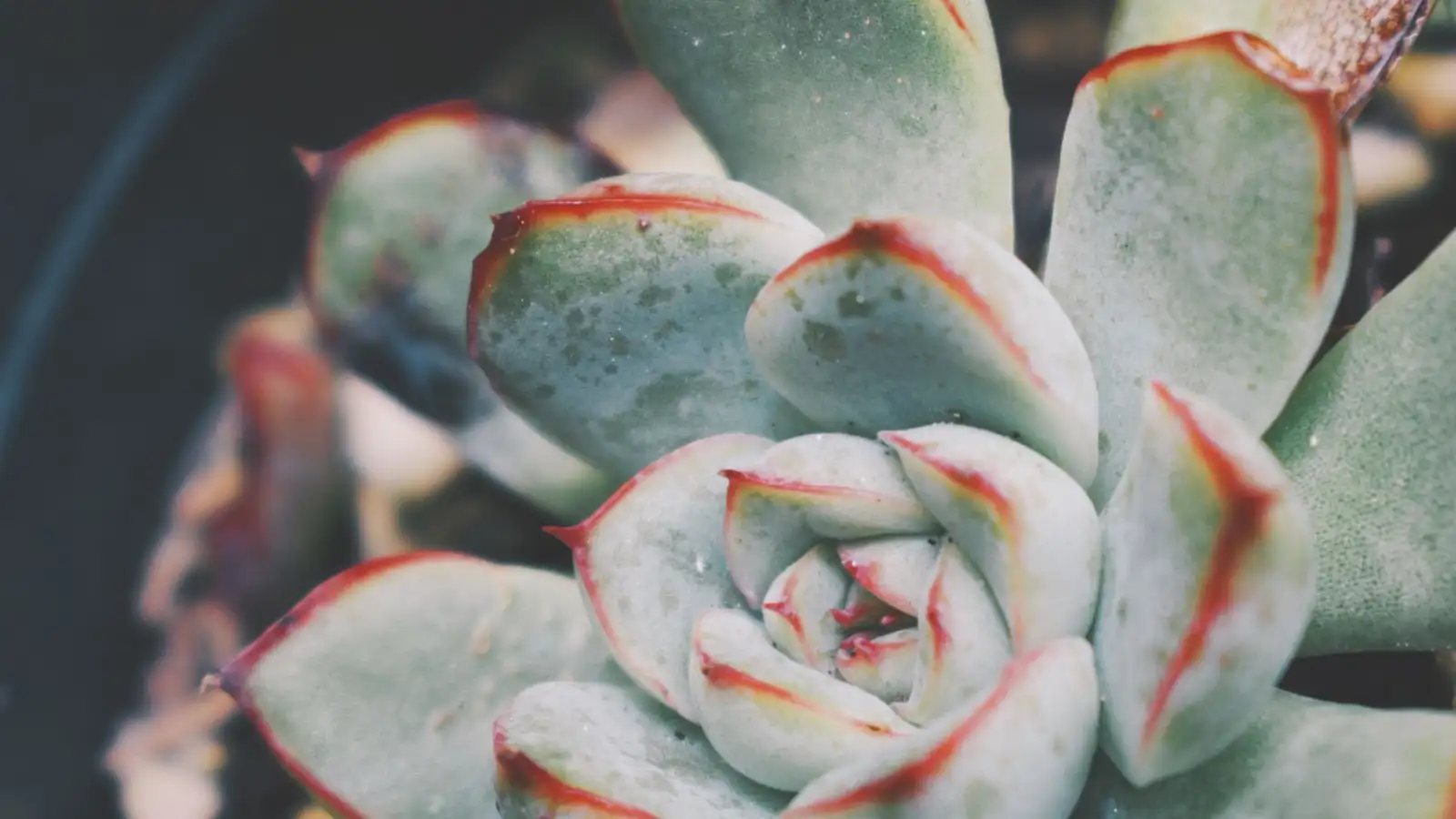
Black Spots on Succulents: Scars or Something Worse?
Dry, firm black spots on succulents are usually healed scar tissue from sunburn, hail, or edema. Learn the three checks that separate a scar from rot or fungus.
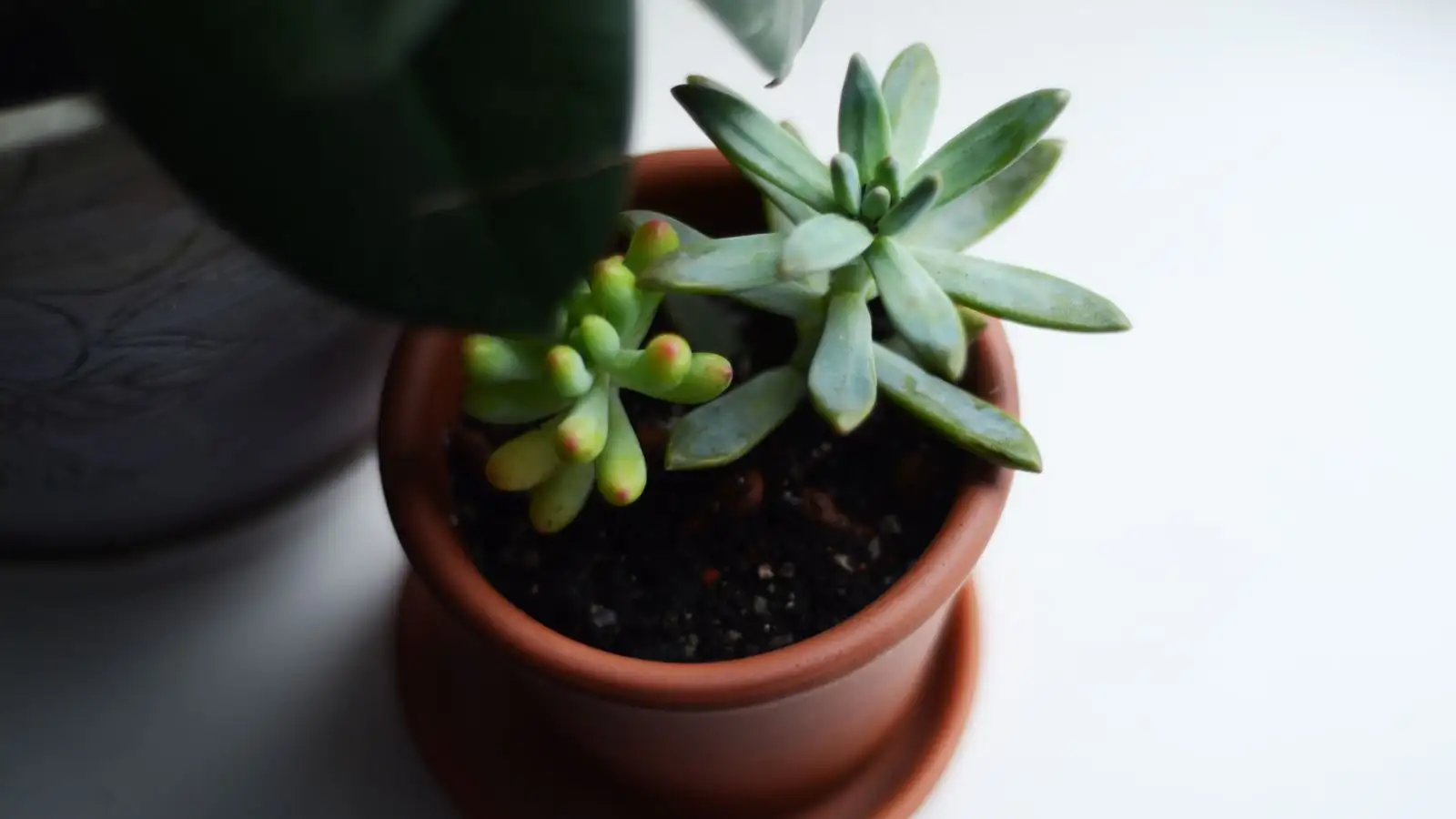
Black Spots on Stems: Cut Rot Before You Lose the Plant
How to tell rot from harmless woody callus on a succulent stem, when to cut into clean tissue, and how to dry the cut end so the plant survives.
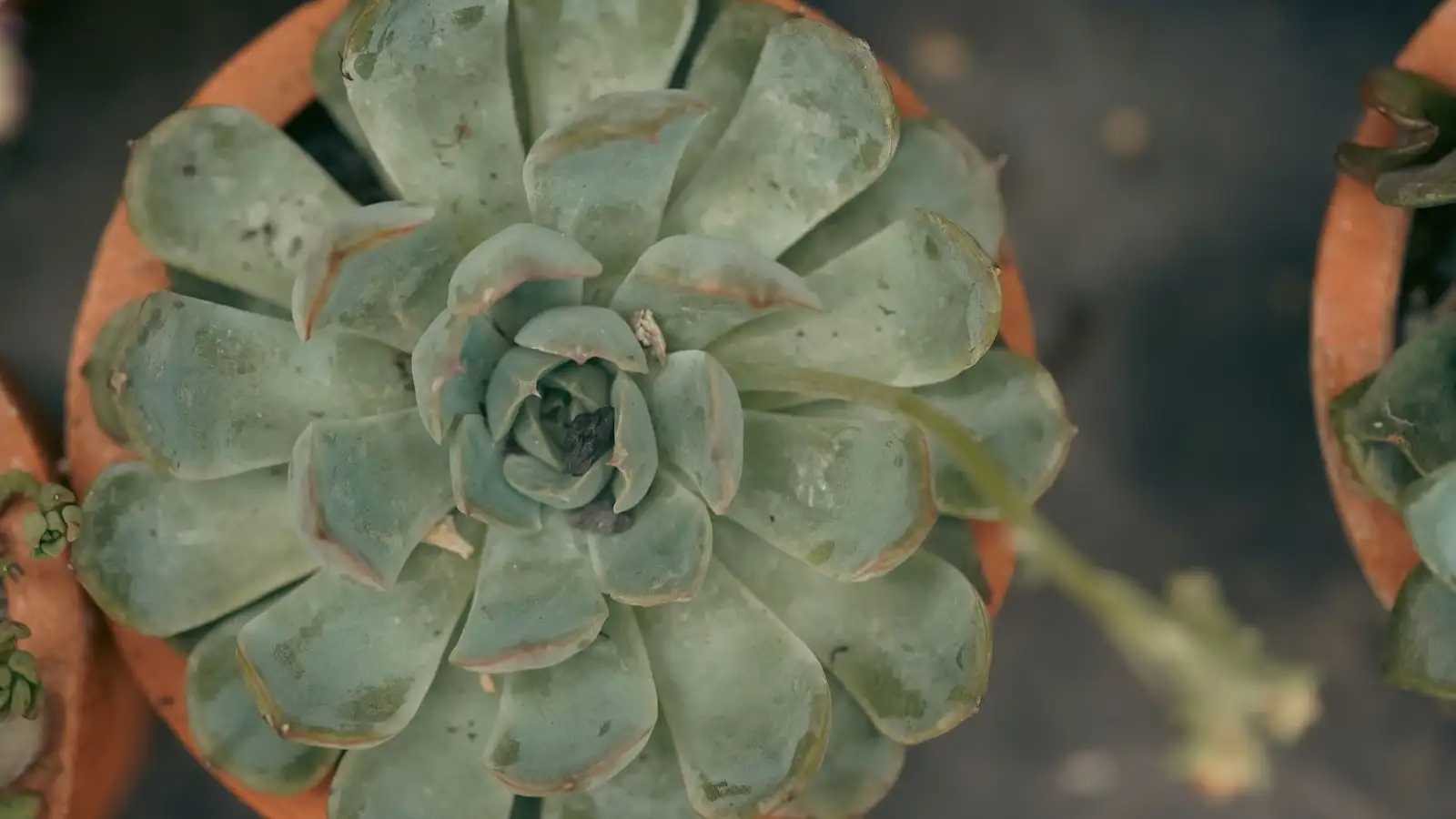
Sticky Black Spots on Succulents Are Not the Real Problem
Sticky black spots on succulents are honeydew and sooty mold, not the real problem. Find the scale, mealybugs, or aphids first, then clean the leaf.
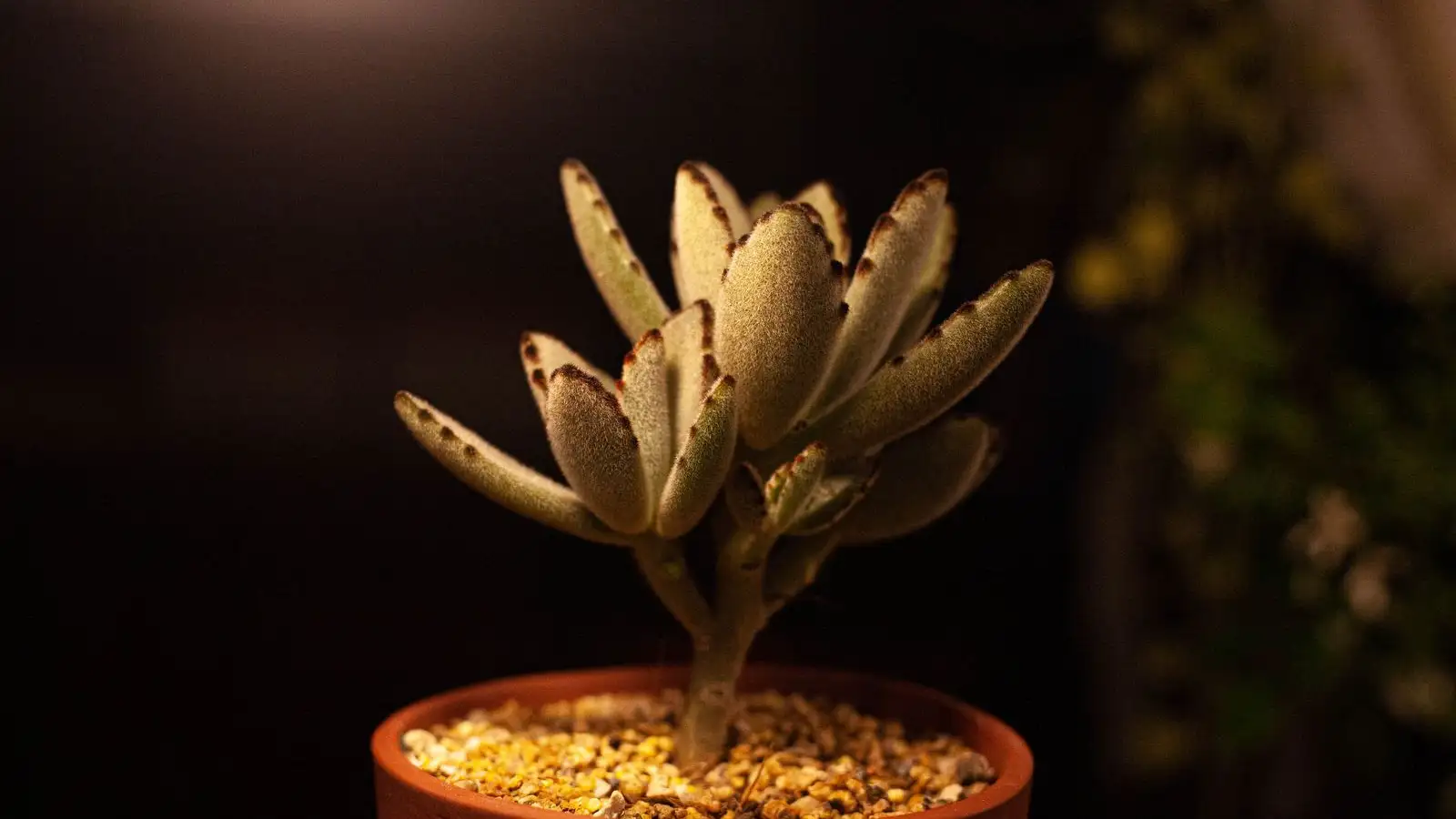
Treat Succulent Black Spots Without Burning the Leaves
Pick the right treatment for succulent black spots without scorching leaves: alcohol, soap, neem, sulfur, or copper — plus testing, timing, and label rules.
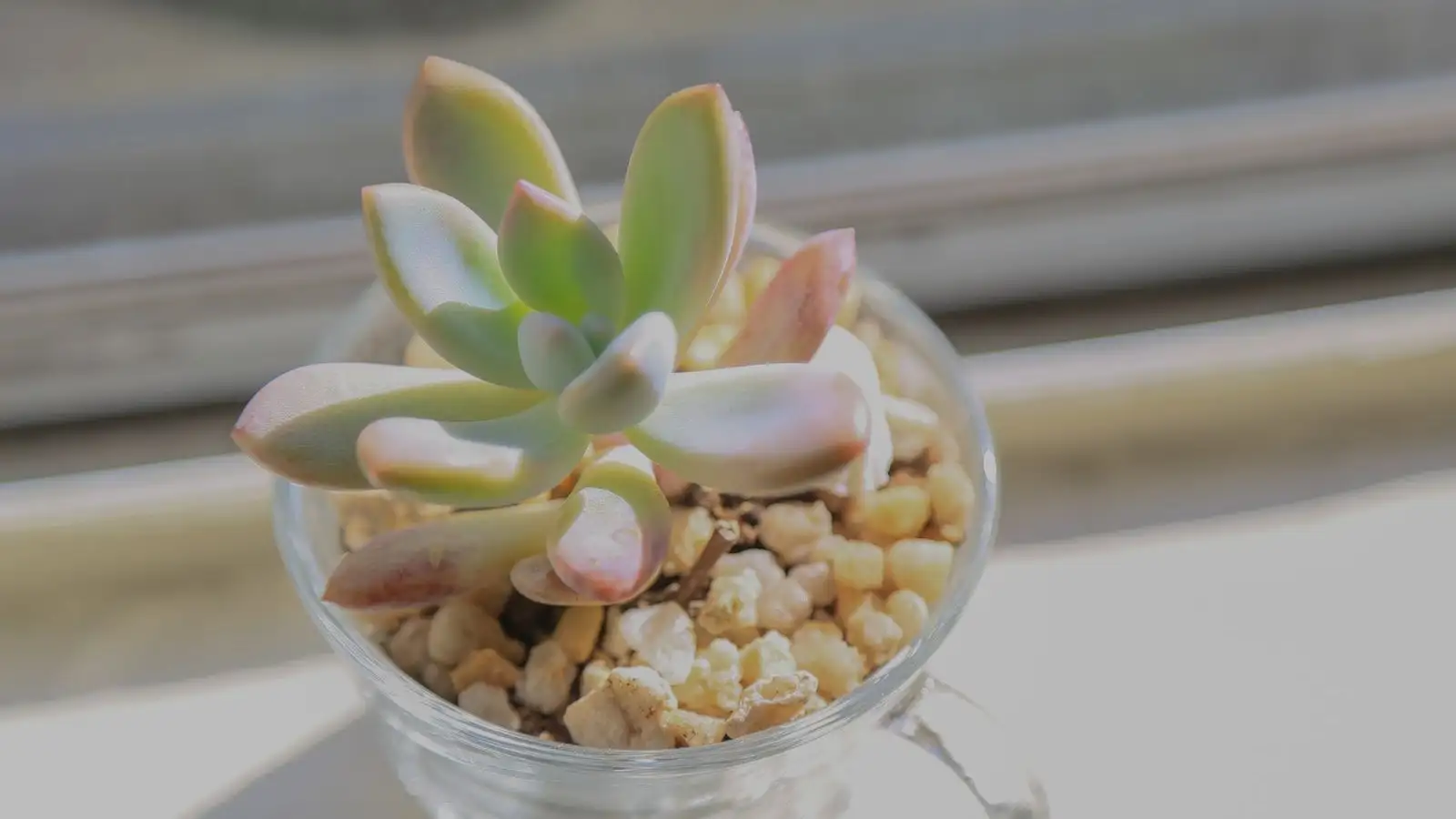
Stop Succulent Black Spots From Returning This Time
A failure-specific prevention checklist for black spots that already came back: airflow, soil-line watering, quarantine, tool alcohol, and weekly leaf checks.