Succulent Black Spots: What Cause Fits Your Plant?
Black spots on a succulent sort into four causes, and the order you check them in matters more than the spot itself. Feel it, wipe it, locate it, then time it. A dry, raised, corky mark is a scar or edema and needs no treatment at all. A soft, sunken, wet mark is rot and needs to come off today. Smooth black that lifts off on a damp swab is sooty mold growing on pest honeydew. A dry spot ringed in yellow that widens over several days is a fungal leaf spot. Two of those four causes are treated by doing nothing, which is the entire reason to run the checks before the spray bottle comes out.
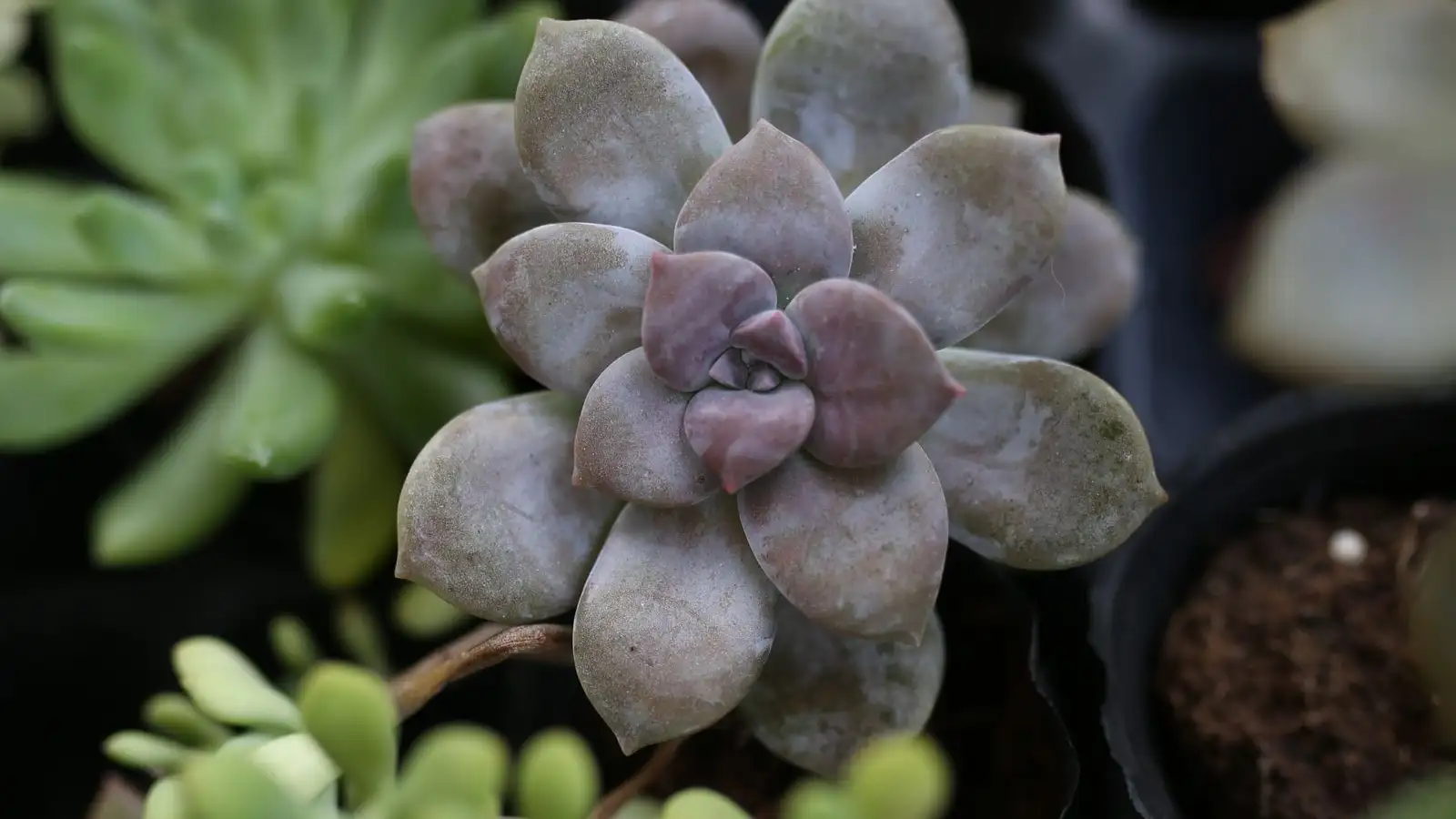
Touch it before you name it
I keep a loupe, a sleeve of cotton swabs, and a bottle of 70% isopropyl alcohol on the same tray as my pots now, because I once sprayed a whole tray for what turned out to be sunburn. Nothing died except the farina, which never grew back. So the order I work in is fixed: press, wipe, locate, then wait two days and look again.
Press the spot with a fingertip first. If the tissue gives, looks wet or translucent, or dimples under light pressure, you are on the rot track, especially if the spot sits anywhere near the base. If it is hard, dry, raised, corky, or just feels like the rest of the leaf, you are on the scar track. Scars do not need chemistry. They need you to leave them alone.
Then the tug. Hold the rosette at the crown and lift gently. A plant with a healthy root plate resists. A plant whose base has already gone will lift out of the soil with almost nothing holding it, and the stem under the soil line will be dark and slick. That single test has saved me more plants than any spray, because rot moves from the bottom up and the top can look perfectly fine while the base is gone.
Wipe it: residue means insects, not infection
Dampen a cotton swab and drag it across the black. If the black comes off on the swab and the leaf underneath is green, you are not looking at disease at all. You are looking at sooty mold, a fungus that grows on honeydew, the sugary waste that sap-sucking insects leave behind. Mealybugs, aphids, and scale all produce it.
The part that trips people up: they treat the mold, the mold comes back, and they treat it again, because the insects are still there. Before you treat anything, turn the plant over and look where they actually hide. The leaf axils. The tight crease where the leaf meets the stem. The underside along the midrib. Down inside the crown of a rosette. On my plants the honeydew almost always drips from a leaf above the spot, so when I find sticky black on an underside, I look up, not at the spot. If there is an ant trail on the pot rim, follow it. Ants farm these insects and will rebuild the colony for you.
If the black does not wipe off, the pigment is inside the tissue, and you are dealing with disease, injury, or rot.
Where it sits narrows things fast
- Scattered on the upper leaf surface, each spot ringed by a yellow halo that widens outward: fungal leaf spot. It usually starts on the older, lower leaves closest to the soil, in still air, after the foliage has stayed wet. Overhead watering, a humid stretch, a crowded shelf.
- Along the underside, or in a line following the leaf crease: honeydew and the sooty mold that feeds on it.
- On the sun-facing side, dry and papery, sometimes tan or gray-black: sunburn. The pattern is one-sided, not scattered, and it shows up after a sudden move into stronger light or a heat wave.
- Several small dents or pits clustered on one side, with dry black or tan tissue inside: hail or impact damage.
- On the outermost, oldest leaves, dry and shriveled, with the leaf eventually pulling free: normal reabsorption. That is not rot, that is the plant retiring a leaf. But if that same bottom leaf is wet, black, and stuck fast to the plant, treat it as rot.
- At the stem base or down in the crown, soft and dark, with a smell you notice before you see it: rot, and it is the one case where you do not wait.
Speed is the tiebreaker
This is the step almost everyone skips. Take a phone photo of the spot with a coin next to it for scale, mark the pot rim with a Sharpie, and look again in 48 hours.
A spot that looks identical in two days, and again in a week, is a scar or edema. No fungicide will change it, and the mark may stay for the life of the leaf.
A spot that has widened, gained a halo, or turned up on a neighboring leaf within a few days is active, fungal or pest, and now treatment is justified.
A plant whose base has softened in two days, or that has started to lean, is rotting on a clock measured in hours, not weeks. That is the beheading case.
I trust this timing check more than anything I can see in a single photo, including my own photos. Two photos side by side tell you what is happening. One photo only tells you what already happened.
What each cause actually needs
Fungal leaf spot: isolate the plant on its own tray, remove the affected leaves with clean snips, and keep the foliage dry from then on. Airflow matters as much as anything you spray, because still humid air around a dense rosette is the whole reason the infection took hold. A copper-based fungicide labeled for the plant can help stop an active spread. Use it at the label rate on the label schedule and nothing more. The mark itself will not disappear. You are stopping the next one.
Pests and honeydew: treat the insects, not the black. Quarantine, then check every plant nearby, undersides included. A dab of isopropyl alcohol on a swab will kill a mealybug you can actually see, which is useful for spot work, but a real infestation needs a product labeled for that insect and repeat applications to catch the next generation. Plan on checking weekly for a while. Sooty mold wipes off with a soft damp cloth once the insects are gone, and it stays gone if the honeydew stops.
Injury: nothing. Move the plant out of the harshest afternoon light, or shade it with cloth rather than dragging it indoors into weak light. The scar stays. New growth comes in clean and the plant grows out of the damage, sometimes over a full season.
Rot: cut. Sterilize a sharp blade with 70% isopropyl alcohol and let it air dry, because wet alcohol is not sterile. Cut below the visible rot and keep going until the cross-section is uniform, with no dark ring and no brown streaking. Sterilize between every cut so you are not dragging the pathogen down into clean tissue. If the rot has reached the crown, behead above it and save the top. Let the cut end callus in dry air, out of direct sun, for several days, then set it on dry gritty mix and wait for roots before you water. This is the one situation where the fix is destructive and irreversible, and it is also the only one that saves the plant.
Before any spray touches the plant
Test one leaf or one small patch first, and wait a day. Succulents with a waxy bloom or powdery farina, the coating that makes them look frosted, lose it permanently when sprayed, and some products strip it faster than others. That coating is a working part of the plant's defense, so losing it is not cosmetic. Water the soil, not the leaves. Apply in the evening, not in the middle of a sunny afternoon. And read the label for the plant you actually have. A rate that is fine on one plant is off-label on another, and off-label is how a spot problem becomes a dead plant.
Isolate anything with spots that are moving. One tray, separate from the rest, until you know which of the four you are dealing with. It costs nothing and it protects everything else on the shelf.
The mark on the leaf is a message about something that already happened, usually days ago. Your job was never to erase it. It is to work out whether the thing that made it is still running, and that is a question about texture, location, and time, not about which bottle you own.
Educational content only: check with a qualified horticulturist, licensed pesticide applicator, or your local extension office before acting on anything specific.

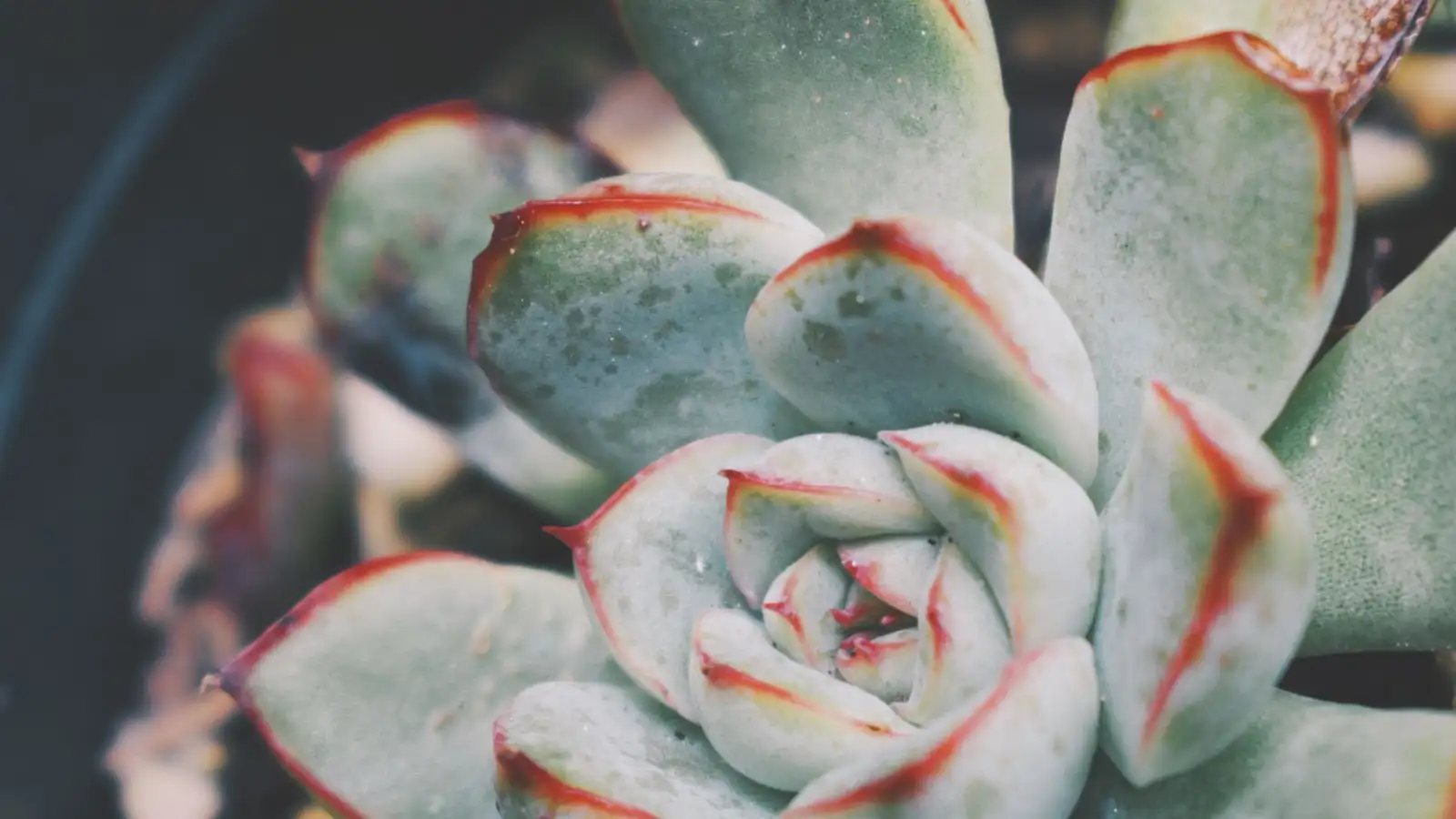
Black Spots on Succulents: Scars or Something Worse?
Dry, firm black spots on succulents are usually healed scar tissue from sunburn, hail, or edema. Learn the three checks that separate a scar from rot or fungus.
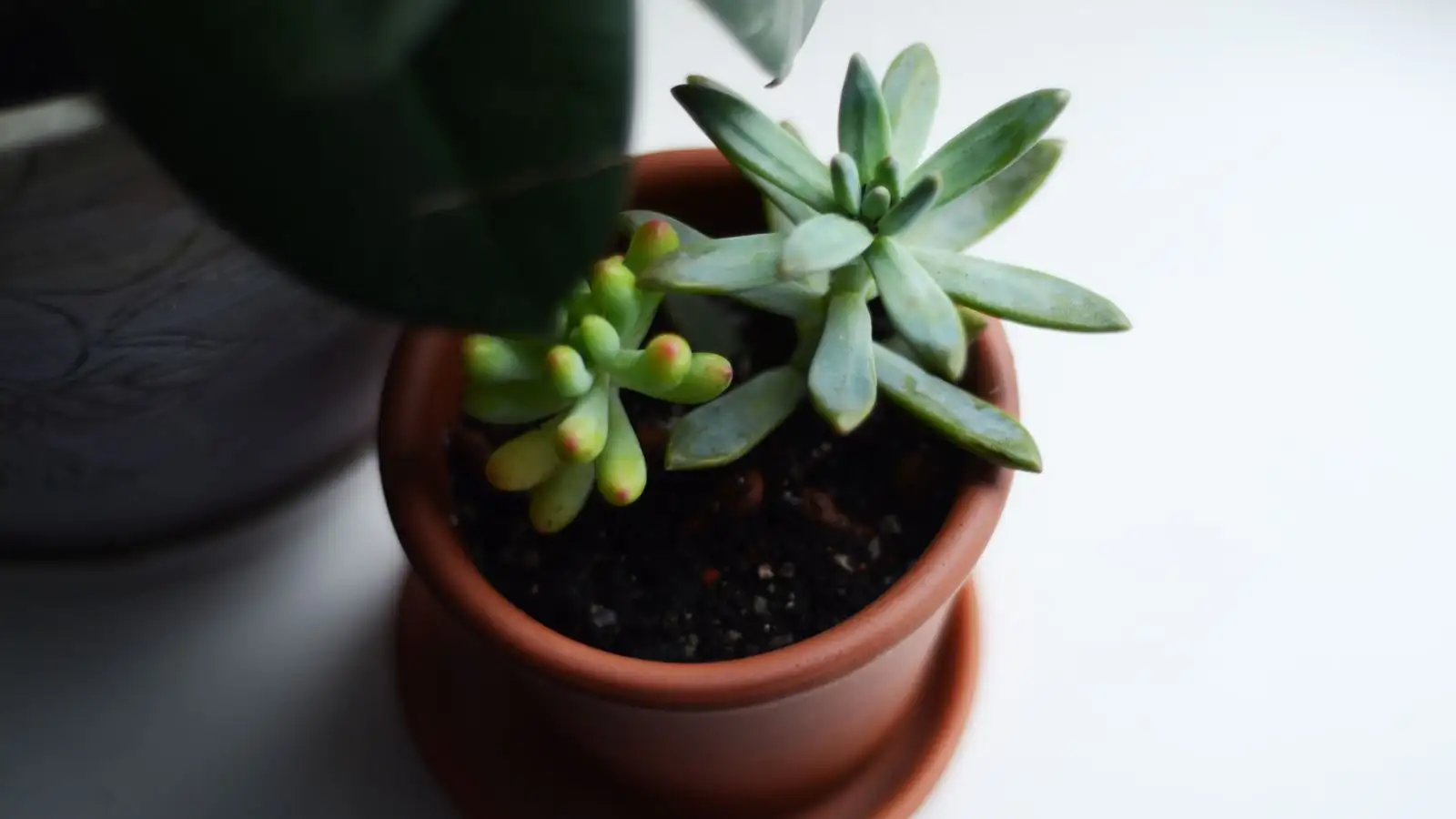
Black Spots on Stems: Cut Rot Before You Lose the Plant
How to tell rot from harmless woody callus on a succulent stem, when to cut into clean tissue, and how to dry the cut end so the plant survives.
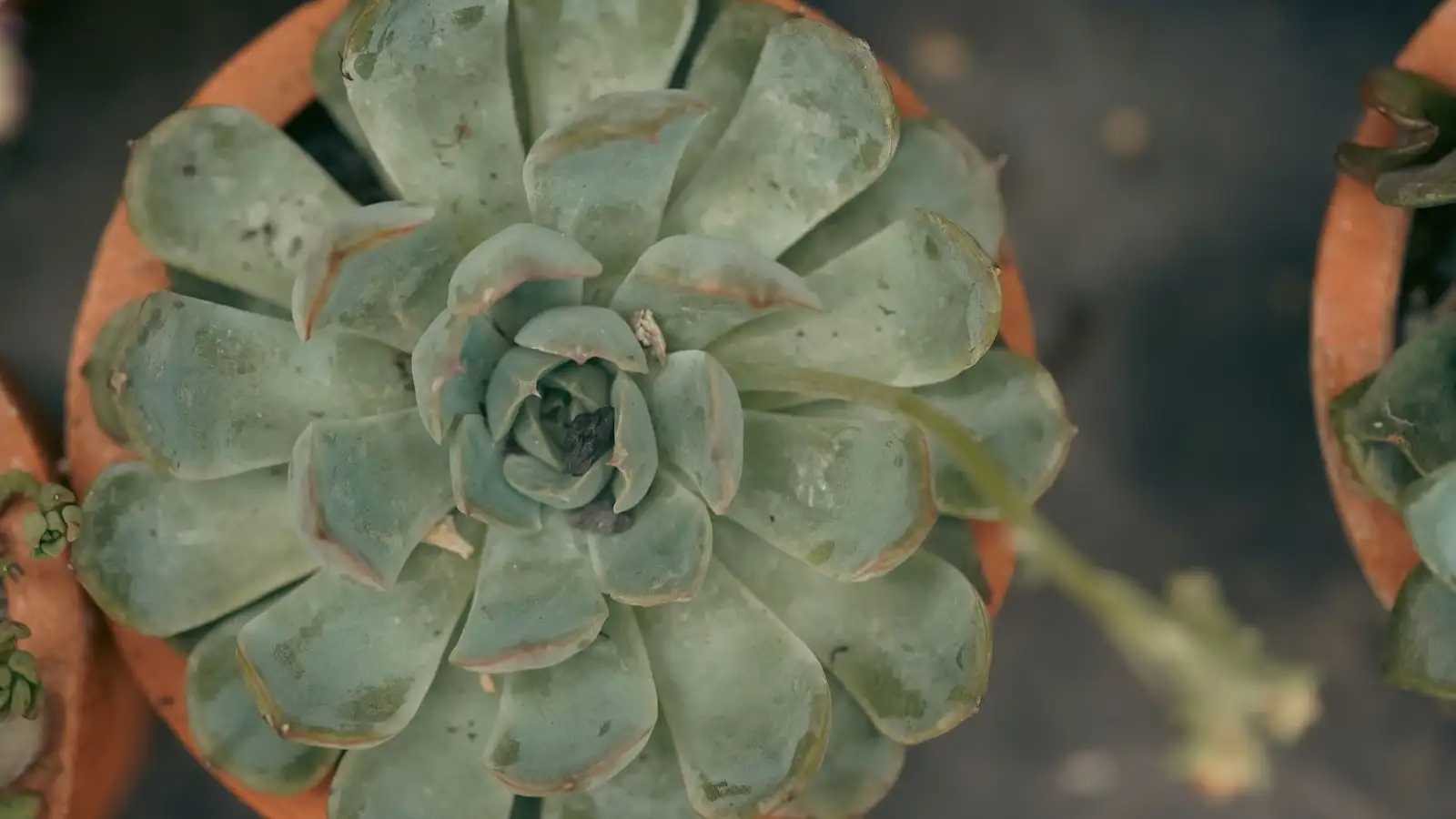
Sticky Black Spots on Succulents Are Not the Real Problem
Sticky black spots on succulents are honeydew and sooty mold, not the real problem. Find the scale, mealybugs, or aphids first, then clean the leaf.
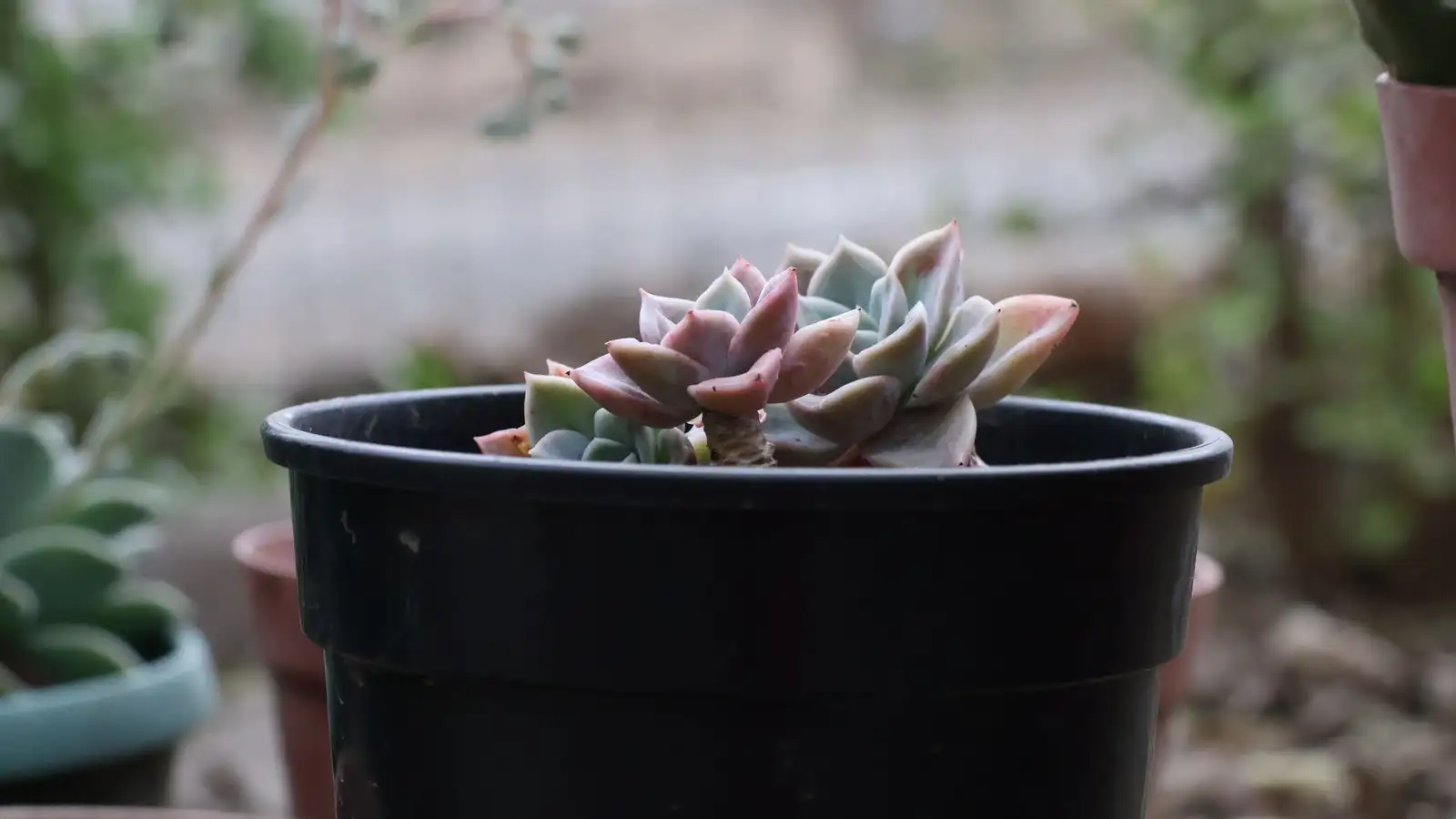
Fungal Black Spots on Succulents: What Waiting Costs You
Fungal black spot is an active infection. Learn how to confirm it's spreading, fix airflow and watering, and use sulfur or copper safely at label rates.
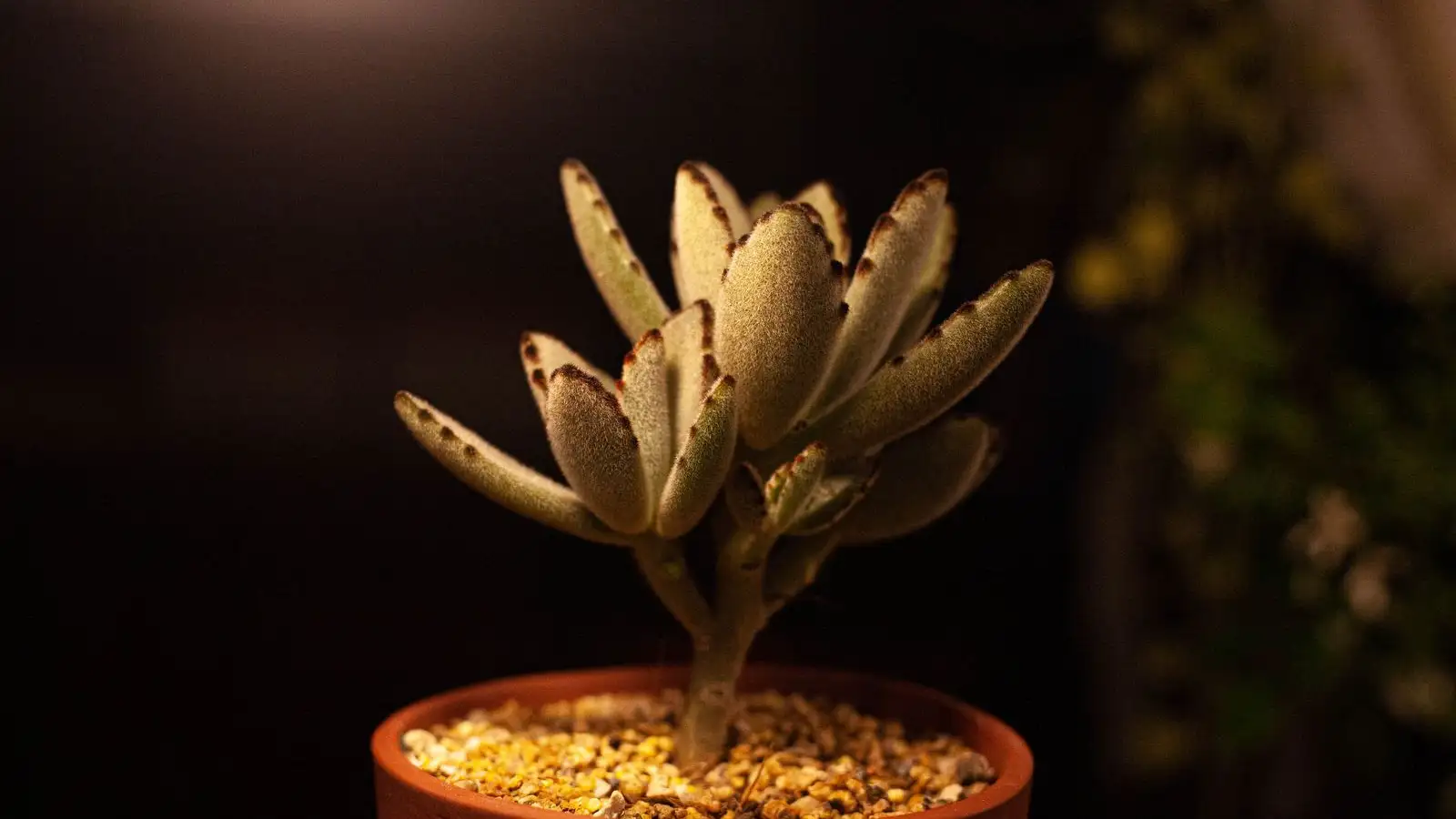
Treat Succulent Black Spots Without Burning the Leaves
Pick the right treatment for succulent black spots without scorching leaves: alcohol, soap, neem, sulfur, or copper — plus testing, timing, and label rules.
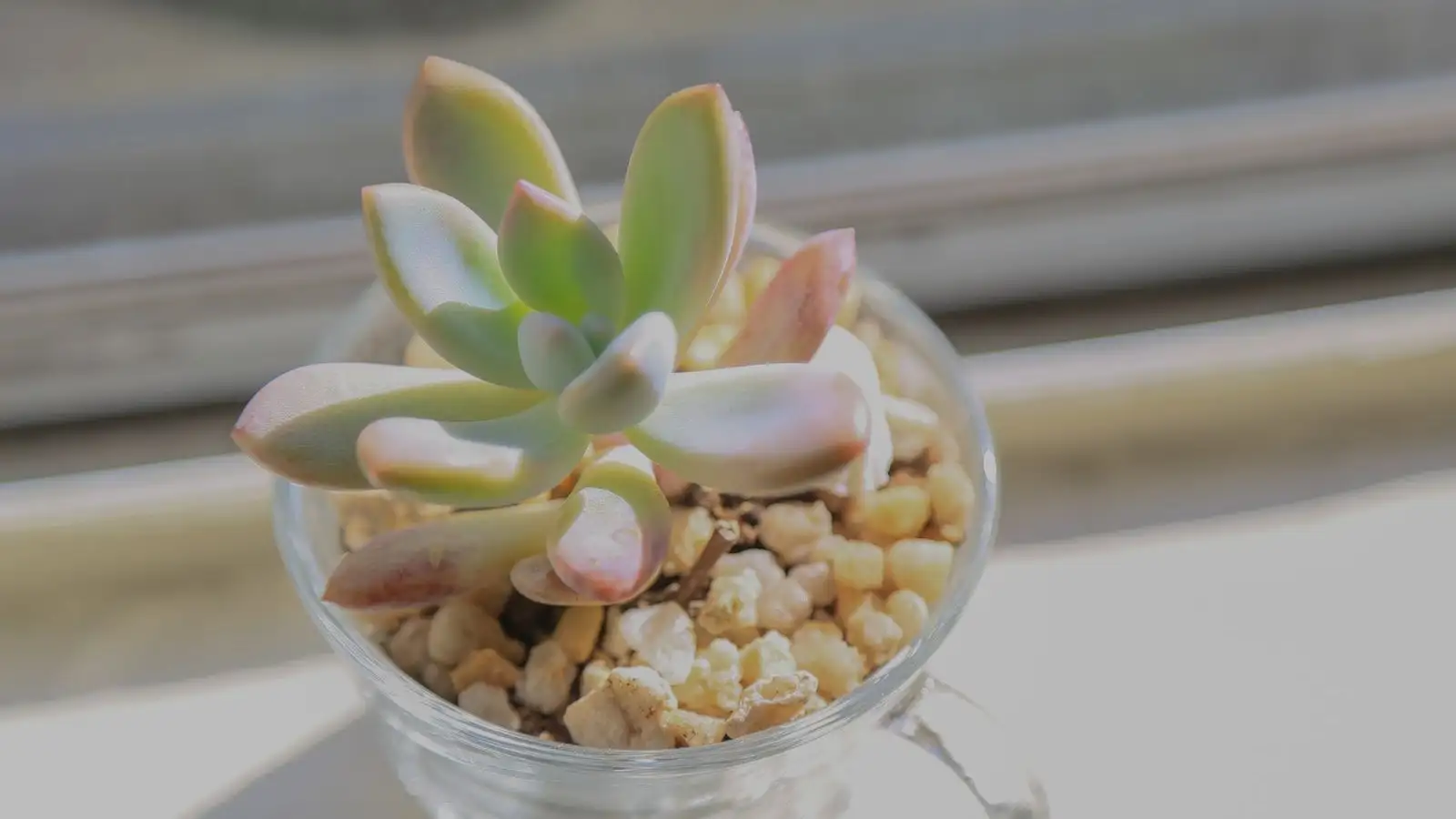
Stop Succulent Black Spots From Returning This Time
A failure-specific prevention checklist for black spots that already came back: airflow, soil-line watering, quarantine, tool alcohol, and weekly leaf checks.