After the First Frost, Why Succulent Leaves Go Yellow
After a freeze, the yellowing on a succulent is a location and timing problem before it is anything else. Cold injury shows up on the outermost, sky-facing leaves first, it usually declares itself a full day or two after the freezing night rather than the next morning, and the decision that determines whether the plant is salvageable comes down to one thing: whether the growing point at the center of the rosette came through intact.
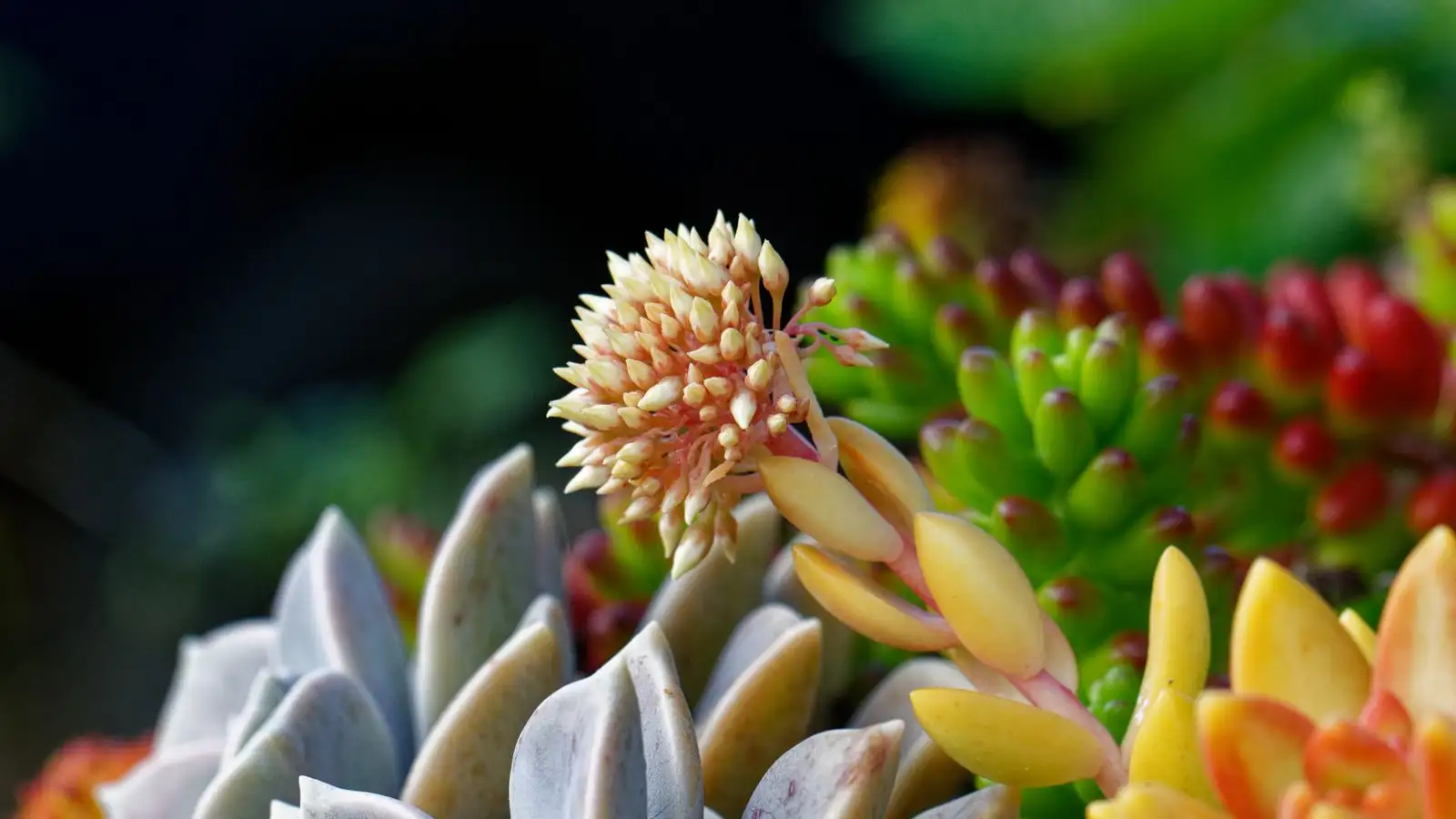
I make that first walk with coffee in one hand, well before the sun clears the fence, because frost on the shelf is only legible for about twenty minutes. There is nothing to diagnose yet. At seven in the morning after a hard night, the plant that will be dead in two days looks exactly like it did in October. What I am reading instead is where the cold actually landed: the flat top of the shed, the concrete slab, the top shelf of the bench, the pot sitting out on the open corner with nothing above it. Same air temperature everywhere. Very different amount of cold in the tissue.
Frost is uneven in a way a thermometer cannot tell you about. On a clear, still night, any surface that can see open sky bleeds heat straight out to it, so a leaf angled up at nothing radiates away its warmth and ends up several degrees colder than the air surrounding it. A leaf tucked under the eave, or shaded by the leaf above it, keeps more of what it had. That is the whole reason the damage arrives from the outside in and from the top down, and it is why the plant on the top shelf dies while the identical plant two shelves lower, under the overhang, sails through.
The reveal is on day two, not day one
I wait. That is the skill. Go out the morning after a hard freeze and you will be tempted to start cutting, moving things, watering, saving them. All of that is guesswork at that point.
Come back in thirty-six to forty-eight hours and the plant tells you everything. The injured cells have ruptured by then, and the leaves that froze stop pretending. They go translucent, so you can see the outline of the far edge through the near edge, the way a slice of grape holds light. They darken, olive turning gray-brown, sometimes a wet purplish black. The chalky bloom on top is gone and the surface has gone slick. Squeeze one gently between two fingers and it gives like a steamed vegetable. That leaf is dead. It is not going to dry out and be fine, and no amount of moving it somewhere warmer changes that.
The other leaves on the same plant are what matter. If the third and fourth ring of leaves out from the center are still stiff and green, still snapping instead of folding when you flex them, you are not looking at a dead plant. You are looking at a plant that lost its umbrella.
Location first: sky-facing versus base-up
The reason I keep saying location is that it is also how you tell cold injury from rot, and the two get confused constantly in the week after a freeze.
Cold injury reads top-down and outside-in. The worst tissue is the highest and most exposed leaf on the plant, the one with the most sky in front of it. Rot reads the opposite direction. It starts at the soil line, at the base, and works its way up the stem. If the crown is clean and the mess is at the bottom corner of the plant sitting in wet soil, you do not have a frost problem. You have a rot problem, and the freeze may only have made the plant vulnerable to it.
Two other tells. Cold-killed tissue goes dry and papery over the next week when the air is dry, while rotted tissue stays wet and starts to smell like a wet basement. And frost damage stops where the exposure stops, so you get a clean line where an overhanging leaf or the rim of the pot took the hit.
Put your face in the crown
This is what I do before anything else, and it decides the whole case. You cannot see the growing point from standing height. Get down level with the pot, part the center leaves with a pencil or a chopstick, and look straight into the middle of the rosette.
If the tight cluster of baby leaves in the center is firm and green, even when everything around it is mush, the plant is almost certainly going to make it. The growing point is the only meristem that matters for the shape of the plant, and on most rosette species it sits tucked down inside a ring of leaves, which is exactly why a plant can lose half its foliage and still come back looking normal by June.
If the center is translucent and slumps when you press it, that plant is not coming back as itself. The head is done.
Then check the stem. Run a thumbnail down the trunk from the rosette to the soil line. Firm and pale green or tan is good. Soft and brown is the end of the road for the main plant, and from there you are propagating rather than rescuing.
An intact stem under a dead crown is the case that surprises people. I have had plants where the entire head turned to mush while the stem, insulated by soil and the wall of the pot, stayed completely sound, and by late spring there were two offsets pushing out of the side of it. Not a fast fix. Not a loss either.
If the head is gone and the stem is solid, behead cleanly with a sterile blade an inch below the lowest damaged tissue, let the cut callous somewhere dry and out of direct sun for several days, and treat it as a cutting. Same goes for any leaf lower down that is still plump and whole. Those can be pulled and laid on dry grit.
Do not walk it into the living room
The reflex after a freeze is to bring the plant inside where it is warm, park it in the brightest window, and water it. That sequence is worse for the plant than the freeze was.
Frozen tissue is already ruptured at the cell level. Warm it fast and the damaged cells collapse faster, and whatever rot follows moves through the wreckage in days. Bright direct light on a plant that just lost its protective outer leaves will scorch tissue that has been shaded for months. And watering into cold, possibly damaged roots is how a frost injury turns into a root-zone problem.
What I actually do is move it out of the wind and out from under open sky, against the wall under the eave, or into an unheated garage if the next night looks as bad as the last one. Keep it cool, bright but indirect, and bone dry for at least two weeks. No fertilizer. No pruning in the first week, because the line between dead and alive tissue keeps moving for several days after the freeze and a cut made too early takes healthy tissue with it. Let it declare itself first.
Same shelf, wildly different outcomes
The thing nobody mentions when they hand you a hardiness number is that the number is per species, which means per pot. On one shelf, a single night in the mid-twenties can wipe out an Aeonium or a soft-leaved Echeveria and leave the Sempervivum beside it untouched. Sedums, most Opuntia, and the hardy stonecrops shrug off a night that destroys the tender stuff two inches away.
So I do not read one cold-damage story into the whole shelf. I check the plant. If it is a tender species with a mushy crown, the decision is already made for me. If it is a tough species with a good center, I leave it alone and let time work.
One more thing about the calendar. A plant that comes through the freeze is not out of the woods. Frost-damaged tissue is a wound, and wounds are doors. Over the next couple of weeks, watch the seam where dead leaf meets healthy tissue, because that is where a secondary problem will set up if it is going to. If tissue that was going papery and crisp turns wet and dark instead, you have a new problem sitting on top of the old one, and you are back to cutting.
Educational content only: check with a qualified horticulturist, licensed pesticide applicator, or your local extension office before acting on anything specific.

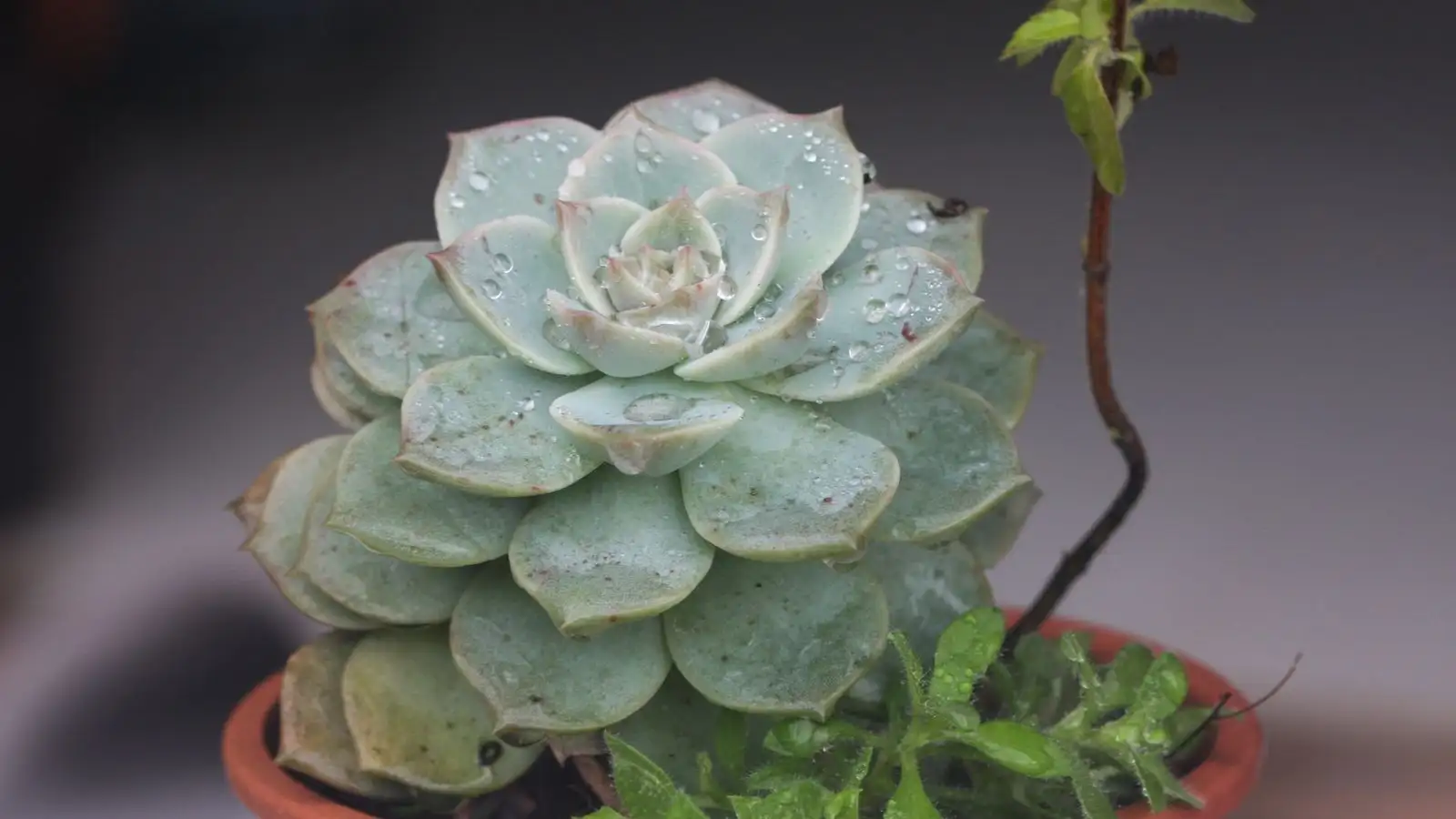
Your Succulent Turns Yellow and Soft, So Act in This Order
Squeeze the leaf where it meets the stem, then the stem at the soil line. Here's what that ten-second test means and how fast you need to act on it.
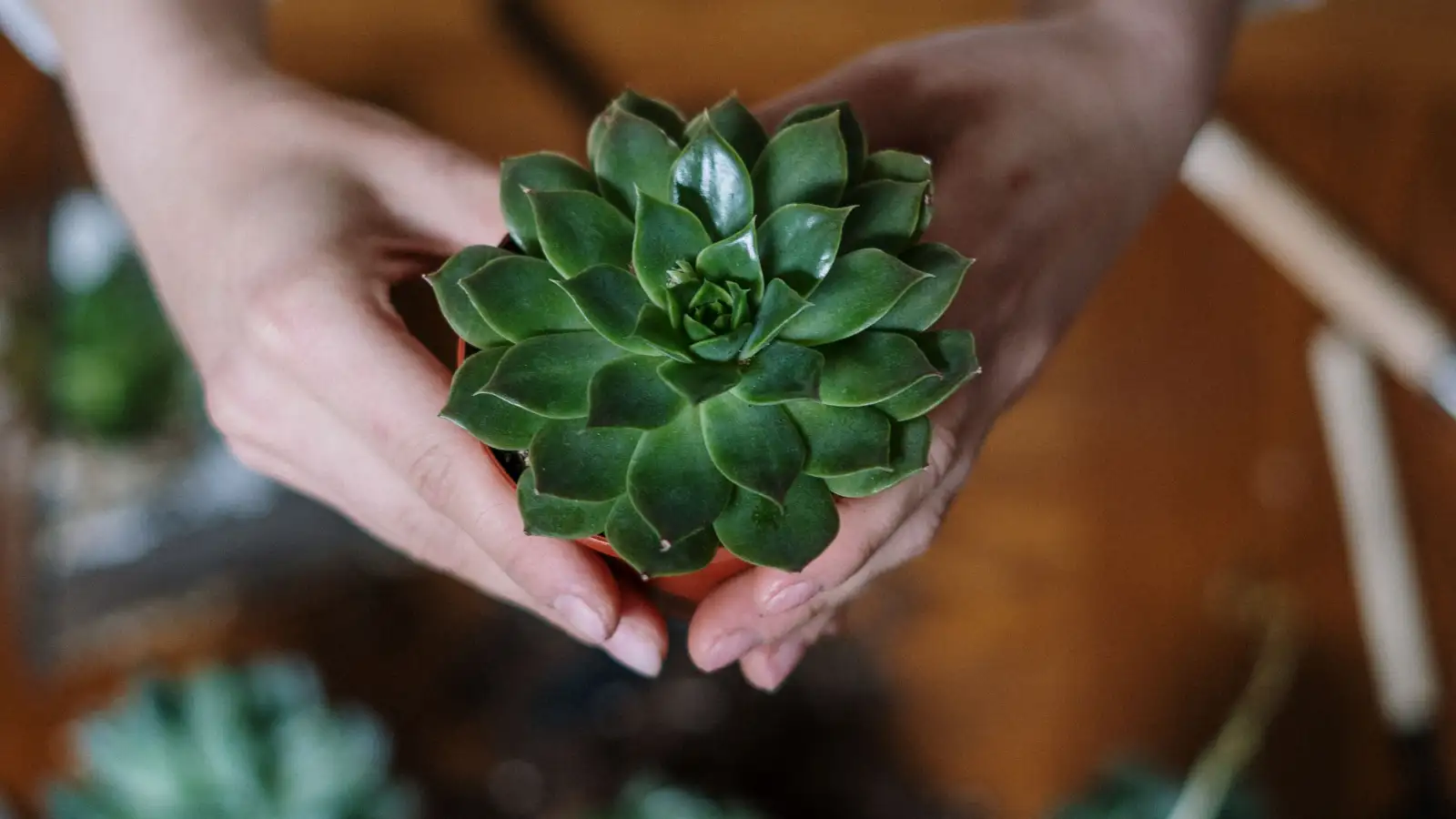
The Pest That Yellows Succulent Leaves From Below the Soil
Yellowing with no watering change usually means root mealybugs or scale feeding below the soil. How to check the root ball, read the wax, and treat.
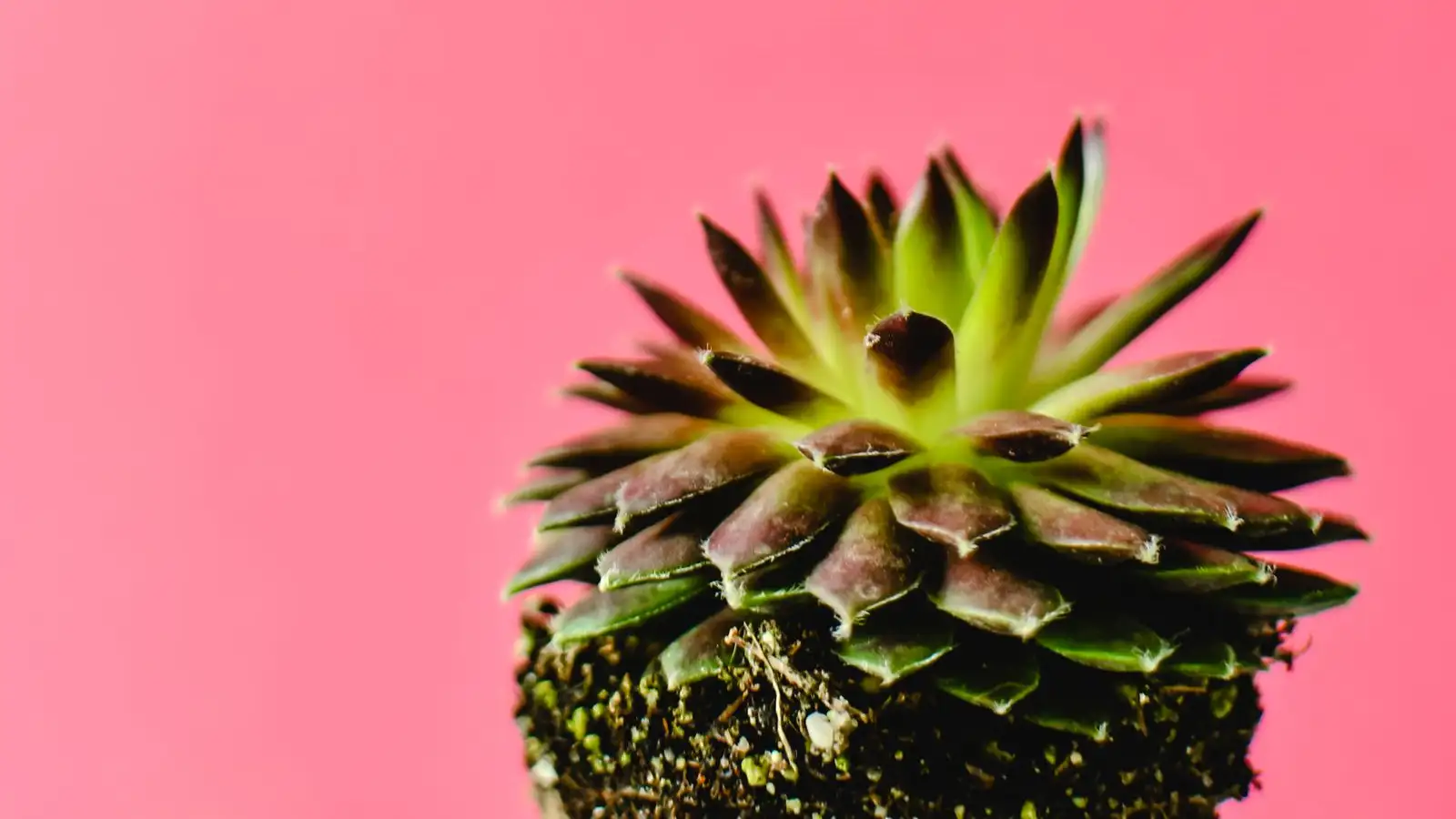
Yellow Leaves? Check the Roots Before You Cut the Stem
Yellow leaves on a soft succulent? Unpot first. Learn what healthy vs rotted roots look like, how far to cut, and when the cut face is ready for mix.
That Soft Yellow Leaf After Watering Isn't Rot — It's Edema
Raised corky blisters on lower succulent leaves after a deep soak are edema, not rot. How to tell them apart and why airflow beats spraying.
Don't Cut Every Yellow Leaf Off Your Succulent Yet
Yellow soft leaves never recover, but cutting too early can kill the plant. Confirm the cause first, then cut only firm green tissue to propagate.
Is a Squishy Stem Base on My Succulent Actually Rot?
Press the stem at the soil line, read the dent, and let the cut face tell you how far rot has traveled. A thumb test, a knife, and three verdicts.