Yellow Leaves? Check the Roots Before You Cut the Stem
Yellow leaves on a soft succulent usually point to the root zone, not the stem, so unpot the plant and inspect the root ball before you cut anything. If the roots are brown, mushy, or smell sour or swampy, the yellow leaves are a rot symptom. Cut back to clean pale tissue, let the cut surface dry and callus in open air, and only then repot into fresh gritty mix.
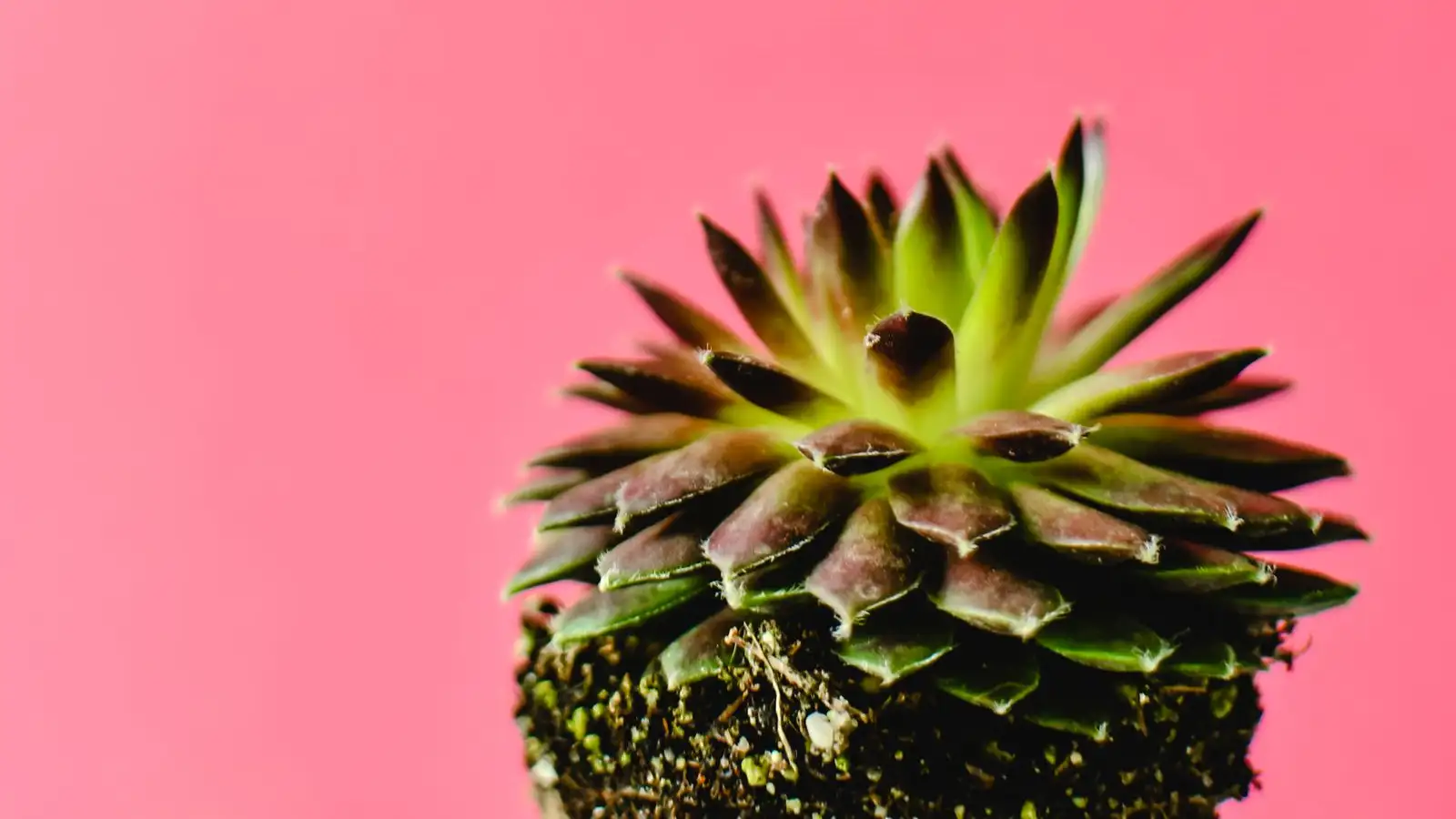
Start with the root ball, not the stem
I keep a chopstick, a pair of clean shears, and a sheet of newspaper on the counter before I touch the plant. When you slide the root ball out of the pot, your nose does half the diagnosis. A healthy root ball smells like damp earth and nothing else. Rot smells sour, like a swamp that has been sealed in a bucket. If that smell hits you, do not bother being gentle. Turn the root ball over and look for the color change.
What healthy roots feel like, and what rot feels like
Healthy roots are pale, plump, and firm. They look like white or tan noodles with a slight sheen. Rotted roots are brown or black, mushy, and often slip out of their outer sheath when you pull. You pinch one and the skin slides off, leaving a wet thread behind. That is not a root anymore. That is a dead tube with bacteria and fungi already inside it. I cut those away without trying to save them.
Cut until the cross-section is clean
Once you have confirmed rot, cut back to clean pale tissue. I start at the bottom of the root mass and work upward with shears I have wiped with rubbing alcohol. Every cut should reveal white, cream, or light green tissue inside. If the inside is brown, dark, or stringy, the rot is still ahead of your blade. Move up. On the stem, same rule: cut in small increments until the cross-section is clean. If you see a dark ring or a soft brown core, you are not done. I have cut a stem three times before the center finally looked like a fresh potato. That is normal.
The cut face has to pass a test
The cut face has to dry and callus before anything goes back into mix. A fresh cut is an open door. I set the plant on its side on a paper towel in a shaded, airy spot. Not in direct sun. Not in a humid bathroom. A fan moving air across the room is fine. Depending on the cut size and the humidity, that takes a few days to a week. The surface should feel dry and hard, like a scab, not tacky. If it is still weeping or soft, it is not ready.
When the roots are dry instead of rotten
Before you start cutting, check the dry ones. If the roots are thin and dry but still firm, and the leaves are yellow but not soft or translucent, you are probably looking at underwatering or a root ball that has been bone-dry for too long. That is a different problem. Do not cut those roots as if they were rot. Soak the root ball in room-temperature water for an hour, trim only the dead tips, and repot. Cutting a dry root system like a rotted one will kill the plant faster than the drought would have.
The mix after the cut
Throw away the old mix. I mean the mix that clings to the roots after you have cut away the rot. That material can carry the same pathogen back to the recovering plant. Rinse the roots gently in room-temperature water to get the last bits off, then let them dry again. Do not reuse the pot without scrubbing it. I use hot soapy water and a bottle brush, then rinse.
After the cut face has callused, I pot into fresh gritty mix. My mix is roughly equal parts pumice, perlite, and a coarse potting soil, but the exact ratio matters less than the fact that it drains fast and has plenty of air. I do not water for another few days. The plant is still healing. Water too soon and you have recreated the wet, low-oxygen conditions that caused the rot in the first place.
If the yellow leaves are coming from the crown and the stem is soft above the soil line, you are dealing with stem or crown rot, and the same rule applies: cut until clean. But if the stem is mushy all the way to the growing point, there is nothing left to save. That is when you take a leaf or stem cutting from clean tissue above the rot, but that is a different job.
The whole sequence is slower than cutting the stem and hoping. I know. But the roots tell you what the leaves cannot. Once you have seen a healthy root ball next to a rotted one, you stop guessing. You unpot, you smell, you cut to clean tissue, you wait for the callus, and you give the plant fresh mix. That is the whole decision.
Educational content only: check with a qualified horticulturist, licensed pesticide applicator, or your local extension office before acting on anything specific.

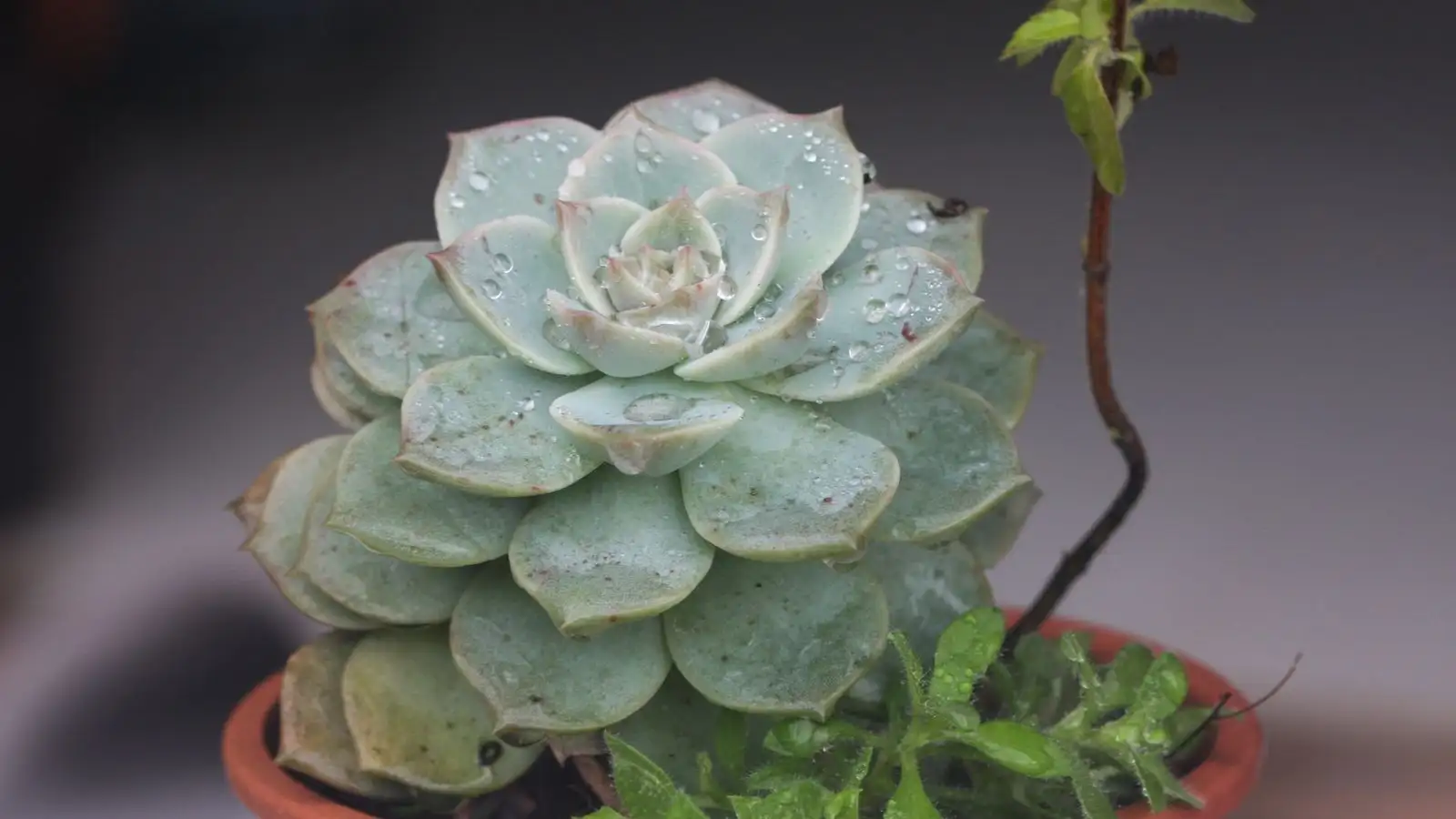
Your Succulent Turns Yellow and Soft, So Act in This Order
Squeeze the leaf where it meets the stem, then the stem at the soil line. Here's what that ten-second test means and how fast you need to act on it.
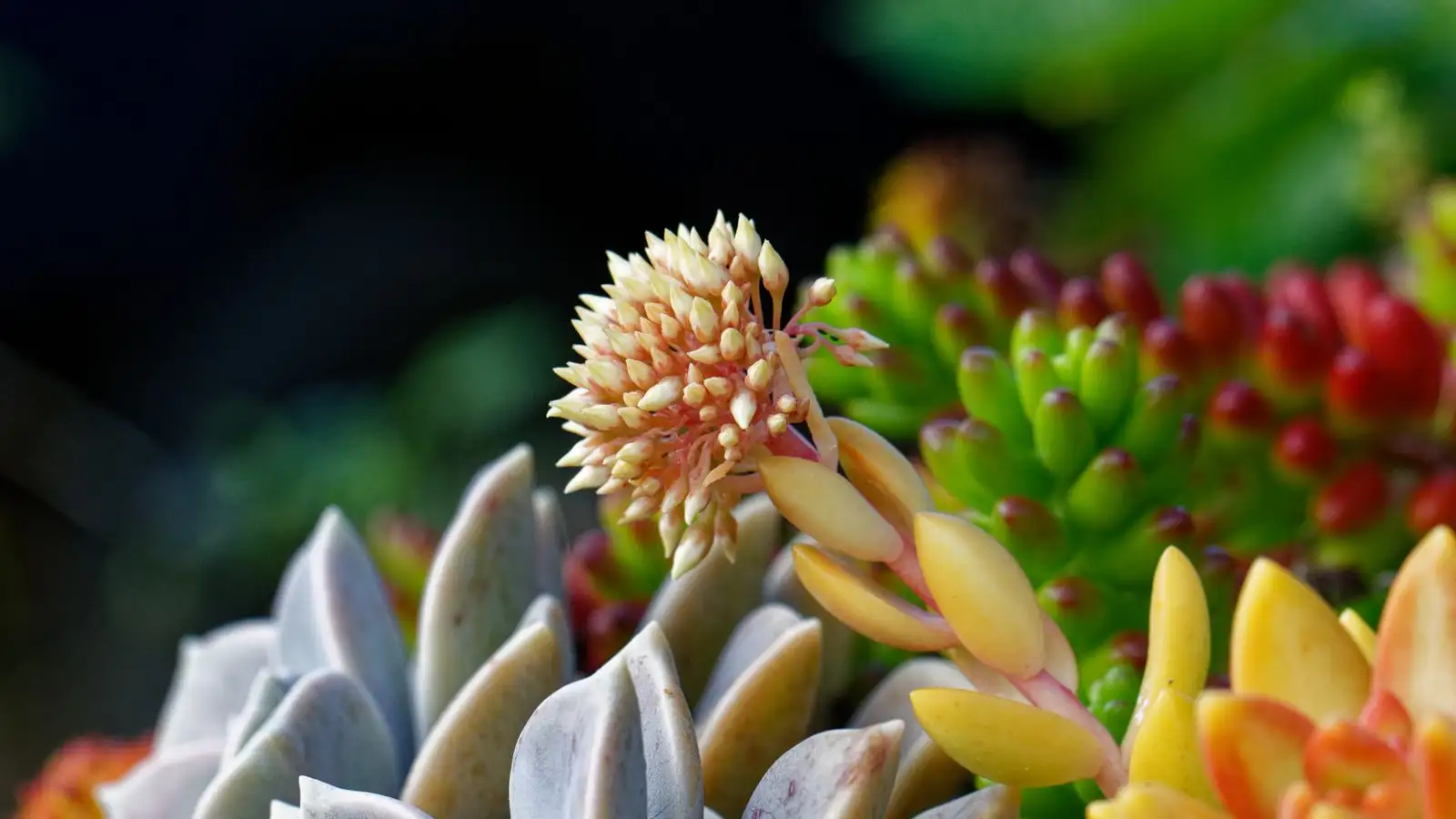
After the First Frost, Why Succulent Leaves Go Yellow
Cold injury shows up on sky-facing outer leaves a day or two after a freeze. Check the growing point in the center before you cut, move, or water anything.
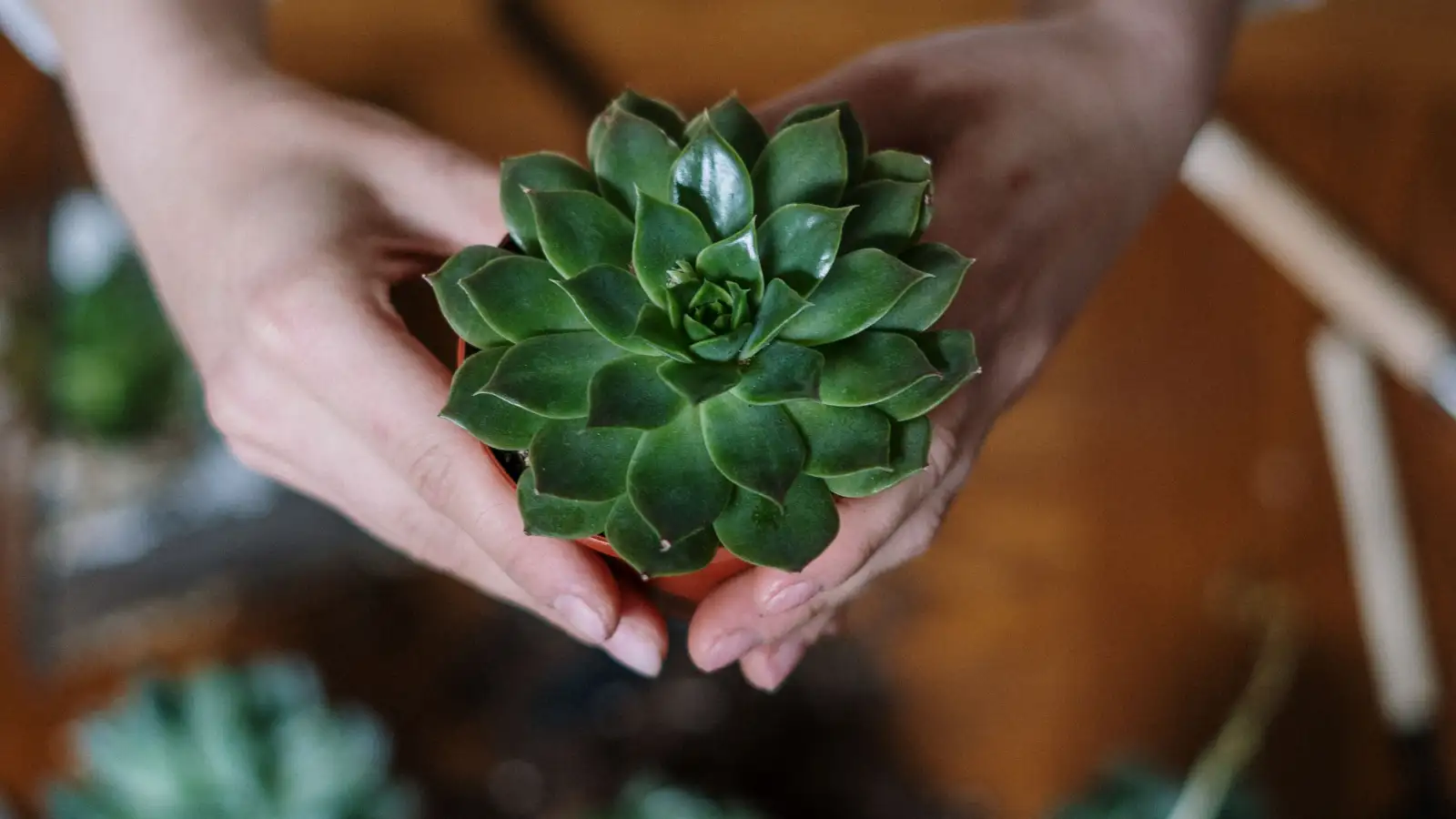
The Pest That Yellows Succulent Leaves From Below the Soil
Yellowing with no watering change usually means root mealybugs or scale feeding below the soil. How to check the root ball, read the wax, and treat.
That Soft Yellow Leaf After Watering Isn't Rot — It's Edema
Raised corky blisters on lower succulent leaves after a deep soak are edema, not rot. How to tell them apart and why airflow beats spraying.
Don't Cut Every Yellow Leaf Off Your Succulent Yet
Yellow soft leaves never recover, but cutting too early can kill the plant. Confirm the cause first, then cut only firm green tissue to propagate.
Is a Squishy Stem Base on My Succulent Actually Rot?
Press the stem at the soil line, read the dent, and let the cut face tell you how far rot has traveled. A thumb test, a knife, and three verdicts.