Your Succulent Turns Yellow and Soft, So Act in This Order
Yellow leaves that still feel firm are usually not an emergency. Yellow leaves that give under your thumb are. So before you read another word, do the ten-second test: pinch the lowest leaf right where it meets the stem, then pinch the stem itself at the soil line, just above where it disappears into the grit. If either spot dents and stays dented, that plant is coming out of its pot today. If both spring back, you have days to work with instead of hours.
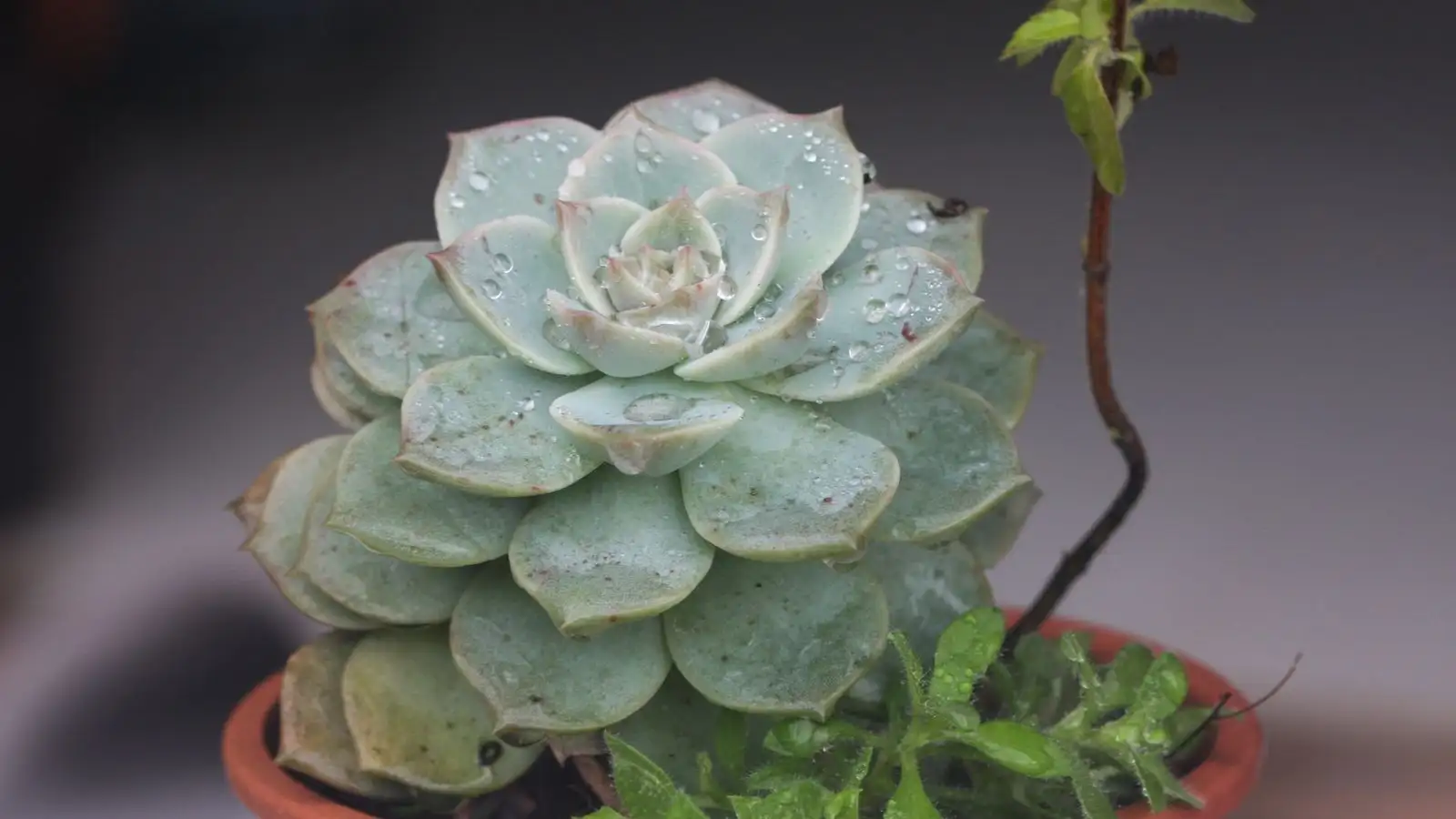
I do that test with the pot still sitting on the windowsill, one hand keeping it steady, thumb and index finger doing the work. Not a crush. Just enough pressure to feel whether the tissue pushes back at me or folds. The difference is obvious the first time you feel both on the same afternoon, which is how I learned it — one plant that was merely sun-faded, one plant that was already gone at the base, sitting three inches apart on the same tray.
Doing it so the answer means something
Test the lowest leaf, not the top one. Trouble starts low and climbs. Water damage and rot both move from the roots upward and from the bottom of the plant upward, so the bottom leaf is the earliest honest witness you have. The top leaves are the last to change and the least useful to squeeze.
Pinch at the point where the leaf meets the stem, not out at the tip. A tip that feels flimsy is often just a tip. The junction is where water has to pass through, and it's the first place that fails when the plumbing is compromised.
Then go straight to the stem at the soil line with the same pressure. This is the spot that matters most. Rot climbs from the roots into the stem long before the upper leaves show anything, so the stem at the soil line is the fastest read on the whole plant. If I only had time for one squeeze, that's the one I'd take.
One distinction that took me too long to trust: a leaf that is wrinkled and firm wants water. A leaf that is plump and soft is in trouble. Those are two different plants with two different futures, and they look similar in bad photos. Wrinkled and firm is thirst. Full and doughy is damage.
What each result means, and how fast
It springs back everywhere. Leaves are yellow, but the tissue is sound. That combination matters, because color alone is usually light, age, or a leaf being retired — a lower leaf going yellow on a plant that's otherwise solid is often just the plant reclaiming what's in it. Softness is the part that points at water, cold, or injured cells. If everything's firm, hold off on watering and re-check in a week. I've watched more plants get killed by a sympathy watering after a yellow leaf than by the yellow leaf itself.
The leaf dents, but the stem base and the crown are still firm. This is the good version of bad news. It usually means a reversible water or root-zone problem rather than rot that has reached the plant's core. You have days, not hours. Unpot, look, dry it out, put it back into dry gritty mix, keep it in bright shade, and don't water for about a week. Then squeeze again. I've turned these around plenty of times.
The base is mush, or the leaf is translucent, or there's fluid. That's rot, and it's a today problem. Isolate the plant immediately — anything weeping or see-through doesn't stay on the tray with healthy plants. Then cut. Take the stem down above the soft zone in clean slices and look at the cross-section: healthy succulent stem is pale and solid with a firm ring. If it's brown or stringy, cut higher and look again. If you keep cutting and it stays brown all the way up, stop. You're not saving the plant, you're propagating it — leaves and any clean tip go onto dry mix, and the old stem goes in the trash, not the compost.
Where the softness sits tells you what did it
The address of the softness is half the diagnosis, and most people never check it.
Soft first at the bottom leaves and the stem base: water, roots, or rot. This is the classic pattern and the one the squeeze test is built to catch.
The glass-facing side of the plant goes glassy and soft after a cold night: that's cold injury, not rot. If the window froze, the outer leaves will look wet and dull while the middle of the plant is still fine. Do not water it. Frozen tissue can't move water, and adding more just feeds whatever comes next. Let it thaw in normal room temperature and leave it dry for a while.
The sky-facing side goes pale and soft with bleached or blistered patches: that's sun or heat, and it usually crisps rather than turning to mush. Scorch on the top of the rosette and mush at the bottom of the rosette are two different problems on one plant, and they need two different responses.
If the whole thing is uniformly soft, top included, you're past the point of diagnosis and into salvage.
The unpot, because roots settle it
Leaves suggest. Roots decide. Pull the plant, shake off the loose mix, and look. Healthy roots are pale and plump and they snap when you bend them — a clean break, like a fresh bean sprout. Rot roots are brown to black, and the outer sheath slides off between your fingers and leaves a thin string of core behind. That sheath slipping is the thing that made it click for me; you can't unsee it once you've felt it.
Work with clean snips, cut back to tissue that's firm and pale, and let the cut ends air-dry somewhere out of direct sun before anything goes back into mix. If you use any treatment at all, the product label is the only rate and the only interval you follow — I'm not going to hand you a number that belongs on a bottle.
The leaves that leave the room
Any leaf that has gone translucent, mushy, or leaking gets isolated from healthy plants until you know what you're dealing with. Not quarantined in the same tray with a gap between pots — actually moved. I use a separate shelf and I wash my hands between plants when I'm working on something suspect, because rot spreads on whatever you touched first.
Three days later, do it again
The recheck is the part people skip. After you cut, dry, or repot, wait about three days and run the same squeeze: the lowest remaining leaf, then the stem at the soil line. A cut surface that's firm and dry means you won. A cut surface that has gone soft means you didn't cut high enough, and you go back in.
Honest limits: sometimes the squeeze says the base is firm and the roots underneath are already gone, because the stem hasn't caught up yet. Sometimes it's cold damage that looks exactly like rot for two days and cutting it would have been the wrong move. That's why the location of the softness and the unpot both matter. The squeeze tells you how fast to move. The roots tell you why.
Educational content only: check with a qualified horticulturist, licensed pesticide applicator, or your local extension office before acting on anything specific.

After the First Frost, Why Succulent Leaves Go Yellow
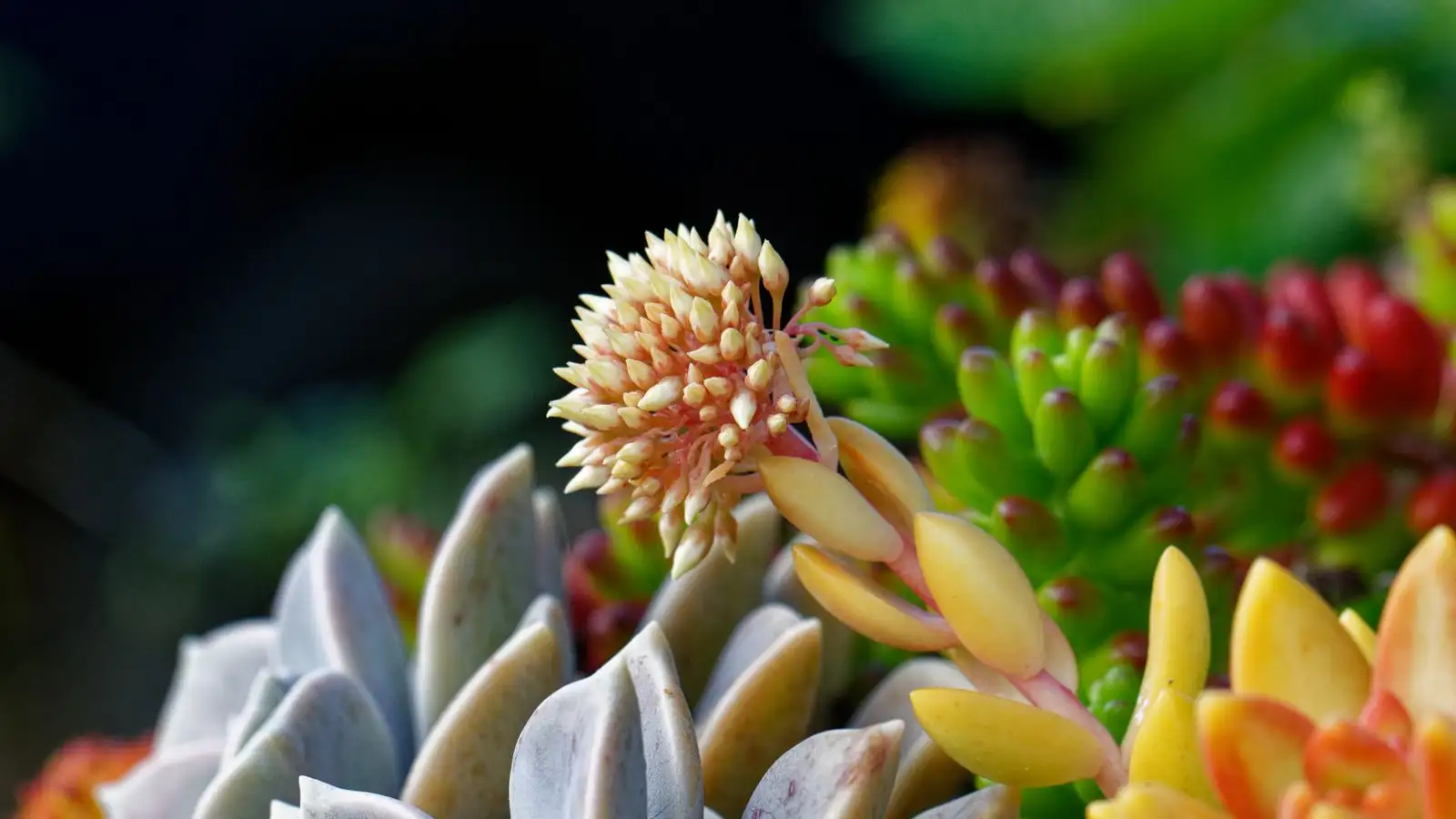
Cold injury shows up on sky-facing outer leaves a day or two after a freeze. Check the growing point in the center before you cut, move, or water anything.
The Pest That Yellows Succulent Leaves From Below the Soil
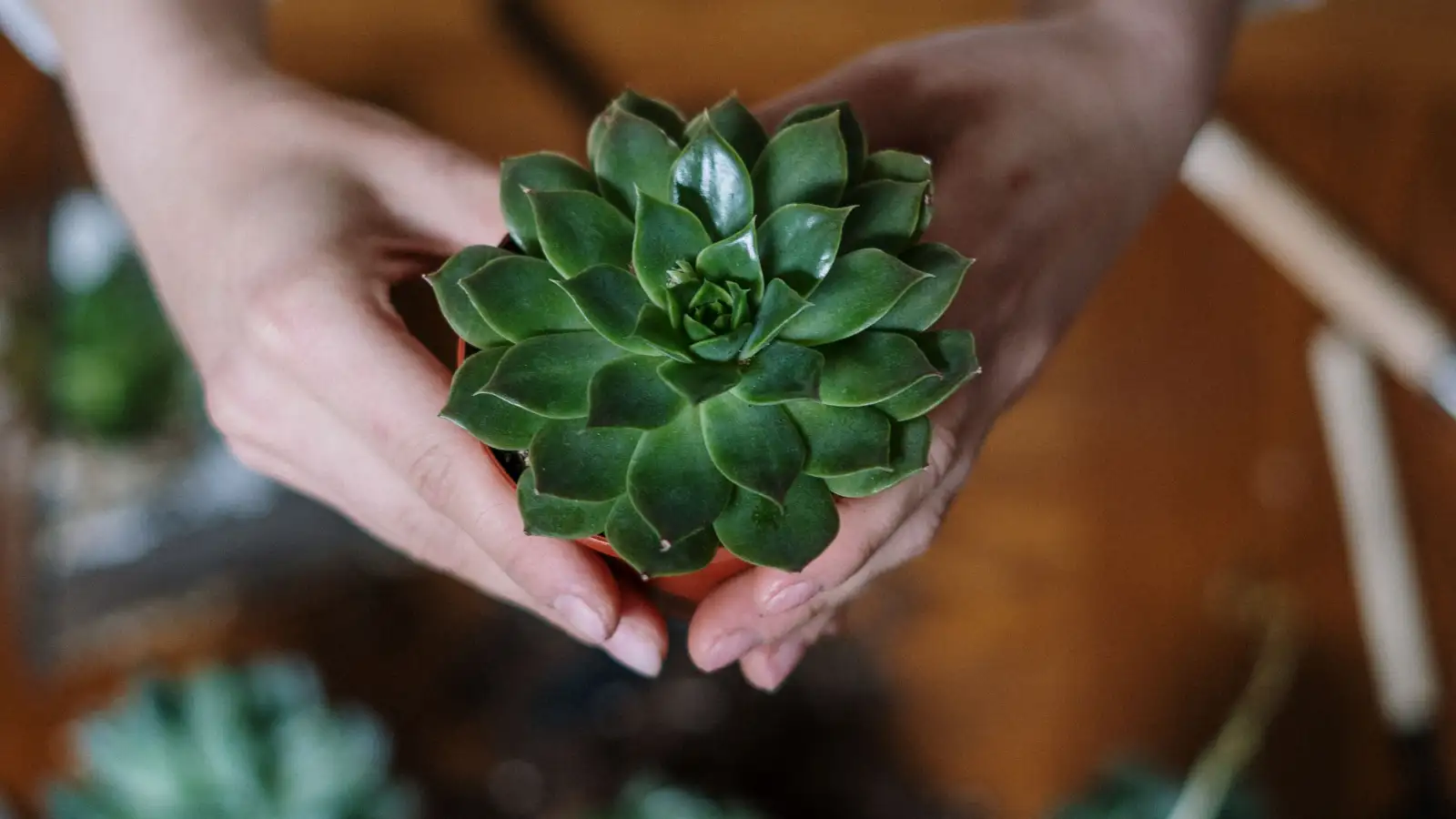
Yellowing with no watering change usually means root mealybugs or scale feeding below the soil. How to check the root ball, read the wax, and treat.
Yellow Leaves? Check the Roots Before You Cut the Stem
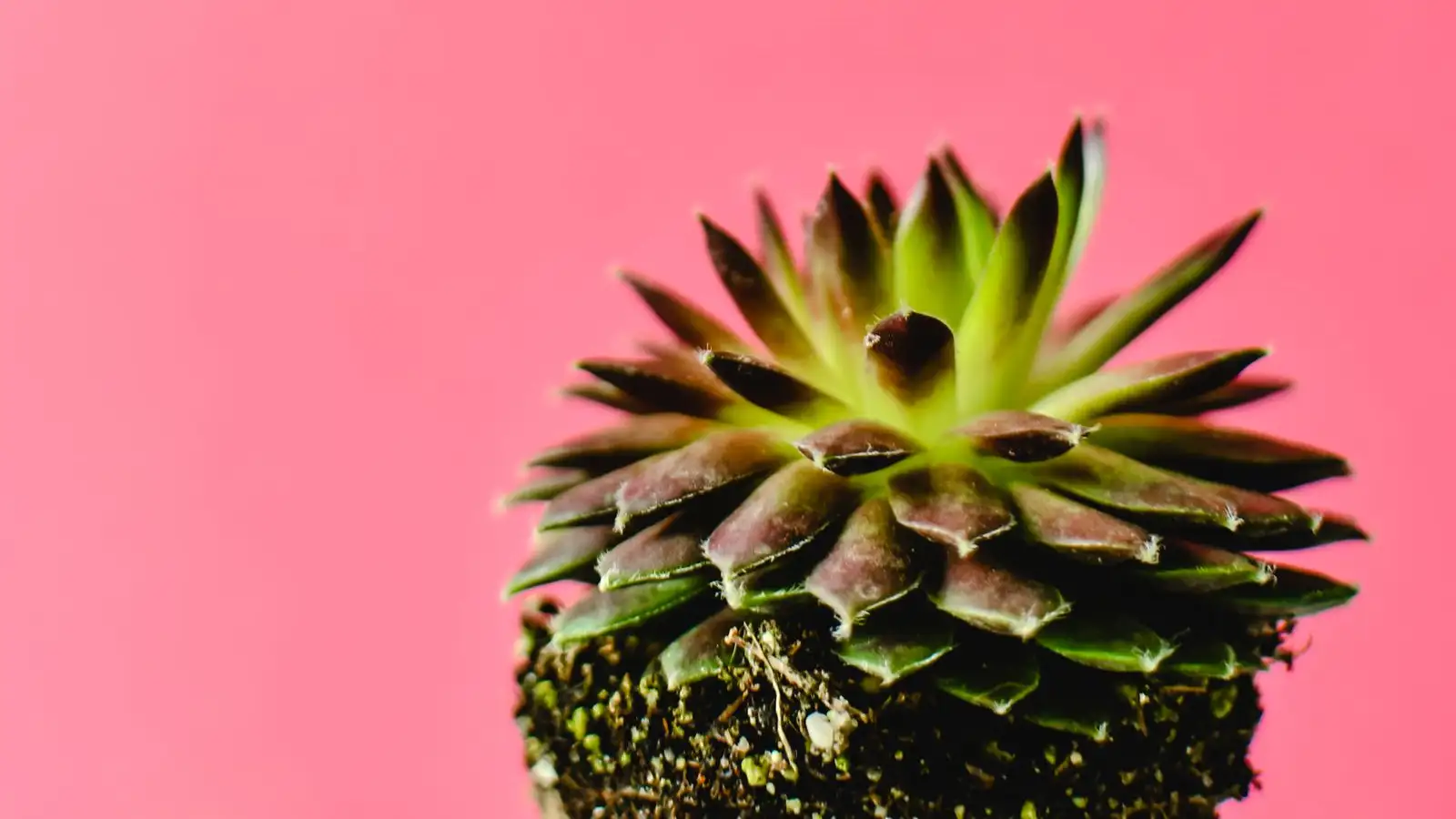
Yellow leaves on a soft succulent? Unpot first. Learn what healthy vs rotted roots look like, how far to cut, and when the cut face is ready for mix.
That Soft Yellow Leaf After Watering Isn't Rot — It's Edema
Raised corky blisters on lower succulent leaves after a deep soak are edema, not rot. How to tell them apart and why airflow beats spraying.
Don't Cut Every Yellow Leaf Off Your Succulent Yet
Yellow soft leaves never recover, but cutting too early can kill the plant. Confirm the cause first, then cut only firm green tissue to propagate.
Is a Squishy Stem Base on My Succulent Actually Rot?
Press the stem at the soil line, read the dent, and let the cut face tell you how far rot has traveled. A thumb test, a knife, and three verdicts.