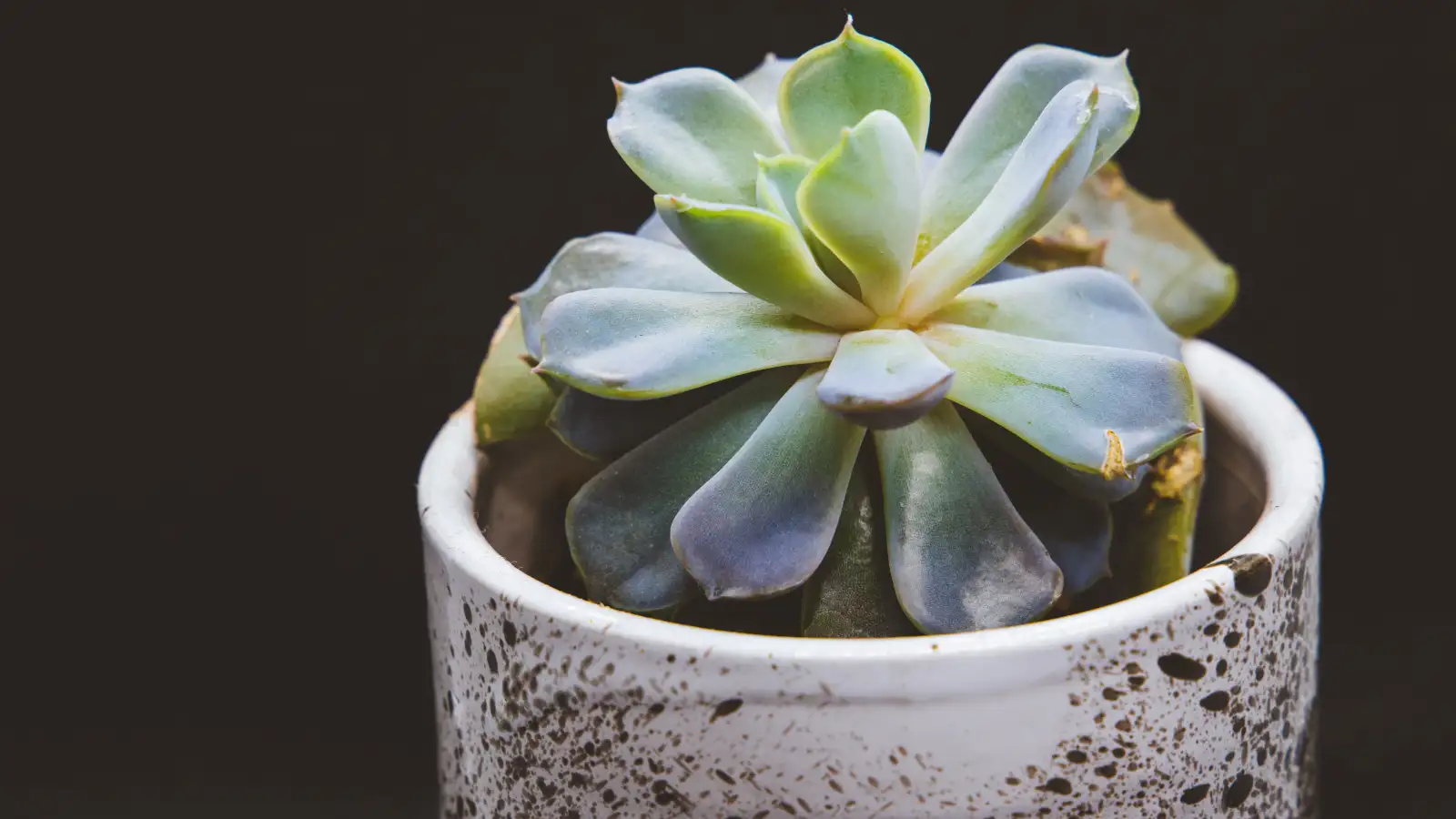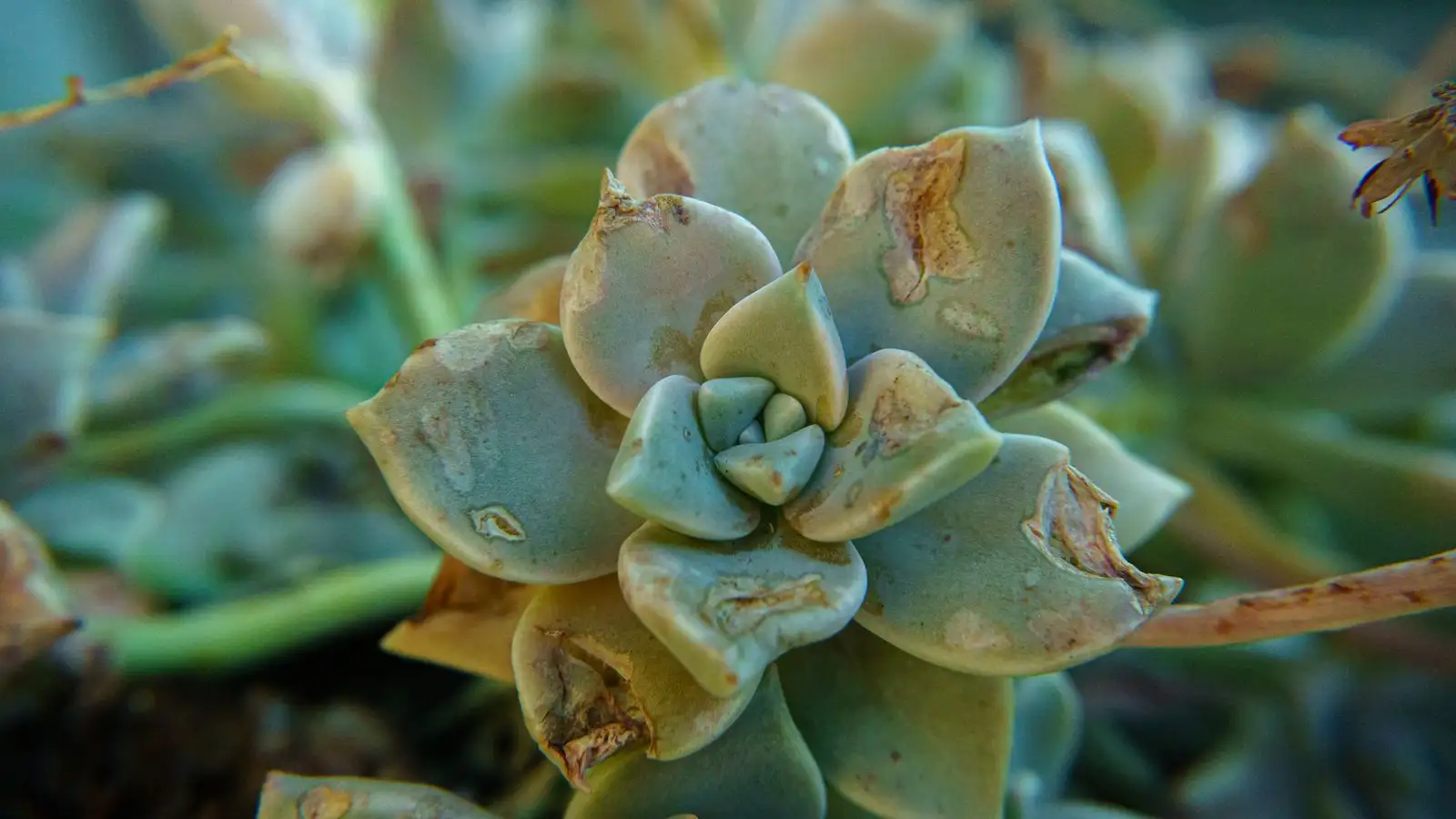
Brown, Mushy Leaves After a Freeze Are Not Always Rot
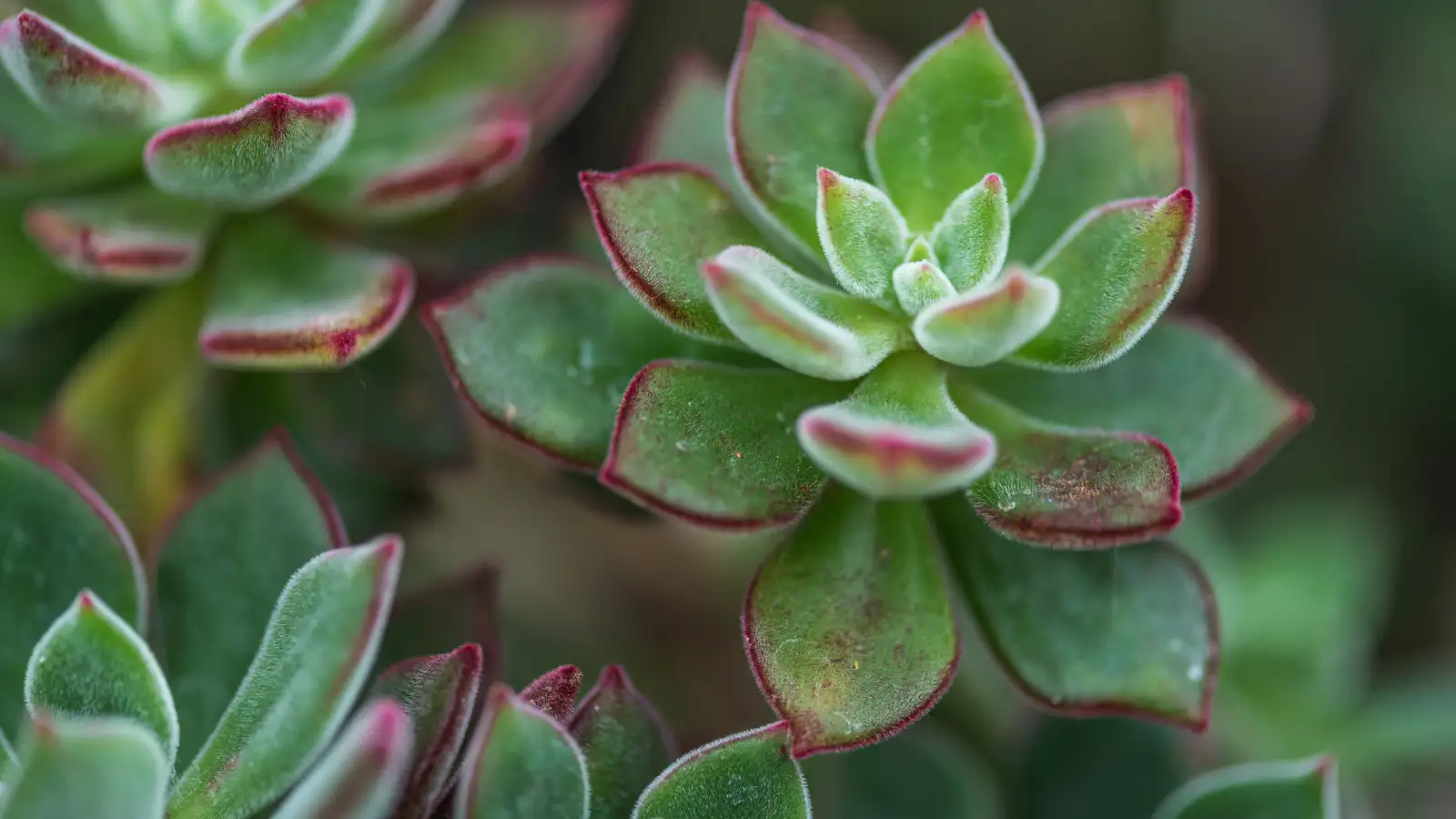
Where freeze damage sits, whether it's wet or dry, how clean the edge is, and whether it spreads: the cues that separate freeze burn from rot on succulents.
Where freeze damage sits, whether it's wet or dry, how clean the edge is, and whether it spreads: the cues that separate freeze burn from rot on succulents.
Stop watering a soaked succulent, push a skewer to the pot bottom, add airflow, and know the exact moment the root zone is dry enough to water again.
Sticky leaves that turn black are honeydew plus sooty mold sitting on the surface, not rot. Wash it off, then find the insect still feeding above it.
Fungus gnats don't rot succulent roots. They signal the wet soil that does. How to tell larval damage from fungal rot and treat both problems in one move.
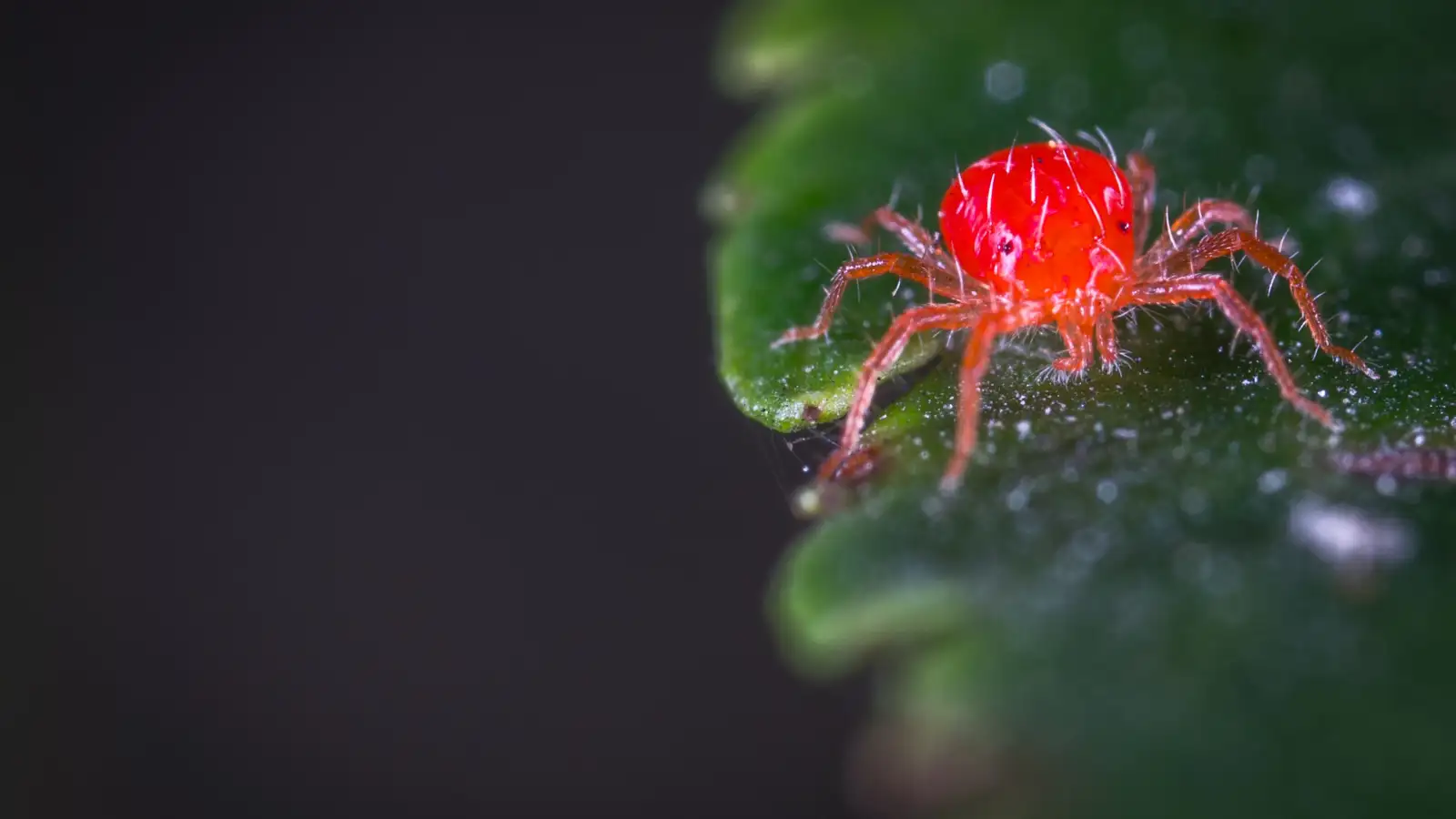
One spray kills the adults and leaves the eggs. Here's the repeat interval, why temperature sets it, and how many rounds to keep going after the last mite.
Not every white coating on a succulent is powdery mildew. Use texture, location, and insect presence to tell mildew, mealybugs, salts, and mite webbing apart.
Clear, black-headed larvae in the top inch of soil chew root tips, causing yellowing, wilting, and stalled growth. Here is how to find them and read the damage.
Powdery mildew spreads on air, hands, and tools. A practical quarantine and 70% alcohol hygiene protocol to keep it off the rest of your succulent shelf.
When roots and lower stem have rotted, the healthy top can be saved. Cut into clean tissue, callus in dry air, then root in dry gritty mix and wait.
Scale treatment fails when you spray adults. Hit the crawler window instead: how to find it with tape, time the second application, and know when to stop.